Blocked drains can quickly turn your home into a source of stress and costly repairs. London homeowners often face common drainage problems caused by everyday habits like pouring fats and oils down the sink or letting hair and soap build up in bathroom pipes. The real challenge lies in knowing which actions and routines actually create these hidden blockages—and how you can stop them before they escalate.
This list takes the guesswork out of prevention and highlights the most frequent causes affecting kitchens, bathrooms, and even your garden drains. You’ll discover practical tips and easy habits that make a real difference in avoiding clogs and protecting your plumbing. Get ready for proven insights that address drain blockages step by step, so you can keep water flowing smoothly in every part of your home.
Table of Contents
- 1. Fat and Grease Build-Up in Kitchen Sinks
- 2. Hair and Soap Obstructions in Bathroom Drains
- 3. Food Waste Clogging Kitchen Drains
- 4. Leaves and Garden Debris Blocking Outdoor Drains
- 5. Sanitary Products and Wipes in Toilets
- 6. Tree Roots Intruding Drain Pipes
- 7. Collapsed or Broken Drain Systems
Quick Summary
| Takeaway | Explanation |
|---|---|
| 1. Avoid pouring grease down drains | Grease solidifies and forms blockages, obstructing water flow in pipes. Always dispose of fats in the bin. |
| 2. Use strainers to catch hair and debris | Hair and soap form stubborn clogs in bathroom drains. Strainers help prevent these materials from entering pipes. |
| 3. Dispose of food waste properly | Food scraps can accumulate and create significant clogs. Always use a compost bin and scrape plates before washing. |
| 4. Maintain outdoor drains regularly | Leaves and garden debris can block drainage systems. Clean gutters and use covers to prevent blockage. |
| 5. Never flush sanitary products or wipes | Flushing non-biodegradable items can cause severe sewer blockages. Use dedicated bins for proper disposal instead. |
1. Fat and Grease Build-Up in Kitchen Sinks
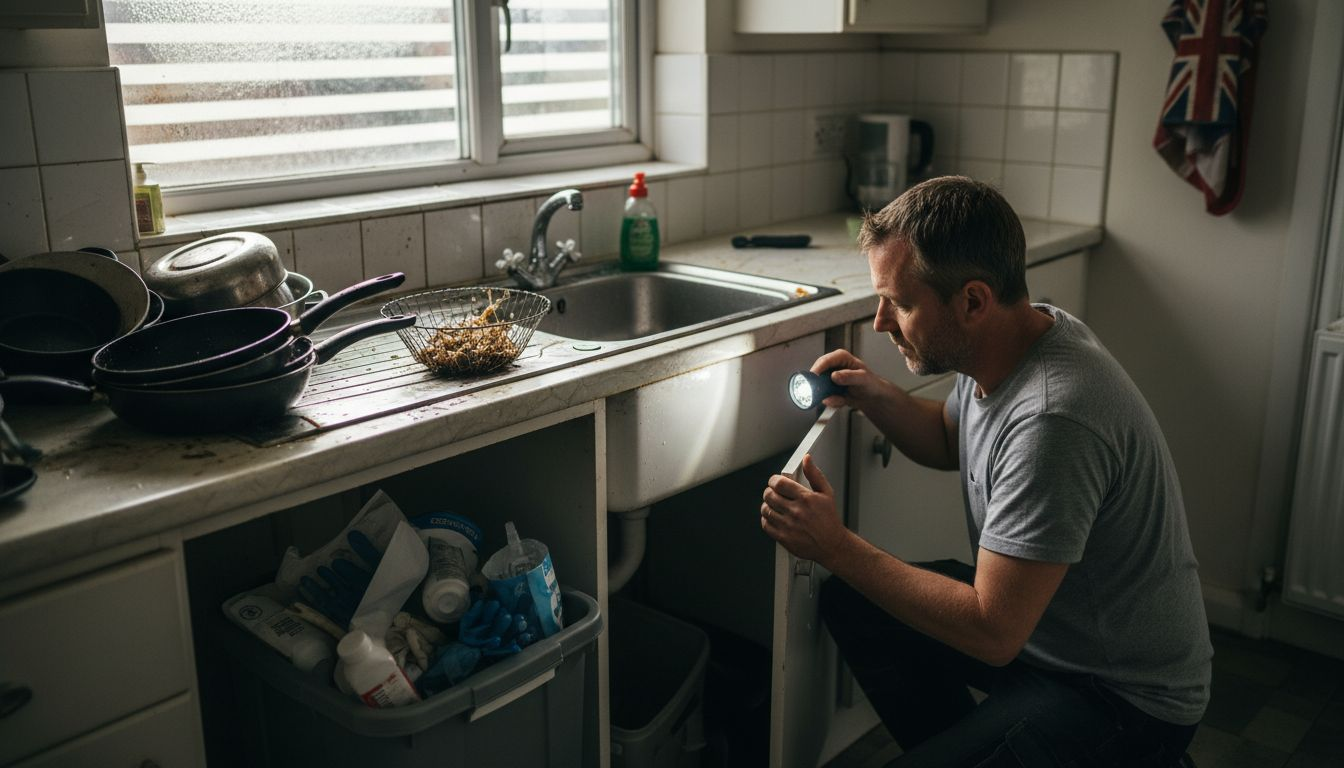
Kitchen sink blockages are a persistent nightmare for many London homeowners, with fat and grease being the primary culprit. When you pour cooking oils, meat fats, and greasy substances down your kitchen drain, you are essentially creating a ticking time bomb for your plumbing system.
Every time you wash dishes or rinse pans with oily residue, those substances don’t simply disappear. Instead, they cool and harden inside pipes, gradually forming stubborn blockages that can completely obstruct water flow.
Understanding how these blockages form is crucial:
- Saturated fats cool and solidify quickly in pipes
- Food scraps get trapped within the greasy build-up
- Soap residue adds additional sticky layers
- Temperature changes cause fats to congeal and expand
The more grease you pour down your drain, the faster you’re creating a potential drainage disaster.
To prevent these issues, adopt simple kitchen habits that protect your drainage system. Always scrape cooled cooking fats into the bin, not the sink. Use paper towels to wipe greasy pans before washing, and consider using a strainer to catch food particles.
Pro tip: Before washing greasy dishes, wipe them with a paper towel to remove excess oil and prevent potential drainage blockages.
2. Hair and Soap Obstructions in Bathroom Drains
Bathroom drains are notorious for developing stubborn blockages, with hair and soap forming the most common culprits. Your daily grooming routine might be silently creating a drainage nightmare right under your nose.
Bathroom sink obstructions occur when hair and soap residue combine to create increasingly dense clogs that restrict water flow. As you wash your hair or shave, tiny strands and soap particles accumulate inside pipe walls, gradually building up a sticky, challenging barrier.
Understanding how these blockages develop is crucial:
- Hair acts like a net, trapping soap scum
- Wet hair binds together more effectively
- Toothpaste adds additional sticky material
- Small particles combine to create larger obstructions
Preventing bathroom drain blockages starts with recognising how seemingly harmless daily activities contribute to potential plumbing issues.
To combat these obstructions, implement simple preventative measures. Use drain strainers to catch hair before it enters pipes, clean these strainers regularly, and consider monthly maintenance treatments to keep pipes clear.
Pro tip: Invest in a quality drain strainer and clean it weekly to significantly reduce the risk of bathroom drain blockages.
3. Food Waste Clogging Kitchen Drains
Your kitchen sink might seem like an easy disposal route for food scraps, but it’s actually a potential drainage disaster waiting to happen. Food waste accumulation can quickly transform your plumbing system into a problematic network of blocked pipes.
Food waste disposal practices contribute significantly to drainage problems across London homes. Coffee grounds, vegetable peels, and leftover food particles create stubborn blockages that gradually restrict water flow and cause serious plumbing issues.
Understanding how food waste creates drainage problems:
- Small food particles stick to pipe walls
- Organic matter attracts bacteria and decomposition
- Accumulated waste creates thick, sticky residues
- Repeated disposal leads to progressive pipe narrowing
Even tiny food scraps can accumulate into significant drainage obstructions over time.
To protect your kitchen drainage, implement strict waste disposal practices. Use kitchen strainers to catch food particles, scrape plates into compost or rubbish bins before washing, and avoid rinsing large food chunks down the sink.
Pro tip: Invest in a small kitchen compost bin and train your household to dispose of food waste properly to prevent drainage blockages.
4. Leaves and Garden Debris Blocking Outdoor Drains
Autumn in London transforms gardens into potential drainage hazards, with falling leaves and organic debris posing significant risks to outdoor drainage systems. Garden waste accumulation can quickly transform your property’s external drainage into a blocked nightmare.
London homeowners must understand how natural debris impacts drainage systems, particularly during seasonal changes. Leaves, twigs, mud, and garden waste wash into gutters and drains, creating complex blockages that impede water flow and potentially cause flooding.
Key factors contributing to outdoor drain blockages:
- Fallen autumn leaves create dense, wet barriers
- Mud and soil easily mix with organic debris
- Twigs and small branches can wedge in drain openings
- Decomposing plant material creates sticky obstructions
Preventing garden debris blockages requires consistent maintenance and strategic planning.
To protect your outdoor drainage, implement proactive strategies. Use drain covers, regularly clean gutters, trim overhanging vegetation, and remove fallen leaves before they accumulate and wash into drainage systems.
Pro tip: Install mesh drain covers and schedule quarterly garden maintenance to prevent leaves and debris from overwhelming your outdoor drainage system.
5. Sanitary Products and Wipes in Toilets
Your toilet is not a rubbish bin. Flushing inappropriate items can create catastrophic drainage disasters that cost hundreds of pounds to repair and potentially damage entire sewage systems.
Sewer blockages from disposable products represent a significant environmental and infrastructural challenge. Wipes, sanitary products, and other non-biodegradable materials can accumulate rapidly, forming massive obstructions known as fatbergs that completely halt water flow.
Common non-flushable items causing drain blockages:
- Baby wipes
- Feminine hygiene products
- Cotton buds and cotton wool
- Nappies
- Kitchen towels
- Wet wipes
Just because something can physically be flushed does not mean it should be flushed.
To protect your plumbing and local sewage infrastructure, adopt strict disposal practices. Always use dedicated bins for non-biodegradable items, and educate all household members about proper waste management.
Pro tip: Place a clearly labelled bathroom bin next to the toilet to encourage proper disposal of sanitary and hygiene products.
6. Tree Roots Intruding Drain Pipes
The silent menace beneath your garden could be systematically destroying your drainage infrastructure. Tree root intrusion represents a complex and potentially devastating problem for London homeowners with mature landscaping.
Tree roots can penetrate drainage systems by exploiting existing pipe weaknesses, creating gradual but significant blockages that compromise entire plumbing networks.
Understanding how tree roots damage drainage pipes:
- Roots seek moisture and nutrients
- Tiny pipe cracks become entry points
- Roots expand and create larger fractures
- Older clay or concrete pipes are most vulnerable
- Root growth can completely obstruct water flow
Small pipe imperfections become superhighways for aggressive root systems.
To protect your drainage infrastructure, conduct regular pipe inspections, maintain a safe distance between trees and drainage lines, and address any detected pipe damage immediately. Consider professional drain relining to prevent future root intrusions.
Pro tip: Consult an arborist before planting trees near drainage systems to understand potential underground root patterns and risks.
7. Collapsed or Broken Drain Systems
Collapsed or broken drain systems represent a critical infrastructure challenge for London homeowners, potentially causing extensive and expensive damage. Underground drainage failures can emerge suddenly and wreak havoc on your property’s structural integrity.
Property owners are responsible for drainage maintenance within their property boundaries, making early detection and intervention crucial for preventing catastrophic pipe failures.
Key indicators of potential drain system collapse:
- Unexplained damp patches in gardens
- Persistent foul odours around drainage areas
- Slow or gurgling drainage
- Visible ground subsidence
- Sudden increases in water bills
- Unusual vegetation growth near drainage lines
Drainage system failures are not just plumbing issues they are potential property preservation challenges.
Modern repair technologies like drain lining offer non-invasive solutions that minimise property disruption. These techniques involve inserting specialised sleeves that restore pipe integrity without extensive excavation.
Pro tip: Conduct annual professional drain inspections to identify potential weaknesses before they escalate into full system collapses.
Below is a comprehensive table summarising the main topics and preventative measures for common drainage issues discussed in the article.
| Drainage Issue | Causes | Preventative Measures |
|---|---|---|
| Fat and grease in kitchen sinks | Cooking oils, meat fats, soap residue create solid build-up. | Scrape cooled fats into bins, wipe pans with paper towels, use strainers to catch particles. |
| Hair and soap in bathroom drains | Hair traps soap residue, forming sticky, dense clogs. | Install and clean drain strainers regularly, use maintenance treatments monthly. |
| Food waste in kitchen drains | Scraps stick to pipe walls, decay attracts bacteria, narrowing pipes. | Use kitchen strainers, dispose of food in compost, avoid rinsing large particles. |
| Leaves and garden debris in outdoor drains | Autumn leaves, organic material obstruct water flow and cause flooding. | Use mesh drain covers, clean gutters and clear debris regularly. |
| Non-biodegradables in toilets | Flushed items like wipes and sanitary products create fatbergs. | Provide labelled bins and educate household on non-flushable items. |
| Tree roots intruding pipes | Roots exploit pipe cracks, expand and block water flow. | Inspect pipes regularly, ensure safe tree distance, use professional relining methods. |
| Collapsed or broken drainage systems | Cracks and subsidence in underground infrastructure cause system failure. | Conduct annual inspections, consider modern repair technologies like drain lining. |
Solve Your London Home’s Drainage Woes with RSJ Drains
Blocked drains caused by fat build-up, hair clogs, persistent food waste, or even tree root intrusion threaten the comfort and safety of your property. These common problems create frustrating and costly plumbing issues that can escalate quickly if not addressed. Whether it is greasy kitchen sinks, bathroom hair blockages, or collapsed underground pipes, RSJ Drains offers expert solutions tailored to your specific drainage challenges.
Act now to protect your home from drainage disasters with RSJ Drains. Benefit from our rapid response 24-hour emergency service, cutting-edge CCTV drainage surveys, and reliable drain relining repairs. Visit RSJ Drains today to schedule a professional inspection or download our detailed guide on preventing blocked drains. Don’t let small issues become expensive headaches—secure your plumbing with trusted local professionals now.
Frequently Asked Questions
What causes fat and grease build-up in kitchen sinks?
Fat and grease build-up occurs when cooking oils, fats, and greasy residues are poured down the sink. To prevent this, always scrape cooled fats into the bin and wipe greasy pans with a paper towel before washing.
How can I prevent hair and soap obstructions in bathroom drains?
Prevent hair and soap obstructions by using drain strainers to catch hair and cleaning them regularly. Consider cleaning your drains weekly to reduce the risk of build-up and ensure smooth water flow.
What should I do to manage food waste disposal properly?
To manage food waste, avoid rinsing large food scraps down the sink and use strainers to catch small particles. Training your household to scrape plates into a compost bin can help significantly reduce drainage blockages.
How can I prevent garden debris from blocking outdoor drains?
To prevent garden debris from blocking outdoor drains, regularly clean gutters and remove fallen leaves before they wash into drainage systems. Installing mesh drain covers can also help keep outdoor drains clear of debris.
What items should never be flushed down the toilet to avoid blockages?
Avoid flushing non-biodegradable items such as wet wipes, sanitary products, and cotton buds. Educate your household on proper disposal methods and place a clearly labelled bin next to the toilet for non-flushable items.
How can I identify signs of a collapsed or broken drain system?
Look for signs such as unexplained damp patches in the garden, foul odours, or slow drainage. If you notice any of these indicators, conduct a professional drain inspection to address potential issues promptly.
Recommended
- Affordable & Reliable Blocked Toilet Services in North London
- Experiencing Sink Blockage in North London? Call RSJ Drains
- Reliable Blocked Drain Repairs and Services in North London
- Blocked Toilets Westminster ✔️ RSJ Drains 📞 020 3566 6031
- What Is Garden Drainage and Its Role in London Homes
- Is my kitchen sink smell a serious concern? – Saniservice AC Cleaning