Burst pipes or unexpected flooding can swiftly turn a routine day into a crisis for any Greater London homeowner or property manager. When drainage problems strike, fast action is crucial to protect both property value and everyday comfort. Understanding the importance of a professional drain inspection helps you avoid costly repairs and ensures your drainage system meets strict local standards. This guide explains what today’s drain inspections really involve and dispels common myths so you can make informed decisions about urgent and future maintenance.
Table of Contents
- Drain Inspection Defined and Misconceptions
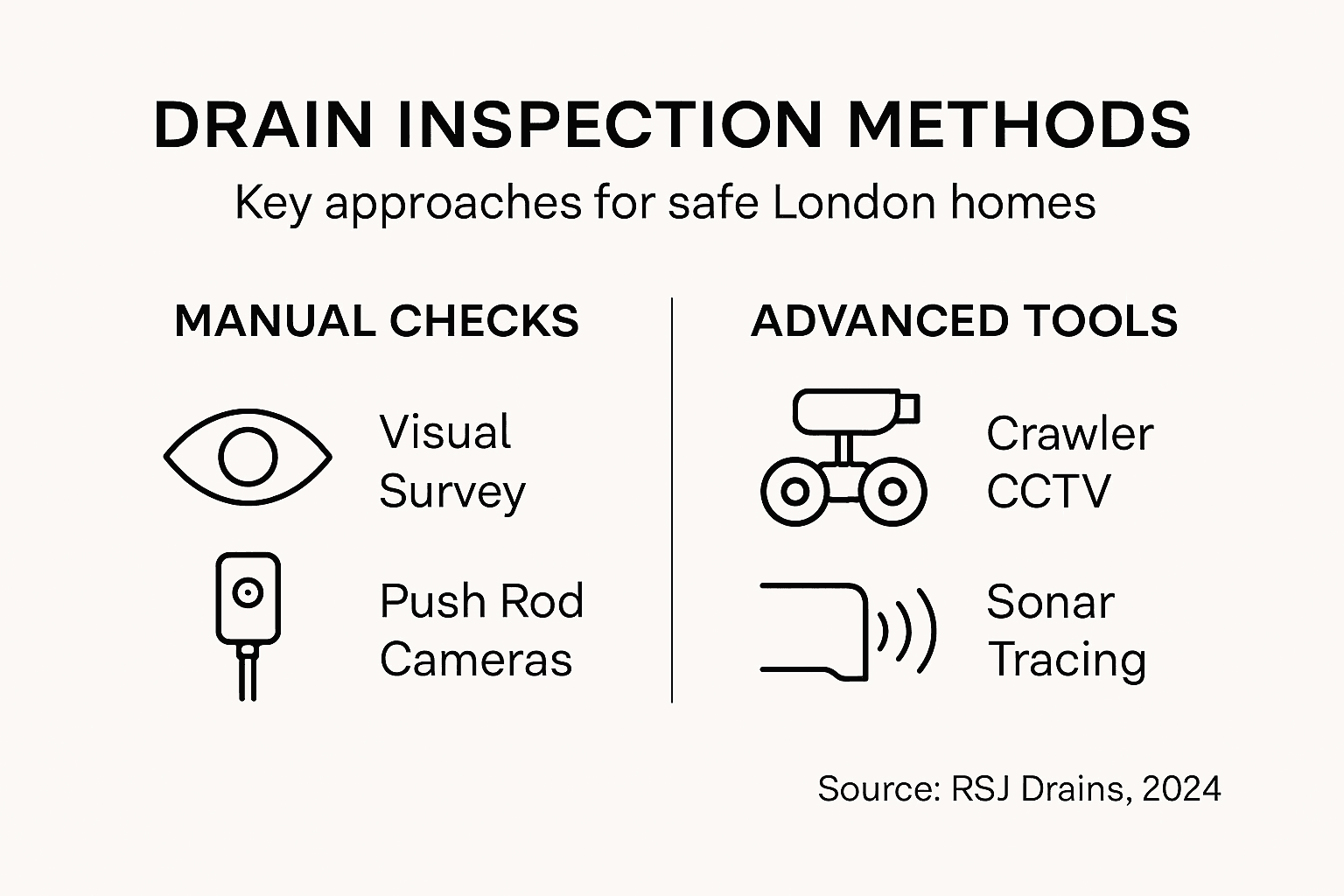
- Key Types of Drain Inspection Methods
- How Drain Inspections Work in Practice
- Common Problems Revealed by Inspections
- Risks, Legal Standards and Costs Explained
- Drain Inspection Alternatives and Mistakes to Avoid
Key Takeaways
| Point | Details |
|---|---|
| Importance of Regular Inspections | Schedule drain inspections every two years or after purchasing a new property to avoid costly repairs. |
| Advanced Technology Utilisation | Employ techniques like CCTV surveys and sonar tracing for accurate assessments without excavation. |
| Understanding Legal Responsibilities | Familiarise yourself with drainage maintenance responsibilities to avoid potential fines or liabilities. |
| Identifying Common Issues Early | Proactively address blockages and structural damage identified during inspections to maintain system integrity. |
Drain Inspection Defined and Misconceptions
A drain inspection is a comprehensive diagnostic process designed to evaluate the structural integrity, functionality, and potential issues within a property’s underground drainage system. Unlike simple plumbing checks, these specialised assessments use advanced technologies like CCTV cameras to provide detailed insights into pipe conditions without invasive excavation.
Drain inspections typically involve several critical evaluation components:
- Mapping existing underground drainage networks
- Identifying potential blockages or structural damage
- Assessing pipe material condition and potential deterioration
- Detecting root intrusions or structural misalignments
- Determining compliance with national drainage standards
Many homeowners harbour misconceptions about drain inspections, often believing they are unnecessary unless a significant problem emerges. However, proactive assessments can prevent costly repairs and potential structural damage. Building regulations clearly mandate specific maintenance responsibilities for drainage systems, which many property owners remain unaware of.
Professional drain inspections are not optional luxury services – they’re essential preventative maintenance for protecting your property’s fundamental infrastructure.
Contrary to popular belief, drain inspections are not just about identifying current problems but also predicting potential future issues. Modern diagnostic techniques allow professionals to create comprehensive risk assessments that help London homeowners make informed maintenance decisions.
Pro tip: Schedule a professional drain inspection every two years, or immediately after purchasing a new property, to ensure comprehensive drainage system health.
Key Types of Drain Inspection Methods
Drain inspection techniques have evolved significantly, offering property owners comprehensive methods to assess underground drainage systems with precision and minimal disruption. Modern technologies provide multiple approaches to examining drain conditions, each serving unique diagnostic purposes for identifying potential structural issues or maintenance requirements.
The primary drain inspection methods include:
- CCTV Camera Surveys: Utilising advanced robotic cameras to navigate through pipe networks
- Sonar Tracing: Mapping underground drainage layouts without physical excavation
- Smoke Testing: Detecting hidden pipe connections and potential leakage points
- Dye Testing: Identifying drainage flow patterns and potential system interconnections
- Acoustic Listening: Detecting underground pipe damage through sound wave analysis
These advanced drainage assessment techniques enable professionals to provide comprehensive insights into drainage system health without causing structural disruption. CCTV camera surveys remain the most popular method, allowing real-time visual inspection of pipe interiors, detecting blockages, structural damage, and potential root intrusions with remarkable accuracy.
Professional drain inspections transform hidden underground infrastructure from a mystery into a precisely mapped and understood system.
Each inspection method offers unique advantages, with technological innovations continuously improving diagnostic capabilities. Sophisticated equipment now enables drainage professionals to create detailed digital maps, predict potential future issues, and recommend targeted maintenance strategies tailored to specific property requirements.
Here is a comparison of popular drain inspection methods and their ideal uses:
| Method | Diagnostic Focus | Best Used For |
|---|---|---|
| CCTV Camera Survey | Structural pipe assessment | Identifying blockages, root intrusions |
| Sonar Tracing | Mapping pipe locations | Locating unseen pipe routes |
| Smoke Testing | Leak and connection detection | Finding illegal connections, leaks |
| Dye Testing | Flow pattern analysis | Tracing system functionality |
| Acoustic Listening | Damage detection via sound | Spotting small cracks, hidden damage |
Pro tip: Request a comprehensive recording of your drain inspection to maintain a detailed historical record of your property’s underground drainage system.
How Drain Inspections Work in Practice
Drain inspections represent a systematic approach to understanding and maintaining underground drainage infrastructure, combining advanced technological methods with detailed professional assessment. These comprehensive evaluations go far beyond simple visual checks, employing sophisticated diagnostic techniques to uncover hidden issues within property drainage systems.
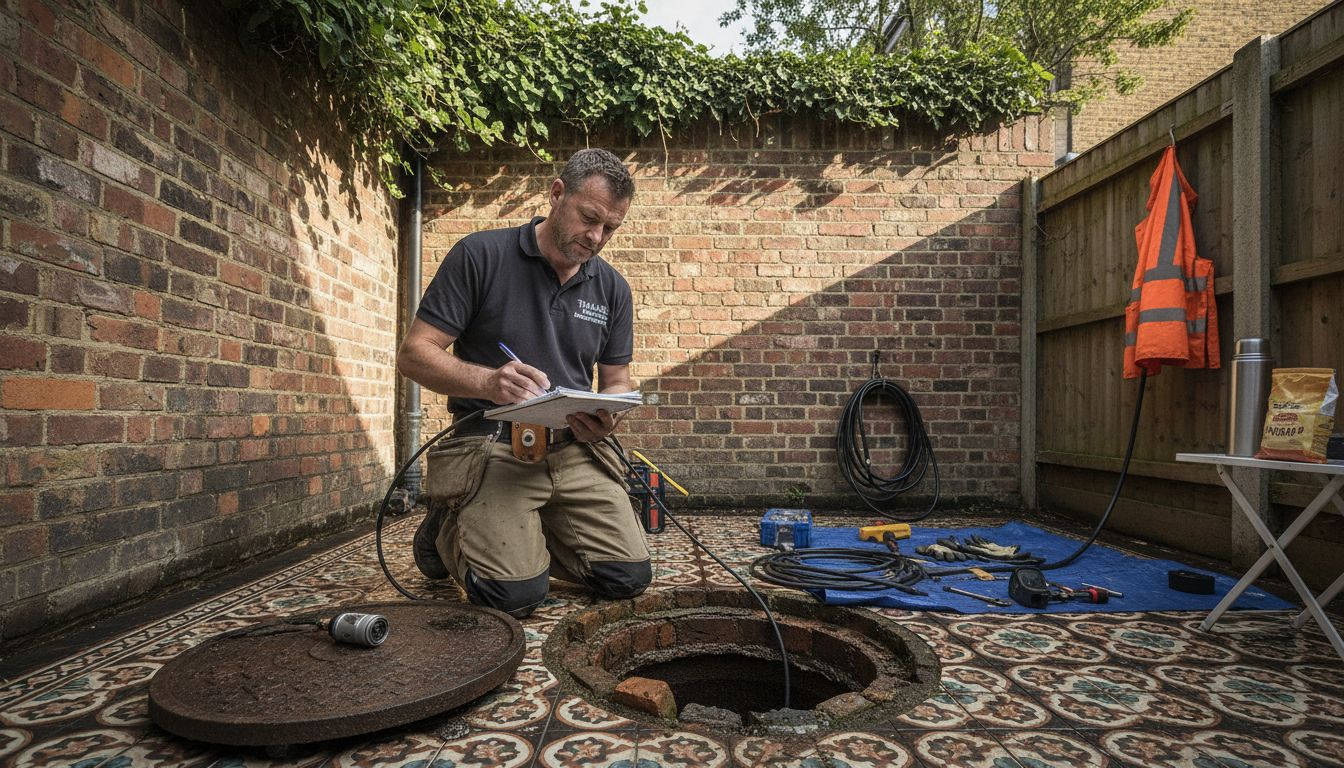
The practical drain inspection process typically involves several critical stages:
- Initial Consultation: Gathering property history and specific drainage concerns
- Pre-Inspection Preparation: Identifying access points and potential investigation challenges
- Equipment Setup: Positioning specialised cameras and diagnostic tools
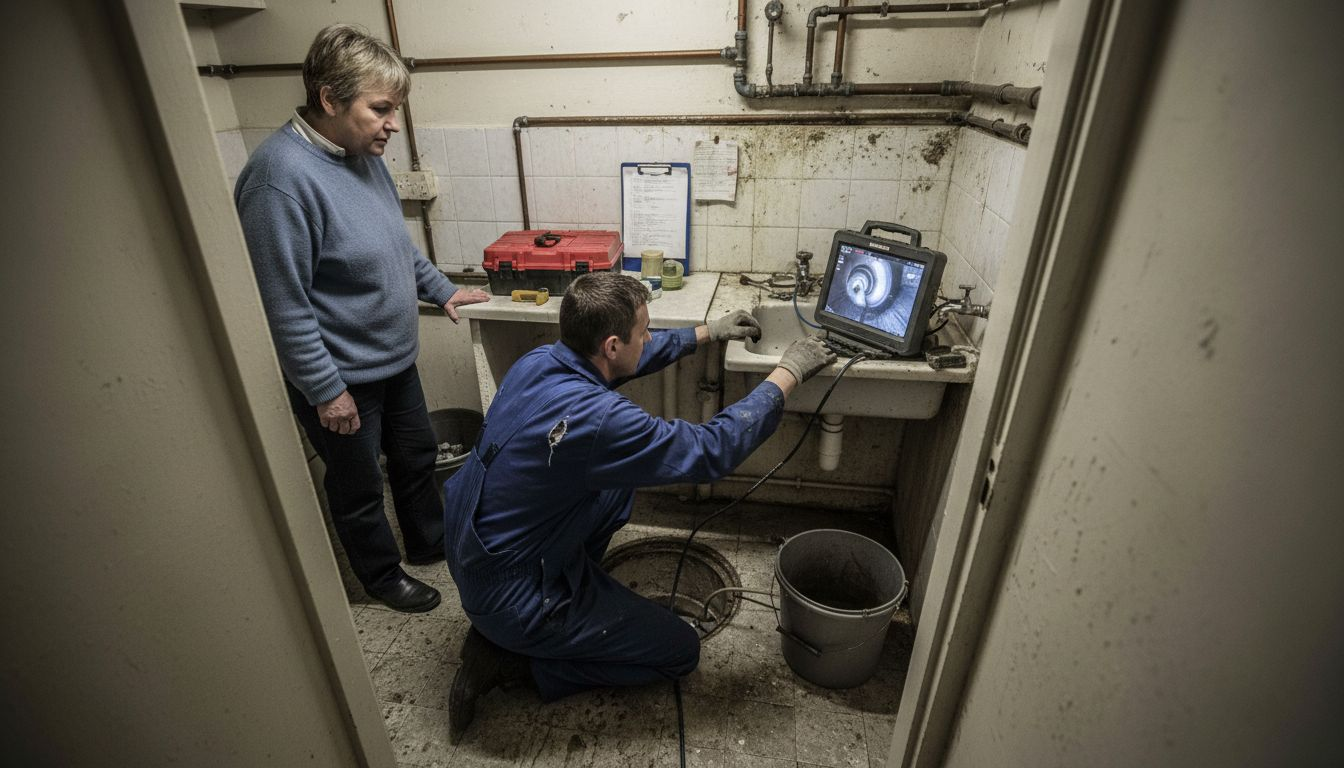
- Live Video Exploration: Navigating pipe networks using robotic camera systems
- Detailed Analysis: Evaluating recorded footage for structural and functional issues
- Comprehensive Reporting: Documenting findings with professional recommendations
Drainage system assessments require meticulous attention to detail, with professionals using high-resolution cameras capable of revealing microscopic pipe damage, root intrusions, and potential structural weaknesses. CCTV technology allows technicians to conduct thorough investigations without destructive excavation, providing real-time visual insights into complex underground networks.
Professional drain inspections transform potential hidden disasters into manageable maintenance opportunities.
Each inspection follows strict protocols designed to ensure comprehensive evaluation, with technicians systematically documenting every observed condition. Modern drainage professionals use advanced digital mapping technologies to create precise records, enabling property owners to understand their underground infrastructure’s exact condition and potential future maintenance requirements.
Pro tip: Request a digital copy of your drain inspection recording for future reference and comparative analysis.
Common Problems Revealed by Inspections
Drain inspections uncover a complex landscape of potential infrastructure challenges that often remain hidden from standard visual assessments. These comprehensive evaluations expose critical issues that could compromise residential drainage systems, potentially leading to significant structural damage and costly repairs if left unaddressed.
The most frequent problems detected during professional drain inspections include:
- Blockage Formation: Accumulation of debris, grease, and foreign materials
- Root Infiltration: Tree roots penetrating pipe joints and creating structural damage
- Pipe Misalignment: Shifts causing improper drainage and potential collapse
- Corrosion and Material Degradation: Gradual weakening of pipe structures
- Junction Failures: Compromised connections between drainage segments
- Structural Fractures: Cracks and breaks in underground pipe networks
Drainage system investigations reveal that most problems stem from accumulated household waste, inappropriate disposal practices, and environmental pressures. Blockage mechanisms typically develop through consistent improper waste disposal, with cooking oils, wet wipes, and non-biodegradable materials forming the primary culprits of drainage system deterioration.
Early detection of drainage problems can prevent catastrophic infrastructure failures and save homeowners thousands in potential repair costs.
Professional drain inspections provide crucial insights into the underlying health of drainage systems, differentiating between minor maintenance requirements and potential major reconstruction needs. By identifying issues at their nascent stages, property owners can implement targeted interventions that prevent extensive damage and maintain long-term drainage infrastructure integrity.
Pro tip: Maintain a detailed log of all drain inspection findings to track your property’s drainage health and anticipate potential future maintenance requirements.
Risks, Legal Standards and Costs Explained
Drain maintenance involves complex legal obligations and potential financial risks that extend far beyond simple repair considerations. Homeowners must navigate a nuanced landscape of responsibilities, statutory requirements, and potential consequences associated with drainage system management.
The key legal and financial aspects of drain maintenance include:
- Property Boundary Responsibilities: Determining ownership and repair obligations
- Compliance Standards: Meeting regulatory drainage requirements
- Financial Liability: Understanding potential repair and replacement costs
- Insurance Coverage: Evaluating protection against drainage system failures
- Risk Mitigation: Implementing preventative maintenance strategies
- Penalty Avoidance: Preventing potential legal enforcement actions
Drainage legal responsibilities vary significantly depending on specific property locations and infrastructure configurations. Drainage system boundaries critically determine whether property owners or municipal water companies bear maintenance responsibilities, with private drains typically falling under homeowner jurisdiction while public sewers remain the utility’s domain.
Proactive understanding of drainage legal standards can save homeowners thousands in potential repair and enforcement costs.
Costs associated with drain maintenance and repair can range dramatically, from minor interventions costing £100 to comprehensive system replacements potentially exceeding £10,000. Professional drain inspections serve as a crucial preventative measure, helping property owners identify potential issues before they escalate into significantly more expensive structural problems.
To better understand drain maintenance responsibilities and legal aspects, consider this summary:
| Aspect | Homeowner Responsibility | Typical Outcome |
|---|---|---|
| Private Drains | Full maintenance and repairs | Owner handles costs and coordination |
| Shared Drains (before boundary) | Joint responsibility with neighbours | Cost typically split or agreed upon |
| Public Sewers | Utility company responsibility | Water provider manages issues |
| Regulatory Compliance | Must meet national standards | Non-compliance can lead to penalties |
Pro tip: Retain comprehensive documentation of all drainage inspections and maintenance activities to support potential insurance claims and demonstrate responsible property management.
Drain Inspection Alternatives and Mistakes to Avoid
Drain maintenance requires sophisticated approaches beyond traditional invasive methods, with modern technologies offering innovative solutions that minimise property disruption and reduce long-term repair costs. Homeowners must understand both alternative techniques and potential pitfalls to make informed drainage management decisions.
Key alternatives to traditional drain inspections include:
- No-Dig Drain Lining: Repairing pipes without excavation
- Sonar Tracing: Mapping underground drainage networks
- Smoke Testing: Detecting hidden pipe connections
- CCTV Remote Surveys: Comprehensive internal pipe assessments
- Acoustic Listening Devices: Identifying underground pipe damage
- Thermal Imaging: Detecting hidden moisture and potential leak points
No-dig drain repair technologies represent a revolutionary approach to infrastructure maintenance, allowing comprehensive pipe rehabilitation without significant property disruption. Drain lining techniques enable professionals to restore pipe integrity by installing a seamless internal liner, effectively creating a new pipe structure within existing damaged infrastructure.
Proactive understanding of alternative drainage solutions can save property owners significant time, money, and structural complications.
Common mistakes property owners frequently make include neglecting regular inspections, attempting DIY repairs without professional guidance, and ignoring early warning signs of drainage system deterioration. These errors can escalate minor issues into expensive, complex structural problems requiring comprehensive reconstruction.
Pro tip: Consult professional drainage specialists before attempting any independent repair or maintenance work to ensure compliance with legal standards and prevent potential long-term damage.
Protect Your London Home with Expert Drain Inspection and Rapid Repairs
Understanding the hidden dangers within your property’s drainage system is essential to prevent costly and disruptive issues such as blockages, root intrusions, or pipe fractures. This article demonstrated how advanced drain inspections using CCTV surveys and other cutting-edge methods are vital for maintaining the health of your underground drainage infrastructure. If you recognise the risks of ignoring early signs of deterioration or aligning with legal responsibilities for drainage upkeep, professional help is crucial.
At RSJ Drains, we specialise in comprehensive drain inspections and immediate solutions tailored for London properties. Our expert team offers CCTV drainage surveys and high-pressure water jetting to clear blockages quickly, alongside innovative drain relining that avoids disruptive excavation. With 24-hour emergency response and a trusted family-run reputation, we ensure your drainage concerns are addressed promptly and reliably.
Ready to secure your home from drainage disasters?
Discover our professional drain inspection services and experience peace of mind knowing your property is protected by London’s leading drainage specialists.
Don’t wait for small problems to become expensive emergencies. Contact RSJ Drains today for thorough inspections, expert advice, and effective repairs that keep your drains flowing safely.
Frequently Asked Questions
What is a drain inspection?
A drain inspection is a diagnostic assessment of a property’s underground drainage system, evaluating its structural integrity and functionality using advanced technologies like CCTV cameras.
How often should I schedule a drain inspection?
It’s advisable to schedule a professional drain inspection every two years or immediately after purchasing a new property to ensure the health of your drainage system.
What problems can a drain inspection reveal?
A drain inspection can uncover issues such as blockages, root infiltration, pipe misalignment, corrosion, and structural fractures, allowing for early intervention and maintenance.
What are the different methods used for drain inspections?
Common methods include CCTV camera surveys for structural assessments, sonar tracing for mapping, smoke testing to detect leaks, dye testing for flow patterns, and acoustic listening for damage detection.
Recommended
- Professional CCTV Drainage Inspection in North London For All
- Affordable & Reliable Blocked Toilet Services in North London
- In-Depth Drain Inspection Services in North London | RSJ Drains
- CCTV Drain Survey in Islington & Around | RSJ Drains
- Boiler Service Reports: What They Reveal for Homeowners – Skan Plumbing & Heating