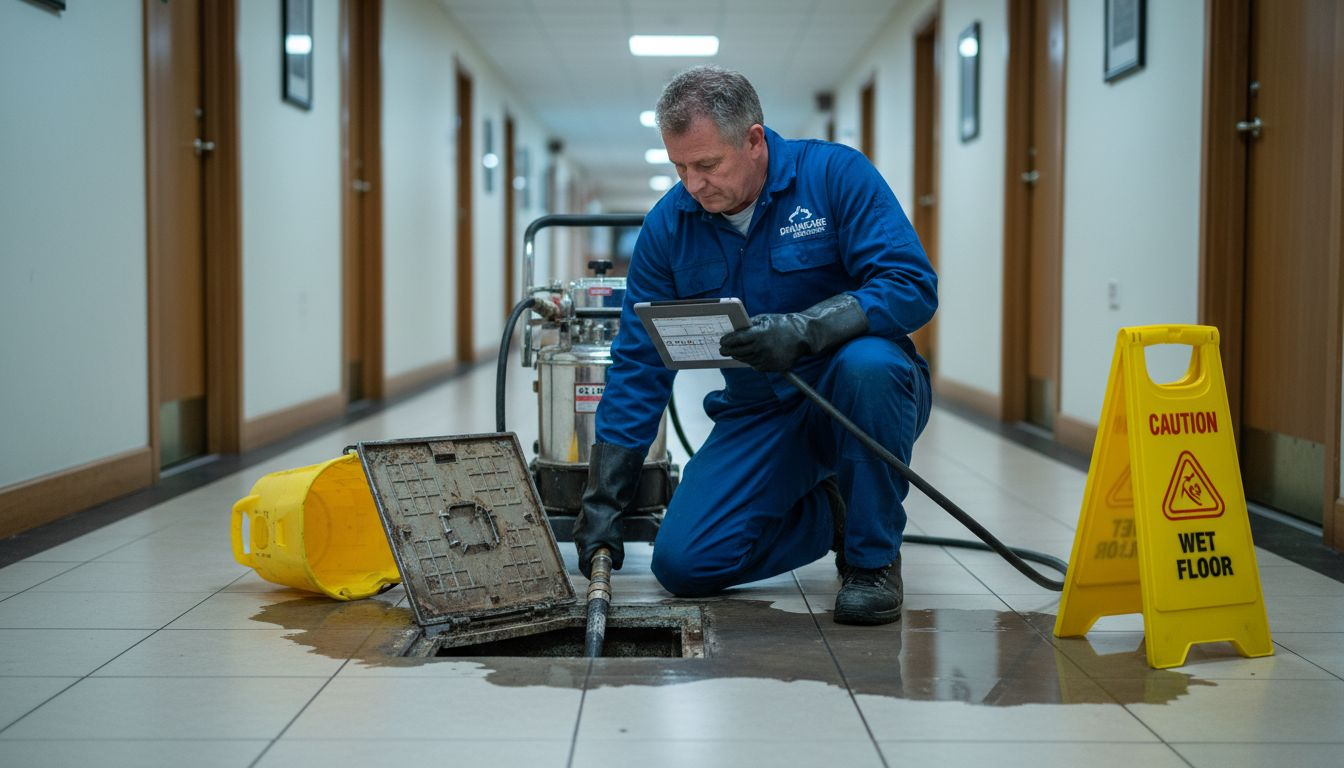
When a clogged drain threatens operations in a North London commercial property, the risk extends far beyond inconvenience. Timely intervention is crucial for maintaining tenant satisfaction and preventing costly disruptions. Understanding the critical role of professional drain cleaning helps property managers make informed decisions that safeguard their investment and compliance. This overview highlights proven methods, legal obligations, and strategic approaches to effective drain maintenance for smoother business continuity.
Table of Contents
- What Is Drain Cleaning in Businesses?
- Methods for Commercial Drain Maintenance
- Impact on Business Operations and Safety
- Legal and Health Obligations in London
- Risks, Costs, and Hiring Considerations
Key Takeaways
| Point | Details |
|---|---|
| Importance of Drain Maintenance | Regular drain maintenance is essential for preventing blockages, maintaining regulatory compliance, and ensuring workplace safety in commercial environments. |
| Utilisation of Professional Services | Engaging professional drain cleaning services can effectively address complex blockages while minimising the risk of damage to plumbing infrastructure. |
| Legal Obligations | Businesses must stay informed about health, safety, and environmental regulations to avoid legal repercussions and protect their reputation. |
| Holistic Evaluation for Service Selection | When choosing drain cleaning services, consider factors beyond cost, such as service reliability, expertise, and compliance with safety standards. |
What Is Drain Cleaning in Businesses?
Drain cleaning in businesses represents a critical maintenance procedure designed to remove blockages, prevent system failures, and maintain optimal wastewater infrastructure. At its core, the process involves systematically clearing pipes, drains, and sewage lines from accumulated debris, grease, and potential obstructions that could disrupt commercial operations.
Businesses encounter various types of drain blockages that require professional intervention. These typically include:
- Grease accumulation from commercial kitchens
- Hair and organic matter in bathroom facilities
- Mineral scale buildup in older plumbing systems
- Foreign object intrusions accidentally entering drainage networks
The methods for addressing these blockages range from mechanical to chemical approaches. Professional drain cleaning services often utilise sophisticated techniques like high-pressure water jetting and enzymatic solutions to effectively clear complex obstructions without causing pipe damage.
Here is a comparison of popular commercial drain cleaning methods and their advantages:
| Method | Typical Applications | Main Strength |
|---|---|---|
| High-pressure water jetting | Kitchen and food service drains | Removes heavy grease and debris |
| Enzymatic solutions | Drains with organic material | Gentle, pipe-friendly break down |
| Chemical cleaners | Stubborn blockages | Rapid dissolution of residues |
| Mechanical rodding | Older plumbing, recurring clogs | Effective for hard obstructions |
Chemical drain cleaners contain potent ingredients designed to break down stubborn residues. These solutions typically include enzymes and strong chemical compounds that dissolve oily substances and organic materials. However, businesses must exercise caution, as these cleaners contain corrosive chemicals that can potentially damage pipe infrastructure if not applied correctly.
Professional drain cleaning goes beyond simple blockage removal. It involves comprehensive assessment, preventative maintenance, and strategic interventions to ensure long-term drainage system health. By implementing regular cleaning protocols, businesses can prevent costly disruptions, maintain hygiene standards, and extend the lifespan of their plumbing infrastructure.
Pro tip: Schedule professional drain inspections quarterly to catch potential issues before they escalate into expensive repairs.
Methods for Commercial Drain Maintenance
Commercial drain maintenance involves a comprehensive approach to preserving the integrity and functionality of drainage systems in business environments. Unlike residential setups, commercial drainage networks face more complex challenges due to higher usage, diverse waste types, and stricter regulatory requirements.
Businesses must implement systematic maintenance strategies that include:
- Regular visual inspections of drainage infrastructure
- High-pressure water jetting to remove accumulated debris
- Periodic CCTV drainage surveys
- Professional cleaning and descaling procedures
- Proactive blockage prevention techniques
National standards now emphasise the importance of sustainable drainage system maintenance, which requires businesses to adopt more holistic approaches to drain management. These standards recommend comprehensive protocols that go beyond simple cleaning, focusing on long-term system performance and environmental considerations.
Maintenance activities typically involve routine inspections and specialised cleaning procedures. Professional drainage maintenance requires alignment with specific manufacturer guidelines, ensuring that each drainage component receives appropriate care. This might involve landscape maintenance for surface-level systems and specialist interventions for underground infrastructure.
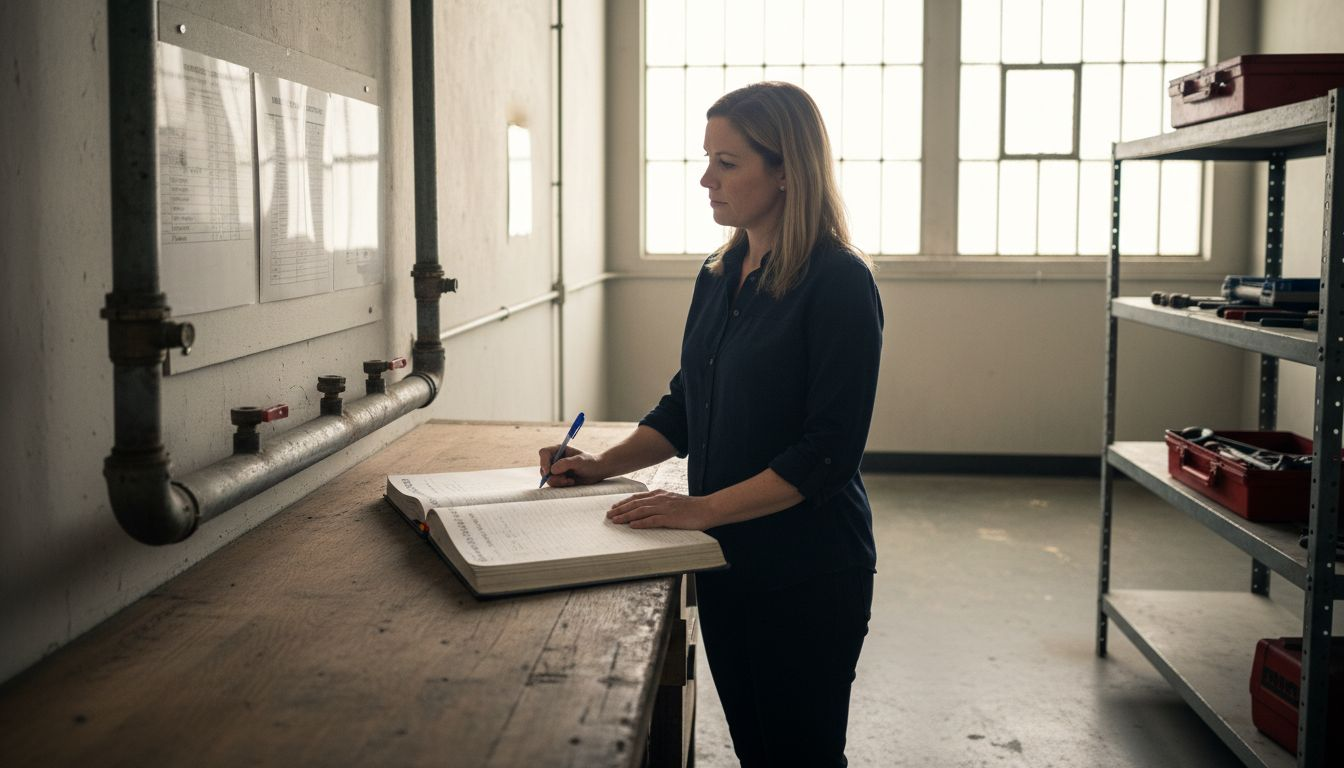
For commercial properties, drain maintenance is not just about preventing blockages but also about ensuring regulatory compliance, maintaining hygiene standards, and protecting overall infrastructure investment. By implementing systematic maintenance protocols, businesses can significantly reduce the risk of unexpected disruptions and costly emergency repairs.
Pro tip: Develop a comprehensive drain maintenance log to track inspections, cleaning activities, and potential issues for proactive management.
Impact on Business Operations and Safety
Drain failures can create catastrophic disruptions for business operations, potentially causing significant financial and operational challenges. When drainage systems malfunction, the consequences extend far beyond simple infrastructure issues, directly impacting workplace productivity, employee safety, and overall business continuity.
The primary operational risks associated with poor drainage maintenance include:
- Potential workplace health hazards
- Unexpected business interruptions
- Costly emergency repair requirements
- Potential regulatory compliance violations
- Decreased workplace hygiene standards
- Potential property damage risks
Sewer flooding represents a critical operational risk that can cause substantial disruption to business activities. Such incidents not only create immediate operational challenges but can also result in long-term reputational damage and significant financial losses.
The following table summarises key business and safety risks resulting from poor drain maintenance:
| Risk Type | Potential Impact on Business | Example Scenario |
|---|---|---|
| Hygiene hazard | Employee illness, lost productivity | Overflowing bathroom causing staff sickness |
| Emergency repairs | Unplanned expenses, downtime | Major leak needing same-day fix |
| Regulatory non-compliance | Fines and reputational harm | Failure to follow local waste rules |
| Property damage | Asset loss, costly restoration | Persistent leaks damaging flooring |
Cleaning and hygiene practices are fundamental to maintaining workplace safety, directly influencing staff morale and operational continuity. Proactive drainage maintenance ensures that businesses can prevent potential health risks, maintain regulatory compliance, and create a safe working environment.
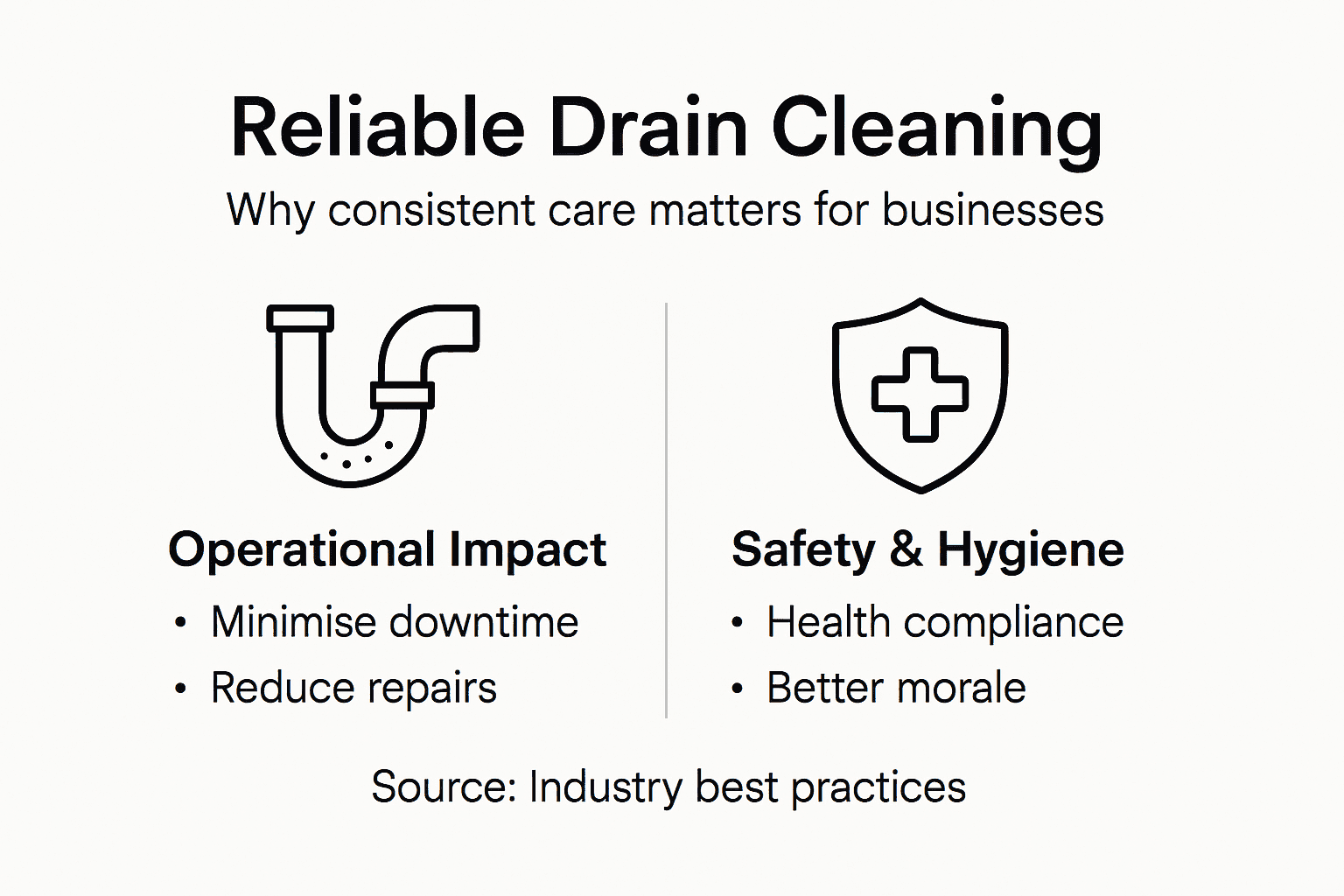
Effective drain management goes beyond simple infrastructure maintenance. It represents a strategic approach to risk mitigation, ensuring that businesses can anticipate and prevent potential disruptions before they escalate into more significant operational challenges. By implementing comprehensive drainage maintenance protocols, organisations can protect their workforce, maintain productivity, and demonstrate a commitment to workplace safety.
Pro tip: Develop a comprehensive risk assessment document that specifically addresses potential drainage-related operational disruptions.
Legal and Health Obligations in London
Businesses in London operate within a complex regulatory landscape that imposes stringent requirements for health, safety, and environmental management, particularly concerning drainage and waste systems. Understanding and implementing these legal obligations is not optional but a fundamental responsibility for commercial property managers and business owners.
Key legal compliance areas for London businesses include:
- Health and safety risk assessments
- Environmental pollution prevention
- Proper chemical storage and handling
- Drainage system maintenance protocols
- Staff safety training requirements
- Waste management regulations
Health and safety laws mandate comprehensive risk management for businesses, requiring systematic approaches to identifying and mitigating potential hazards associated with drainage and cleaning processes. This includes conducting thorough risk assessments, providing appropriate personal protective equipment, and ensuring staff receive adequate training in safe workplace practices.
UK pollution prevention regulations create strict guidelines for businesses regarding environmental protection. Companies must demonstrate proactive measures to prevent potential contamination, manage chemical usage, and maintain drainage systems that do not pose environmental risks. Non-compliance can result in significant financial penalties, legal actions, and potential business reputation damage.
Navigating these legal obligations requires a comprehensive understanding of local and national regulations. Businesses must develop robust internal protocols that not only meet legal requirements but also demonstrate a commitment to workplace safety, environmental responsibility, and sustainable operational practices. Regular audits, staff training, and proactive maintenance are essential strategies for ensuring ongoing compliance and mitigating potential legal risks.
Pro tip: Maintain a detailed compliance documentation system that tracks all drainage maintenance, risk assessments, and regulatory updates.
Risks, Costs, and Hiring Considerations
Businesses must carefully evaluate the potential risks and financial implications associated with drain cleaning services, understanding that the cheapest option is rarely the most cost-effective solution in the long term. A comprehensive approach requires balancing immediate expenses with potential long-term operational impacts and risk mitigation strategies.
Key considerations when assessing drain cleaning services include:
- Total service lifecycle costs
- Qualification and training of service personnel
- Equipment and technology capabilities
- Emergency response times
- Compliance with health and safety regulations
- Documented track record of reliability
Risk management in drain cleaning demands thorough hazard assessments, encompassing potential chemical exposures, manual handling risks, and workplace safety protocols. Businesses must prioritise providers who demonstrate comprehensive safety training, appropriate protective equipment usage, and systematic risk mitigation approaches.
The cleaning industry faces significant operational challenges, including labour shortages and increasing technological complexity. This landscape requires businesses to be strategic in service selection, weighing factors such as technological capabilities, workforce expertise, and potential long-term cost efficiencies against immediate pricing considerations.
Ultimately, selecting a drain cleaning service transcends simple price comparison. Businesses must conduct holistic evaluations that consider reliability, safety standards, technological competence, and the potential financial implications of potential service failures. Investing in a reputable, comprehensive service provider can prevent exponentially more costly operational disruptions and regulatory complications.
Pro tip: Request comprehensive service portfolios and conduct thorough reference checks before finalising any drain maintenance contract.
Reliable Drain Cleaning Solutions Tailored for Your Business Needs
The article highlights the crucial challenges businesses face with drain blockages and system failures, emphasising the need for dependable and professional drain maintenance services. Common pain points include unexpected disruptions, costly emergency repairs, and compliance with stringent health and safety standards. Terms like high-pressure water jetting, CCTV drainage surveys, and preventative maintenance feature prominently as vital components in ensuring smooth business operations and safety.
At RSJ Drains, we understand how critical reliability and rapid response are when it comes to commercial drain cleaning in Greater London. Our expert team offers 24-hour emergency support with guaranteed response within two hours, exactly what businesses need to prevent costly downtime and regulatory complications. From thorough drain inspections to advanced CCTV surveys and high-pressure water jetting, our services provide comprehensive solutions rooted in professionalism and local expertise.
Ensure your business avoids operational interruptions by partnering with a trusted drainage specialist. Visit RSJ Drains today, explore how our emergency and routine drainage services can protect your property, and arrange your next professional drain maintenance before problems escalate. Speed, reliability, and thorough repairs are just a click away.
Frequently Asked Questions
What methods are commonly used for drain cleaning in businesses?
Common methods for drain cleaning include high-pressure water jetting, enzymatic solutions, chemical cleaners, and mechanical rodding. Each method has specific applications depending on the type of blockage encountered.
How can businesses prevent drain blockages?
To prevent drain blockages, businesses should implement regular visual inspections, schedule periodic professional cleanings, and adopt proactive blockage prevention techniques, such as using grease traps in kitchens and educating staff about proper waste disposal.
What are the risks of neglecting drain maintenance in a business?
Neglecting drain maintenance can lead to severe health hazards, operational disruptions, costly emergency repairs, and potential regulatory compliance violations, all of which can significantly impact business productivity and safety.
Why is it important to hire professional drain cleaning services?
Hiring professional drain cleaning services ensures that the work is carried out by qualified personnel using proper equipment and techniques, reducing the risks of damage, ensuring compliance with regulations, and providing effective long-term solutions to drainage issues.