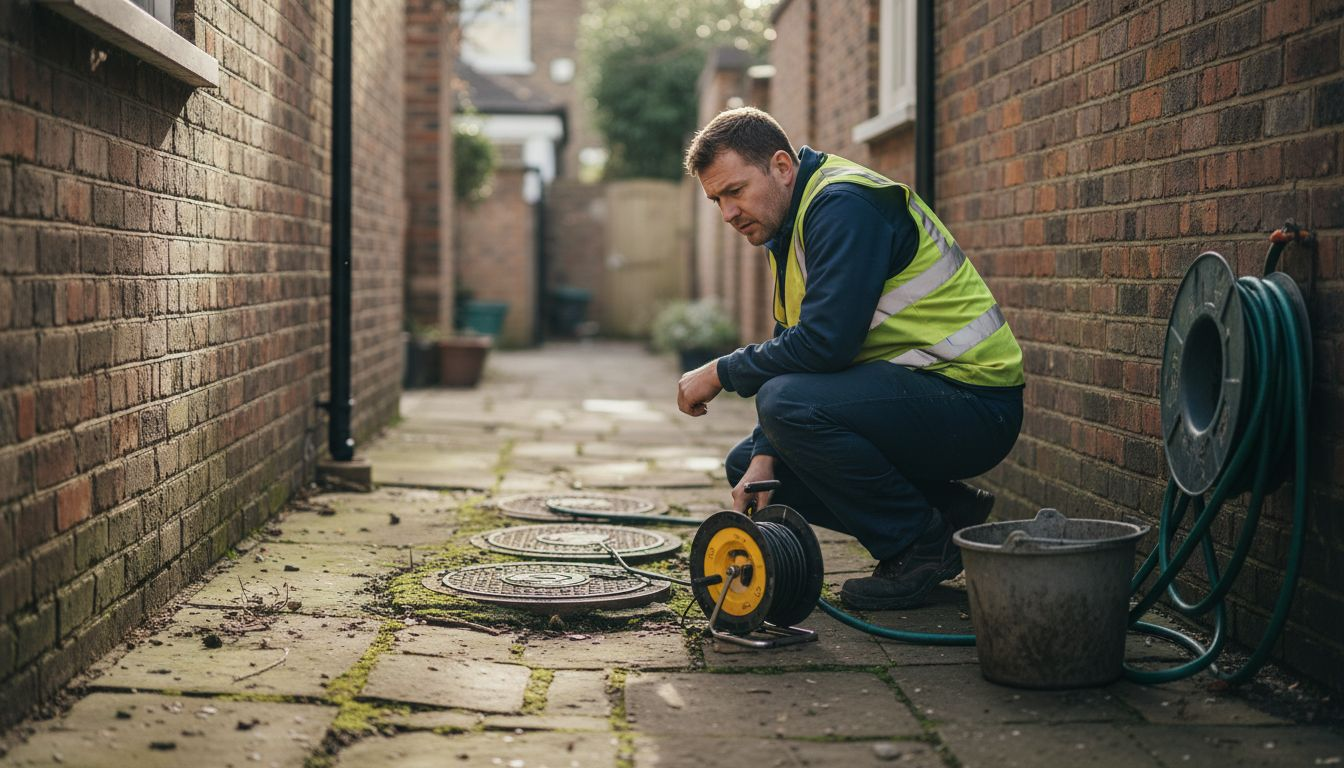
Blocked drains in North London rarely wait for a convenient time to cause trouble, often threatening gardens and foundations with untimely disruption. When urgent repairs are needed, the thought of tearing up paving or beloved landscaping is enough to make any homeowner anxious. Thankfully, modern methods like Cured-in-Place Pipe (CIPP) technology restore your drainage system’s structural integrity quickly and without excavation, meaning your property remains undisturbed while you regain peace of mind.
Table of Contents
- What Is Drain Relining And How It Works
- Common Types And Application Scenarios
- Key Benefits For Property Integrity
- Cost, Risks, And Legal Considerations
- Comparing Relining With Traditional Replacement
Key Takeaways
| Point | Details |
|---|---|
| Drain Relining Process | Utilises CCTV inspection and a resin-saturated liner to repair pipes non-invasively, minimising disruption. |
| Cost Efficiency | Typically 30-50% cheaper than traditional excavation methods, providing significant savings. |
| Long-Term Benefits | New liners last 30-40 years and improve drainage performance, reducing future maintenance costs. |
| Environmental Protection | Prevents contamination of soil and groundwater by sealing leaks, safeguarding property and neighbours. |
What Is Drain Relining and How It Works
Drain relining is a modern, non-invasive repair method that fixes damaged pipes without digging up your property. Instead of excavation, engineers insert a flexible liner into your existing drain, which is then hardened to create a new pipe inside the old one. This technology, known as Cured-in-Place Pipe (CIPP) technology, eliminates the disruption of traditional repairs whilst restoring your drainage system’s structural integrity.
The traditional approach meant tearing up gardens, driveways, and walls. Drain relining changes that equation entirely. Your neighbours won’t even notice work is happening.
How the Relining Process Works
The process follows a structured sequence to ensure quality results:
- CCTV inspection – Engineers inspect your drain using cameras to identify damage location, severity, and pipe condition
- High-pressure cleaning – The pipe is cleaned thoroughly to remove debris, roots, and buildup
- Liner insertion – A resin-saturated flexible liner is carefully inserted into the damaged pipe
- Curing – The liner is inflated and cured in place, hardening into a durable, seamless new pipe
- Final inspection – Another CCTV survey confirms the repair’s success and pipe integrity
Cured-in-Place Pipe technology restores structural integrity without excavation, allowing minimal disruption to property and environment.
What Problems Does Relining Solve?
Drain relining tackles multiple issues that plague North London properties:
- Cracked and broken pipes – Structural damage that would normally require excavation
- Root ingress – Tree roots invading pipes and causing blockages
- Leaks and seepage – Damaged sections allowing water to escape into soil
- Corrosion – Deteriorated pipe interiors losing structural strength
- Misaligned joints – Pipes that have shifted, causing water pooling and blockages
When pipes show these signs, drain inspection with CCTV cameras reveals the exact problem before any work begins.
Why Homeowners Choose Relining
The advantages extend beyond just avoiding excavation. You get a new pipe without replacing the old one entirely.
No digging means no damage to gardens, patios, or landscaping. Your property stays intact and accessible throughout the repair. The work typically completes in a single day, not weeks of disruption. The new resin-cured liner lasts 30-40 years, matching or exceeding the lifespan of traditional pipe replacement.
Costs are significantly lower than excavation-based repairs. There’s no need for heavy machinery access, soil removal, or restoration work afterwards.
The Seamless Inner Pipe
Once cured, the liner becomes a smooth, hard pipe inside your existing drain. This new surface is stronger than the original pipe and resists future damage.
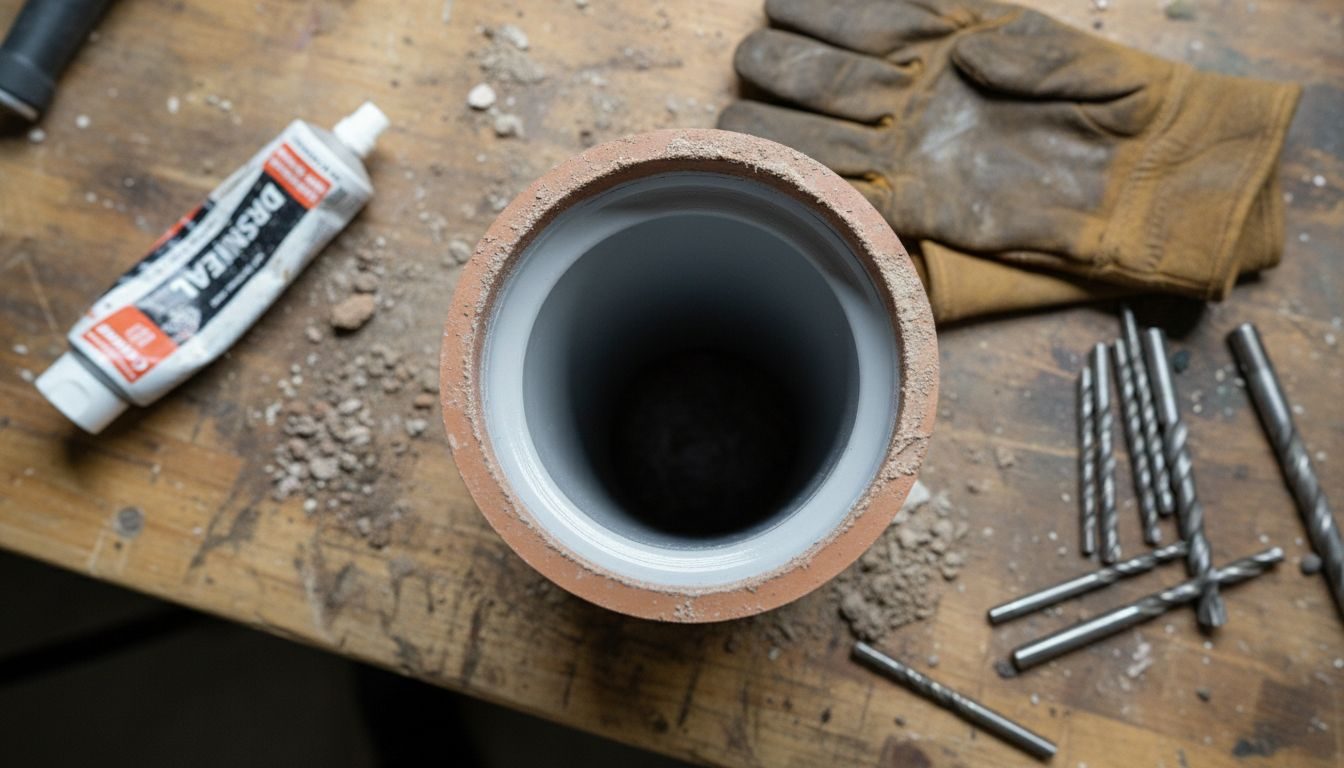
The seamless nature means roots cannot penetrate joints. Debris cannot lodge in cracks. Water flows freely without obstruction. This creates a drainage system that performs better than before the damage occurred.
Pro tip: Request a CCTV inspection before committing to any drain repair—you’ll know exactly what you’re paying for and avoid unnecessary work on sections that remain sound.
Common Types and Application Scenarios
Not all drain damage requires the same solution. The relining method your surveyor recommends depends on what the CCTV survey reveals. Three primary techniques dominate drain repair: full-pipe relining, patch repairs, and resin injection. Each tackles different problems with varying levels of disruption and cost.
Full-Pipe Relining with CIPP
Cured-in-Place Pipe (CIPP) handles extensive damage across long pipe sections. This is your go-to when cracking, corrosion, or root ingress affects substantial stretches of drainage.
The method works perfectly for:
- Continuous damage spanning multiple metres
- Pipes with multiple cracks or fractures
- Severely corroded cast iron or clay pipes
- Properties where excavation proves impossible (e.g., under buildings, roads)
Full relining takes longer than patch work but creates a completely renewed pipe interior. Your new drainage system essentially starts fresh.
Patch Repairs for Localised Damage
Patch repairs focus on localised defects such as holes or joint leaks. When damage affects only a small section and surrounding pipe remains sound, patching offers a quick, economical fix.
Patch repairs suit:
- Single cracks or holes
- Broken joints between pipe sections
- Localised root penetration
- Minor structural damage in otherwise good pipes
This approach completes faster and costs considerably less than full relining. You’re essentially fixing the problem rather than replacing the entire system.
Resin Injection for Spot Problems
Resin injection seals specific leaks at manholes, culverts, and other confined areas. This method injects resin directly into problem zones, hardening on contact to block water escape.
Resin injection handles:
- Leaking manhole joints
- Seepage at pipe connections
- Minor cracks where water escapes but structure remains intact
- Hard-to-access problem areas
Different damage requires different solutions—your surveyor will recommend the technique that solves your specific problem most efficiently and cost-effectively.
Real-World North London Scenarios
Older North London properties often present mixed problems. A Victorian terraced house might need full relining of main drains but only patches on branch pipes. A commercial property with heavy root ingress benefits from CIPP on main sections combined with targeted resin sealing at vulnerable joints.
The key is accurate diagnosis. CCTV inspection reveals exactly what needs fixing, preventing unnecessary work on pipes that still function perfectly.
Choosing Your Solution
Your drainage engineer considers three factors: damage extent, pipe accessibility, and budget. Extensive damage demands full relining. Small localised problems respond to patching. Difficult-to-reach leaks suit resin injection.
You might need a combination approach. Some properties benefit from full relining on main drains and patches on secondary lines—getting maximum protection at reasonable cost.
Here is a comparison of the three primary drain relining techniques:
| Method | Ideal For | Duration | Cost Impact |
|---|---|---|---|
| Full-Pipe Relining | Extensive, widespread damage | 1-2 days | Highest upfront |
| Patch Repair | Small, isolated pipe defects | A few hours | Lowest cost |
| Resin Injection | Localised leaks, tight spaces | Less than 1 day | Moderate cost |
Pro tip: Ask your surveyor which relining method they recommend and why—understanding their reasoning helps you make confident decisions about your drainage investment.
Key Benefits for Property Integrity
Drain relining protects your home’s structural foundations in ways traditional excavation repairs cannot match. By sealing damaged pipes from the inside, relining prevents water from escaping into surrounding soil, which otherwise causes foundation shifts, subsidence, and costly structural damage. Your property stays protected without the trauma of digging.
Protecting Foundations and Soil
Leaking drains allow water to seep into soil surrounding your property’s foundations. Over time, this saturation weakens the ground, causing uneven settlement and structural cracking.
Relining stops this damage by:
- Creating a watertight seal that prevents leakage into soil
- Eliminating soil erosion around foundation perimeters
- Reducing hydrostatic pressure on basement walls
- Preventing subsidence caused by ground collapse around old pipes
Once relined, your drainage system contains water safely, keeping surrounding soil stable and your foundations secure.
Preventing Contamination and Environmental Damage
Relining damaged drains prevents polluting leaks into garden soil or groundwater. Broken pipes leak raw sewage directly into earth, contaminating your garden and affecting neighbours’ properties. This creates health risks and potential legal liability.
Sealing pipes protects:
- Your garden’s usability and plant health
- Groundwater from sewage contamination
- Neighbours from cross-contamination
- Your property from environmental cleanup costs
A properly relined drainage system keeps waste contained where it belongs—in the pipe, heading safely to treatment facilities.
Preserving Building Fabric
Traditional excavation tears up gardens, driveways, and pathways. Even careful restoration never quite returns properties to original condition. Relining avoids this entirely.
Drain relining maintains property integrity by reinforcing ageing systems without disruptive excavation. Your Victorian terrace, Georgian townhouse, or modern extension stays intact. Mature gardens remain undisturbed. Listed properties avoid the complications of obtaining excavation permits.
A relined drain system performs better than the original whilst preserving your property’s fabric, appearance, and value.
Improving Long-Term Performance
The new resin liner creates a smooth interior surface that outperforms corroded original pipes. Water flows more freely. Debris cannot catch on cracks. Roots cannot penetrate joints.
This improved performance means:
- Fewer blockages and less maintenance needed
- Better drainage flow rates
- 30-40 year lifespan matching or exceeding original pipes
- Reduced future repair costs
You’re not just fixing the problem—you’re upgrading your drainage system’s performance for decades ahead.
Property Value Considerations
Prospective buyers want to know drainage works reliably. A property with recently relined drains backed by warranties provides confidence. Failed or failing drainage deters buyers and reduces property value significantly.
Relining creates documented proof your drainage is sound, making your property more attractive and valuable.
Pro tip: Keep your CCTV survey report and relining completion certificate with your property documentation—future owners and surveyors will value this proof of proper maintenance and repair.
Cost, Risks, and Legal Considerations
Drain relining costs less than excavation-based repairs, but understanding your financial, legal, and ownership responsibilities prevents expensive surprises. The method you choose affects your wallet, your property’s legal status, and your obligations to regulatory bodies. Getting this right matters.
Understanding Ownership and Responsibility
Property owners are usually responsible for repairs and maintenance of drains within their property boundaries. If the damaged section lies entirely on your property, you bear the repair cost. Shared drains between properties create shared responsibility and potentially shared costs.
Check your property deeds or contact your local water company to confirm:
- Which sections of drain you own
- Whether adjoining properties share responsibility
- Who maintains shared sections
- Whether the water company owns any sections
This clarity prevents disputes when invoices arrive.
Cost Advantages of Relining
Relining typically costs 30-50% less than traditional excavation repairs. You avoid charges for:
- Ground excavation and digging
- Restoration of gardens, patios, or driveways
- Temporary access arrangements
- Extended project timescales
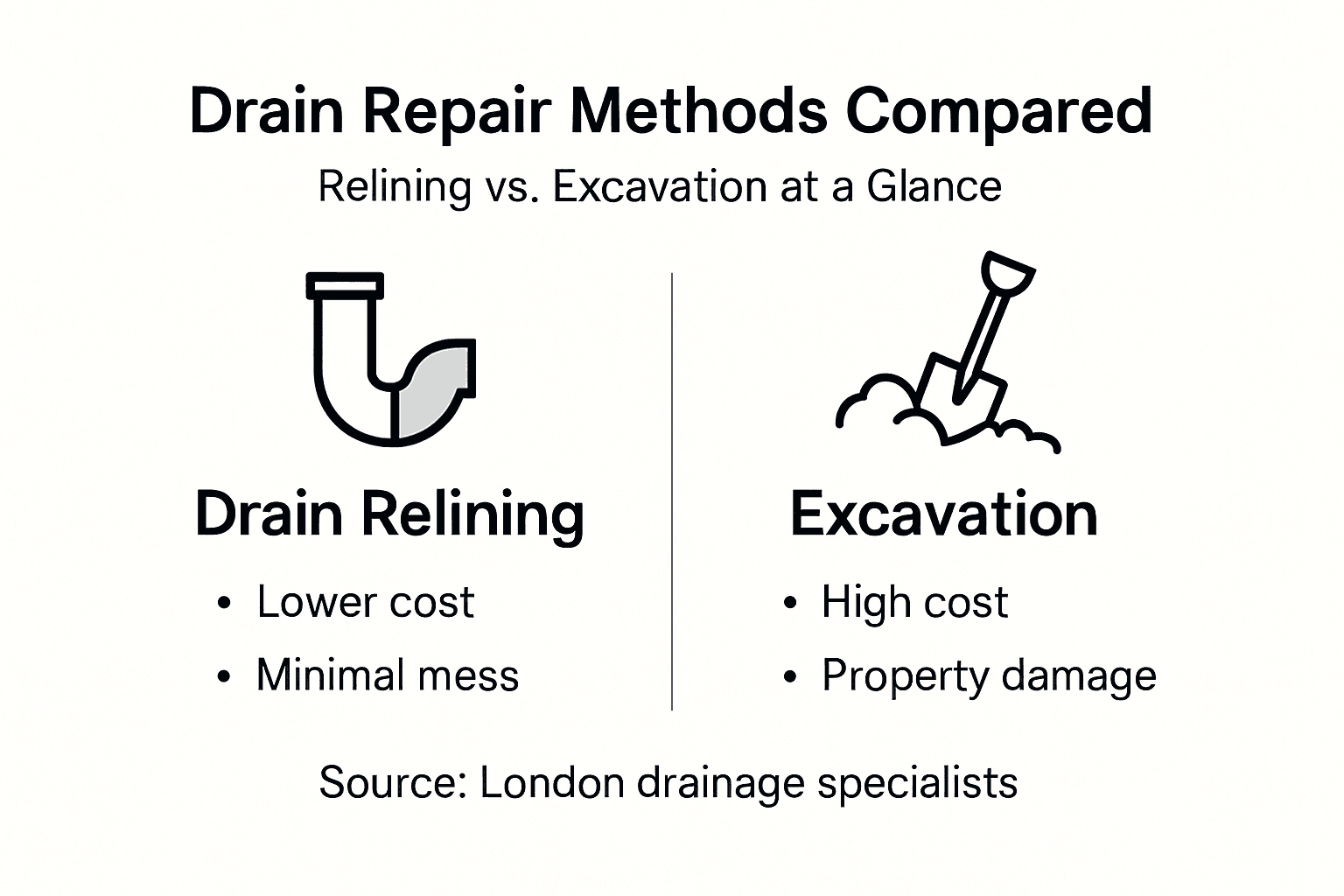
A full relining might cost £3,000-£8,000 depending on pipe length and accessibility. Excavation of the same section could exceed £15,000 once restoration costs are included. The savings are substantial.
Risks to Consider
Relining works brilliantly when done correctly but fails if improperly installed or incompletely cured. Risk factors include:
- Inadequate pipe cleaning before liner insertion
- Improper curing that leaves weak spots
- Incorrect liner sizing for the pipe diameter
- Undetected underlying structural issues
These risks disappear when you use qualified professionals with proper equipment and quality assurance. Cheaper contractors cutting corners create expensive problems later.
Professional installation with certification protects you legally and practically, ensuring your relining investment performs for decades.
Building Regulations and Permissions
Drain repairs require compliance with local building control regulations. Most relining work falls under permitted development, but you must notify relevant authorities.
You typically need:
- Building control notification before work begins
- Water company notification for public sewer connections
- Completion certification once work finishes
- Documentation of CCTV inspections and relining specifications
Skipping these steps creates legal liability and complicates future property sales.
Landlord and Tenant Considerations
Legal considerations around drain repairs depend on drain ownership and tenancy agreements. Landlords must maintain drains in rental properties, but tenancy agreements determine who pays for emergency repairs versus wear-and-tear maintenance.
Tenant-caused damage (roots from planted trees, flushed non-biodegradable items) might pass costs to the tenant. Normal deterioration remains the landlord’s responsibility. Clear agreements prevent disputes.
Insurance and Warranties
Reputable relining contractors provide warranties covering their workmanship (typically 5-10 years). Check whether your home insurance covers relining work or whether the contractor’s insurance covers damage during installation.
Request written warranties documenting:
- Workmanship guarantees
- Material quality specifications
- Completion certification
- CCTV survey evidence
Pro tip: Before hiring any drainage contractor, confirm they hold professional indemnity insurance, building regulation certification, and provide written warranties—these three factors protect you legally and financially.
Comparing Relining With Traditional Replacement
When your drains fail, you face two paths: relining the existing pipe or digging it out and replacing it entirely. Each approach has distinct advantages and limitations. Understanding the trade-offs helps you choose the right solution for your situation.
The Traditional Excavation Approach
Traditional replacement means excavating the damaged pipe section, removing it completely, and installing new pipework. This method works for severely damaged pipes but creates significant disruption.
Excavation involves:
- Digging trenches through gardens, patios, or driveways
- Breaking up hard surfaces that must be restored afterwards
- Clearing soil and debris from the site
- Disposing of removed pipe materials
- Reinstalling landscaping or surfaces
The work typically takes 5-14 days depending on pipe length and site complexity. Your property resembles a construction site throughout.
Why Relining Wins on Disruption
Drain relining offers significant advantages over traditional replacement, such as minimal excavation, reduced disruption, and quicker installation. No digging means your property stays intact. Work completes in one day. Neighbours barely notice anything happening.
Relining advantages include:
- Zero excavation or digging required
- No damage to gardens, drives, or patios
- Completion in a single day
- Minimal mess and noise
- Immediate return to normal use
- Lower labour costs
- Reduced environmental impact
For most London homeowners, this difference alone justifies choosing relining.
Cost Comparison
Relining costs roughly half what traditional replacement charges. A typical relining project costs £3,000-£8,000. The same pipe replaced traditionally costs £10,000-£20,000 including restoration work.
Hidden excavation costs include:
- Specialist equipment hire and operation
- Site management and temporary fencing
- Landscaping restoration or new paving
- Contingency work for unexpected issues
- Extended project timescales increasing labour costs
Relining eliminates nearly all these expenses.
Below is a summary of cost and disruption differences between drain relining and traditional replacement:
| Factor | Relining | Traditional Replacement |
|---|---|---|
| Property Disruption | Minimal to none | Significant, disruptive |
| Typical Duration | 1 day | 5–14 days |
| Approximate Cost | £3,000–£8,000 | £10,000–£20,000 |
| Surface Impact | No restoration needed | Restoration required |
Relining provides a new pipe inside your old one, performing better than the original whilst costing a fraction of traditional replacement.
When Traditional Replacement Is Necessary
Relining cannot fix every problem. Traditional replacement becomes mandatory when:
- Pipes are completely collapsed and cannot hold a liner
- You need to alter pipe diameter or routing
- Existing pipes are too small for modern demands
- Relining assessment reveals structural failure beyond repair
- Multiple pipe sections need replacement
Your CCTV survey determines whether relining is feasible. If the pipe structure remains sound, relining works. If it has collapsed, traditional replacement is the only option.
Installation Speed and Practicality
Drain relining is typically faster and causes less mess, often allowing quicker return to use compared to traditional methods. Most relining completes within 24 hours from inspection to final testing.
Traditional replacement stretches across weeks. Excavation alone takes days. Pipe removal, installation, and ground restoration multiply the timeline. Your property remains disrupted throughout.
For busy North London properties, this speed difference matters significantly.
Making Your Decision
Start with a professional CCTV inspection. This survey reveals whether your pipes suit relining or require traditional replacement. There is no guesswork. You receive clear recommendations based on actual pipe condition.
If relining is viable, choose it. You get a new pipe at half the cost with zero disruption. If your pipes need replacement, traditional methods ensure the job is done properly.
Pro tip: Request a detailed CCTV report with the surveyor’s specific recommendation—this removes uncertainty and helps you budget accurately for the chosen repair method.
Protect Your London Home with Expert Drain Relining Solutions
Dealing with cracked or leaking drains can feel overwhelming, especially when traditional repairs mean digging up your garden or driveway. Drain relining offers a modern, less invasive way to restore your pipes’ integrity quickly and effectively. If you’re facing issues like root ingress, corrosion, or leaking pipes, professional CCTV inspections and relining using advanced Cured-in-Place Pipe technology are essential to prevent costly foundation damage and contamination.
Trust RSJ Drains, a family-run drainage expert committed to rapid response and high-quality repairs across Greater London. With comprehensive services including detailed CCTV surveys, emergency drain repairs, and efficient drain relining, RSJ Drains ensures minimal disruption to your property and a solution designed to last decades. Don’t wait for pipe damage to worsen – act now and secure your home with trusted professionals. Visit RSJ Drains to arrange your expert drain inspection and experience seamless relining repairs today.
Frequently Asked Questions
What is drain relining?
Drain relining is a modern, non-invasive method of repairing damaged pipes by inserting a flexible liner that is cured in place, creating a new pipe within the old one without the need for excavation.
How does the drain relining process work?
The drain relining process involves a CCTV inspection to assess damage, high-pressure cleaning of the pipes, insertion of a resin-saturated liner, curing the liner in place, and a final inspection to confirm the repair’s success.
What issues can drain relining solve?
Drain relining can address various problems such as cracked or broken pipes, root ingress, leaks, corrosion, and misaligned joints, effectively restoring the functionality of drainage systems.
How long can I expect a drain liner to last?
A properly installed resin-cured drain liner can last between 30 to 40 years, often matching or exceeding the lifespan of traditional pipe materials, making it a durable solution for drainage issues.