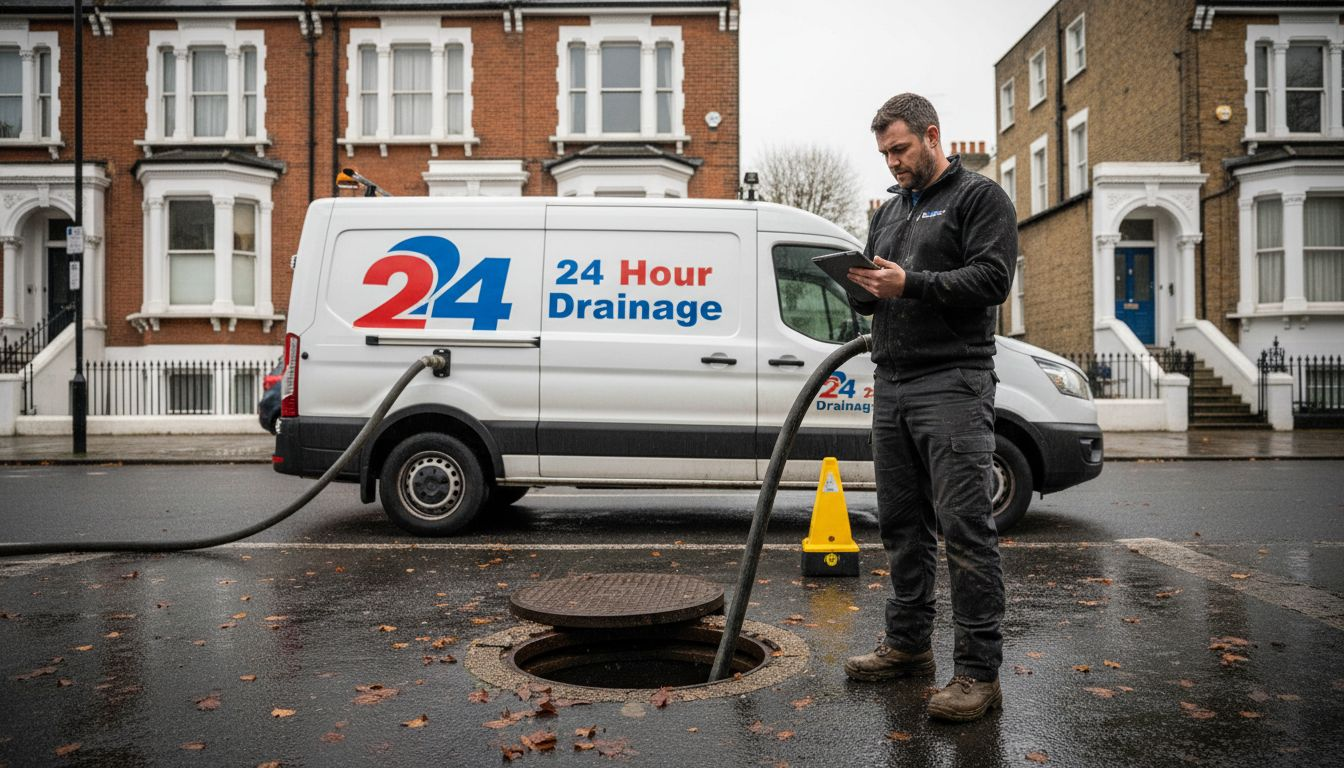
Blocked pipes or sudden water backflow can turn your North London property into a stressful scene within minutes. Reliable emergency drainage services are vital when unexpected flooding or sewage issues threaten your home, family or tenants. With drainage emergencies requiring immediate decisions and quick action, knowing what to expect from rapid response experts gives you confidence and helps prevent serious damage. Discover how thorough inspections and expert repairs restore safety and peace of mind during urgent drainage situations.
Table of Contents
- Emergency Drainage Services Explained
- Types Of Urgent Drainage Emergencies
- How Rapid Response Prevents Damage
- Key Techniques And Diagnostic Tools
- Health, Safety And Legal Implications
- Costs, Common Mistakes And Prevention
Key Takeaways
| Point | Details |
|---|---|
| Emergency drainage services are essential | They provide rapid solutions to urgent drainage issues, protecting properties from significant damage and health risks. |
| Understanding types of drainage emergencies is crucial | Recognising potential risks, such as severe blockages and flooding, allows for swift action to mitigate damage. |
| Rapid response can prevent severe damage | Immediate intervention can minimise property impact and associated repair costs significantly. |
| Regular maintenance helps avoid emergencies | Proactive inspections and cleaning can prevent small problems from escalating into costly emergencies. |
Emergency drainage services explained
Emergency drainage services represent critical interventions designed to rapidly address urgent plumbing and drainage challenges across London’s residential and commercial properties. These specialised services focus on providing immediate solutions to complex drainage issues that could potentially cause significant property damage or health risks.
When considering emergency drainage needs, property owners must understand the range of potential problems that demand rapid response. Sustainable drainage systems play a crucial role in managing unexpected water runoff and preventing infrastructure damage. The primary objectives of these services include:
- Rapid blockage removal
- High-pressure water jetting
- CCTV drainage investigations
- Immediate pipe repair and relining
- Prevention of potential water damage
Emergency drainage professionals utilise sophisticated diagnostic tools and techniques to quickly identify and resolve complex drainage challenges. These might include identifying hidden pipe fractures, removing stubborn blockages, or addressing potential sewage system failures that could compromise property integrity.
Proper drainage emergency response involves multiple strategic steps, starting with rapid assessment and ending with comprehensive repair. Technicians typically conduct thorough initial inspections using advanced camera technologies to pinpoint exact problem locations, enabling precise and efficient interventions.
Here’s a summary of critical differences between residential and commercial emergency drainage services in London:
| Aspect | Residential Properties | Commercial Properties |
|---|---|---|
| Typical Response Time | Within 2-4 hours | Often under 2 hours |
| Diagnostic Focus | Localised blockages, pipe damage | Network-wide inspections, compliance |
| Complexity of Issues | Often simpler, isolated problems | Multi-system failures, larger scale |
| Legal Requirements | Basic home regulations | Enhanced health & safety compliance |
Pro tip: Always maintain a record of your property’s drainage history to help emergency technicians diagnose issues more quickly and accurately.
Types of urgent drainage emergencies
Drainage emergencies can strike unexpectedly, causing significant disruption and potential damage to residential and commercial properties across London. Understanding the various types of urgent drainage incidents helps property owners recognise potential risks and take swift action before situations escalate.
The most critical drainage emergencies typically fall into several key categories:
- Severe blockages: Complete pipe obstructions preventing water flow
- Sewage backups: Dangerous waste system failures
- Structural pipe damage: Cracked or collapsed drainage infrastructure
- Root intrusion: Underground pipe systems compromised by tree root penetration
- Flooding risks: Water accumulation threatening property foundations
Different emergency scenarios require unique diagnostic and repair approaches. Flood-related drainage emergencies, for instance, can be particularly complex. The Environment Agency categorises these incidents into multiple risk levels:
- Flood alerts (potential flooding possibility)
- Flood warnings (expected flooding imminent)
- Severe flood warnings (immediate danger to life and property)
Each category demands a specific emergency response strategy, highlighting the importance of professional drainage technicians who can rapidly assess and mitigate potential risks.
Pro tip: Keep emergency drainage service contact details readily accessible and document any recurring drainage issues to help technicians diagnose problems more efficiently.
How rapid response prevents damage
In the complex world of drainage emergencies, time is the most critical factor in preventing extensive property damage. Emergency response strategies play a pivotal role in mitigating potential catastrophic consequences that can arise from delayed interventions.
Rapid response mechanisms are essential for minimising damage through several key strategies:
- Immediate leak containment: Stopping water spread quickly
- Structural protection: Preventing foundation and building material deterioration
- Mould prevention: Reducing potential health hazards
- Infrastructure preservation: Minimising long-term drainage system damage
- Cost reduction: Preventing escalating repair expenses
Professional drainage technicians understand that each minute matters when addressing emergencies. Water can cause exponential damage within extremely short timeframes, with potential consequences including:
- Structural weakening of building foundations
- Electrical system compromises
- Irreversible material degradation
- Potential health risks from contamination
- Significant financial repair investments
The Local Government Association emphasises that comprehensive emergency preparedness involves not just rapid response, but strategic planning and immediate targeted interventions that address specific drainage challenges effectively.
Pro tip: Create a digital emergency contact document with drainage service details and store it on multiple devices for instant access during urgent situations.
Key techniques and diagnostic tools
Professional drainage services employ sophisticated diagnostic techniques to identify and resolve complex drainage challenges. Sustainable drainage system standards provide comprehensive frameworks for implementing cutting-edge inspection and repair methodologies.
The most advanced diagnostic tools used by drainage professionals include:
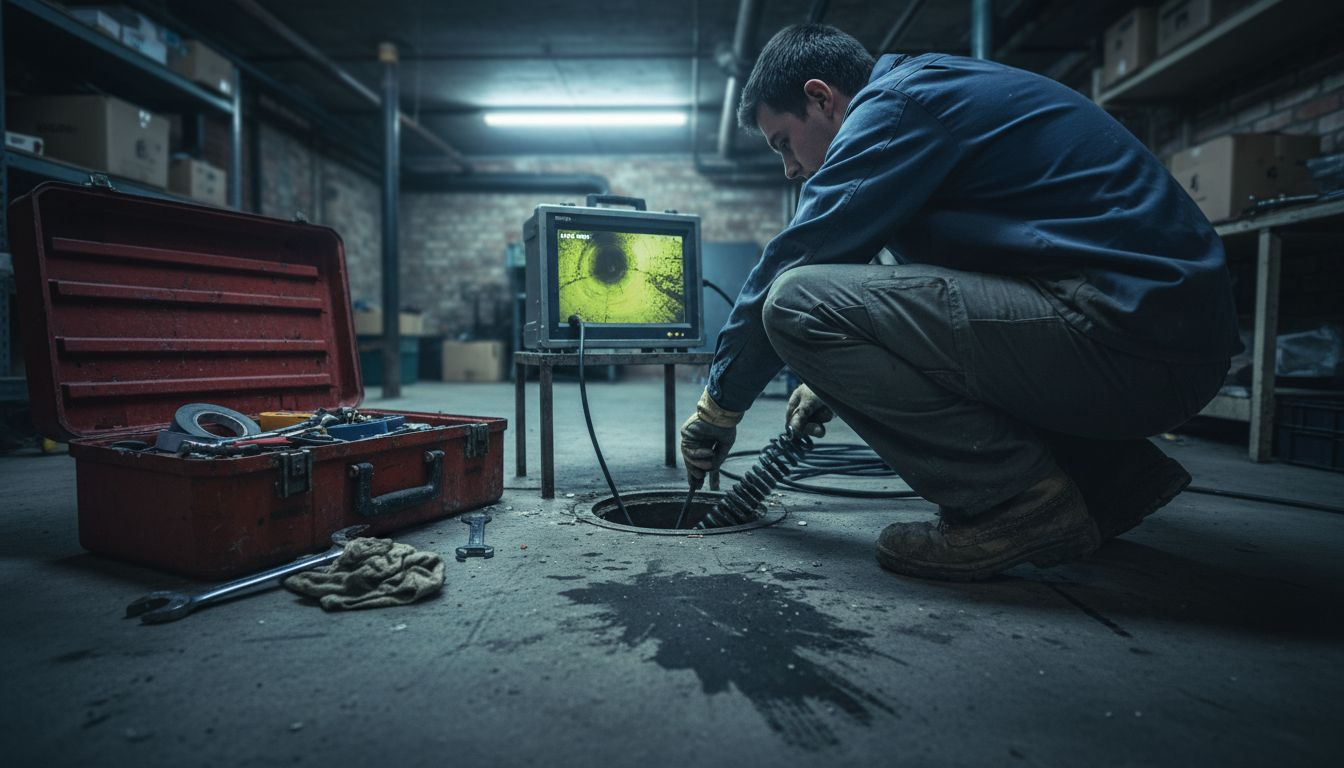
- CCTV drain cameras: High-resolution underground pipe inspection
- Thermal imaging: Detecting hidden moisture and pipe temperature variations
- Acoustic listening devices: Identifying underground pipe leaks and blockages
- Pressure testing equipment: Measuring system integrity and potential weaknesses
- Digital mapping technologies: Creating precise drainage infrastructure visualisations
Drainage experts follow systematic diagnostic processes to ensure comprehensive problem identification:
- Initial site assessment and visual inspection
- Non-invasive technological scanning
- Detailed data analysis
- Targeted intervention strategy development
- Precision repair or maintenance execution
These sophisticated approaches enable technicians to pinpoint exact drainage issues with remarkable accuracy, preventing unnecessary invasive interventions and minimising potential property damage.
Pro tip: Request a comprehensive digital report from your drainage technician after each inspection to maintain a detailed record of your property’s drainage system health.
Health, safety and legal implications
Drainage emergencies extend far beyond simple infrastructure challenges, encompassing significant health and safety considerations that demand professional expertise. Emergency response protocols provide critical frameworks for managing potential risks associated with drainage system failures.
Key health and safety concerns in drainage emergencies include:
- Contamination risks: Potential exposure to harmful bacteria
- Structural hazards: Compromised building foundations
- Electrical dangers: Water proximity to electrical systems
- Mould growth potential: Long-term health implications
- Slip and fall risks: Wet surfaces creating immediate physical dangers
Legal implications for property owners and drainage service providers involve multiple critical compliance requirements:
- Adherence to Building Regulations standards
- Maintaining proper insurance documentation
- Ensuring technician safety protocols
- Documenting emergency interventions
- Reporting significant infrastructure damages
Understanding the complex landscape of drainage emergency regulations requires comprehensive knowledge of both health and safety standards. Compliance involves not just immediate problem resolution, but also systematic documentation and preventative planning.
For quick reference, here are some regulatory bodies and standards affecting emergency drainage operations:
| Organisation/Standard | Role in Drainage Emergencies | Contact Resource/Support |
|---|---|---|
| Environment Agency | Flood risk management, emergency alerts | Flood hotline, online guidance |
| Local Government Association | Emergency response planning, coordination | Local council emergency line |
| Building Regulations (UK) | Minimum safety requirements for repairs | Gov.uk building safety resources |
| Health and Safety Executive (HSE) | Worker safety, contamination controls | HSE advice services |
Pro tip: Maintain a comprehensive emergency response document detailing potential drainage risks specific to your property, including contact information for professional drainage services.
Costs, common mistakes and prevention
Drainage maintenance represents a critical investment in property infrastructure, where preventative strategies can significantly reduce long-term financial burdens. Preventative drainage approaches demonstrate substantial economic benefits by minimising emergency intervention costs.
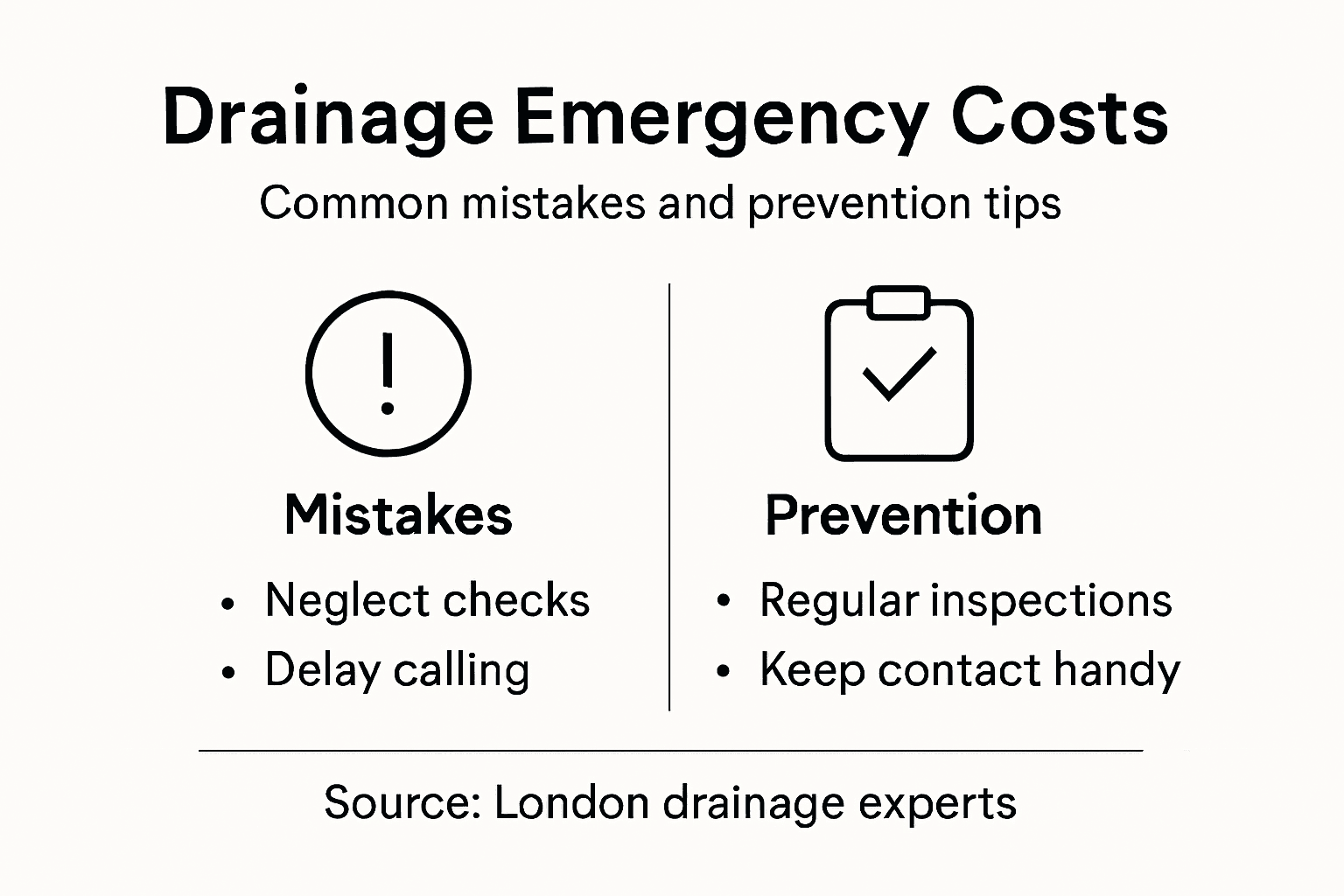
Common drainage maintenance mistakes that escalate expenses include:
- Delayed inspections: Allowing minor issues to develop into major repairs
- Inadequate cleaning: Neglecting routine pipe and drainage system maintenance
- Ignoring warning signs: Overlooking early indicators of potential drainage problems
- DIY repairs: Attempting complex interventions without professional expertise
- Poor record-keeping: Failing to document drainage system history and interventions
Cost management in drainage maintenance involves strategic preventative measures:
- Regular professional drainage system assessments
- Implementing proactive cleaning schedules
- Addressing minor issues before they escalate
- Maintaining comprehensive maintenance documentation
- Investing in professional diagnostic technologies
Understanding the financial implications of drainage maintenance requires a holistic approach that balances immediate intervention costs with potential long-term infrastructure preservation.
Pro tip: Create an annual drainage maintenance budget that includes professional inspections and potential emergency fund allocations to mitigate unexpected repair expenses.
Rapid Emergency Drainage Solutions Tailored for London Properties
When faced with urgent drainage problems like severe blockages or structural pipe damage, swift action is crucial to protect your property from costly damage and health hazards. If you are experiencing an emergency drainage issue in London, RSJ Drains combines expert CCTV drainage surveys, high-pressure jetting, and precise repair methods to deliver a rapid, reliable response. Their family-run, locally based team guarantees arrival within two hours to tackle complex problems such as cracked drains and sewage backups before they escalate.
Essential benefits RSJ Drains offers include:
- 24-hour emergency response with expert diagnostics
- Comprehensive drain inspections and relining services
- Dedicated solutions for residential and commercial properties
Don’t wait for minor issues to become serious emergencies. Protect your property by contacting RSJ Drains today. Benefit from trusted professionals who understand the nuances of London’s drainage challenges. Act now for peace of mind with your drainage emergencies resolved quickly and safely. Explore detailed services and customer reviews at RSJ Drains drainage solutions and get the expert help you need immediately.
Frequently Asked Questions
What are emergency drainage services?
Emergency drainage services involve rapid interventions to address urgent plumbing and drainage issues, such as severe blockages, sewage backups, or structural pipe damage, to prevent property damage or health risks.
How quickly can I expect a response from emergency drainage services?
Emergency drainage services typically respond within 2-4 hours for residential properties and often under 2 hours for commercial properties, depending on the severity of the situation.
What diagnostic tools are used in emergency drainage services?
Professionals utilise advanced diagnostic tools such as CCTV drain cameras, thermal imaging, and acoustic listening devices to accurately identify and resolve drainage problems without invasive procedures.
How can I prevent drainage emergencies in my property?
Regularly maintaining your drainage system through professional inspections, cleaning schedules, and promptly addressing early warning signs can significantly reduce the likelihood of emergencies and associated repair costs.