Drainage problems can transform your peaceful home into a stressful environment faster than you think. From persistent bad smells to slow flushing toilets, these warning signs often show that something is not quite right beneath the surface. Knowing what causes these issues and understanding your responsibilities as a homeowner is the first step to protecting your property from costly damage and unpleasant surprises.
This guide gives you practical solutions that tackle real drainage challenges, from clearing stubborn blockages to smart prevention tactics. With actionable insights and tips, you will learn how to identify problems early, address repairs safely, and make informed maintenance choices. Discover proven strategies that can help you keep your drainage system running smoothly and avoid those unexpected emergencies.
Table of Contents
- Identifying Blocked Drains And Effective Clearing
- Repairing Broken Or Cracked Pipes Safely
- Conducting Cctv Drain Surveys For Accurate Diagnosis
- Drain Relining As A No-Dig Repair Solution
- High-Pressure Water Jetting For Tough Blockages
- Replacing Damaged Manhole Covers And Chambers
- Installing Rat Gates To Prevent Infestations
Quick Summary
| Key Message | Explanation |
|---|---|
| 1. Early detection prevents emergencies | Be vigilant for slow drains or unusual odours to catch blockages before they escalate into serious issues. |
| 2. Regular maintenance is cost-effective | Implementing simple preventative measures can save money and avoid the hassle of emergency repairs. |
| 3. Professional inspections enhance safety | Schedule CCTV surveys every few years to proactively identify drainage problems and ensure system integrity. |
| 4. Consider drain relining for minimal disruption | Drain relining provides a no-dig solution for repairing pipes, ensuring minimal disturbance to your property. |
| 5. Install rat gates to prevent infestations | Rat gates protect drainage systems from rodent entry, reducing health risks and maintaining home safety. |
1. Identifying Blocked Drains and Effective Clearing
Blocked drains are a common household nightmare that can quickly escalate from a minor inconvenience to a serious plumbing emergency. Understanding how to identify and address these blockages early can save homeowners significant time and expense.
Homeowners should be alert to several key warning signs that indicate a developing drain blockage:
- Slow drainage in sinks, showers, or toilets
- Unpleasant sewage odours emanating from plugholes
- Gurgling sounds when water tries to drain
- Water backing up in unexpected locations
- Unusual water levels in toilet bowls
The primary culprits behind most blockages are everyday household waste. blocked drain services in North London frequently encounter issues caused by:
- Grease and cooking fat buildups
- Food scraps and organic debris
- Hair and soap residue
- Non-biodegradable items flushed accidentally
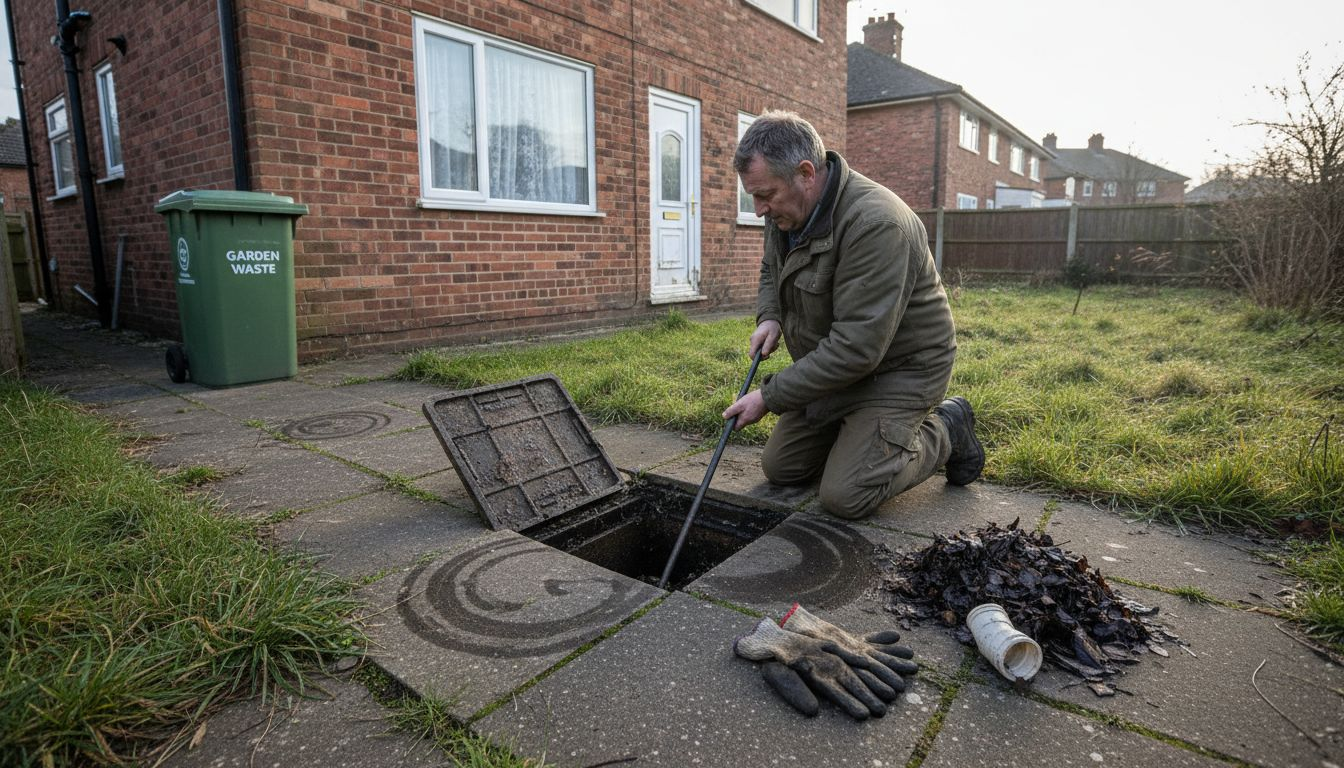
Effective clearing techniques range from simple home methods to professional interventions. For minor blockages, homeowners can try using a plunger or drain rod to dislodge the obstruction. High-pressure water jetting can also be an effective technique for more stubborn blockages.
Prevention is always more cost-effective than emergency repairs when it comes to drainage systems.
Preventative maintenance is crucial in avoiding severe drain blockages. Implementing simple strategies can significantly reduce the risk of problematic clogs:
- Install strainers in sink and shower drains
- Avoid pouring cooking oils down the sink
- Dispose of food waste in compost or rubbish bins
- Regularly clean drain stoppers and plugholes
- Schedule periodic professional drain inspections
Pro tip: Keep a small bin near bathroom and kitchen sinks to collect hair and food scraps, preventing them from entering your drainage system and causing potential blockages.
2. Repairing Broken or Cracked Pipes Safely
Pipes are the critical arteries of your home’s drainage system and when they become damaged, swift and strategic action is essential to prevent extensive water damage and costly repairs. Understanding the nuances of pipe repair can save homeowners significant stress and financial strain.
Recognising the signs of pipe damage is the first crucial step. Indications that your pipes might need urgent attention include:
- Unexplained damp patches on walls or floors
- Persistent musty odours
- Visible cracks or fractures in pipe surfaces
- Reduced water pressure
- Unusual sounds like gurgling or dripping
The location and extent of pipe damage determine the appropriate repair strategy. cracked drain repairs in North London typically involve several key approaches:
- Localised patching for small punctures
- Slip-on couplings for minor splits
- Compression joint replacements
- Full section pipe replacement for extensive damage
Professional assessment is crucial before attempting any DIY pipe repairs.
Important safety considerations include:
- Always turn off water supply before beginning repairs
- Use appropriate protective equipment
- Ensure clean cuts when removing damaged sections
- Verify proper sealing of new fittings
- Consider professional assistance for complex issues
UK property owners should be aware that maintenance responsibilities vary. Underground pipes within property boundaries are typically the homeowner’s responsibility, while larger public sewerage systems are managed by water companies.
Pro tip: Invest in pipe lagging and maintain consistent indoor temperatures to prevent pipe freezing and potential burst pipe scenarios during cold British winters.
3. Conducting CCTV Drain Surveys for Accurate Diagnosis
Modern drainage diagnostics have revolutionised how homeowners understand and address underground plumbing challenges. CCTV drain surveys represent a cutting-edge technology that provides unprecedented insights into the hidden world of residential drainage systems.
These sophisticated investigations involve specialised cameras that navigate through drainage pipes, capturing detailed internal images and revealing potential issues invisible to the naked eye. professional CCTV drain surveys in North London enable precise problem identification without invasive excavation.
Key reasons for conducting a CCTV drain survey include:
- Identifying hidden pipe damage
- Detecting potential blockage sources
- Assessing overall drainage system health
- Documenting pipe condition for future reference
- Compliance with building maintenance regulations
The diagnostic process typically involves:
- Inserting a waterproof camera into drainage pipes
- Navigating through the entire pipe network
- Recording high-resolution video footage
- Analysing images for structural irregularities
- Generating comprehensive inspection reports
Advanced technology provides unprecedented insights into underground infrastructure.
Important diagnostic indicators homeowners should watch for include:
- Persistent drainage slowdowns
- Recurring blockage problems
- Unexplained sewage odours
- Visible ground movement near drainage lines
- Unusual moisture patches in unexpected locations
National building standards increasingly recommend comprehensive drainage assessments to ensure system integrity and prevent potential environmental hazards. Modern CCTV surveys offer a non-invasive method of understanding your property’s underground infrastructure without disruptive digging.
Pro tip: Schedule a professional CCTV drain survey every two to three years to proactively identify and address potential drainage issues before they escalate into costly repairs.
4. Drain Relining as a No-Dig Repair Solution
Homeowners facing drainage issues now have a revolutionary repair method that eliminates the need for disruptive excavation. Drain relining represents a modern, sophisticated approach to fixing damaged underground pipes without tearing up gardens, driveways, or landscaping.
Drain repairing services utilise an innovative technique called cured-in-place pipe (CIPP) technology, which allows for comprehensive pipe restoration with minimal surface disruption. This method involves inserting a specialised resin-impregnated liner directly into the existing damaged pipe.
The drain relining process follows a meticulous sequence:
- Conduct thorough CCTV pipe inspection
- Clean and prepare the internal pipe surface
- Measure and custom-fabricate the resin liner
- Insert liner using specialised equipment
- Cure the liner using heat or ultraviolet light
- Verify structural integrity and flow restoration
Key advantages of drain relining include:
- Minimal landscape disruption
- Cost-effective compared to traditional pipe replacement
- Rapid repair completion
- Improved pipe structural integrity
- Reduced long-term maintenance requirements
- Environmentally friendly solution
Modern drainage repair techniques prioritise efficiency and minimal intrusion.
Important considerations for homeowners contemplating drain relining:
- Suitable for various pipe materials
- Effective for addressing cracks, leaks, and structural weaknesses
- Provides decades-long repair solution
- Compatible with pipes of different diameters and configurations
- Prevents future root intrusion and corrosion
The technology works by creating a robust, seamless pipe within the existing damaged infrastructure. The new lining effectively seals cracks, reinforces weakened sections, and restores optimal water flow characteristics.
Pro tip: Ensure your drain relining professional performs a comprehensive post-installation CCTV survey to confirm the quality and effectiveness of the repair process.
5. High-Pressure Water Jetting for Tough Blockages
Tough drainage blockages require robust solutions beyond traditional plunging or chemical treatments. High-pressure water jetting emerges as a powerful technique capable of obliterating even the most stubborn pipe obstructions.
High-pressure water jetting in North London utilises advanced technology that propels water at extremely high pressures to comprehensively clean and clear drainage systems.
The high-pressure water jetting process involves:
- Detailed initial pipe inspection
- Selection of appropriate water pressure
- Strategic nozzle positioning
- Systematic pipe cleaning
- Final system assessment
Key advantages of high-pressure water jetting include:
- Removes complex blockage types
- Eliminates grease and organic debris
- Clears root intrusions
- Restores original pipe diameter
- Environmentally friendly cleaning method
- Non-invasive repair technique
Professional water jetting requires specialised skills and precise equipment.
Important operational considerations for effective water jetting:
- Use correct pressure settings
- Wear appropriate protective equipment
- Maintain safe working distances
- Regularly inspect jetting equipment
- Follow industry safety protocols
The technique operates at pressures exceeding 3000 psi, enabling comprehensive pipe cleaning that mechanical rodding cannot achieve. Water jets can effectively break down accumulated sediment, grease deposits, and even tree root intrusions without damaging pipe infrastructure.
Pro tip: Always engage trained professionals with certified water jetting equipment to ensure safe and effective drainage system maintenance.
6. Replacing Damaged Manhole Covers and Chambers
Manhole covers and inspection chambers represent critical infrastructure components that protect underground drainage systems from external contamination and potential damage. Understanding how to properly maintain and replace these essential elements can prevent significant drainage complications.
Statutory guidance like drainage and waste disposal regulations establishes precise standards for manhole cover installation and replacement.
Key considerations for manhole cover replacement include:
- Assessing existing cover condition
- Measuring precise chamber dimensions
- Selecting appropriate load-bearing cover
- Ensuring proper sealing mechanisms
- Verifying alignment and stability
Critical factors influencing manhole cover selection:
- Load-bearing capacity requirements
- Corrosion resistance
- Material durability
- Environmental exposure conditions
- Compliance with British safety standards
- Compatibility with existing drainage infrastructure
Proper manhole maintenance prevents potential drainage system failures.
Important technical specifications to consider:
- Adherence to BS EN 124 standards
- Clear opening size measurements
- Structural protection requirements
- Load classification ratings
- Sealing mechanism effectiveness
Homeowners and property managers must understand that manhole covers are not merely decorative elements but crucial components protecting underground drainage networks from groundwater infiltration and potential contamination.
Pro tip: Always consult a professional drainage specialist to ensure your manhole cover replacement meets current UK building and safety regulations.
7. Installing Rat Gates to Prevent Infestations
Rodent infestations represent a significant health hazard and structural risk for homeowners, with drainage systems often serving as primary entry points for unwelcome vermin. Rat gates provide a critical defence mechanism against these persistent pests.
Rat gate installations in North London offer an essential protective measure for preventing rodent intrusions through drainage infrastructure.
Key advantages of professional rat gate installation include:
- Blocking potential rodent entry points
- Preventing contamination risks
- Maintaining drainage system integrity
- Reducing potential structural damage
- Complying with pest control regulations
- Minimising health hazards
The installation process typically involves:
- Conducting comprehensive drainage system assessment
- Identifying potential rodent entry points
- Selecting appropriate rat gate design
- Precise installation with secure fittings
- Post-installation structural verification
Proactive prevention is always more effective than reactive pest management.
Important installation considerations include:
- Selecting corrosion-resistant materials
- Ensuring proper sizing and fit
- Maintaining gate functionality
- Regular inspection and maintenance
- Compliance with British pest control standards
British property owners have legal responsibilities to prevent pest infestations, making rat gate installations a crucial preventative measure for maintaining safe and habitable living environments.
Pro tip: Schedule annual professional inspections to ensure your rat gates remain effective and structurally sound against potential rodent infiltrations.
Below is a comprehensive table summarising the main takeaways and recommended actions from the areas discussed in the article, providing actionable insights for readers.
Trusted Experts for Your Home Drainage Repairs
Blocked drains, cracked pipes, persistent blockages and drainage surveys are a few of the challenging issues highlighted in the article that can cause serious stress and disruption to your home. Many homeowners face the frustration of slow drainage, unexpected water damage and the constant worry of costly repairs. RSJ Drains understands these pain points and offers effective, rapid solutions such as professional CCTV drain surveys and expert drain repairing services designed to diagnose and fix problems accurately and safely.
Do not let blocked or damaged drainage disrupt your life. With RSJ Drains’ 24-hour emergency response and specialist services delivered across Greater London, you can regain peace of mind faster. Act now by visiting RSJ Drains and arrange a prompt inspection to protect your home’s drainage system from escalating issues.
Frequently Asked Questions
What are the common signs of blocked drains in my home?
Blocked drains often show signs such as slow drainage, unpleasant odours, gurgling sounds, or water backing up in sinks or toilets. To address these issues promptly, monitor your drainage systems regularly and seek assistance at the first signs of trouble.
How can I clear a minor blockage in my drainage system?
For minor blockages, use a plunger or a drain rod to dislodge the obstruction. If these methods fail, consider scheduling a professional inspection within a week to avoid worsening the situation.
What are the benefits of conducting a CCTV drain survey?
A CCTV drain survey provides a clear assessment of your drainage system’s condition, identifying hidden damage, blockages, or structural issues. Conduct this survey every two to three years to proactively manage your drainage health and prevent costly repairs.
When should I consider pipe relining as a repair option?
Consider pipe relining when you identify cracks or leaks in your pipes but want to avoid excavation. This method is efficient and minimally invasive, allowing repairs to be completed within a single day while restoring your pipes’ integrity.
How can I prevent rat infestations through my drainage system?
To prevent rods from entering through your drains, install rat gates which block entry points while allowing wastewater to flow. Ensure these gates are regularly checked and maintained for optimal function, ideally on an annual basis.
What steps should I take if I see damp patches on my walls?
Damp patches may indicate pipe damage or leaks. To address this, turn off your water supply immediately and contact a plumbing professional for an assessment within 24 hours to prevent further damage.
Recommended
- In-Depth Drain Inspection Services in North London | RSJ Drains
- Tree Root Removal and Cracked Drain Repairs in North London
- Professional CCTV Drainage Inspection in North London For All
- The Most Effective and Fastest Drainage Services in Chelsea
- 7 Steps to a Complete Gutter Inspection Checklist
- Flood Proofing Your Home: Essential Steps for Massachusetts | Sabatalo Contracting