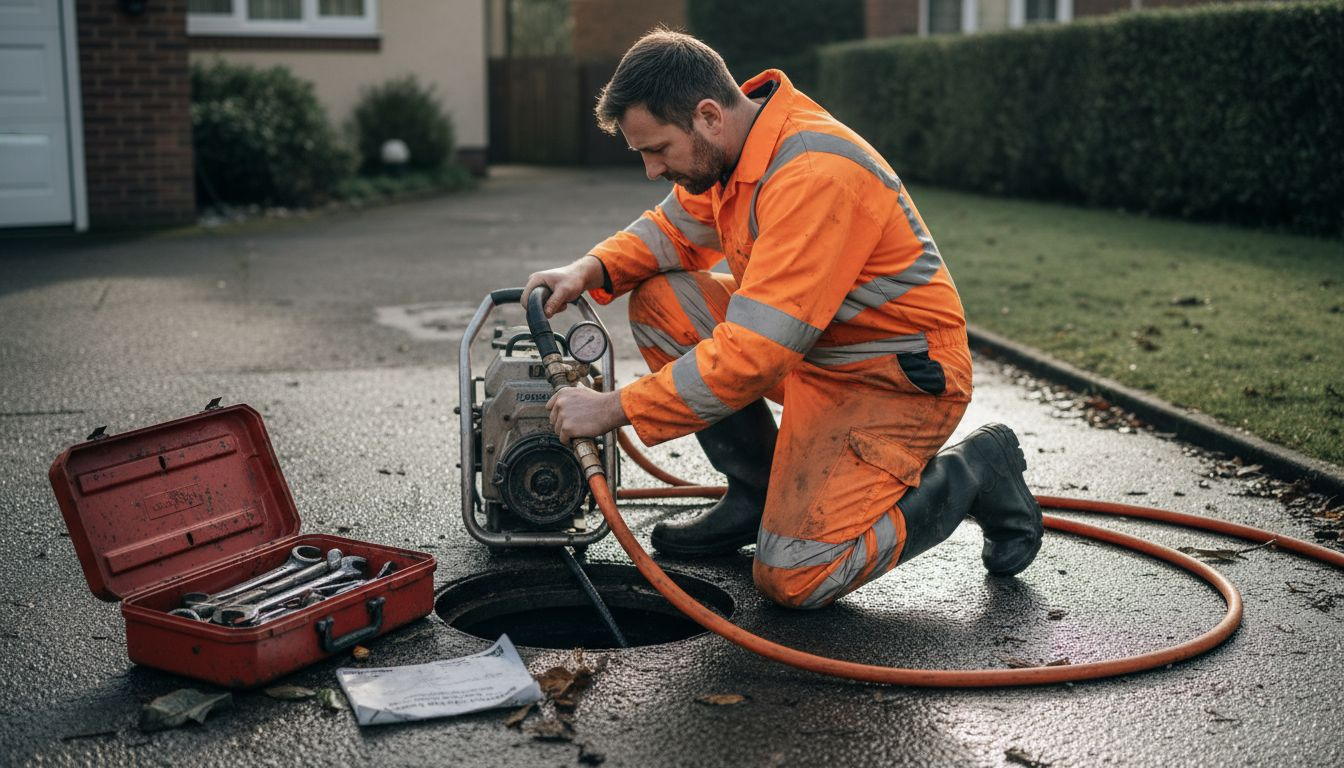
Blocked drains can turn a routine day in Greater London into a frustrating ordeal. Whether you notice stubborn slow drainage or persistent bad odours, finding a solution that tackles both the cause and the buildup is vital. Identifying the exact blockage, preparing safety gear, and controlling water jet parameters are key to effective high-pressure water jetting that keeps your drainage system working smoothly and safely.
Table of Contents
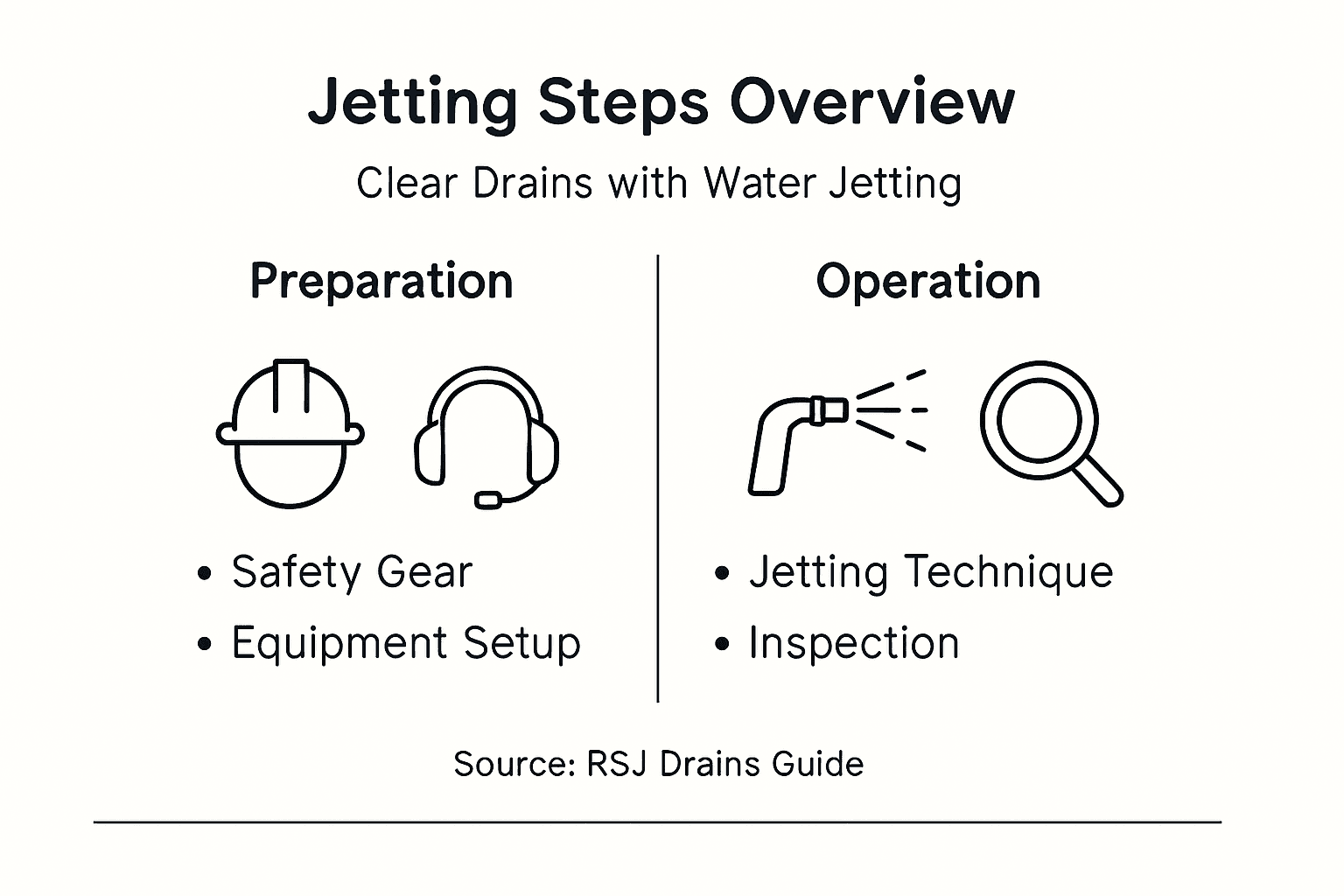
- Step 1: Assess Drain Blockage And Identify Jetting Needs
- Step 2: Prepare Safety Equipment And Jetting Setup
- Step 3: Operate High-Pressure Water Jet For Effective Cleaning
- Step 4: Inspect Drain Condition And Confirm Results
Quick Summary
| Key Point | Explanation |
|---|---|
| 1. Assess Blockage Type Thoroughly | Understand the specific blockage type and severity before choosing jetting as a solution to ensure effective clearance. |
| 2. Prepare Essential Safety Equipment | Gather necessary protective gear to prevent accidents during high-pressure water jetting operations, ensuring personal safety throughout the process. |
| 3. Operate Jet with Care and Precision | Handle the high-pressure water jet methodically to clear blockages efficiently while minimising the risk of damaging the pipes. |
| 4. Conduct a Detailed Post-Jetting Inspection | Inspect the drain meticulously after jetting to confirm that blockages are fully removed and the system is functioning optimally. |
Step 1: Assess Drain Blockage and Identify Jetting Needs
Identifying the right approach for clearing your drains begins with a thorough assessment of the blockage type and severity. Understanding the specific characteristics of your drainage issue will help determine whether high-pressure water jetting is the most appropriate solution.
To effectively assess your drain blockage, start by examining several key factors. Drain system inspection techniques reveal critical insights into potential obstructions:
- Look for slow drainage in sinks, toilets, and showers
- Check for unusual gurgling sounds in pipes
- Observe any recurring bad odours from drainage points
- Inspect visible pipe sections for signs of buildup or corrosion
Your assessment should also consider the specific type of blockage. Different obstructions require different approaches:
Here is a comparison of common drain blockage types and the most suitable removal approach:
| Blockage Type | Most Effective Solution | Risk of Pipe Damage |
|---|---|---|
| Grease/Organic Build-up | High-pressure jetting | Low |
| Mineral Scale | Chemical treatment or jetting | Moderate |
| Tree Root Infiltration | Mechanical cutting, then jetting | High |
| Debris and Sediment | Jetting and manual removal | Low |
- Grease and organic matter buildups
- Mineral scale accumulations
- Tree root infiltrations
- Accumulated debris and sediment
Understanding the precise nature of your blockage determines the effectiveness of high-pressure water jetting.
Professional drainage experts often use advanced diagnostic tools to get a precise picture of what’s happening inside your pipes. These can include detailed jetting parameter analysis that help determine the most effective cleaning strategy.
Professional tip: Always document your initial drain blockage observations, as these details can help drainage professionals recommend the most targeted solution.
Step 2: Prepare Safety Equipment and Jetting Setup
Before starting your high-pressure water jetting project, comprehensive safety preparation is crucial. Proper equipment and protective measures will help prevent accidents and ensure a smooth drainage clearing process.
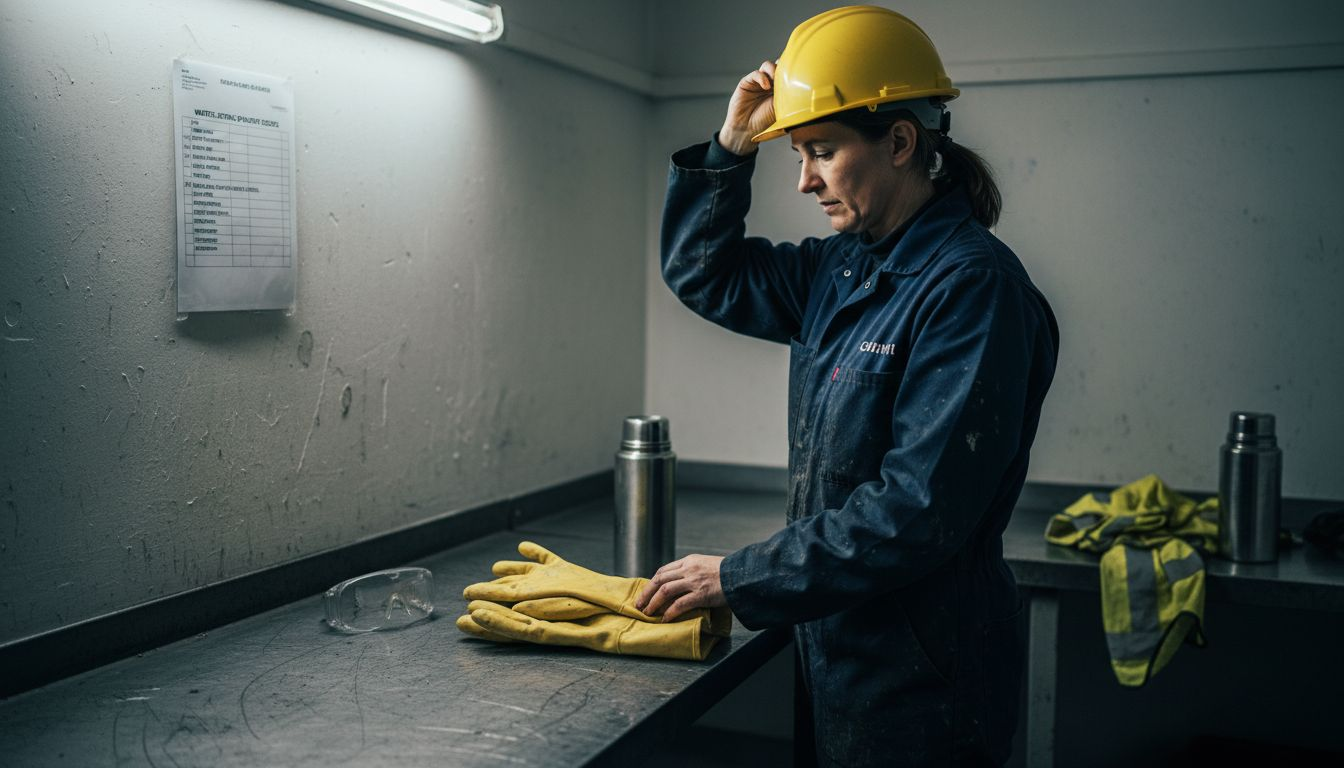
Safety protocols for water jet operations recommend gathering essential protective gear:
The following table summarises key safety equipment and its purpose for drain jetting work:
| Equipment Type | Purpose |
|---|---|
| Waterproof gloves | Protect hands from water and chemicals |
| Safety glasses with sides | Shield eyes from spray and debris |
| Hearing protection | Reduce exposure to equipment noise |
| Non-slip rubber boots | Prevent slips in wet conditions |
| Waterproof clothing | Keep body dry and avoid contamination |
- Waterproof leather gloves
- Safety glasses with side shields
- Hearing protection
- Non-slip rubber boots
- Waterproof protective clothing
Your jetting setup requires careful preparation. Here are the key steps:
- Clear the work area of obstacles
- Ensure proper drainage and prevent water accumulation
- Position your high-pressure water jetting equipment securely
- Connect all hoses and nozzles correctly
- Perform a pre-operation equipment inspection
High-pressure water jetting demands meticulous safety preparation and equipment management.
Professional drainage experts understand the importance of comprehensive risk assessment guidelines when preparing for water jetting operations. This includes checking equipment functionality, verifying pressure settings, and establishing clear safety protocols.
Professional tip: Always have a trained assistant nearby during high-pressure water jetting operations to provide immediate support if needed.
Step 3: Operate High-Pressure Water Jet for Effective Cleaning
Operating a high-pressure water jet requires precision, careful technique, and a systematic approach to ensure thorough and safe drain cleaning. Your goal is to effectively remove blockages while maintaining equipment integrity and personal safety.
Cleaning procedure parameters emphasise the importance of methodical operation. Begin by following these critical steps:
- Position the water jet nozzle at the correct angle
- Start with lower pressure settings
- Gradually increase pressure as needed
- Maintain consistent motion while jetting
- Watch for debris movement and blockage clearance
The technical process involves several key actions:
- Insert the jetting nozzle carefully into the drain opening
- Activate the water pressure incrementally
- Move the nozzle systematically through the pipe section
- Monitor water flow and blockage displacement
- Adjust pressure and angle as resistance changes
Precise control of water jet parameters determines the effectiveness of drain cleaning.
Professional drainage technicians understand that high-pressure processing techniques require meticulous attention to pressure, duration, and movement. The goal is not just clearing the blockage, but doing so without damaging the pipe infrastructure.
Professional tip: Maintain a steady, slow movement with the water jet nozzle to ensure comprehensive cleaning and prevent potential pipe damage.
Step 4: Inspect Drain Condition and Confirm Results
After completing high-pressure water jetting, a thorough inspection is crucial to verify the effectiveness of your drainage cleaning and ensure complete blockage removal. Your goal is to confirm that the drain system has been fully restored to optimal functioning.
Post-jetting inspection practices recommend a systematic approach to evaluating drain condition:
- Check water flow rate and drainage speed
- Visually inspect pipe interior for remaining debris
- Measure water clarity and colour
- Listen for unusual sounds during drainage
- Assess overall pipe functionality
The comprehensive inspection involves several key verification steps:
- Run water at full pressure through the cleaned drain
- Observe drainage speed and smoothness
- Check for any remaining blockage indicators
- Document inspection findings
- Compare current performance with pre-jetting conditions
A meticulous inspection confirms the success of your high-pressure water jetting operation.
Professional drainage experts understand that water system maintenance techniques require detailed assessment to ensure complete restoration. The inspection is not just about clearing blockages, but verifying long-term system health and performance.
Professional tip: Take photographs or videos during your inspection to create a visual record and help track your drain’s condition over time.
Reliable High-Pressure Water Jetting Solutions for Clear Drains
Clogged drains caused by stubborn grease, debris, or tree root infiltrations demand expert care and precise techniques like high-pressure water jetting. This article highlights the importance of assessing blockages, preparing safety equipment, and operating jetting tools carefully to restore proper drainage without damaging pipes. If slow drainage, bad odours, or recurring blockages are disrupting your home or business, RSJ Drains offers professional drainage services tailored for Greater London.
Choose RSJ Drains for rapid, trusted high-pressure water jetting combined with detailed CCTV inspections to pinpoint and clear blockages safely. Our 24-hour guaranteed emergency response ensures that urgent drain issues get immediate attention. Visit RSJ Drains now to benefit from expert drain maintenance and comprehensive repairs. Don’t wait until the next blockage worsens. Contact us today for prompt service and lasting peace of mind.
Frequently Asked Questions
What is high-pressure water jetting?
High-pressure water jetting is a method used to clear blockages in drains using a powerful stream of water. To effectively eliminate various obstructions, consider hiring a professional service equipped to handle this technique.
How can I assess my drain blockage before jetting?
To assess your drain blockage, look for signs such as slow drainage, gurgling sounds, or unpleasant odours. Document your observations to provide useful information when seeking drainage professionals.
What safety equipment do I need for high-pressure water jetting?
Essential safety equipment includes waterproof gloves, safety glasses with side shields, hearing protection, and non-slip rubber boots. Ensure you gather all necessary gear to protect yourself during the operation.
How should I operate the water jet to clean drains effectively?
Begin by positioning the water jet nozzle at the correct angle and start with lower pressure settings. Gradually increase the pressure while maintaining a steady motion to ensure thorough cleaning without damaging your pipes.
What should I do after completing high-pressure water jetting?
After jetting, inspect the drain condition by checking water flow and visually examining the pipe interior. Run water at full pressure to confirm that the blockage has been removed and document your findings for future reference.
How can I ensure the long-term health of my drains after jetting?
To maintain the long-term health of your drains, regularly inspect for signs of new blockages and consider preventative cleaning every 6 to 12 months. Establishing a routine maintenance plan will help minimise future drainage problems.