Blocked drains and mysterious leaks can quickly turn a North London property from comfortable to chaotic. Understanding the importance of drain inspection is not just about fixing a current problem, but preventing water damage and environmental contamination before it starts. This guide highlights practical drain inspection methods, helping homeowners and property managers make informed choices for long-term property protection and clear maintenance responsibilities.
Table of Contents
- What Is Drain Inspection And Why It Matters
- Key Drain Inspection Methods Compared
- How Cctv Surveys Differ From Traditional Checks
- Manual Versus Non-Invasive Inspection Techniques
- Choosing The Best Method For Your Property
- Common Mistakes When Selecting Inspection Methods
Key Takeaways
| Point | Details |
|---|---|
| Importance of Drain Inspection | Regular drain inspections prevent costly issues and protect properties from water damage and structural deterioration. |
| CCTV Surveys as a Preferred Method | CCTV surveys are non-invasive and provide detailed diagnostics that traditional methods often miss. |
| Professional Guidance is Crucial | Consulting drainage experts ensures the right inspection method is chosen based on specific property needs. |
| Avoid Common Mistakes | Property owners should refrain from using overly invasive methods and ensure their inspections align with drainage system specifications. |
What Is Drain Inspection And Why It Matters
Drain inspection is a critical preventive maintenance process that helps property owners understand the condition and functionality of their underground drainage systems. This systematic examination allows early detection of potential issues before they escalate into costly and disruptive problems. By thoroughly assessing drainage infrastructure, homeowners can protect their property from water damage, environmental contamination, and structural deterioration.
At its core, drain inspection involves professional examination of pipes, sewers, and underground drainage networks using advanced technologies. The primary objectives include:
- Identifying blockages and potential obstructions
- Detecting structural damage or pipe deterioration
- Mapping drainage system layouts
- Evaluating overall system performance
- Preventing potential environmental pollution
Understanding drainage systems is crucial, as different types serve specific purposes. Drainage systems require careful management to prevent water pollution and maintain proper functionality. These systems typically include foul water drains, surface water drains, and combined systems, each with unique characteristics and maintenance requirements.
Professional drain inspections also help clarify maintenance responsibilities. Property owners are responsible for drains within their boundary, while water companies manage public sewers. By conducting regular inspections, homeowners can proactively address potential issues, avoid unexpected repair costs, and ensure their drainage infrastructure remains in optimal condition.
Pro tip: Schedule a professional drain inspection annually to catch potential issues early and prevent expensive repairs.
Key Drain Inspection Methods Compared
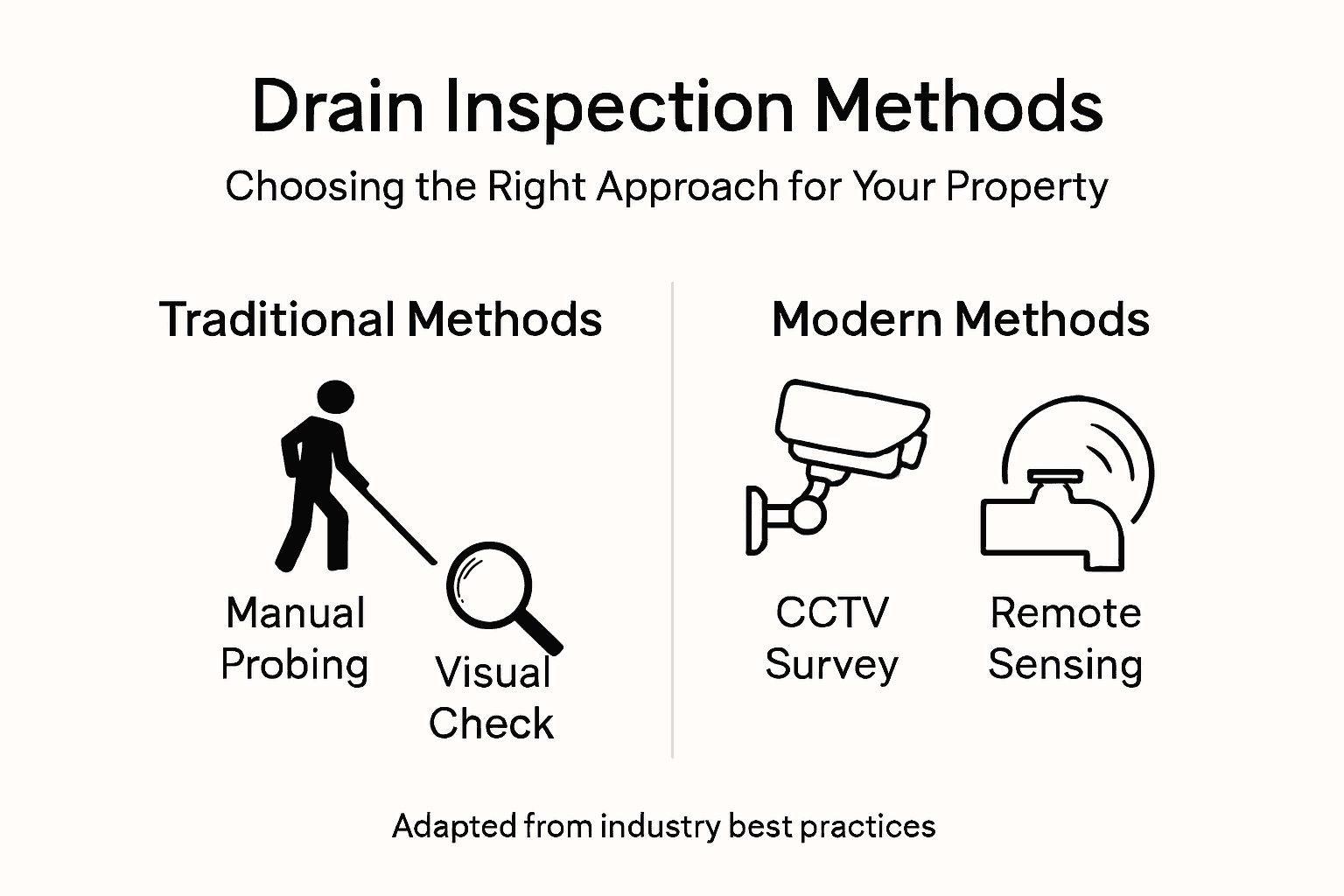
Modern drain inspection relies on several sophisticated techniques, each designed to provide comprehensive insights into underground drainage systems. Sustainable drainage system standards have evolved to incorporate advanced methodologies that minimise environmental disruption while maximising diagnostic accuracy.
The primary drain inspection methods include:
- CCTV Surveys: Advanced camera technology for detailed internal pipe assessment
- Visual Inspections: Surface-level examinations of drainage infrastructure
- Remote Sensing: Non-invasive techniques for detecting underground anomalies
- Smoke Testing: Identifying hidden pipe connections and potential leakage points
- Dye Tracing: Tracking water flow and detecting potential cross-contamination
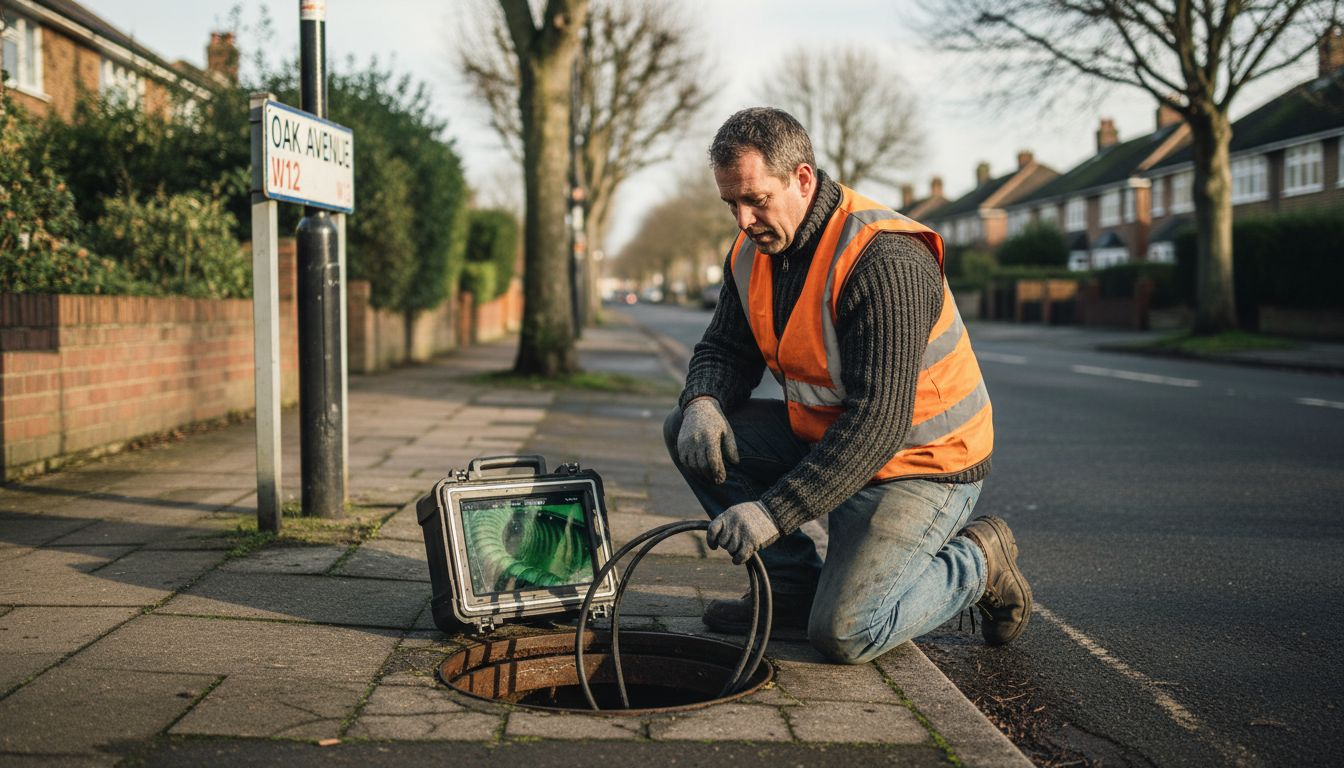
Closed-circuit television (CCTV) surveys represent the most comprehensive inspection method available. Modern CCTV techniques can identify complex drainage issues including blockages, structural cracks, root invasions, and potential environmental risks. These high-resolution camera systems allow technicians to examine pipe interiors without excavation, providing unprecedented detail about drainage system conditions.
Each inspection method offers unique advantages, with professionals selecting techniques based on specific property requirements, drainage system complexity, and potential risk factors. Manual inspections remain valuable for initial assessments, but technological advancements increasingly favour non-invasive, precise diagnostic approaches that minimise property disruption and environmental impact.
To better understand each inspection method, see the comparison below:
| Inspection Method | Best For | Required Technology | Typical Cost Impact |
|---|---|---|---|
| CCTV Survey | Detailed diagnostics | High-resolution cameras | Moderate to high |
| Visual Inspection | Simple system checks | Manual tools and surface access | Low |
| Remote Sensing | Detecting buried anomalies | Ground-penetrating radar, sensors | Moderate |
| Smoke Testing | Identifying illegal connections | Smoke generators and venting tools | Low to moderate |
| Dye Tracing | Tracking water flow paths | Non-toxic coloured dyes | Low |
Pro tip: Request a comprehensive CCTV survey that provides digital recording and detailed reporting to ensure thorough documentation of your drainage system’s condition.
How CCTV Surveys Differ From Traditional Checks
Drain inspection methodologies have undergone significant transformation with the introduction of advanced technological approaches. Digital imaging technologies for drainage assessment have revolutionised how professionals diagnose and understand underground infrastructure, moving far beyond traditional manual inspection techniques.
Key differences between CCTV surveys and traditional checks include:
- Invasiveness: CCTV surveys are non-destructive, whereas traditional methods often require excavation
- Diagnostic Precision: High-resolution cameras capture intricate details missed by manual inspections
- Documentation: Digital recordings provide permanent, reviewable evidence
- Accessibility: Internal pipe conditions can be examined without physical entry
- Cost-effectiveness: Reduced labour and minimal property disruption
Comprehensive digital documentation sets CCTV surveys apart from conventional approaches. Video evidence protocols ensure high-quality drainage assessments with strict standards for data integrity. These sophisticated camera systems navigate complex pipe networks, revealing structural issues, blockages, and potential environmental risks that would remain undetected through traditional visual or manual inspections.
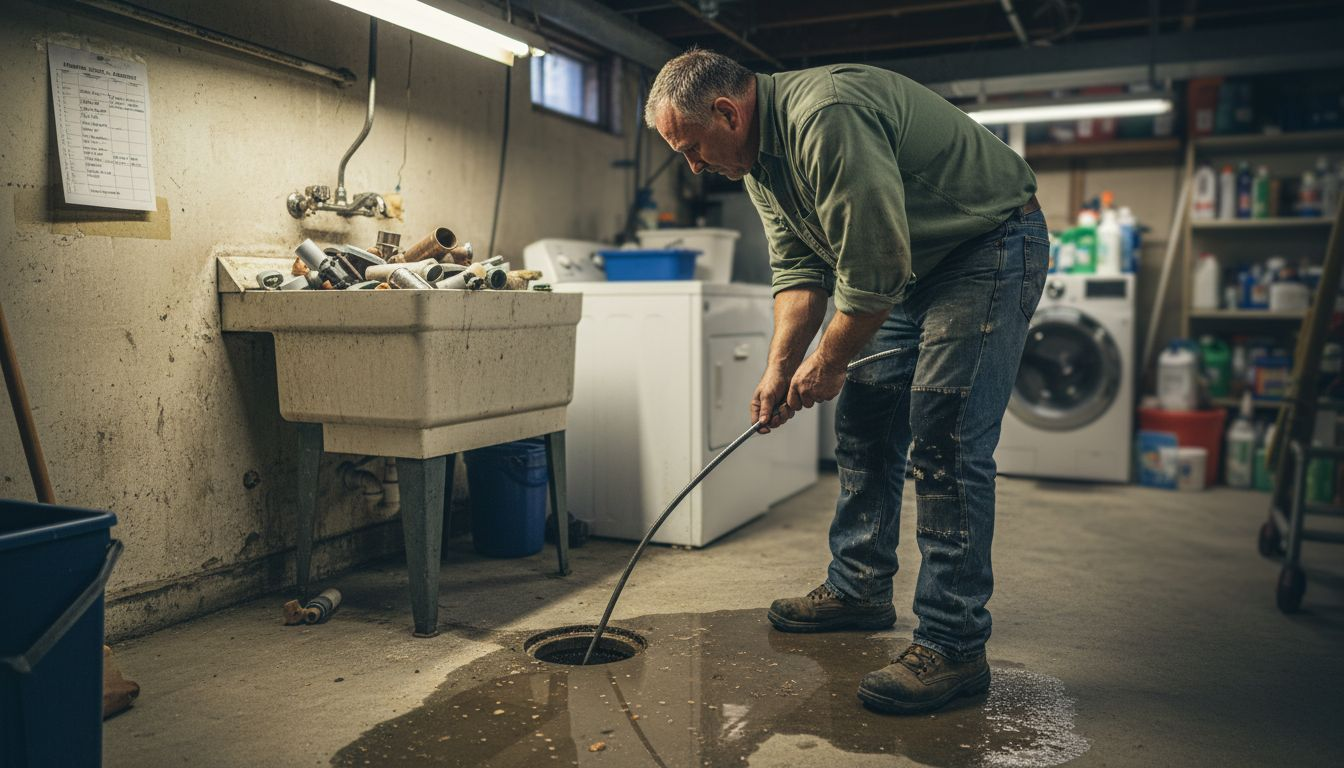
Traditional drain checks typically relied on surface-level observations and physical probing, which provided limited insights. Modern CCTV surveys eliminate these constraints by offering real-time, high-definition internal pipe views, enabling technicians to make precise diagnostic decisions without unnecessary property disruption or guesswork.
Pro tip: Request a complete digital recording of your CCTV drain survey to maintain a comprehensive reference for future maintenance and potential insurance claims.
Manual Versus Non-Invasive Inspection Techniques
Drainage infrastructure assessment has dramatically evolved, with technological advancements transforming traditional inspection methodologies. Non-invasive inspection techniques offer comprehensive diagnostic capabilities that significantly outperform traditional manual approaches, providing unprecedented insights with minimal property disruption.
Key characteristics of manual versus non-invasive techniques include:
- Physical Intervention: Manual techniques require direct excavation
- Diagnostic Range: Non-invasive methods capture comprehensive internal details
- Cost Implications: Reduced labour and minimal property damage with non-invasive approaches
- Environmental Impact: Less soil disturbance and potential landscape preservation
- Technological Sophistication: Advanced sensors replace physical probing
Non-invasive inspection approaches encompass sophisticated technologies such as ground-penetrating radar, electrical resistivity tomography, and acoustic sensing. Geophysical investigation methods enable precise subsurface diagnostics without requiring extensive excavation, allowing technicians to detect structural anomalies, potential blockages, and drainage system vulnerabilities with remarkable accuracy.
Traditional manual techniques like rodding and physical probing have significant limitations. They provide fragmented insights, often requiring extensive property disruption and offering limited diagnostic capabilities. Modern non-invasive techniques, by contrast, deliver comprehensive, high-resolution data about underground drainage infrastructure, enabling more targeted and efficient maintenance strategies.
Pro tip: Always request a detailed report and digital recording when commissioning a non-invasive drainage inspection to maintain a comprehensive reference for future maintenance.
Choosing The Best Method For Your Property
Selecting the most appropriate drain inspection technique requires careful consideration of multiple factors unique to your specific property and drainage infrastructure. Sustainable drainage system standards recommend tailored inspection approaches that balance diagnostic effectiveness with minimal property disruption.
Key considerations for selecting the optimal inspection method include:
- Property Age: Older properties may require more comprehensive diagnostic techniques
- Drainage System Complexity: Larger or intricate systems need advanced technological approaches
- Suspected Issues: Specific problems dictate the most appropriate inspection method
- Budget Constraints: Cost-effectiveness of different inspection techniques
- Environmental Sensitivity: Minimising landscape and structural disruption
Different properties demand unique inspection strategies. Drainage system assessments depend on foul and surface water configurations, with professional recommendations varying based on system complexity. Residential properties with straightforward drainage might benefit from basic visual or manual checks, while commercial or older buildings typically require more sophisticated CCTV or advanced geophysical surveying techniques.
Professional drainage experts can help determine the most suitable inspection method by conducting an initial assessment of your property’s specific drainage infrastructure. This preliminary evaluation considers factors such as pipe material, system age, previous maintenance history, and any observable symptoms of potential drainage issues, ensuring a targeted and efficient diagnostic approach.
Use this table to match property types with the most effective inspection strategies:
| Property Type | Preferred Inspection Approach | Reason for Preference |
|---|---|---|
| Modern Residential | Visual or manual checks | Straightforward layouts, lower risk |
| Older Properties | CCTV or geophysical surveys | Higher risk of deterioration |
| Commercial Buildings | Full CCTV and remote sensing | Complex systems, regulatory needs |
| Environmentally Sensitive | Non-invasive, remote methods | Minimises landscape disturbance |
| Large Estates | Mixed technologies | Multiple drainage configurations |
Pro tip: Consult a professional drainage specialist to conduct a preliminary assessment before selecting an inspection method to ensure the most accurate and cost-effective diagnostic approach.
Common Mistakes When Selecting Inspection Methods
Drainage inspection requires precision and strategic planning, with many property owners unknowingly falling into common diagnostic pitfalls. Drainage system requirements demand careful consideration to ensure comprehensive and accurate assessment of underground infrastructure.
Frequent mistakes when selecting drain inspection methods include:
- Overly Invasive Techniques: Choosing destructive methods unnecessarily
- Inadequate Diagnostic Depth: Relying solely on surface-level examinations
- Ignoring System Complexity: Applying uniform approaches across different drainage configurations
- Budget-Driven Decisions: Prioritising cost over comprehensive investigation
- Regulatory Non-Compliance: Failing to meet local building and environmental standards
Distinguishing between foul and surface water drainage systems is crucial for selecting appropriate inspection methods. Many property owners mistakenly assume all drainage networks are identical, leading to inappropriate diagnostic approaches that can miss critical structural issues or potential environmental contamination risks.
Professional drainage experts emphasise the importance of tailored inspection strategies. Blindly applying a single method across different properties can result in missed defects, unnecessary property damage, and potential long-term drainage infrastructure problems. Understanding the unique characteristics of your specific drainage system is essential for selecting the most effective and efficient inspection approach.
Pro tip: Always consult a professional drainage specialist who can provide a comprehensive assessment tailored to your specific property’s drainage infrastructure.
Ensure Your Drains Are Inspected with Precision and Care
Choosing the right drain inspection method is essential to avoid costly repairs and protect your property’s drainage system from deterioration and blockages. Whether you need a detailed CCTV survey or a rapid response for an urgent issue, understanding your options and selecting expert help can make all the difference. RSJ Drains specialises in advanced drain inspections and emergency services across Greater London, combining non-invasive techniques with fast, reliable solutions designed for your specific needs.
Do not risk unexpected damage or costly disruptions caused by inadequate or invasive inspections. Visit RSJ Drains today to explore professional CCTV drainage surveys, pipe inspections, and high-pressure jetting services tailored to residential and commercial properties. Our family-run service guarantees quick responses within two hours and thorough reporting to keep your drainage system in optimal condition. Contact us now to schedule your inspection and protect your property with confidence.
Frequently Asked Questions
What is drain inspection and why is it important?
Drain inspection is a preventive maintenance process that allows property owners to understand the condition of their underground drainage systems. It helps detect potential issues early, preventing costly repairs and protecting against water damage and environmental contamination.
What methods are commonly used for drain inspection?
Common methods include CCTV surveys, visual inspections, remote sensing, smoke testing, and dye tracing. Each method has unique advantages, with CCTV being the most comprehensive for internal assessments.
How do CCTV surveys differ from traditional inspection methods?
CCTV surveys use non-destructive technology to provide detailed internal visuals of the drainage system, making them more effective and less invasive compared to traditional manual inspections, which often require excavation and provide limited insights.
What factors should I consider when choosing a drain inspection method?
When selecting a drain inspection method, consider the property’s age, the complexity of the drainage system, any suspected issues, budget constraints, and the need for minimising environmental disruption.