Slow drainage or unpleasant smells in your North London property can quickly escalate, leaving homeowners and managers facing costly disruption. Issues like blocked pipes, cracks or collapsed sections often lurk out of sight—making urgent CCTV camera inspections a smart first step. By offering real-time footage and clear evidence, this technology helps you pinpoint problems and avoid unnecessary digging or guesswork, setting the stage for targeted repairs and safeguarding your investment.
Table of Contents
- Defining Drain Camera Inspection And Its Purpose
- How CCTV Drain Surveys Identify Problems
- When And Why London Properties Need Inspections
- Understanding Costs, Limitations, And Common Pitfalls
Key Takeaways
| Point | Details |
|---|---|
| Importance of Drain Camera Inspections | Drain camera inspections provide a non-invasive way to diagnose issues within drainage systems, allowing for accurate problem identification before repairs. |
| Common Issues Detected | Problems like blockages, structural damage, and corrosion can be identified early, preventing more severe issues and costly repairs in the future. |
| Cost-Effectiveness | The cost of a drain camera inspection is significantly lower than emergency repairs, making it a smart investment for homeowners. |
| Proactive Maintenance | Regular inspections can help catch potential issues early, avoiding crises and ensuring the longevity of the drainage system. |
Defining Drain Camera Inspection And Its Purpose
A drain camera inspection uses a small, waterproof camera attached to a flexible cable to travel through your drainage system. This lets engineers see exactly what’s happening inside your pipes without digging up your garden or driveway.
Your home’s drainage system works by removing wastewater and preventing foul gases from entering your property. When problems occur—blockages, cracks, or misalignments—traditional methods meant invasive excavation. A CCTV camera changes that entirely.
How Drain Camera Inspections Work
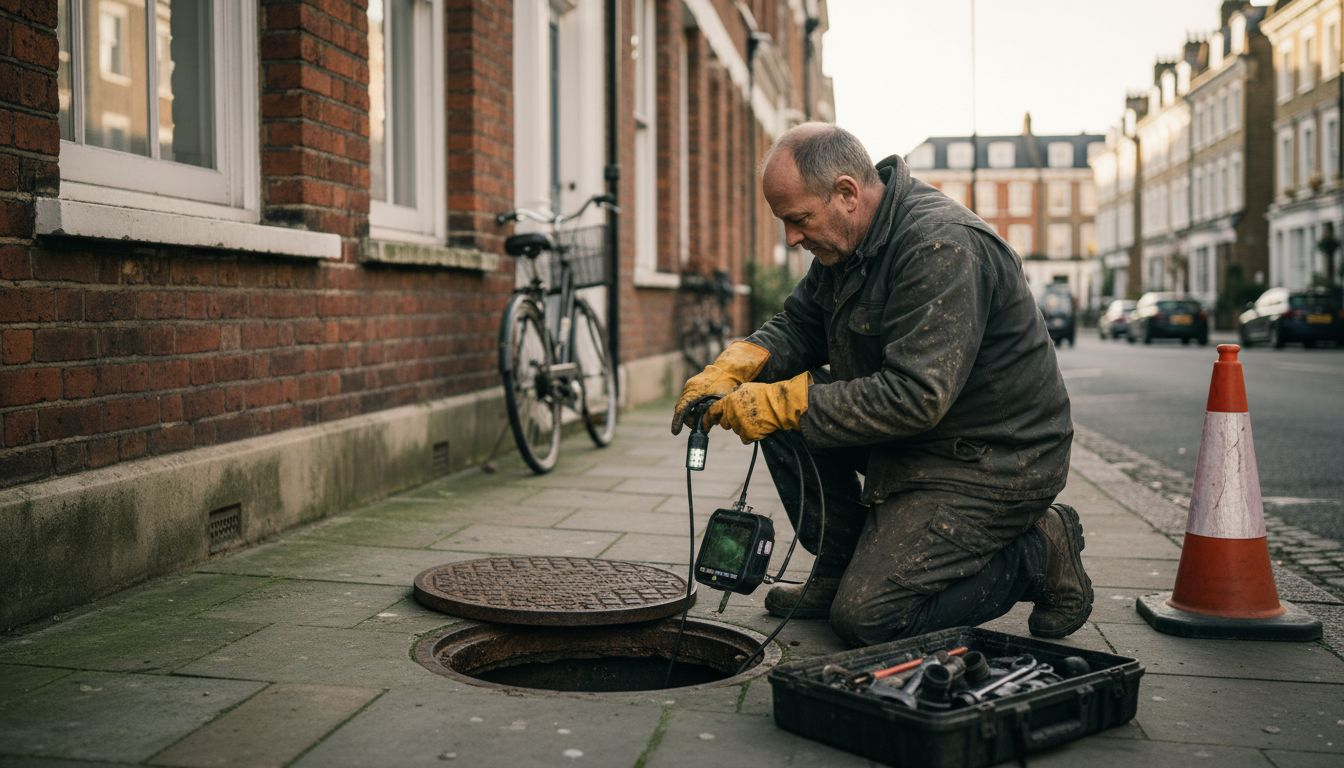
The process is straightforward. An engineer feeds the camera-tipped cable into your drainage system, typically from an access point like a manhole or drain. Real-time footage appears on a monitor above ground, showing exactly what’s happening inside your pipes.
The camera transmits:
- Live video feed of pipe interior conditions
- Detailed images of blockages, debris, or damage
- Location data pinpointing problem areas
- Video recording for your records and insurance claims
With drain camera footage, you get definitive proof of what needs fixing—no guesswork, no expensive unnecessary work.
Why Purpose Matters For Your Home
Drain inspections identify several critical issues. Blockages caused by grease, tree roots, or debris become immediately visible. Structural problems like cracked pipes, misaligned joints, or collapsed sections appear on screen. Corrosion, scale buildup, and deterioration are all documented clearly.
For London properties particularly, understanding different inspection methods available helps you choose the right solution. CCTV cameras work best when you need precise diagnosis before committing to repairs.
What You Get From The Inspection
The real value comes after the camera inspection finishes. You receive:
- Professional diagnosis of drainage problems
- Clear evidence of damage location and severity
- Recommendations for repair options
- Baseline documentation for future reference
- Supporting evidence for insurance claims
Why Speed Matters
London homeowners face a common problem: drainage issues worsen quickly. What starts as slow drainage becomes complete blockage. A camera inspection takes hours, not days. Results guide immediate next steps, whether that’s simple unblocking or more serious pipe relining.
This diagnostic clarity prevents expensive trial-and-error approaches. You know precisely what needs fixing before any repair work begins.
Pro tip: Request the full video recording from your inspection report—you’ll have documented evidence of your drainage system’s condition, which proves invaluable if you ever sell your property or need to claim on insurance.
How CCTV Drain Surveys Identify Problems
CCTV drain surveys reveal hidden problems by sending a camera directly into your drainage system. The camera travels through pipes, capturing real-time footage that shows exactly what’s causing issues. This visual evidence eliminates guesswork and reveals problems you cannot see from above ground.
What The Camera Actually Sees
Once the camera enters your drains, it transmits clear footage of the pipe interior. Engineers monitor this live feed, spotting problems immediately. Common issues identified include:
- Blockages from grease, fat, or debris buildup
- Tree root intrusion breaking through pipe walls
- Cracked or broken pipe sections
- Misaligned joints where pipes meet
- Collapsed sections or severe deterioration
- Scale, corrosion, or calcium deposits
- Infiltration points where water enters from outside
CCTV surveys provide definitive visual proof of drain condition—no assumptions, just clear evidence of what needs fixing.
How Problems Become Visible
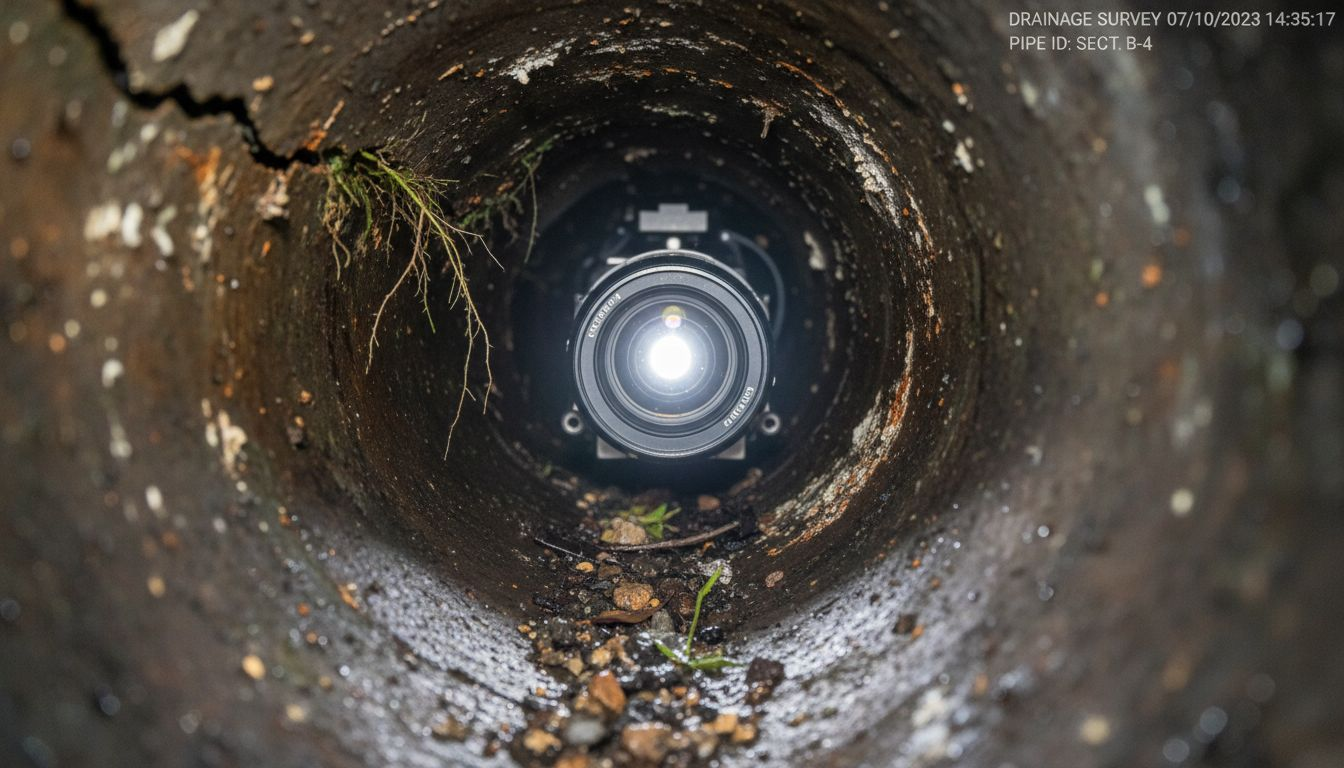
The camera’s light source illuminates dark pipe interiors in vivid detail. High-resolution lenses capture even small defects. Location data pinpoints exactly where problems exist, crucial information for repair planning.
Proper assessment procedures ensure surveys detect all types of damage. Trained engineers know what signs indicate serious structural issues versus minor blockages.
Blockages Tell A Story
Blockages appear differently depending on their cause. Grease blockages look like thick, oily accumulation. Tree roots appear as dark fibrous intrusions breaking into the pipe. Foreign objects—toys, wet wipes, or sanitary products—show up as distinct obstacles.
Fat buildup near junctions reveals where your kitchen waste is accumulating. Multiple blockage points suggest a systemic drainage issue requiring different treatment than a single obstruction.
Structural Damage Demands Action
Cracks, fractures, and collapsed sections appear unmistakably on camera. These problems worsen rapidly. Small cracks allow soil infiltration, making blockages more likely. Collapsed sections completely obstruct flow, backing sewage into your home.
CCTV evidence documents the severity level. This determines whether you need simple cleaning, pipe relining, or full replacement.
The following table summarises the most common drainage issues detected during CCTV inspections and their implications for homeowners:
| Issue Detected | Distinctive Camera Findings | Homeowner Risk |
|---|---|---|
| Grease blockages | Thick, shiny residue in pipes | Slow or stopped drainage |
| Tree root intrusion | Fibrous growths breaking walls | Pipe warping or collapse |
| Structural cracks | Visible fractures, gaps | Costly future repairs |
| Collapsed sections | Complete pipe obstructions | Sewage backing up |
| Scale/corrosion | Rough white or brown deposits | Impaired pipe capacity |
Building Your Evidence File
Every CCTV survey produces recorded footage and detailed reports. This documentation serves multiple purposes:
- Supports insurance claims with visual proof
- Helps conveyancers assess property condition before sale
- Provides baseline for comparing future surveys
- Guides contractors on exact repair requirements
- Explains why specific repairs cost what they do
Understanding CCTV drainage inspection options helps you select the right approach for your specific problem.
Pro tip: Ask the engineer to identify problem locations by depth and distance from entry point—this precise information helps contractors quote accurately and work efficiently on repairs.
When And Why London Properties Need Inspections
London properties rarely come with perfect drainage systems. Age, weather, tree roots, and everyday wear take their toll. Knowing when to inspect your drains prevents costly emergencies and protects your property investment.
Signs Your Drains Need Attention
Certain warning signs demand immediate inspection. Don’t wait for complete failure—act when you notice:
- Slow drainage in sinks, showers, or toilets
- Unpleasant smells from drains or garden areas
- Gurgling noises when water drains
- Water backing up into your home
- Damp patches in your garden or basement
- Unusually lush patches of grass (caused by leaking sewage)
- Multiple drains draining slowly simultaneously
Slow drainage today becomes a blocked pipe tomorrow—early inspection catches problems when they’re cheaper to fix.
Age Of Your Property Matters
Older London properties often have aging infrastructure. Victorian and Edwardian homes frequently feature clay pipes that crack and collapse. Cast iron pipes corrode from inside. These materials simply deteriorate over time, regardless of maintenance.
Properties built before 1970s deserve regular inspections. Newer properties can go longer between checks, but problems still emerge unexpectedly.
Responsibility For Drain Repairs
Property owners remain responsible for drains within their boundary. This critical legal distinction means inspections reveal whether problems fall on you or the water authority. Shared or unadopted sewers create grey areas that inspections help clarify.
Landlords particularly need documented drainage conditions. Tenancy disputes over maintenance require clear evidence of property condition.
Before Buying Or Selling
Drain surveys protect buyers and sellers alike. Conveyancers request inspection reports as standard. Hidden drainage problems can derail property sales or reduce valuation significantly.
Selling your London home without a drain inspection is risky. Buyers expect documentation. Having the survey completed before listing prevents last-minute surprises that could kill deals.
Prevention Beats Emergency Calls
Regular drain maintenance prevents most problems before they start. Inspections identify small issues—early blockages, minor cracks—when remedial action costs far less than emergency repairs.
One drain camera inspection costs considerably less than emergency call-out fees, high-pressure jetting, or excavation for pipe repairs.
After Heavy Rain Or Flooding
London experiences increasingly severe weather. Heavy rainfall exposes drainage weaknesses. If your property suffered flooding, an inspection determines whether blockages, collapsed pipes, or groundwater infiltration caused the problem.
Insurance companies often require inspection reports before approving claims. Documentation proves the cause of damage, strengthening your claim.
Pro tip: Schedule drain inspections before winter months when excess rainfall tests your drainage system hardest—early detection prevents flooding claims during the busy season.
Understanding Costs, Limitations, And Common Pitfalls
Drain camera inspections offer clarity, but they come with realistic costs and limitations. Understanding these factors helps you make informed decisions and avoid wasting money on unnecessary investigations or misinterpreting results.
What Inspections Actually Cost
Drain camera surveys typically range from £150 to £400 depending on complexity. Straightforward inspections of accessible drains cost less. Properties with multiple blockages, difficult access, or lengthy pipe runs cost more.
Compare this to alternatives:
This table compares the costs and long-term value of different drainage intervention methods for London homes:
| Intervention Type | Typical Cost Range | Long-Term Benefit |
|---|---|---|
| CCTV camera inspection | £150–£400 | Detects problems early, prevents major failures |
| Emergency call-out | £300–£800 | Immediate relief, higher overall cost |
| High-pressure jetting | £200–£600 | Clears blockages, may miss damage |
| Excavation & relining | £2,000–£15,000+ | Full repair, very high disruption |
- Emergency call-outs for blocked drains: £300-£800
- High-pressure water jetting: £200-£600
- Excavation and pipe replacement: £2,000-£15,000+
- Property survey delays during house sales: Thousands in lost time value
A single inspection often prevents far costlier emergency repairs—the investment pays for itself when it stops a flooded basement or burst pipe.
Key Limitations You Should Know
CCTV surveys cannot access every section of your drainage system. Cameras struggle with severely collapsed pipes or extremely tight bends. Some private lateral drains remain inaccessible. The camera travels only where pipes allow.
Interpretation requires expertise. Not all engineers spot early problems identically. Scale deposits and grease buildup sometimes obscure underlying damage. Video clarity depends on pipe condition—murky water reduces visibility.
Cost Responsibility Issues
Homeowners typically pay for repairs to private drains within their boundary. However, unclear ownership of lateral drains creates disputes. Some properties have shared sewers where responsibility splits between properties or passes to the water authority.
Inspections help clarify these boundaries, but legal ambiguity sometimes remains. Documentation protects you if disputes arise later.
Common Pitfalls To Avoid
Many property owners make preventable mistakes:
- Ignoring early warning signs, leading to emergency situations
- Attributing blockages to the wrong cause without professional assessment
- Assuming all drain problems require excavation
- Neglecting regular maintenance between inspections
- Tenant misuse causing preventable damage (wet wipes, fat disposal)
- Skipping inspections before property sales, creating buyer concerns
Tenants particularly need clear guidance. Blocked drains caused by tenant negligence become landlord expenses unless documentation proves fault.
Maximising Your Inspection Value
Get the most from your investment. Request detailed written reports alongside video footage. Ask engineers to identify problem locations by depth and distance from entry points. Request copies for insurance claims and property records.
Use inspection results to plan repairs strategically rather than reactively. Early intervention on developing problems costs far less than waiting for complete failure.
Pro tip: Before scheduling an inspection, ask whether your specific problem requires CCTV investigation or whether simpler solutions like drain rods or chemical cleaners might work—sometimes the cheapest solution is skipping the camera entirely.
Fast and Accurate Drain Camera Inspections For London Homes
Dealing with slow drainage, hidden blockages or worrying structural damage in your pipes needs swift expert action. If you want to avoid costly emergency repairs and gain precise insight into your drainage system as explained in our article, RSJ Drains offers professional CCTV drainage surveys tailored for London properties. Our advanced camera inspections pinpoint root intrusion, cracks and collapsed sections quickly, giving you clear evidence to plan effective repairs.
Choose RSJ Drains for a trusted local partner who guarantees rapid response times and thorough diagnostics you can rely on. Benefit from our family-run service committed to customer satisfaction, detailed reports, and expert advice. Act now to prevent drainage problems escalating into expensive emergencies. Visit RSJ Drains to schedule your inspection or learn more about our CCTV drain survey service. Protect your home with expert solutions that put you in control.
Frequently Asked Questions
What is a drain camera inspection?
A drain camera inspection is a diagnostic method that uses a small, waterproof camera attached to a flexible cable to explore the interior of your drainage system. This allows engineers to identify blockages, cracks, and other issues without the need for invasive excavation.
How does a drain camera inspection benefit my home?
This type of inspection helps to identify problems such as blockages from debris or tree roots, structural damage to pipes, and deterioration. It provides clear evidence of the condition of your drains, helping you make informed decisions about necessary repairs.
What common issues can a CCTV drain survey detect?
CCTV drain surveys can reveal issues like grease blockages, tree root intrusion, cracks, misaligned joints, collapsed sections, and signs of corrosion or scale buildup. These problems can manifest as slow drainage, unpleasant odours, or visible signs of damage.
How much does a drain camera inspection cost?
The cost for a drain camera inspection typically ranges from £150 to £400, depending on the complexity of the inspection, accessibility of the drains, and any additional work that may need to be done for repairs.