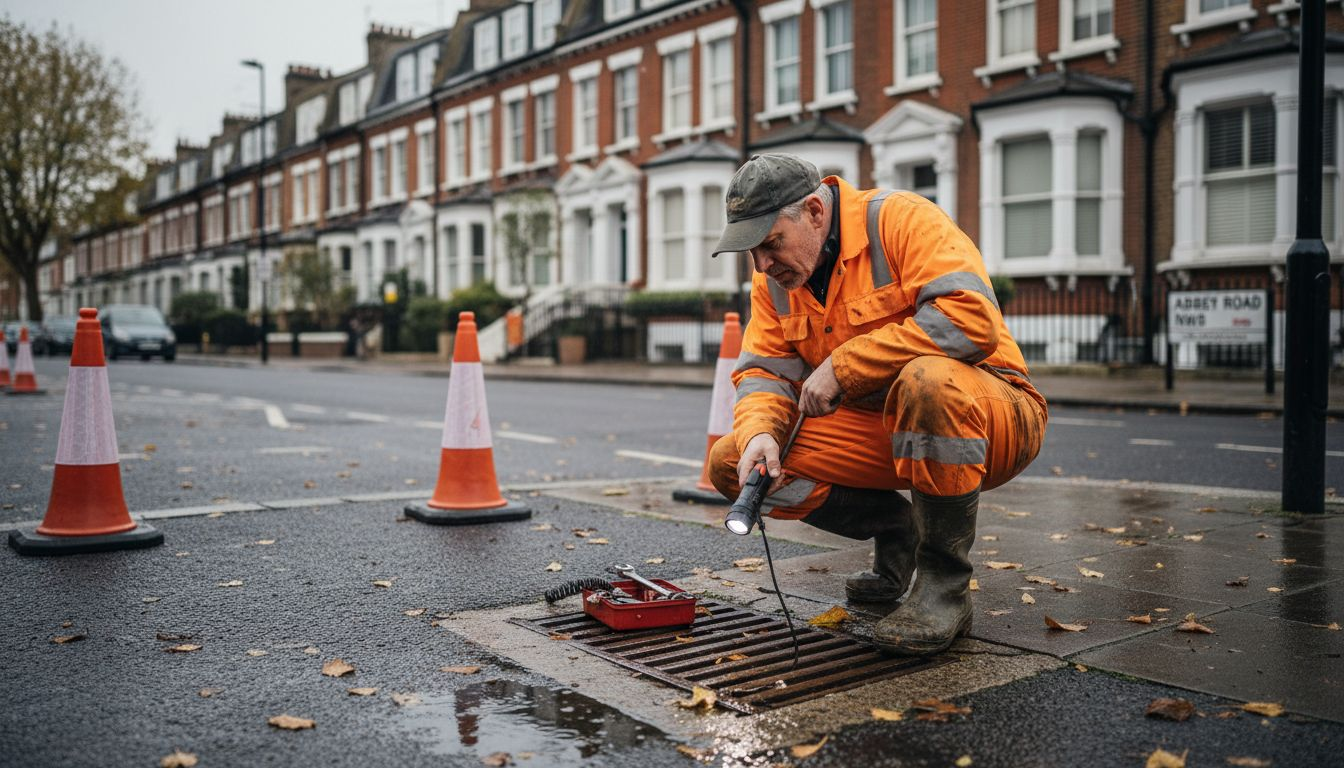
Slow draining sinks and unpleasant odours can disrupt daily life for busy North London households and properties. Drain blockages are often caused by inappropriate materials like wipes and solidified fats, leading to more debris getting trapped and worsening the issue. Getting swift, safe relief is essential when blockages threaten hygiene and property. This guide highlights practical steps and expert tips so you can pinpoint, resolve, and prevent drain problems without risking damage or excessive costs.
Table of Contents
- Step 1: Assess Visible Signs And Locate Blockage
- Step 2: Prepare Tools And Protect Surroundings
- Step 3: Apply Manual Removal And Drain Clearing Methods
- Step 4: Utilise High-Pressure Water Jetting Safely
- Step 5: Verify Drainage Effectiveness And Prevent Future Issues
Quick Overview
| Key Point | Explanation |
|---|---|
| 1. Identify common blockage signs | Look for slow drainage, gurgling sounds, or bad odours to diagnose drain issues effectively. |
| 2. Gather essential tools before starting | Prepare gloves, safety goggles, and a plunger to ensure safety and effectiveness during maintenance. |
| 3. Use manual techniques for obstruction removal | Employ plungers or drain rods methodically to clear minor to moderate blockages without causing damage. |
| 4. Follow safety protocols for water jetting | High-pressure water jetting requires protective gear and trained handling to prevent injury and damage. |
| 5. Schedule regular inspections and maintenance | Regular professional checks can prevent serious drainage issues and costly emergencies in the future. |
Step 1: Assess visible signs and locate blockage
Understanding the specific location and nature of a drain blockage is crucial for effective resolution. Before diving into complex repair techniques, you need to systematically investigate the visible signs and potential sources of drainage problems.
Start by examining key areas where blockages commonly occur. Drainage system identification involves recognising different types of drains and potential obstruction points. Look for these key indicators:
- Slow drainage in sinks, showers, or toilets
- Unusual gurgling sounds from plumbing fixtures
- Unpleasant odours emerging from drainage areas
- Water backing up or pooling around drain entrances
- Visible debris or discoloration around drain openings
Specifically, check inspection chambers and manholes for signs of potential blockages. These access points can reveal critical information about pipe connectivity and potential obstructions. Pay attention to water levels, sediment accumulation, and any visible structural irregularities.
Blockages are frequently caused by inappropriate materials like wipes and solidified fats that trap additional debris in your drainage system.
To pinpoint the exact location, systematically test different drainage points throughout your property. This methodical approach helps narrow down potential problem areas and determines whether the blockage is localised or affecting multiple drainage points.
Here is a summary of common causes of drain blockages and their likely effects:
| Cause | Typical Effect | Suggested Immediate Action |
|---|---|---|
| Wet wipes | Slow draining, odours | Manual removal or plunging |
| Solidified fats | Water backing up | Rods or water jetting |
| Hair or debris | Gurgling, minor pooling | Plunging or manual extraction |
| Root intrusions | Repeated blockages | Professional inspection required |
Expert tip: Always wear protective gloves and have a torch ready when investigating drainage issues to ensure your personal safety and improve visibility.
Step 2: Prepare tools and protect surroundings
Preparing effectively for drain unblocking requires careful planning and gathering the right equipment to ensure a safe and successful operation. Your goal is to minimise potential mess and protect both yourself and your surrounding environment during the drainage maintenance process.
Start by collecting essential drain maintenance tools, which should include:
- Protective rubber gloves
- Safety goggles
- Plunger
- Drain rods
- Bucket
- Old towels or cloths
- Disinfectant cleaning solution
Before beginning any work, create a protective workspace by clearing the area around the drainage point. Lay down old towels or plastic sheeting to catch any potential spillage and prevent contamination of surrounding surfaces. If working in a public or shared space, consider using temporary barriers to restrict access and signal ongoing maintenance.
Proper preparation is essential to prevent environmental contamination and ensure personal safety during drain maintenance operations.
When working near external drains, take additional precautions to prevent runoff and potential pollution. Isolate high-risk areas by creating temporary channels or using protective barriers that can redirect potential contaminated water.
Expert tip: Always keep a separate set of cleaning materials specifically for drainage work to prevent cross-contamination with household cleaning equipment.
Step 3: Apply manual removal and drain clearing methods
Now that you’ve prepared your workspace and tools, it’s time to tackle the drain blockage using careful manual removal techniques. The goal is to clear the obstruction efficiently while minimising potential damage to your drainage system.
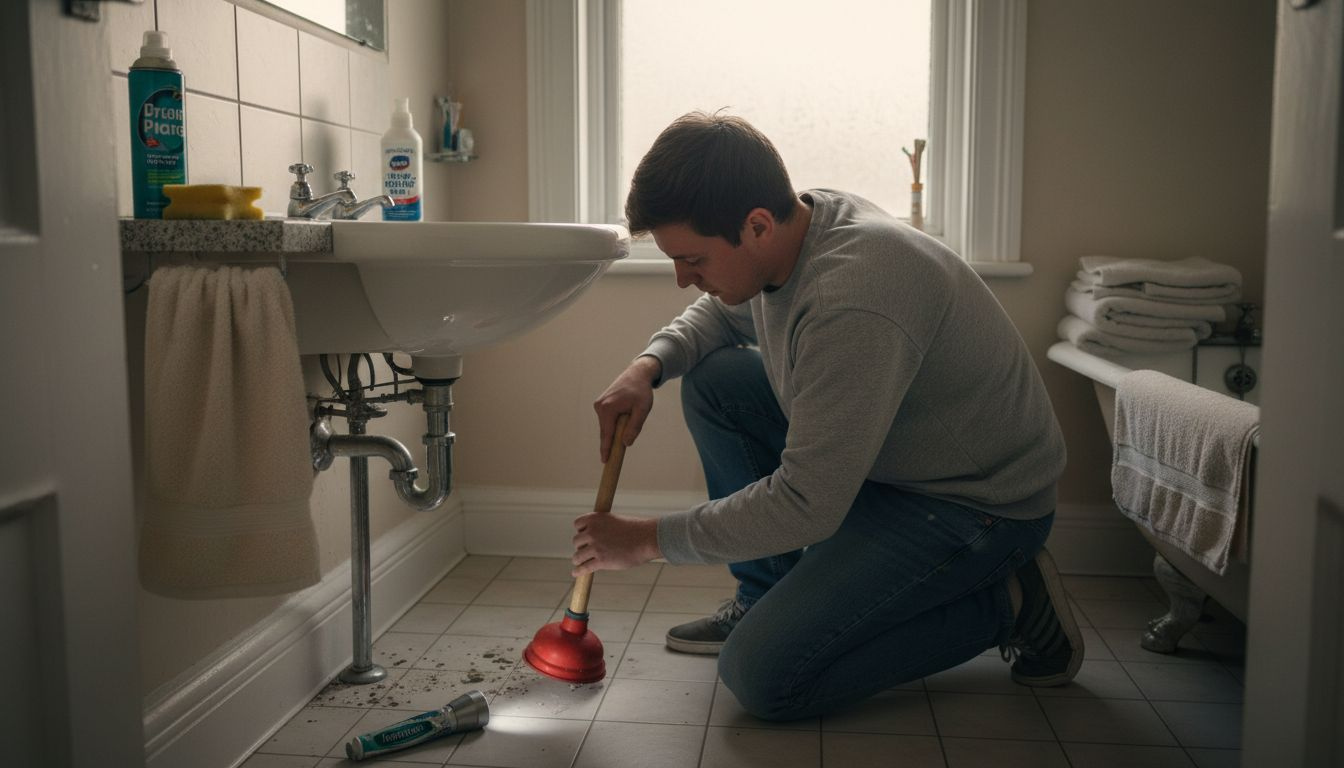
Manual drain clearing methods require a systematic and patient approach. Begin by using your plunger to create suction and dislodge minor blockages. Apply firm, consistent pressure with vertical movements, ensuring a tight seal around the drain opening:
- Position the plunger directly over the drain
- Push down firmly to create a complete seal
- Use quick, vigorous up-and-down motions
- Repeat 10-15 times
- Check if water starts to drain
Drain rods can be particularly effective for more stubborn blockages. Insert them carefully into the drain, rotating clockwise to prevent unscrewing. Gently push and twist to break through potential obstructions like accumulated debris or minor root intrusions.
Professional drainage specialists recommend using manual tools with precision and care to avoid causing additional damage to your drainage system.
If plunging and rodding do not resolve the issue, you may need to consider more advanced techniques or professional intervention. Pay close attention to how the blockage responds to your initial clearing attempts, as this can provide valuable insights into the underlying problem.
Expert tip: Always clean and disinfect your tools thoroughly after use to prevent potential cross-contamination and maintain hygiene standards.
Step 4: Utilise high-pressure water jetting safely
High-pressure water jetting represents a powerful technique for effectively clearing stubborn drain blockages. This advanced method requires careful preparation, specialised equipment, and strict adherence to safety protocols to ensure successful and risk-free drain maintenance.
Water jetting safety protocols demand comprehensive precautions before beginning the operation. Essential safety equipment and preparations include:
- Full-body protective clothing
- Safety goggles or face shield
- Waterproof gloves
- Steel-toed boots
- Protective hearing equipment
- Designated safety barriers around the work area
Water pressure management is critical when using high-pressure equipment. Professional systems typically operate at pressures exceeding 3000 psi, which requires precise control and expert handling. Maintain a consistent distance from the drain opening and adjust nozzle angles carefully to maximise cleaning effectiveness while minimising potential pipe damage.
High-pressure water jetting requires professional training and strict adherence to safety guidelines to prevent potential injury or property damage.
Before starting, inspect your water jetting equipment thoroughly. Check all connections, hoses, and nozzles for potential wear or damage. Ensure you have a clear understanding of the equipment’s operational parameters and maintain a controlled, methodical approach throughout the cleaning process.
The table below compares manual blockage removal methods and water jetting for drain clearance:
| Method | Best For | Required Skill | Main Risk |
|---|---|---|---|
| Plunger/Rods | Minor to moderate clogs | Basic DIY | Possible pipe damage if forced |
| Water Jetting | Stubborn blockages | Professional level | Injury or severe pipe damage |
Expert tip: Always establish a clear safety perimeter and ensure no unauthorised personnel are near the work area during high-pressure water jetting operations.
Step 5: Verify drainage effectiveness and prevent future issues
After clearing your drain, verifying the effectiveness of your intervention is crucial to ensure long-term drainage health and prevent recurring problems. A systematic approach will help you identify any underlying issues and develop a proactive maintenance strategy.
CCTV drain surveys provide an excellent method for comprehensive drainage system evaluation. This non-invasive technique allows you to inspect underground pipes and identify potential problems:
- Check for pipe fractures
- Detect root intrusions
- Identify pipe misalignments
- Assess overall pipe condition
- Locate potential blockage points
Drainage system maintenance involves more than just clearing current blockages. Pay attention to these key preventative measures:
- Document any identified issues
- Photograph pipe conditions
- Note precise locations of potential problems
- Consider professional assessment if complex issues emerge
Regular maintenance and professional inspections are essential to preventing costly and disruptive drainage emergencies in the future.
Educate household members about proper drainage practices, such as avoiding flushing inappropriate materials and understanding what can and cannot go down your drains. Implementing these practices will significantly reduce the likelihood of future blockages and maintain your drainage system’s long-term health.
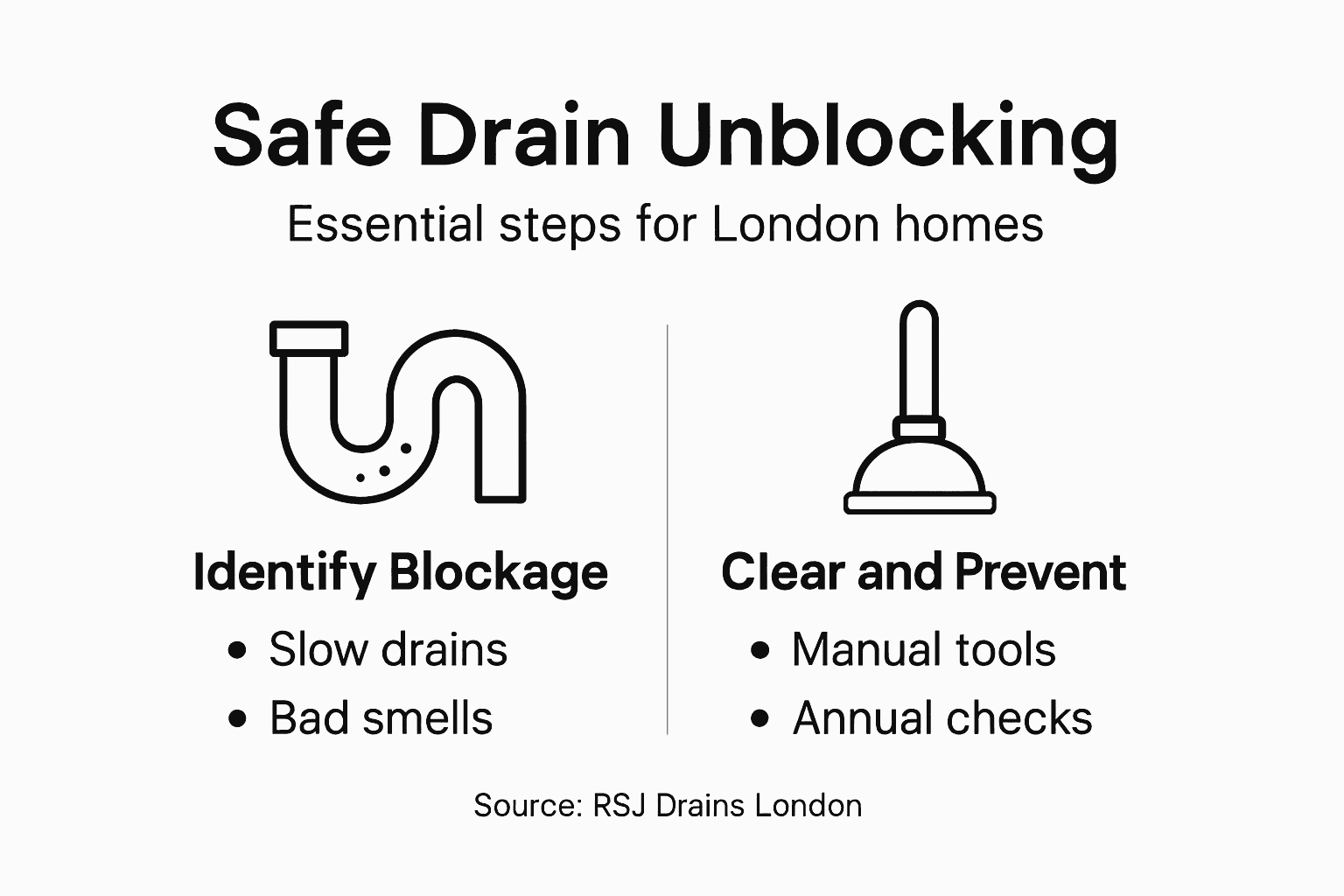
Expert tip: Schedule annual professional drain inspections to catch potential issues before they become expensive emergencies.
Fast and Reliable Drain Unblocking Solutions in London
Blocked drains can cause serious disruption and stress, especially when faced with slow drainage, water backing up, or persistent gurgling sounds. The challenge is not just clearing the blockage but doing it safely and effectively to prevent recurring problems and protect your property. This is where expert help with professional drain clearing methods such as manual removal, high-pressure water jetting, and detailed CCTV inspections becomes invaluable.
If you want to resolve drainage issues quickly with trusted, local expertise, RSJ Drains is ready to assist you across Greater London. Our family-run company guarantees a fast response within two hours for emergencies and provides comprehensive solutions including CCTV drainage surveys and safe high-pressure water jetting. Don’t let a blocked drain turn into an expensive emergency. Visit RSJ Drains now and secure professional support that prioritises safety, reliability and affordability.
Frequently Asked Questions
How do I identify the signs of a blockage in my drains?
Identifying the signs of a blockage includes looking for slow drainage, unusual gurgling sounds, and unpleasant odours. Start by inspecting sinks, showers, and toilets to catch these symptoms early.
What tools do I need to unblock my drains effectively?
To unblock your drains effectively, gather protective rubber gloves, a plunger, drain rods, and a bucket. Prepare your workspace by laying down old towels to catch spills and maintain cleanliness.
What should I do if manual methods like plunging do not work?
If manual methods like plunging do not resolve the blockage, consider using drain rods to reach deeper obstructions. Insert the rods carefully, rotating them clockwise to dislodge stubborn blockages and alleviate the situation.
Is high-pressure water jetting safe for clearing drain blockages?
High-pressure water jetting is a powerful technique, but it requires strict adherence to safety protocols. Always wear full protective gear and manage water pressure carefully to prevent injury or damage to your drainage system.
How can I prevent future blockages in my drains?
To prevent future blockages, educate household members about proper drainage practices, such as not disposing of inappropriate materials. Schedule annual inspections to check for potential issues and maintain a healthy drainage system.
What can I do to verify if my drains are functioning properly after unblocking?
After unblocking, verify drainage effectiveness by observing water flow and considering a CCTV drain survey for a thorough evaluation. Conduct this check within a few days to ensure no underlying issues persist.
Recommended
- Experiencing Sink Blockage in North London? Call RSJ Drains
- Reliable Blocked Drain Repairs and Services in North London
- Affordable & Reliable Blocked Toilet Services in North London
- Blocked Sink Knightsbridge ✔️ RSJ Drains 📞 020 3566 6031
- 7 Essential Types of Plumbing Solutions for Hampshire Homes – Skan Plumbing & Heating