Blocked drains and unpleasant smells can disrupt your daily routine and lead to costly repairs. Whether you own a classic North London home or a modern flat, drainage issues often start quietly with hidden debris and minor clogs growing out of sight. The right maintenance habits protect your pipes and prevent emergencies before they ever begin.
You’ll discover practical solutions that keep your drains running freely and your home safe from water damage and odours. This guide covers simple strategies like cleaning traps, using natural remedies, and inspecting outdoor drains. Each approach is easy to follow and helps you tackle common problems straight away.
Get ready to learn actionable steps that will make your drainage system far more reliable. From quick fixes using baking soda and vinegar to professional-grade methods, you’ll find out how to prevent blockages and avoid the stress of unexpected plumbing disasters.
Table of Contents
- Routine Sink and Shower Trap Cleaning
- Using Natural Solutions for Minor Clogs
- The Importance of Regular Drain Inspections
- Preventing Blockages with Drain Guards
- High-Pressure Water Jetting Techniques
- Checking and Maintaining Outdoor Drains
Quick Summary
| Takeaway | Explanation |
|---|---|
| 1. Clean traps regularly | Clean your sink and shower traps every quarter to prevent blockages and unpleasant odours. |
| 2. Use natural remedies for clogs | Try boiling water and a baking soda-vinegar mix to clear minor clogs without chemicals. |
| 3. Schedule regular drain inspections | Annual inspections help catch hidden issues before they escalate into costly emergencies. |
| 4. Install drain guards | Use drain guards to catch debris and prevent blockages before they form. |
| 5. Maintain outdoor drains seasonally | Regularly check and clear outdoor drains to prevent flooding and water damage around your property. |
1. Routine Sink and Shower Trap Cleaning
Your sink and shower traps work quietly behind the scenes, but they need regular attention. These curved pipes hold water that blocks foul odours from escaping your drains, yet they’re also where debris accumulates and causes blockages.
Understanding your waste traps is the first step to preventing drainage problems. The most common types include P traps (curved pipes under sinks), U bends, and bottle traps. Each contains a water seal that’s crucial for odour control, but that same water catch can trap hair, soap scum, and dirt over time.
Why does this matter? When debris builds up in your trap, water flows slowly or stops entirely. You’ll notice standing water, unpleasant smells, or worse, a complete blockage requiring professional help. Regular cleaning prevents all of this.
Trap maintenance is simple but essential, because a small amount of debris today becomes a costly blockage tomorrow.
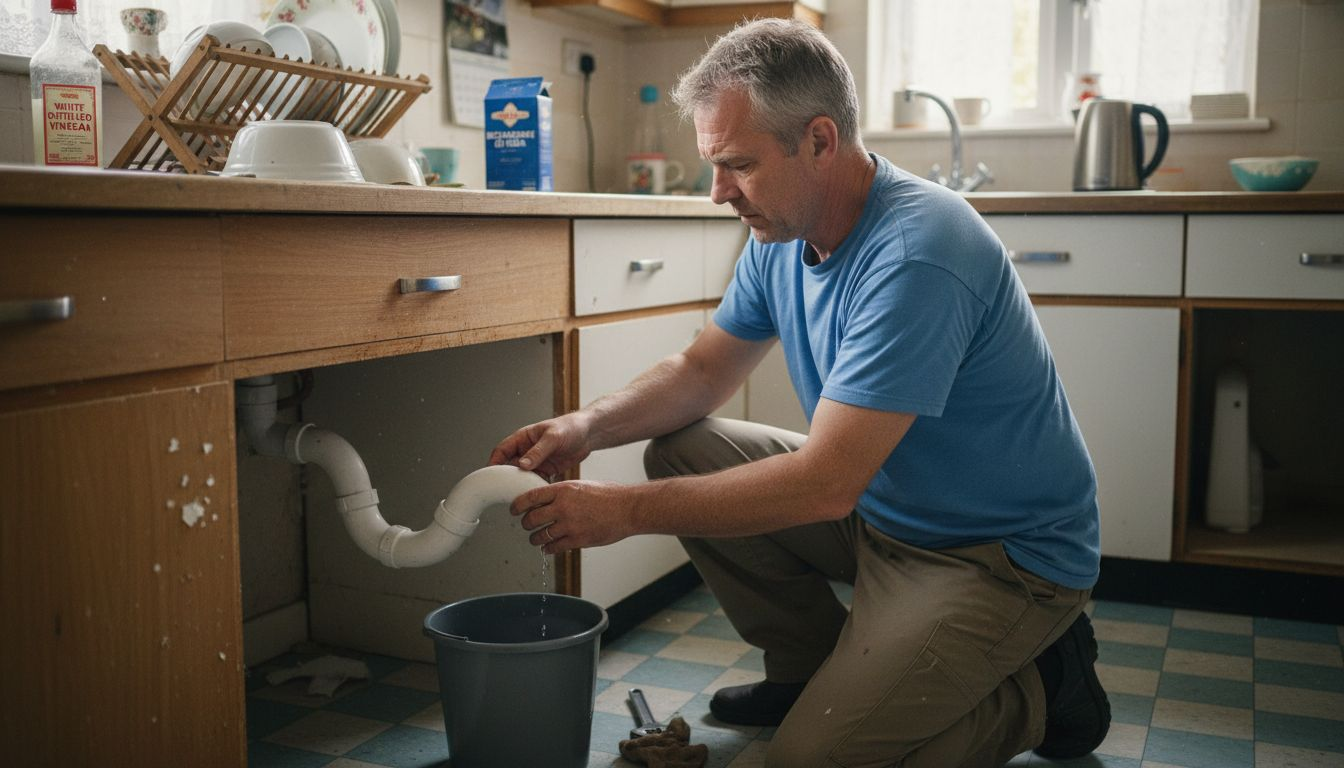
How to clean your traps safely:
- Place a bucket underneath before loosening the trap
- Turn the union nut anticlockwise to disconnect the trap
- Pour out trapped water and debris into the bucket
- Use a cloth or small brush to remove stubborn buildup
- Rinse thoroughly with clean water
- Reattach securely and check for leaks
The beauty of routine trap cleaning is that it takes minutes but saves months of drainage grief. Most homeowners should clean their traps quarterly, though homes with heavy usage might need monthly attention.
What you’ll typically find includes hair, soap residue, and food particles. The water seal itself must always remain intact, as this is what prevents sewer gases from entering your home. If you remove the trap and the water drains away, you’ve broken the seal, so refill it carefully when reinstalling.
If your traps need professional attention or you’ve discovered a blocked sink in North London, RSJ Drains can assist with thorough cleaning and inspection.
Pro tip: Set a calendar reminder for quarterly trap cleaning and do it before problems develop, saving yourself emergency call-outs and expensive repairs down the line.
2. Using Natural Solutions for Minor Clogs
Minor clogs don’t always require harsh chemicals or emergency drain calls. Natural solutions can dissolve buildup gently whilst keeping your pipes and the environment safe from damage.
The culprits behind most minor clogs are surprisingly simple. Fats, oils, and grease solidify as they cool, coating your pipes and trapping other debris like hair and food particles. When you avoid pouring these substances down your drains and instead dispose of them properly, you’ve prevented most common blockages before they start.
Your first line of defence is prevention. Use strainers in your sinks and showers to catch hair and debris before they enter your pipes. This single habit stops the majority of minor clogs from forming.
Natural drain maintenance works best when you prevent problems rather than trying to fix them after they’ve developed.
When minor clogs do occur, try these natural methods first:
- Pour boiling water down the drain to dissolve grease and flush debris
- Mix baking soda and vinegar to create a gentle fizzing action that breaks down buildup
- Leave the mixture for 30 minutes, then flush with hot water
- Repeat weekly as preventative maintenance
According to research on preventing blocked drains, baking soda and vinegar reactions can dissolve accumulated materials without damaging your pipes. The fizzing action physically breaks apart stubborn deposits whilst being completely safe for your plumbing system.
Avoid disposable wipes entirely, even those labelled “flushable”. They don’t break down and cause serious blockages further down your system. The same applies to cotton wool, dental floss, and feminine hygiene products.
Regular hot water flushing is perhaps your most underutilised tool. Once weekly, boil a kettle and pour it slowly down each drain. This prevents fat accumulation and keeps water flowing freely. Your pipes benefit from this simple habit more than you’d expect.
For stubborn minor clogs, the baking soda and vinegar combination is your answer. It’s non-toxic, inexpensive, and remarkably effective at dissolving organic buildup without introducing harsh chemicals into your home plumbing or local water systems.
Pro tip: Keep a box of baking soda under your sink and schedule weekly vinegar flushes on the same day you clean your bathroom, making drain maintenance part of your regular routine rather than an afterthought.
3. The Importance of Regular Drain Inspections
Many homeowners ignore their drains until something goes wrong. Regular inspections catch problems early, saving you thousands of pounds in emergency repairs and preventing serious property damage.
Think of drain inspections like health check-ups for your plumbing system. They reveal hidden issues before they become catastrophic. Early detection of blockages, structural damage, or contamination risks allows you to address problems whilst they’re still manageable and affordable.
Common issues inspections catch include tree roots penetrating pipes, broken or cracked sections, and accumulated debris that’s starting to restrict flow. Without inspection, these problems worsen silently until your drains back up or burst entirely. By then, you’re facing excavation work and substantial costs.
Regular inspections transform drain maintenance from reactive crisis management into proactive prevention, protecting both your home and your finances.
Why inspections matter for North London homeowners specifically:
- Older properties often have Victorian-era pipes susceptible to damage
- Tree roots are common culprits in London’s tree-lined streets
- Clay soil around many London homes shifts and stresses pipes
- Early intervention prevents flooding and environmental contamination
- Documentation helps with insurance claims and property sales
Professional inspections use advanced technology to identify problems you cannot see. CCTV drain surveys show exactly what’s happening inside your pipes, from minor blockages to structural failures. This certainty eliminates guesswork and ensures targeted repairs.
Research shows that detecting blockage causes early through inspection permits targeted cleaning or repairs, minimising property damage and health hazards. The investment in inspection pays for itself within the first prevented emergency call-out.
How often should you schedule inspections? Annual inspections for older homes, every two years for newer properties, or immediately if you notice slow drainage or unusual odours. Properties with known drainage issues benefit from more frequent checks.
You don’t need to wait for problems to appear. Preventative inspection is far cheaper than emergency repair. Document your findings so you have evidence if future issues develop, and you’ll understand your drainage system’s actual condition.
Pro tip: Schedule your inspection during dry weather months, as heavy rain can temporarily mask issues and make accurate assessment difficult.
4. Preventing Blockages with Drain Guards
Drain guards are one of the simplest yet most effective tools in your maintenance arsenal. These inexpensive devices catch debris before it enters your pipes, stopping blockages at the source rather than dealing with them later.
What drain guards do is straightforward. They sit over your sink or shower drain and trap hair, food scraps, soap residue, and other debris. Nothing gets into your pipes unless it’s water or very small particles. This physical barrier prevents the majority of household blockages from forming.
Your shower drain is particularly vulnerable to hair buildup. A single drain guard can catch months’ worth of hair that would otherwise coat your pipes and trap other debris. The same applies to kitchen sinks, where food particles combine with grease to create stubborn clogs.
Drain guards are your first line of defence, stopping blockages before they start rather than hoping professional cleaning won’t become necessary.
Why drain guards matter:
- Hair accumulation is a leading cause of household drain blockages
- Food scraps break down slowly in pipes and attract other debris
- Soap residue combines with minerals to form persistent buildup
- Guards work continuously without effort or maintenance chemicals
- They’re inexpensive to purchase and replace
These devices come in various styles to fit different drain types. Pop-up guards work with modern sink drains, whilst mesh inserts fit standard shower drains. Choose one that sits securely and won’t trap water itself. The best guards allow water to flow freely whilst catching debris.
Using drain guards alongside responsible disposal habits significantly reduces your chance of clogging and costly plumbing issues. Combined with binning fats instead of pouring them down the sink, guards form an effective first defence against clogs.
Empty your drain guards weekly rather than waiting until they’re overflowing. This prevents water from pooling and keeps your drains flowing at peak efficiency. It’s a two-second task that saves serious problems.
Don’t assume your drains are fine without guards. Install them now and notice how much debris they catch. You’ll be surprised by what would otherwise be entering your pipes.
Pro tip: Keep spare drain guards under your sink so you can replace them immediately if one gets damaged, ensuring protection never lapses.
5. High-Pressure Water Jetting Techniques
When standard cleaning methods fail, high-pressure water jetting delivers professional-grade results that restore your drains to full capacity. This powerful technique blasts away stubborn blockages that manual tools simply cannot reach.
High-pressure water jetting uses pressurised water streams to scour the inside of your pipes, removing grease, tree roots, mineral deposits, and compacted debris. The force is adjustable so professionals can target specific problems without damaging your plumbing system.
This method works where other approaches fail because nothing resists the sheer force of pressurised water. Grease that’s hardened into concrete-like buildup dissolves and washes away. Tree roots that have penetrated your pipes get cut back and flushed out. Mineral deposits that have narrowed your pipes gradually break down and clear.
High-pressure water jetting transforms impossible blockage situations into manageable problems, often avoiding the need for expensive excavation.
When should you consider jetting:
- Recurring blockages that keep coming back
- Complete drain stoppages unresponsive to other methods
- Grease buildup in commercial kitchens or older homes
- Tree root intrusion in your drainage system
- Pre-purchase inspections showing stubborn deposits
- Preventative maintenance on drains with known issues
The process is straightforward but requires professional equipment and expertise. Technicians insert a specialised nozzle into your drain and direct pressurised water throughout your pipe system. Different nozzle types handle different problems, from cutting roots to dissolving grease.
Why professionals matter here. Incorrect pressure can damage older pipes or clay drains common in North London properties. Professionals assess your drain jetting needs based on pipe material and condition before proceeding.
This technique is environmentally friendly because it uses only water, no harsh chemicals. The debris it removes gets flushed safely away or captured for proper disposal. Your pipes end up cleaner than they’ve been in years.
Regular jetting can become part of your maintenance plan. Some commercial properties benefit from annual jetting to prevent buildup before it becomes problematic. Residential homes rarely need it more than every few years unless they have specific issues.
The cost of professional jetting is typically far less than excavation or pipe replacement. One treatment often prevents years of blockage problems, making it a sound investment in your drainage system’s health.
Pro tip: Request a CCTV survey before and after jetting so you have documented evidence of the improvement and clear records for future reference.
6. Checking and Maintaining Outdoor Drains
Outdoor drains often get forgotten until they cause serious problems. These surface water drainage systems quietly handle rainfall and groundwater, yet they’re vulnerable to blockages that can lead to flooding and property damage.
Outdoor drains serve a critical function by directing water away from your property and into the public system or soakaway. When they’re blocked by leaves, debris, soil, or structural damage, water pools around your foundations and can penetrate your home.
Unlike indoor drains you use daily, outdoor drains work silently in the background. You might not notice they’re blocked until heavy rain causes water to back up or pool on your driveway and patio. By then, damage is often underway.
Outdoor drain maintenance is preventative work that stops expensive flooding and foundation damage before it starts.
What blocks outdoor drains most commonly:
- Autumn leaves and seasonal debris accumulation
- Soil erosion into drainage channels
- Tree roots seeking moisture in drain pipes
- Structural damage from ground movement or frost
- Gravel or landscaping materials displaced into drains
- Silt and sediment buildup over time
Check your outdoor drains seasonally, especially before and after autumn when leaf fall is heaviest. Look for standing water, soggy patches in your garden, or water pooling on hard surfaces. These signs indicate blockages need clearing.
According to sustainable drainage system standards, regular inspections and preventive maintenance minimise flood risks and environmental harm. This applies to residential properties as much as commercial installations.
Clear visible debris from drain grates and inspection covers yourself. Remove accumulated leaves and soil using a scoop or small shovel. This simple habit prevents most blockages from developing.
For deeper issues like structural damage or roots inside pipes, professional assessment is necessary. CCTV surveys can identify problems inside your drainage system that surface inspection cannot reveal. This clarity helps you prioritise repairs and budget accordingly.
Don’t assume underground drains are fine simply because you cannot see them. Include them in your regular maintenance routine alongside indoor drain checks. Your property’s safety depends on both working correctly.
Pro tip: Schedule outdoor drain checks in late September before autumn leaves fall heavily, and again in January after winter weather passes, catching seasonal problems before they cause flooding.
Below is a comprehensive table summarising the main approaches, benefits, and considerations for routine drain maintenance and clearing techniques discussed throughout the article.
| Method | Implementation Steps | Benefits |
|---|---|---|
| Routine Trap Cleaning | Disconnect the trap, clean debris, and reattach | Prevents odours, blockages, and costly repairs |
| Natural Solutions | Utilise baking soda and vinegar, flush with hot water | Safe, effective, and eco-friendly drain clearing |
| Regular Drain Inspections | Schedule periodic professional assessments | Early detection of issues ensures cost-effective resolutions |
| Drain Guards | Install protective covers on drains | Prevents debris entry and reduces blockages |
| High-Pressure Jetting | Employ professional equipment for severe blockages | Restores full function and clears resilient clogs |
| Outdoor Drain Maintenance | Clear visible debris and check for pooling water | Prevents flooding and foundation damage |
Protect Your Home with Expert Drain Maintenance Solutions
Every homeowner knows the frustration of slow drains, foul odours, or the anxiety that comes with unexpected blockages. The article highlights key challenges like clogged traps, build-up of grease, and the risks from tree roots or outdoor drain blockages. At RSJ Drains, we understand that routine drain cleaning, detailed inspections, and advanced methods such as high-pressure water jetting are essential to avoid costly repairs and potential flooding. Our family-run business combines local knowledge with professional expertise to keep your property safe and your drains flowing freely.
Don’t wait for a small problem to turn into an emergency. Experience the peace of mind that comes with rapid response times and comprehensive services across Greater London. Whether you need a professional CCTV drainage survey, efficient drain jetting, or urgent unblockings, RSJ Drains is ready to help. Act now to secure your home’s drainage health by visiting RSJ Drains or exploring how our drain maintenance services can prevent blockages before they begin.
Frequently Asked Questions
How often should I clean my sink and shower traps?
Regular cleaning of sink and shower traps is essential. Aim to clean your traps quarterly, or monthly if your household usage is heavy, to prevent debris build-up and blockages.
What natural solutions can I use for minor clogs in my drains?
For minor clogs, use boiling water to dissolve grease and a mixture of baking soda and vinegar for a gentle clean. Pour boiling water first, then add the baking soda and vinegar mixture, and flush with hot water after 30 minutes to keep your drains clear.
How can I conduct a drain inspection at home?
You can inspect your drains by looking for standing water, unusual odours, or slow drainage. Make it a practice to check your drains annually, or earlier if you notice any issues, to catch potential problems before they escalate.
Why are drain guards important for preventing blockages?
Drain guards are effective for catching hair, food scraps, and debris before they enter the pipes. Install drain guards over sinks and showers to significantly reduce the likelihood of clogs in your drainage system.
When should I consider high-pressure water jetting for my drains?
Consider high-pressure water jetting if you experience recurring blockages that regular methods cannot resolve. This technique is especially useful for removing stubborn grease or tree roots and can be part of your maintenance plan every few years, depending on your drainage system’s condition.
How can I maintain my outdoor drains to prevent flooding?
To maintain outdoor drains, check them seasonally for leaves, soil, and debris. Clear visible obstructions regularly, especially in autumn, to prevent potential flooding and protect your property from water damage.