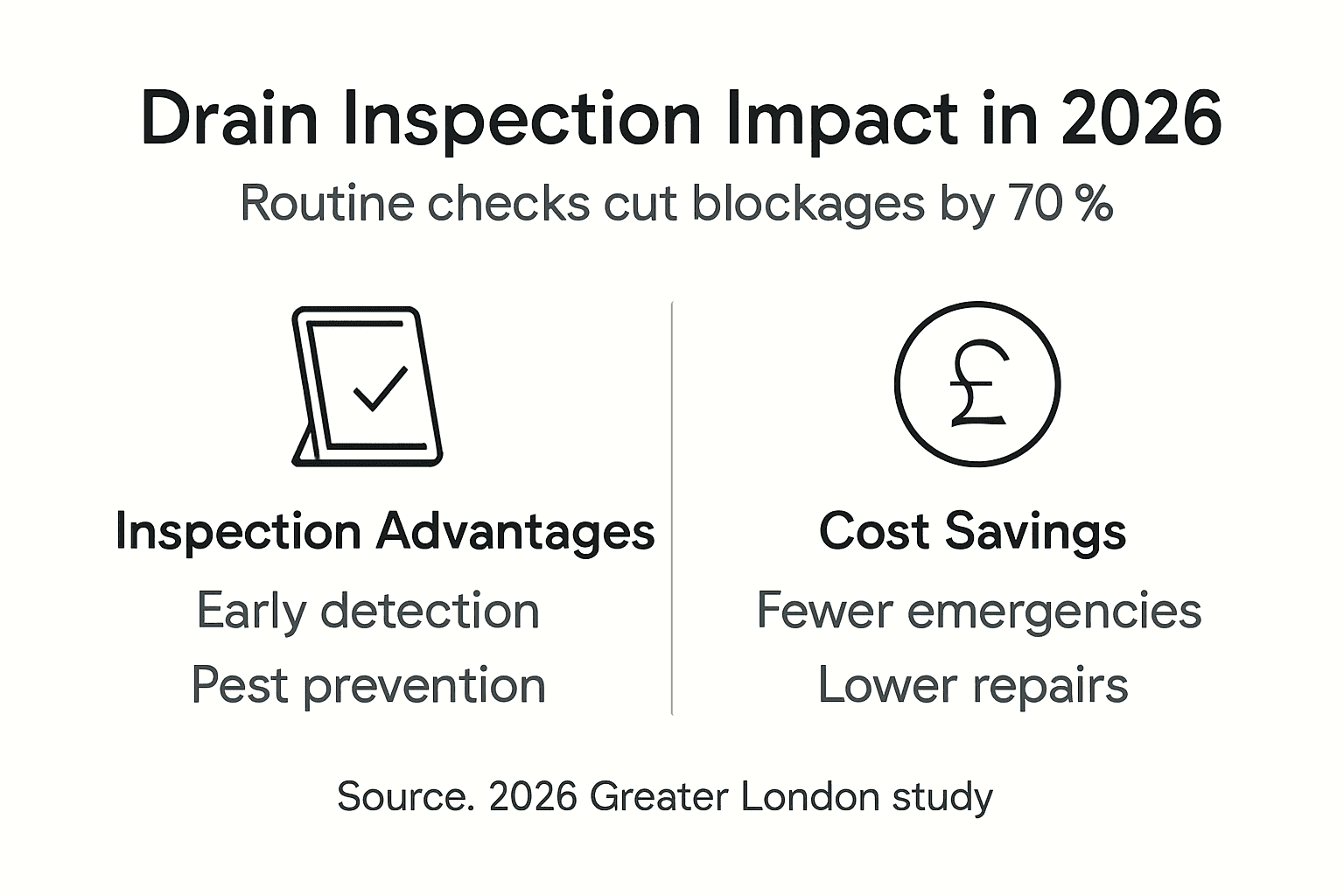
Routine drain inspections can reduce emergency blockages by up to 70% according to drainage industry research. Yet many Greater London property owners wait until problems arise before taking action. This guide explores why regular inspections are essential, how CCTV technology detects hidden damage, optimal inspection frequency, and complementary maintenance techniques that keep your drainage system functioning reliably year after year.
Table of Contents
- Introduction To Routine Drain Inspections And Their Importance
- Why Routine Drain Inspections Are Essential
- How Inspections Detect Hidden Damage
- Inspection Frequency And Scheduling Guidelines
- Complementary Drain Maintenance Techniques
- Avoiding Secondary Problems Through Inspection
- Professional Inspection Services And Rapid Response
- Conclusion And Summary Of Benefits
- Ensure Your Drains Are Protected With Expert Inspection Services
- Frequently Asked Questions
Key takeaways
| Point | Details |
|---|---|
| Inspections prevent blockages | Routine inspections reduce emergency blockages by up to 70% through early detection. |
| CCTV surveys detect hidden defects | CCTV technology identifies over 90% of internal pipe damage before visible symptoms appear. |
| Recommended inspection frequency | Schedule inspections every 12 to 18 months for optimal prevention in Greater London properties. |
| Neglect risks costly repairs | Skipping inspections leads to emergency call-outs, extensive damage, and health hazards from poor drainage. |
| Complementary maintenance enhances results | High-pressure jetting and drain relining alongside inspections maximise drainage system longevity. |
Introduction to routine drain inspections and their importance
Routine drain inspection involves regular professional assessment of underground pipes to detect issues before they escalate into costly emergencies. For Greater London homeowners and property managers, this proactive approach protects property value whilst avoiding disruptive drainage failures.
Common drainage problems in the capital include blockages from tree roots, collapsed pipe sections, concealed leaks, and accumulated debris buildup. Traditional reactive approaches only address symptoms after damage occurs. Modern drain inspection methods enable early intervention that prevents most serious problems.
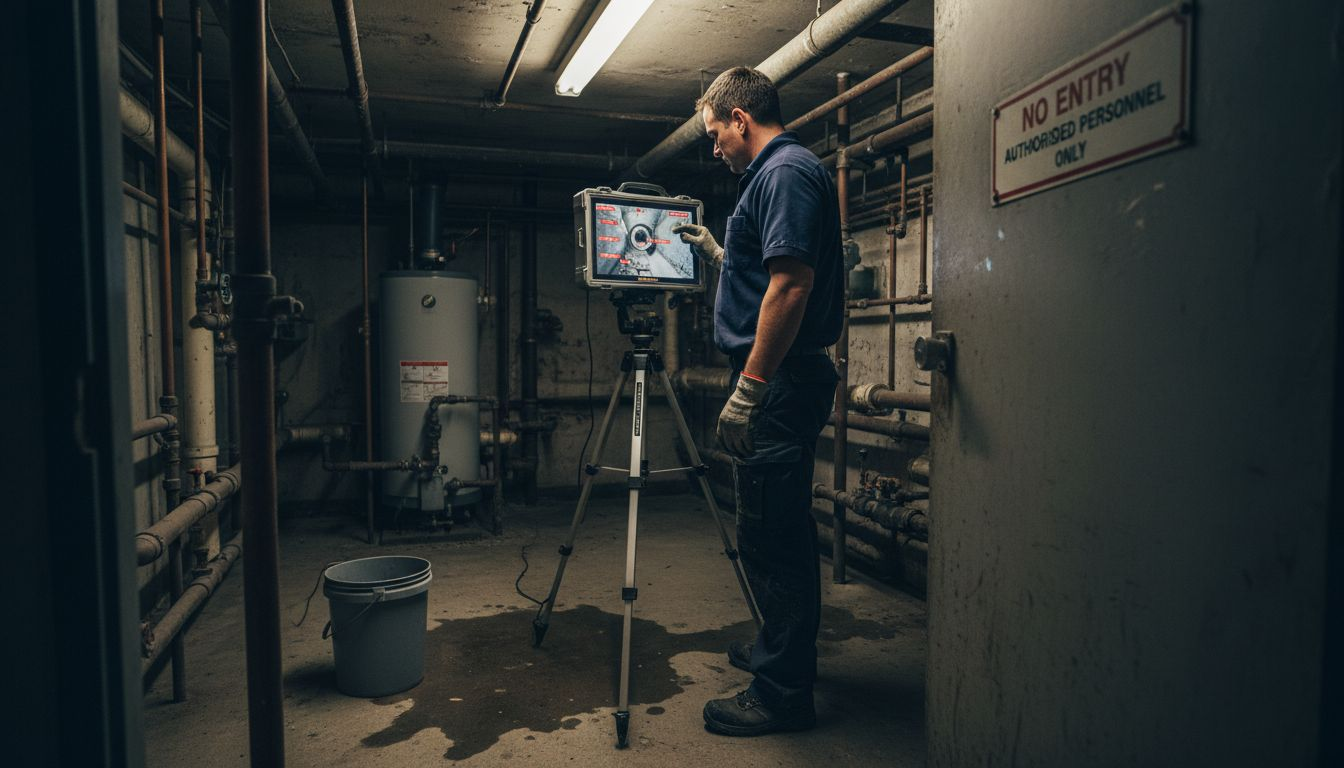
CCTV drainage surveys provide detailed internal pipe viewing, allowing technicians to spot cracked, displaced or leaking sections before visible symptoms emerge. This technology detects over 90% of hidden defects that visual inspection would miss entirely. For property managers overseeing multiple buildings, this precision enables targeted maintenance scheduling.
Regular drainage inspections in London form the foundation of preventive maintenance strategies. By identifying vulnerabilities early, you avoid emergency scenarios that disrupt tenants and require urgent expensive repairs.
Modern inspection tools include:
- CCTV cameras with high-resolution imaging for detailed pipe interiors
- Acoustic sensors detecting leaks through sound wave analysis
- Smoke testing revealing concealed drainage pathway problems
- Sonar mapping technology for comprehensive system assessment
Following a structured drain maintenance checklist ensures inspections complement other preventive measures. This integrated approach delivers maximum protection against drainage system failures.
Why routine drain inspections are essential
Early detection during inspections identifies blockages, fractures, and leaks whilst they remain minor and manageable. Small cracks detected through CCTV become major ruptures if ignored. Root intrusion caught early requires simple clearing, but advanced cases demand pipe replacement.
Cost implications favour prevention overwhelmingly. Emergency drain clearing typically costs three to five times more than scheduled maintenance visits. Major repairs from collapsed pipes can reach thousands of pounds, whilst routine inspections cost a fraction of reactive interventions.
Proactive inspection reduces blockage occurrence by 80% compared to reactive methods. This statistic reflects how early intervention prevents minor issues escalating into complete system failures.
“Proactive inspection reduces blockage occurrence by 80% compared to reactive methods, demonstrating the financial and operational value of scheduled drainage assessments.”
Specific benefits include:
- Reduced emergency call-outs saving time and money
- Extended drainage system lifespan through timely repairs
- Fewer property disruptions protecting tenant satisfaction
- Lower health risks from sewage backups and contamination
- Better budget predictability through planned maintenance
Drainage inspections that cut risks by 60% enable property managers to schedule necessary maintenance during convenient periods. This planning prevents breakdowns during peak usage times or adverse weather when drainage capacity matters most.
Understanding drain maintenance benefits helps prioritise inspection frequency. Properties with mature trees nearby require more frequent checks due to root intrusion risks. Older buildings with original Victorian-era pipes benefit from annual assessments.
How inspections detect hidden damage
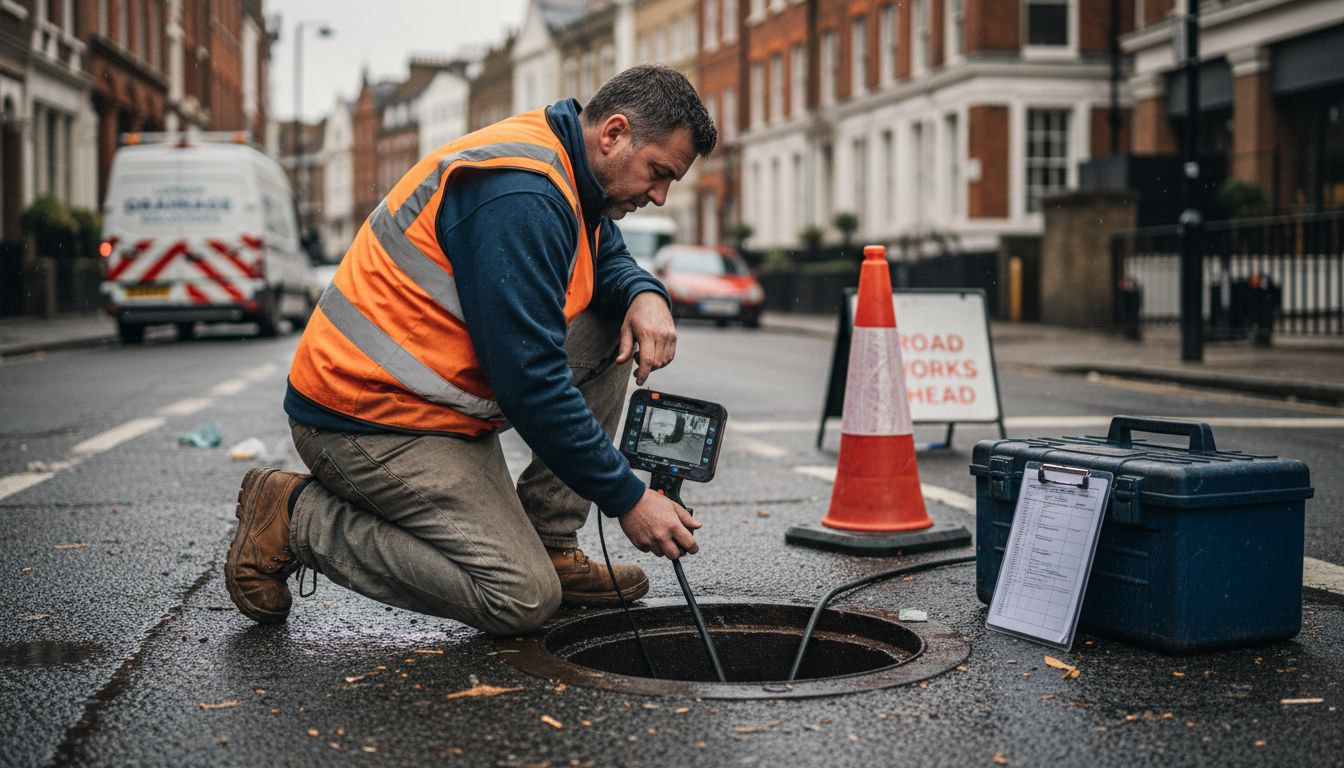
CCTV cameras inserted into drains provide real-time high-resolution views inside pipes without excavation. Flexible camera heads navigate bends and junctions, whilst technicians analyse footage to identify defects. This non-invasive approach reveals internal pipe conditions impossible to assess otherwise.
| Method | Accuracy | Invasiveness | Cost | Hidden Defect Detection |
|---|---|---|---|---|
| CCTV survey | Detects over 90% of defects | Non-invasive | Moderate | Excellent |
| Traditional visual | 30 to 40% detection rate | Requires access points | Low | Poor |
| DIY inspection | Under 20% detection | Limited scope | Very low | Minimal |
Common hidden defects found during professional surveys include:
- Hairline cracks allowing water seepage and soil infiltration
- Displaced joints creating flow restrictions and debris traps
- Tree root ingress penetrating pipe walls seeking moisture
- Internal corrosion weakening structural integrity
- Offset pipe sections causing drainage slowdowns
Pro Tip: Ensure CCTV surveys are performed by certified professionals who provide detailed reports with timestamped footage and specific location markers for identified problems.
CCTV data supports targeted repairs by pinpointing exact problem locations. Rather than excavating entire pipe runs, contractors access only affected sections. This precision reduces repair costs and property disruption significantly.
Different inspection methods suit various scenarios. CCTV excels for comprehensive assessments, whilst acoustic testing identifies concealed leaks in buried pipes. Combining techniques delivers complete drainage system intelligence.
Long-term monitoring through periodic CCTV drain surveys tracks deterioration rates. Comparing footage from successive inspections reveals whether problems are stable, improving, or worsening. This trend analysis informs maintenance priorities and budget allocation.
Inspection frequency and scheduling guidelines
Inspection intervals of every 12 to 18 months suit most Greater London homes and commercial properties. This frequency catches developing problems before they cause failures whilst remaining cost-effective. Properties with known drainage vulnerabilities benefit from annual inspections.
Seasonal factors influence optimal timing. Autumn leaf fall clogs drains and gullies, whilst winter rains test system capacity under peak flow conditions. Spring inspections following harsh weather reveal damage from freeze-thaw cycles and storm surges.
Older properties with original drainage infrastructure require more frequent assessment. Victorian and Edwardian buildings often have clay pipes susceptible to root intrusion and structural degradation. Annual inspections protect these vulnerable systems.
Scheduling tips include:
- Set annual reminders for inspection bookings during quieter months
- Combine inspections with seasonal maintenance visits for efficiency
- Consider property usage intensity when determining frequency
- Schedule pre-winter checks ensuring system readiness for peak demand
- Maintain inspection records tracking identified issues and repairs
Consistent scheduling reduces emergency costs substantially. Properties inspected regularly experience fewer unexpected failures requiring urgent intervention. Following a comprehensive drain maintenance guide helps integrate inspections into broader property care routines.
Better long-term drain condition management emerges from scheduled assessments. Tracking system health over years reveals deterioration patterns, enabling proactive pipe replacement before catastrophic failures occur. This strategic approach protects property value and tenant satisfaction.
Complementary drain maintenance techniques
High-pressure water jetting clears blockages and removes debris, roots, and grease accumulation effectively. Jetting heads propel water at pressures up to 4000 psi, scouring pipe interiors clean. This technique complements inspections by addressing problems identified during CCTV surveys.
Drain relining repairs damaged pipes internally without excavation. Technicians insert resin-impregnated liners into existing pipes, then cure them to form new structural pipe walls. This trenchless technique extends pipe life by decades whilst avoiding landscape disruption.
Complementary techniques include:
- Regular drain cleaning preventing debris accumulation
- Enzymatic treatments breaking down organic blockages safely
- Rodent-proofing installations blocking pest entry points
- Strategic pipe segment replacement for irreparable sections
- Root barrier installations preventing tree root intrusion
Pro Tip: Schedule high-pressure jetting immediately after inspections if debris or blockage signs appear, maximising the window for preventive intervention before problems worsen.
Combining inspections with maintenance reduces overall emergency incidents dramatically. Properties receiving both services experience up to 85% fewer urgent drainage calls. This integrated approach delivers superior protection compared to either service alone.
Drain relining’s role in repairs becomes apparent when inspections reveal structural damage. Rather than excavating gardens or driveways, relining restores pipe integrity from inside. This method suits properties where external access proves difficult or expensive.
Maintenance timing matters. Jetting before winter ensures maximum flow capacity during heavy rainfall periods. Spring relining repairs damage from winter conditions before summer’s lighter demands. Strategic scheduling optimises drainage performance year-round.
Avoiding secondary problems through inspection
Damaged and blocked drains provide entry points and habitats for rats seeking shelter and food sources. Breached pipes below ground level offer direct access into property foundations and internal spaces. Routine inspections identify these vulnerabilities before infestations establish.
Sanitation improvements from maintaining drains in good repair reduce bacterial contamination and foul odours. Leaking sewage pipes contaminate surrounding soil and groundwater. Prompt repairs following inspection findings protect public health and environmental quality.
Secondary benefits include:
- Reduced rodent infestation likelihood through sealed drainage systems
- Improved home hygiene eliminating sewage odour sources
- Lowered waterborne illness risk from contamination prevention
- Enhanced neighbourhood environment through proper waste management
- Better property valuations reflecting well-maintained infrastructure
Timely inspections allow early identification and repair of breaches facilitating pest ingress. Rats require openings just 20 millimetres wide to enter drainage systems. CCTV surveys spot these small defects before rodents exploit them.
Following a drain maintenance checklist ensures inspections integrate with broader pest prevention strategies. Combined with rodent-proofing installations, regular assessments create comprehensive protection against infestations.
Inspections form part of comprehensive property health and safety management. Well-maintained drainage prevents damp problems, structural damage from water infiltration, and liability issues from sewage escapes affecting neighbouring properties. This holistic approach protects both property value and owner reputation.
Professional inspection services and rapid response
Certified technicians with specialised CCTV equipment and diagnostic expertise deliver accurate problem identification. Professional-grade cameras produce clearer footage than consumer equipment, whilst experienced operators recognise subtle defect indicators that untrained observers miss.
Advantages of professional services include:
- Rapid problem identification through systematic assessment protocols
- Comprehensive reporting with annotated footage and repair recommendations
- Targeted repairs addressing root causes rather than symptoms
- Reliable emergency call-out availability for urgent drainage failures
- Insurance coverage protecting against service-related property damage
Qualities to seek in service providers:
- Extensive local Greater London experience understanding regional drainage challenges
- Full public liability insurance and industry accreditations
- Positive customer reviews demonstrating consistent service quality
- Clear communication explaining findings and repair options
- Transparent pricing with detailed quotations before work commences
Contracting professionals cuts repair time substantially. Experienced technicians diagnose problems during initial visits, often completing minor repairs immediately. This efficiency reduces property disruption and prevents problem escalation.
Professional drain inspection services provide value beyond immediate problem solving. Detailed reports document drainage system conditions, supporting property transactions and insurance claims. This documentation proves invaluable when selling properties or resolving disputes.
Having trusted inspection providers for both routine and emergency needs ensures continuity of care. Providers familiar with your drainage system spot changes faster and tailor maintenance recommendations to specific vulnerabilities. Emergency drainage services complement scheduled inspections, providing complete drainage security.
Conclusion and summary of benefits
Routine drain inspections represent wise investments for Greater London property owners. They detect hidden damage early, reduce blockages by up to 70%, and integrate with maintenance techniques for lasting drain health. This proactive approach delivers economic, structural, and health advantages.
Cost savings from fewer emergencies and extensive repairs justify inspection expenses many times over. Properties with regular inspection schedules experience predictable maintenance costs rather than unexpected financial shocks from drainage failures.
Secondary benefits of pest control and improved sanitation enhance quality of life for occupants. Well-maintained drainage systems contribute to healthier living environments and higher property values.
Schedule routine inspections with professional services to protect your property investment and ensure peace of mind. Early detection and timely intervention prevent the costly emergencies that disrupt lives and drain budgets unexpectedly.
Ensure your drains are protected with expert inspection services
RSJ Drains specialises in CCTV drain surveys and routine inspection throughout Greater London, delivering the expertise homeowners and property managers need for reliable drainage system care. Our certified technicians use advanced diagnostic equipment to identify problems early, preventing costly emergencies.
We offer comprehensive professional drain inspection services combined with high-pressure water jetting and drain relining to maintain optimal drain health. Our family-run business provides rapid two-hour emergency response alongside scheduled maintenance, ensuring your drainage systems receive attention when needed most.
Protect your property value and avoid disruptive drainage failures by scheduling regular inspections with RSJ Drains. Contact us today to arrange your comprehensive drainage services assessment and experience the peace of mind that professional care delivers.
Frequently asked questions
How often should I schedule a routine drain inspection in Greater London?
Inspections every 12 to 18 months suit most Greater London properties for optimal prevention. Older properties with original drainage infrastructure or those with known problem drains benefit from annual assessments. Following a drain maintenance guide helps determine the frequency appropriate for your specific circumstances.
Can routine drain inspections prevent pest infestations?
Yes, inspections identify breaches and entry points allowing rodents into properties, enabling timely repairs before infestations establish. Routine maintenance alongside inspections reduces pest risks significantly by sealing vulnerabilities rats exploit. Drain maintenance checklists integrate pest prevention with drainage care.
What makes CCTV drain surveys more effective than other inspection methods?
CCTV surveys provide detailed internal pipe views detecting over 90% of hidden defects non-invasively. They prove more accurate and informative than visual or DIY methods, enabling targeted cost-effective repairs. Professional CCTV drain surveys deliver comprehensive assessments impossible through traditional approaches.
Why is professional expertise important for drain inspections?
Professionals use specialised equipment and expertise to diagnose problems accurately and recommend appropriate repairs. They ensure compliance with regulations, maintain safety standards, and provide quick emergency support when necessary. Professional drain inspections deliver value through comprehensive reporting and reliable service quality.