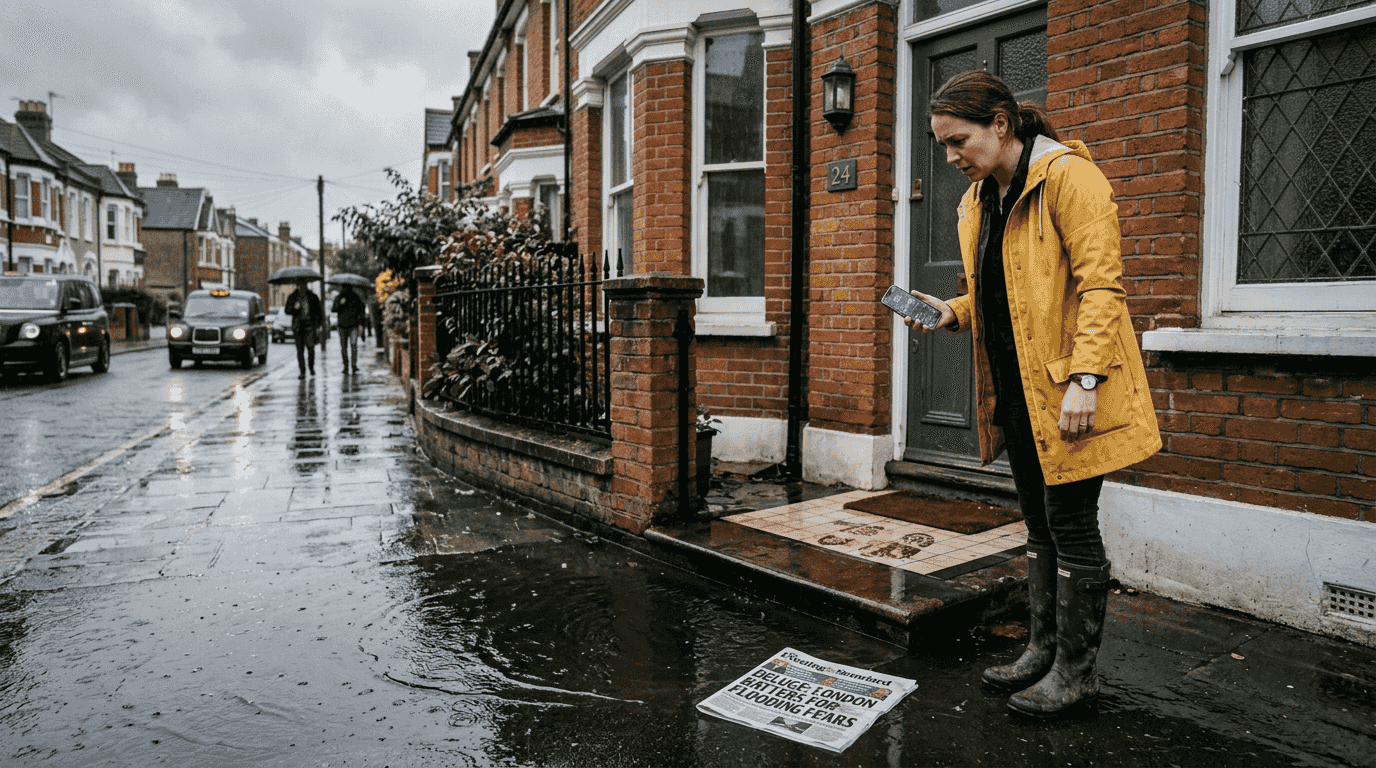
Most London homeowners assume drainage problems develop gradually, giving plenty of warning before becoming emergencies. The reality is strikingly different. Ageing Victorian and Edwardian drainage infrastructure beneath thousands of London properties can fail suddenly, turning minor issues into catastrophic emergencies within hours. This guide reveals how to recognise, respond to, and prevent drainage emergencies, protecting your property from unexpected damage and costly repairs.
Table of Contents
- The Risks And Causes Of Drainage Emergencies In London
- The Consequences Of Collapsed Drains And Sewer Flooding
- Detecting Drainage Emergencies Early: Signs And Monitoring
- Responding To Drainage Emergencies: What Homeowners Should Do
- Professional Emergency Drainage Services For London Homeowners
Key takeaways
| Point | Details |
|---|---|
| London’s ageing infrastructure | Older drainage systems built from clay or iron are highly prone to sudden collapse from wear and environmental stress. |
| Common emergency triggers | Tree root intrusion, heavy rainfall overload, and gradual system deterioration frequently cause drainage failures. |
| Serious property risks | Collapsed drains cause soil saturation, structural subsidence, sewage contamination, and significant health hazards. |
| Early detection saves money | Recognising warning signs like gurgling sounds, slow drainage, and pooling water enables prompt professional intervention. |
| Prevention is essential | Regular professional inspections and proactive maintenance prevent most drainage emergencies before they occur. |
The risks and causes of drainage emergencies in London
London’s drainage networks present unique vulnerabilities that homeowners must understand. Older drainage systems in London, often made of clay or iron, are highly susceptible to collapse due to wear and environmental pressure accumulated over decades. These materials deteriorate naturally over time, becoming brittle and prone to cracking under stress.
Tree roots from gardens and street plantings represent one of the most destructive forces affecting drainage systems. Tree roots are a significant cause of drain collapse, penetrating weak pipe joints and causing cracks or total structural failure. Roots actively seek moisture, and tiny cracks in ageing pipes provide perfect entry points. Once inside, roots expand rapidly, fracturing pipes and creating blockages that lead to complete system failure.
Climate patterns compound these structural weaknesses significantly. Heavy rainfall and surface water runoff stress drainage networks, especially in areas with compacted soil or inadequate planning. London’s increasingly intense rainfall events overwhelm systems designed for lighter, more consistent precipitation. Compacted urban soils cannot absorb excess water, forcing everything into ageing drainage infrastructure.
Several key factors elevate emergency risks for London properties:
- Victorian and Edwardian pipe materials reaching end of serviceable life after 80-120 years
- Urban development increasing impermeable surfaces and drainage load
- Vibration from traffic and construction weakening already compromised pipes
- Chemical exposure from modern cleaning products accelerating pipe degradation
- Inadequate maintenance allowing small problems to escalate unchecked
Understanding these causes helps homeowners recognise their property’s vulnerability. Homes in areas with mature trees, older construction, or heavy traffic face elevated risks. Properties in low-lying areas or those with basements require particularly vigilant monitoring. Knowing your safeguarding London homes drainage vulnerabilities enables proactive protection rather than reactive crisis management.
The consequences of collapsed drains and sewer flooding
Drainage failures unleash cascading damage that extends far beyond simple inconvenience. Collapsed drains can lead to soil saturation, causing subsidence and structural damage like cracks in walls and foundations. When drainage systems fail, water saturates the ground beneath and around your property, destabilising soil that normally supports structural loads. This saturation causes ground to shift and settle unevenly, creating visible cracks in brickwork, warped door frames, and uneven floors.

Health hazards from drainage failures present immediate risks to occupants. Collapsed drains pose health risks due to sewage leaks, which contaminate surfaces and air, leading to potential illness. Raw sewage contains harmful bacteria including E. coli, Salmonella, and hepatitis A virus. Exposure through contact or breathing contaminated air causes gastroenteritis, respiratory infections, and skin conditions. Children and elderly residents face particularly serious risks from sewage exposure.
London’s basement properties face especially acute flooding vulnerabilities. Sewer flooding affects thousands of properties annually, with basement spaces particularly susceptible. Properties with basements sit below ground level, making them prone to sewer water backing up during heavy rainfall or system overload. The surge in basement conversions across London has dramatically increased the number of at-risk properties, yet many homeowners remain unaware of their vulnerability until basement drainage failure risks materialise.
Drainage emergencies create multiple damage pathways:
- Immediate sewage contamination of living spaces requiring professional decontamination
- Progressive structural damage as saturated soil undermines foundations
- Electrical system hazards from water ingress into circuits and appliances
- Permanent odour absorption into porous building materials
- Mould growth in damp conditions creating long-term health issues
Pro Tip: Take photographs of your property’s current condition, especially walls, floors, and outdoor drainage points. These images provide crucial before-and-after evidence for insurance claims if drainage emergencies cause damage.
Financial impacts extend beyond immediate repairs. Insurance premiums often increase significantly after claims, and some insurers exclude future drainage-related damage. Property values decrease when drainage problems become known to potential buyers. Understanding common drainage repairs homes require helps homeowners budget appropriately and maintain insurance coverage.
Detecting drainage emergencies early: signs and monitoring
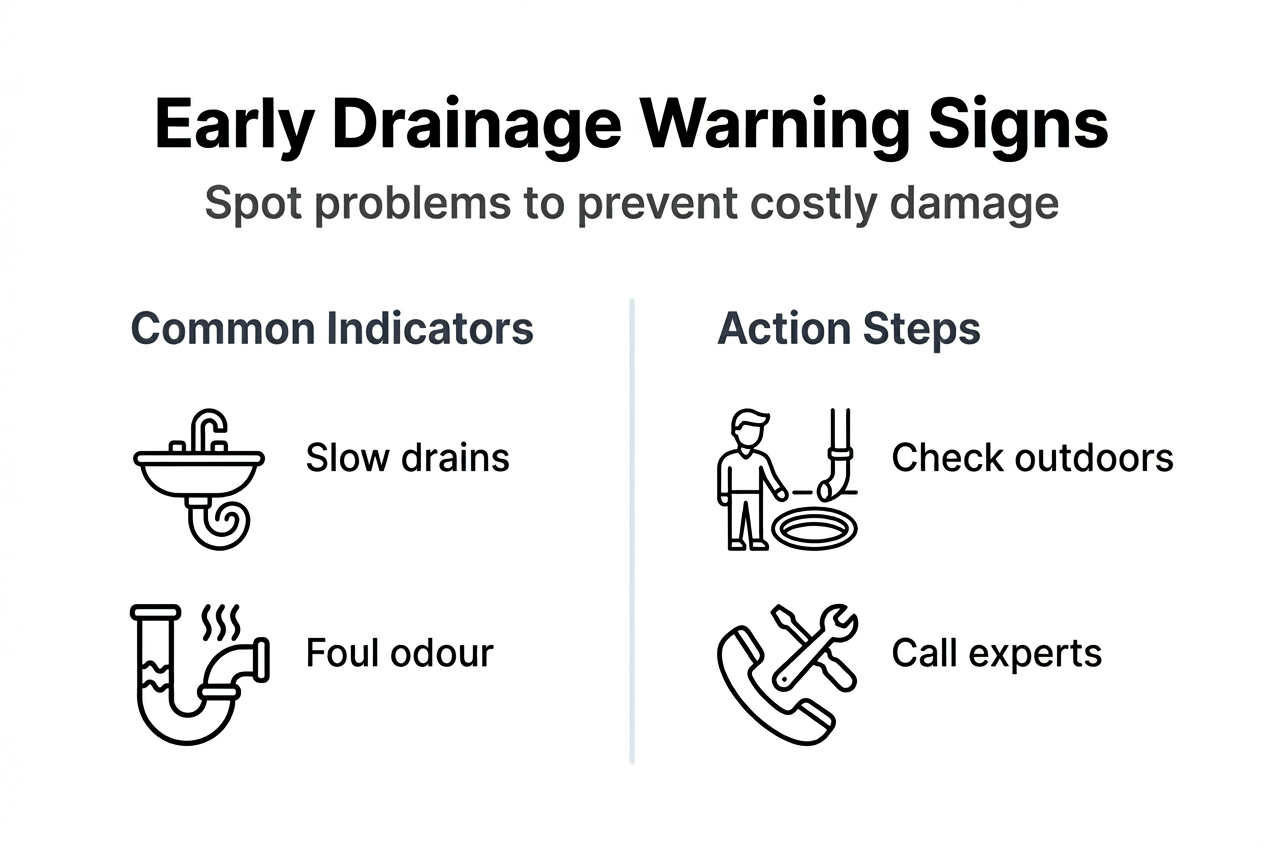
Recognising warning signs early enables swift intervention before minor problems escalate into expensive emergencies. Early detection of drain collapse is crucial to prevent further damage. Homeowners should watch for gurgling noises, slow drainage, foul odours, and surface water pooling. Each sign indicates specific problems within your drainage system that require immediate attention.
Gurgling sounds from sinks, toilets, or drains signal air trapped in pipes, often caused by partial blockages or venting issues. Slow drainage suggests accumulating debris or structural damage restricting flow. Foul sewage odours indicate leaks allowing gases to escape into your property. Surface water pooling in gardens or paved areas reveals drainage system failures allowing wastewater to reach ground level.
Regular monitoring routines help catch problems early:
- Check all property drains weekly, noting any changes in drainage speed or unusual sounds during use
- Inspect gardens and paved areas after rainfall for unexpected pooling or soft, saturated ground
- Monitor basement walls and floors monthly for dampness, staining, or musty odours
- Test all toilets and sinks quarterly by running water and listening for unusual gurgling or bubbling
- Schedule annual professional inspections using CCTV to verify system condition
Pro Tip: Keep a simple drainage diary noting any unusual signs, their dates, and weather conditions. Patterns often emerge that help professionals diagnose problems faster and more accurately.
Professional inspections provide definitive answers when you suspect problems. Drainage inspections London specialists use advanced CCTV technology to examine pipe interiors without excavation. These inspections reveal cracks, root intrusion, corrosion, and structural damage invisible from surface observations. CCTV surveys create permanent records showing exact problem locations, enabling targeted repairs rather than guesswork.
Timing matters critically in drainage emergencies. Problems identified within hours prevent extensive damage, while delays of even a day can allow contamination to spread and structural damage to worsen. Trust your instincts when something seems wrong with your drainage. False alarms cost little compared to delayed responses to genuine emergencies.
Responding to drainage emergencies: what homeowners should do
Immediate action when drainage emergencies occur minimises damage and protects health. Stop using all affected drains immediately to prevent additional wastewater entering a compromised system. Continuing to use toilets, sinks, or showers when drainage is impaired forces sewage backwards, spreading contamination throughout your property.
Contact professional emergency drainage services promptly for rapid assessment and repairs. Professional guidance and regular inspections save homeowners time, money, and stress by identifying and addressing potential drainage issues early. Emergency specialists arrive equipped with diagnostic tools, protective equipment, and repair materials, enabling swift problem resolution. Their expertise prevents well-intentioned but potentially harmful DIY attempts.
Avoid DIY drainage repairs during emergencies. Homeowners lack the specialist equipment, technical knowledge, and safety gear required for safe intervention. Attempting repairs exposes you to sewage contamination and may worsen damage by disturbing collapsed pipes or dislodging blockages incorrectly. Professional drainage engineers understand emergency drainage process rapid solutions that resolve problems safely and permanently.
Take these protective steps whilst awaiting professional help:
- Ventilate affected areas by opening windows to reduce contamination risks and odours
- Keep children and pets away from contaminated areas to prevent health exposure
- Turn off electricity to affected areas if water has reached electrical outlets or appliances
- Document everything with photographs showing damage extent and affected areas for insurance claims
- Contain surface water pooling using sandbags or barriers to prevent spread into buildings
Communicate clearly with emergency responders about symptoms you have observed. Describe drainage speed changes, unusual sounds, odours, and visible water or sewage. Mention any recent heavy rainfall, construction work nearby, or known drainage system age. This information helps specialists diagnose problems quickly and bring appropriate equipment.
Maintain records of all emergency responses, repairs, and costs. Insurance claims require detailed documentation showing problem timeline, professional interventions, and resulting damage. Photographs taken before problems began prove invaluable when demonstrating property condition changes. Keep receipts for all emergency callouts, repairs, and associated costs like temporary accommodation if your property becomes uninhabitable.
Professional emergency drainage services for London homeowners
When drainage emergencies strike, expert support makes the difference between manageable repairs and catastrophic damage. RSJ Drains delivers rapid, professional emergency drainage services London homeowners trust when urgent problems demand immediate resolution. Their 24-hour emergency response guarantees help arrives within two hours, minimising damage and restoring normal drainage function quickly.
Advanced drain inspection services using CCTV technology identify problems accurately without unnecessary excavation, saving time and protecting your property. Their comprehensive drain repairing services handle everything from minor blockages to complete system reconstruction, providing lasting solutions rather than temporary fixes. Family-run expertise combined with cutting-edge technology ensures London homeowners receive reliable, professional drainage support whenever emergencies occur.
FAQ
What signs indicate a drainage emergency?
Gurgling noises from drains, slow drainage, foul sewage odours, and surface water pooling all indicate possible drainage emergencies requiring immediate attention. These symptoms suggest blockages, structural damage, or system collapse that will worsen rapidly without professional intervention.
How can I minimise the risk of drainage emergencies?
Regular professional inspections, especially using CCTV surveys, help spot issues before they become emergencies. Proper drain maintenance explained includes clearing debris, avoiding harmful materials down drains, and addressing minor problems promptly to prevent escalation.
Why are basements particularly vulnerable to flooding?
Basements sit below ground level, making them prone to sewer water backing up during heavy rainfall or system overload. Properties with basements are at particular risk of sewer flooding, especially as basement conversions increase across London, raising the number of vulnerable properties significantly. Understanding basement drainage failure risks helps homeowners protect these spaces.
How quickly should I respond to suspected drainage problems?
Immediate response prevents minor issues escalating into major emergencies. Contact professional drainage services as soon as you notice unusual signs, even if problems seem small. Early intervention typically costs a fraction of emergency repairs needed after delays allow damage to spread.
Can tree roots really cause drain collapse?
Tree roots cause significant drainage damage by penetrating weak pipe joints and expanding inside pipes. Even small cracks provide entry points, and roots grow rapidly once inside, fracturing pipes completely. Properties with mature trees nearby face elevated risks requiring regular professional monitoring.