Choosing the right drain relining method can mean the difference between decades of trouble-free drainage and repeated costly repairs. Property owners across Greater London face an overwhelming array of relining options, each promising durability and efficiency. Modern techniques have transformed how we repair damaged drains, offering trenchless solutions that minimise disruption whilst extending infrastructure lifespan. This guide examines today’s leading drain relining methods, helping you make informed decisions that protect your property investment and prevent future drainage emergencies.
Table of Contents
- Key takeaways
- How to evaluate drain relining techniques for London properties
- Leading drain relining techniques for 2026
- Comparing drain relining techniques: performance and cost
- Choosing the best drain relining technique for your property
- Enhance your drain maintenance with expert relining services
- Frequently asked questions
Key Takeaways
| Point | Details |
|---|---|
| Evaluation criteria | Key factors include existing pipe material and diameter, severity and location of damage, access points for equipment, budget, expected service life, warranty coverage, and sustainability credentials. |
| Sustainability focus | Modern relining options differ in ecological footprint with recycled content and reduced emissions helping London properties meet environmental goals. |
| Leading techniques | Cured in place pipe lining remains the most common solution for pipes from 75 millimetres to 600 millimetres, while spray lining suits complex geometries and worn sections with minimal disruption. |
| Pro guidance | Request a detailed CCTV drainage survey before committing to any relining method to ensure the chosen approach fits the pipe condition. |
How to evaluate drain relining techniques for London properties
Selecting an appropriate drain relining method requires careful analysis of several critical factors unique to your property. The condition of existing pipes, accessibility constraints, available budget, and desired service life all influence which technique delivers optimal results. Routine inspection and proper method selection reduce costly repairs significantly, making initial assessment time well spent.
Environmental impact has become increasingly important for London property owners conscious of sustainability goals. Modern relining materials vary considerably in their ecological footprint, with some options offering recycled content or reduced chemical emissions during installation. The choice of technique also affects how much waste leaves your site, an important consideration for properties in congested urban areas with limited access.
Key evaluation criteria include:
- Existing pipe material and diameter compatibility with relining systems
- Severity and location of damage requiring repair
- Access points available for equipment and materials
- Budget constraints for both initial installation and long-term maintenance
- Expected service life and warranty coverage offered
- Environmental certifications and sustainability credentials
- Installation timeframe and disruption to property occupants
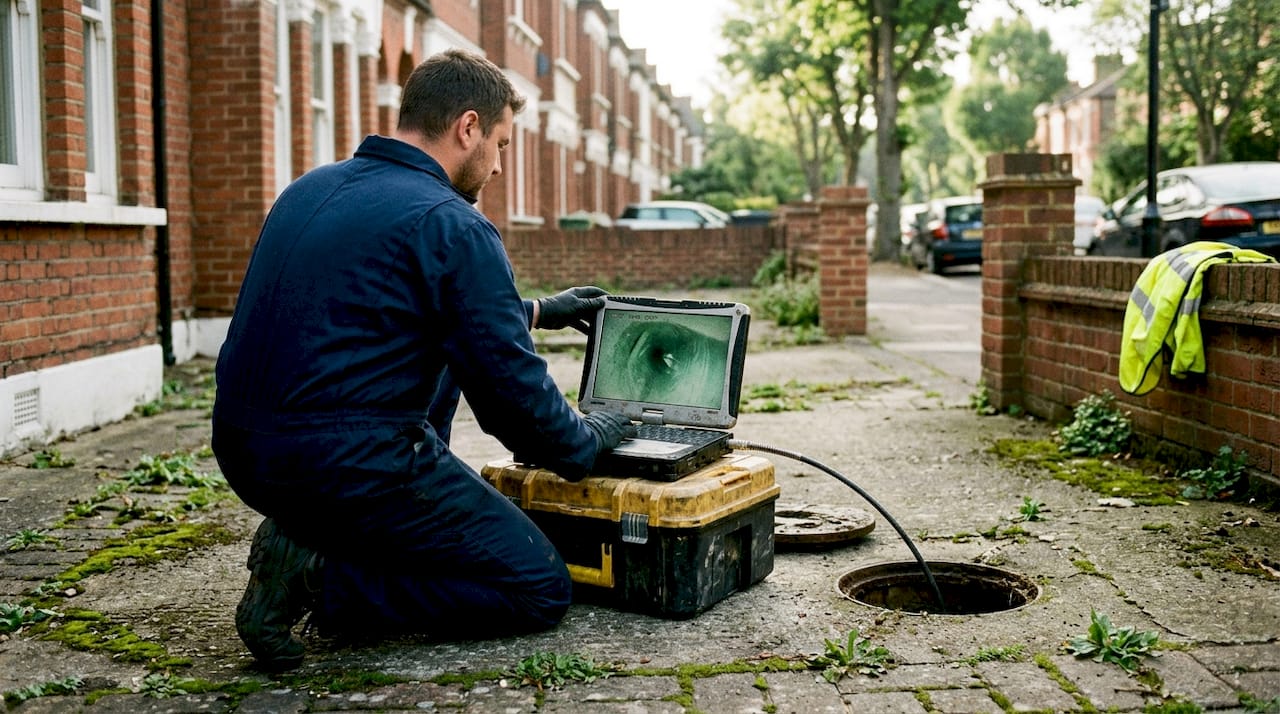
Pro Tip: Request a detailed CCTV drainage survey before committing to any relining method. Visual evidence of pipe condition helps contractors recommend the most suitable technique and prevents surprises during installation.
Proper evaluation prevents the frustration of selecting a technique that proves unsuitable once work begins. Properties with particularly tight bends may require flexible liner systems, whilst straight runs with extensive damage might benefit from rigid pipe replacement sections. Understanding these nuances before work commences saves money and ensures lasting results.
Leading drain relining techniques for 2026
The drain relining industry has evolved considerably, offering property owners several proven methods for restoring damaged drainage systems without excavation. Each technique brings distinct advantages suited to particular pipe conditions and property constraints. Understanding how these methods work helps you recognise which approach best matches your specific drainage challenges.
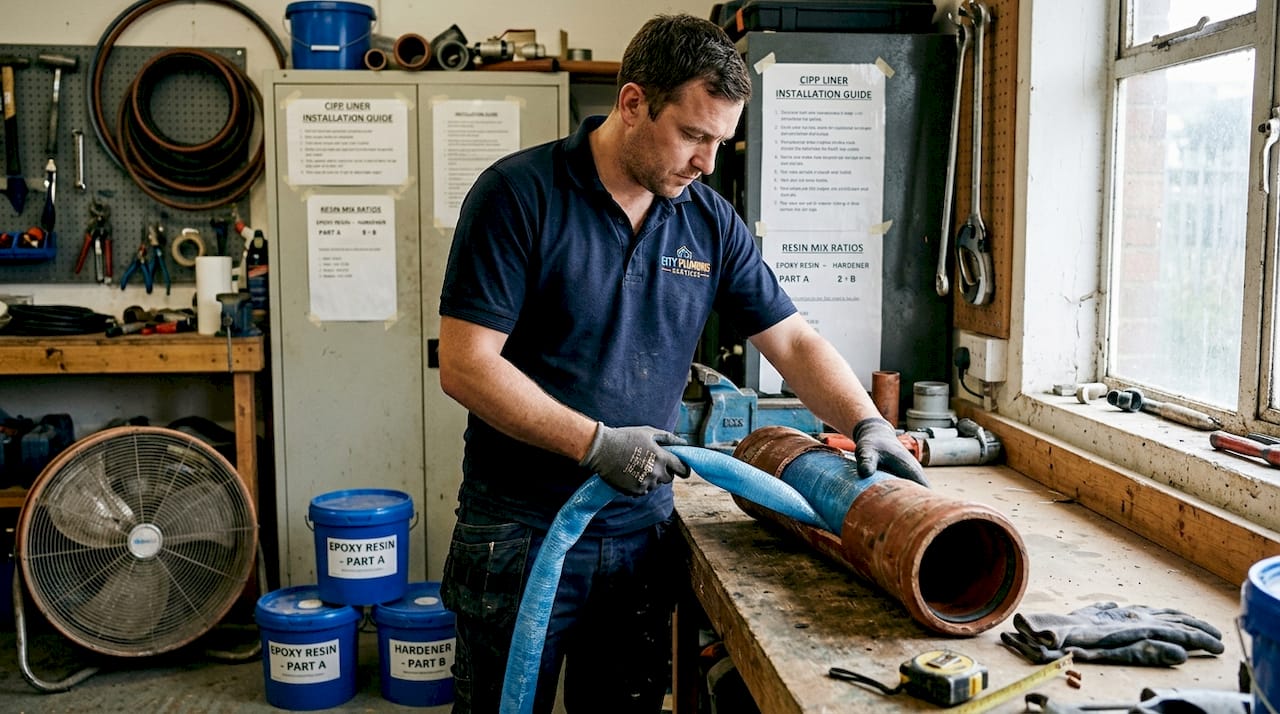
Cured-in-place pipe (CIPP) lining represents the most widely adopted relining solution across Greater London. Innovative CIPP technology provides quick, trenchless solutions for pipe repair throughout the UK. The process involves inserting a resin-saturated felt liner into the damaged pipe, then inflating it against the pipe walls before curing with hot water or UV light. Once hardened, the liner forms a smooth, jointless pipe within the original structure. CIPP works effectively for pipes ranging from 75mm to 600mm diameter and handles moderate bends without difficulty.
Spray lining offers exceptional versatility for complex pipe geometries that challenge traditional liner insertion. Technicians apply epoxy resin directly to cleaned pipe interiors using specialised spray equipment, building up layers until achieving the desired thickness. This method excels at coating irregular shapes, junction points, and severely corroded sections where conventional liners might not seat properly. The technique requires meticulous surface preparation and controlled application to ensure uniform coverage.
Fold-and-form liners provide another trenchless option particularly suited to residential drainage systems. Manufacturers produce these liners in a folded configuration smaller than the host pipe diameter. Once positioned, technicians apply heat or pressure to expand the liner against pipe walls, where it hardens into a permanent repair. These liners navigate tight bends effectively and work well for properties with limited access points.
Key advantages of modern relining techniques:
- Trenchless installation preserves landscaping, driveways, and interior floors
- Completion within hours rather than days of disruptive excavation
- Restored structural integrity without replacing entire pipe runs
- Smooth interior surfaces that resist future blockages
- Minimal impact on property occupants and business operations
Pro Tip: Consider the curing method when scheduling relining work. UV-cured liners offer faster installation but require clear pipe runs, whilst hot water curing works in more varied conditions but takes longer to complete.
Each technique requires specific equipment and expertise, making professional installation essential for reliable results. The choice between methods often depends on pipe material, damage severity, and access limitations rather than a single “best” option for all scenarios.
Comparing drain relining techniques: performance and cost
Understanding the practical differences between relining methods helps property owners make cost-effective decisions aligned with their specific drainage needs. Different relining options vary significantly in durability, cost, and installation disruption, making direct comparison valuable for informed choice.
| Technique | Installation time | Cost range | Expected lifespan | Best suited for |
|---|---|---|---|---|
| CIPP lining | 4-8 hours | ££-£££ | 25-50 years | Straight runs, moderate bends, most pipe materials |
| Spray lining | 6-12 hours | £££-££££ | 30-50 years | Complex geometries, junctions, severely corroded pipes |
| Fold-and-form | 3-6 hours | ££ | 25-40 years | Residential drains, tight bends, limited access |
| Sectional repair | 2-4 hours | £-££ | 20-35 years | Localised damage, short pipe sections |
CIPP lining delivers excellent value for properties requiring comprehensive pipe rehabilitation across extended lengths. The technique handles most common drainage scenarios effectively, with proven durability exceeding 25 years in properly installed systems. Initial costs sit in the moderate range, offset by minimal disruption and long service life. The main limitation involves navigating extremely tight bends or heavily offset joints, where liner insertion becomes challenging.
Spray lining commands premium pricing due to specialised equipment requirements and labour-intensive application. However, the technique justifies higher costs for properties with complex pipe configurations that defeat conventional liners. The ability to coat irregular shapes and build custom thicknesses makes spray lining ideal for commercial properties or older buildings with unique drainage layouts. Environmental considerations favour spray lining for properties pursuing green building certifications, as some formulations offer low-VOC options.
Fold-and-form liners provide cost-effective solutions for residential properties with standard drainage layouts. Quick installation minimises labour costs whilst delivering reliable performance for typical household drainage demands. The technique works particularly well for properties where excavation would prove exceptionally disruptive or expensive, such as buildings with basement drainage or pipes beneath established gardens.
Performance considerations beyond cost:
- Flow capacity: properly installed liners maintain or improve drainage flow rates
- Chemical resistance: epoxy-based systems withstand aggressive wastewater better than polyester
- Temperature tolerance: UV-cured liners handle thermal cycling more effectively
- Joint integrity: seamless construction eliminates traditional pipe joint failure points
- Root intrusion resistance: smooth liner surfaces discourage root penetration
Property owners should weigh immediate installation costs against projected service life and potential disruption savings. A moderately more expensive technique that lasts 50 years often proves more economical than budget options requiring replacement after 20 years, particularly when considering inflation and future access difficulties.
Choosing the best drain relining technique for your property
Making the optimal relining decision requires matching technique capabilities to your property’s specific drainage challenges and long-term maintenance objectives. Tailored relining choices based on property and environment greatly reduce risk of future repairs, making careful selection worthwhile.
Begin with professional drain inspection to establish baseline conditions:
- Schedule comprehensive CCTV drainage survey to document pipe condition, material, and damage extent
- Identify access points and potential installation constraints affecting technique selection
- Obtain detailed quotations from qualified contractors for recommended methods
- Compare projected service life against installation costs to calculate long-term value
- Review contractor credentials, insurance coverage, and previous project examples
- Verify warranty terms and maintenance requirements for chosen technique
- Confirm installation schedule minimises disruption to property operations
Properties with older clay or cast iron pipes often benefit from CIPP lining’s ability to reinforce deteriorating structures whilst sealing cracks and joint separations. The technique essentially creates a new pipe within the old one, providing decades of reliable service without excavation. Residential properties typically find fold-and-form liners offer excellent value for standard drainage repairs, particularly when damage affects relatively short pipe sections.
Commercial properties and multi-unit buildings should prioritise techniques offering minimal operational disruption. Spray lining’s ability to coat complex junction configurations makes it valuable for properties where drainage serves multiple units or critical business functions. The higher initial investment pays dividends through reduced downtime and comprehensive coverage of problem areas.
Pro Tip: Future-proof your drainage investment by selecting techniques with proven longevity records. Whilst budget constraints matter, choosing a method rated for 50 years over one lasting 25 years often proves more economical when accounting for inflation and potential access difficulties decades hence.
Environmental considerations increasingly influence relining decisions for properties pursuing sustainability certifications or reduced ecological impact. Request information about liner material composition, manufacturing processes, and end-of-life disposal options. Some techniques offer recycled content or reduced chemical emissions during installation, supporting green building objectives without compromising performance.
Consult experienced drainage professionals when facing uncertainty about the most appropriate technique. Reputable contractors provide transparent advice based on actual site conditions rather than pushing particular methods. Their expertise helps navigate complex decisions involving pipe material compatibility, access constraints, and budget optimisation.
Enhance your drain maintenance with expert relining services
Protecting your property investment requires more than selecting the right relining technique. It demands experienced professionals who understand Greater London’s unique drainage challenges and deliver lasting solutions with minimal disruption.
RSJ Drains brings decades of drainage expertise to properties throughout Greater London, combining advanced drain inspection services with comprehensive relining solutions. Our family-run business prioritises your property’s long-term drainage health, using cutting-edge CCTV technology to identify problems before they escalate into costly emergencies. We match the optimal relining technique to your specific pipe conditions, access constraints, and budget requirements.
Our drain repairing services encompass all modern relining methods, ensuring you receive the most appropriate solution rather than a one-size-fits-all approach. We maintain transparent pricing, detailed project timelines, and comprehensive warranties that protect your investment. Emergency response within two hours means drainage problems never disrupt your property longer than absolutely necessary.
Explore our drain maintenance guide for London properties to discover proactive strategies that extend drainage system lifespan and prevent future relining needs. Regular professional maintenance combined with quality relining when necessary keeps your property’s drainage infrastructure functioning flawlessly for decades.
Frequently asked questions
What types of pipes can be relined with modern techniques?
Modern drain relining techniques accommodate most common pipe materials including clay, concrete, cast iron, PVC, and pitch fibre. CIPP and fold-and-form liners work effectively across various pipe diameters from 75mm to 600mm, handling moderate bends and offsets. Spray lining proves particularly versatile for unusual materials or complex geometries that challenge conventional liner insertion.
How long does drain relining typically last?
Properly installed drain relining generally lasts 25 to 50 years depending on the technique selected and existing pipe conditions. CIPP and spray lining systems often achieve the upper end of this range with appropriate maintenance. Fold-and-form liners typically provide 25 to 40 years of reliable service. Professional installation and periodic inspection maximise durability across all relining methods.
Are trenchless drain relining methods disruptive to property use?
Trenchless relining methods minimise disruption significantly compared to traditional excavation repairs. Most installations complete within 4 to 12 hours, allowing quick return to normal property use. The process avoids digging up landscaping, driveways, or interior floors, preserving your property’s appearance. Occupants typically experience only brief periods of restricted drain access during actual installation.
Can DIY drain relining be effective?
DIY drain relining is strongly discouraged due to technical complexity, specialised equipment requirements, and safety considerations. Professional services ensure proper pipe assessment, correct technique selection, and installation quality that meets building regulations. Attempting DIY relining risks inadequate repairs, potential property damage, and voided insurance coverage. The investment in professional service delivers lasting results and comprehensive warranties protecting your property.