Selecting the right drain repair method can prevent costly plumbing emergencies and minimise disruption to your London property. With multiple techniques available, from traditional excavation to modern trenchless solutions, understanding your options is essential. Effective drain repair selection depends on factors such as repair invasiveness, cost, pipe material compatibility, and urgency. This guide explores the criteria that matter most, compares common and advanced repair methods, and helps you make informed decisions to protect your drainage system efficiently.
Table of Contents
- Essential Criteria For Choosing Drain Repair Methods
- Common Drain Repair Methods Explained
- Modern Trenchless Methods For Drain Repair In London
- Comparison Of Drain Repair Methods For London Properties
- Deciding The Best Drain Repair Method For Your Property
- Explore Professional Drain Repair And Maintenance Services In London
Key takeaways
| Point | Details |
|---|---|
| Multiple repair methods | Different techniques vary significantly in cost, invasiveness, and application suitability for London properties. |
| Trenchless solutions | Modern methods like drain relining offer minimally disruptive repairs with faster completion times. |
| Professional assessment | Proper inspection and diagnosis are essential to select the most effective repair method for your specific situation. |
| Preventative maintenance | Regular maintenance and timely repairs reduce the likelihood of emergency drainage failures. |
Essential criteria for choosing drain repair methods
When facing drain damage, selecting the appropriate repair method requires careful consideration of several critical factors. Your choice affects not only the immediate repair outcome but also long-term drainage performance and property disruption.
Repair invasiveness directly impacts your property and daily operations. Traditional excavation requires digging trenches, damaging landscaping, driveways, and potentially disrupting business activities. Trenchless methods minimise surface disturbance, making them ideal for properties where preserving existing structures matters. Understanding blocked drains causes London homes experience helps prevent recurring issues.
Cost effectiveness varies dramatically between repair types. Initial expenses must be balanced against longevity, potential property damage, and restoration costs. A seemingly cheaper excavation repair might ultimately cost more when you factor in landscape restoration and extended labour time. Emergency situations often require rapid solutions, regardless of cost, whilst planned maintenance allows budget optimisation.
Pipe material compatibility and damage extent dictate method suitability. Clay pipes respond differently to repairs than modern PVC systems. Localised cracks may need simple patching, whilst extensive corrosion demands full replacement. Professional assessment identifies the damage scope accurately, ensuring you invest in appropriate solutions rather than temporary fixes. Learning safe drain unblocking London techniques complements repair knowledge.
Pro Tip: Always request a CCTV drain survey before committing to any repair method, as visual inspection reveals hidden damage that surface symptoms might not indicate.
Key criteria to evaluate:
- Urgency of repair needed
- Accessibility of damaged pipes
- Property type and surface restoration requirements
- Budget constraints and long-term value
- Pipe material and age
- Extent and location of damage
Common drain repair methods explained
Traditional repair methods remain relevant for specific drainage situations, particularly when damage severity demands comprehensive intervention. Understanding these established techniques helps you recognise when modern alternatives might offer better solutions.
High pressure water jetting effectively removes blockages but does not repair structural damage. This method uses pressurised water streams to clear debris, grease, and minor obstructions from drain pipes. Jetting works excellently for maintenance and blockage removal but cannot address cracks, collapses, or deteriorated pipe sections. The drain jetting procedure London specialists use typically completes within hours, making it ideal for urgent blockage situations.
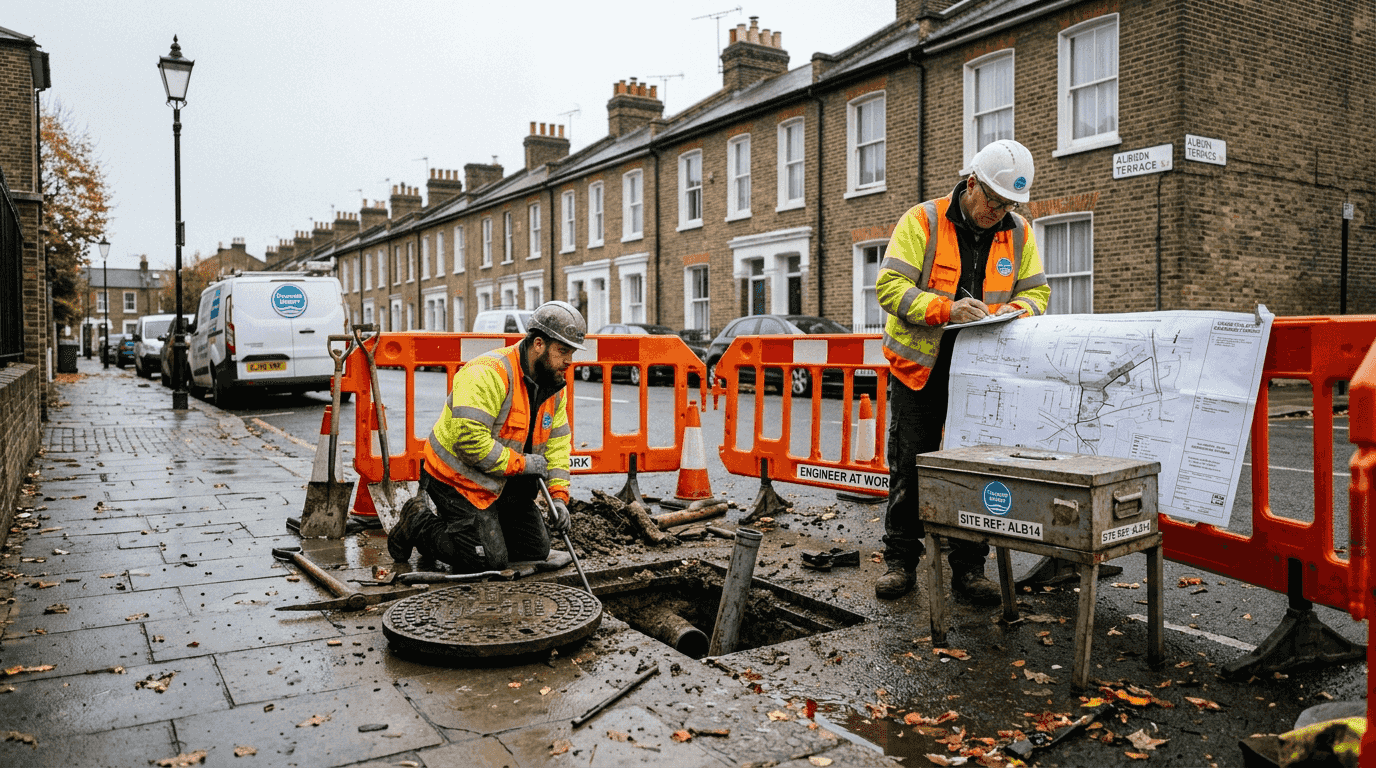
Traditional excavation provides thorough access to damaged drains but comes with significant disruption. Traditional excavation is thorough but highly invasive and disruptive, requiring trenches dug to expose pipes fully. This method suits situations where pipes have collapsed completely, multiple sections need replacement, or surrounding ground conditions require inspection. Excavation allows direct visual assessment and hands-on repair but damages surfaces, requires restoration work, and takes considerably longer than modern alternatives.
Pipe patch repairs target localised damage without full replacement. Technicians apply specialised patches or sealants to specific crack locations or small damaged areas. This approach works well for minor leaks or isolated weak points in otherwise sound drainage systems. Patch repairs offer cost savings compared to full replacement but provide limited longevity if surrounding pipe material continues deteriorating.
Section replacement becomes necessary when damage extends beyond patch repair capabilities but doesn’t affect the entire drainage run. Contractors remove and replace only the compromised pipe sections, preserving functional areas. This balanced approach reduces costs compared to complete system replacement whilst addressing serious structural failures.
Common methods at a glance:
- Water jetting for blockage clearance
- Excavation for collapsed or severely damaged pipes
- Localised patching for minor cracks
- Partial replacement for extended damage zones
Modern trenchless methods for drain repair in London
Trenchless technology has revolutionised drainage repair, offering property owners faster, less disruptive solutions that maintain structural integrity whilst reducing overall project costs and timescales.
Drain relining preserves existing pipes with minimal excavation, reducing property damage and downtime. The drain relining guide London 2026 explains how technicians insert a resin-impregnated liner into damaged pipes, which then hardens to create a new pipe within the old structure. This method suits cracks, root intrusion damage, and corrosion, typically completing within one to two days. Relining avoids landscape destruction and works excellently under buildings, driveways, and established gardens where excavation would prove extremely costly.
Pipe bursting replaces severely damaged pipes without traditional trenching. Contractors pull a bursting head through the old pipe, fracturing it outward whilst simultaneously drawing new pipe material into place. This technique works when pipe material has deteriorated beyond relining suitability but excavation remains undesirable. Pipe bursting requires access points at either end but eliminates the need for continuous trenching, making it valuable for long drainage runs under structures.
Comparing trenchless versus traditional methods reveals significant advantages for urban London properties. Trenchless repairs typically cost 30 to 50 percent less than excavation when factoring in surface restoration expenses. Completion times drop from days or weeks to hours or single days. Property disruption decreases dramatically, maintaining business operations and residential comfort throughout repairs. The drain relining benefits London homes experience include extended pipe lifespan, often exceeding 50 years.
Pro Tip: Trenchless methods work best when identified early through regular inspections, as severely collapsed pipes may still require excavation for effective repair.
Trenchless method comparison:
| Method | Best For | Duration | Disruption Level |
|---|---|---|---|
| Drain relining | Cracks, corrosion, root damage | 1-2 days | Minimal |
| Pipe bursting | Full replacement needed | 1-3 days | Low to moderate |
| Patch lining | Localised damage | Hours | Minimal |
Comparison of drain repair methods for London properties
Understanding how different repair methods stack up against each other enables informed decision making based on your specific property situation, budget, and urgency requirements.
Choosing the right repair method depends on multiple factors including property type, damage extent, and budget. Each technique offers distinct advantages and limitations that suit particular scenarios. Traditional excavation provides complete access and works for any damage type but disrupts properties significantly and costs more when restoration expenses are included. High pressure jetting clears blockages rapidly and inexpensively but cannot address structural failures. Drain relining offers minimal disruption with long-lasting results for cracked or corroded pipes but requires pipes to maintain basic structural integrity. Pipe bursting replaces pipes without trenching but needs access points and costs more than relining.
Examining common drainage repairs homes require reveals patterns that guide method selection. Residential properties with established landscaping benefit enormously from trenchless solutions. Commercial premises needing rapid return to operations prioritise speed and minimal disruption. Properties with budget constraints might choose targeted repairs over comprehensive solutions, accepting shorter lifespans.
Method comparison by key criteria:
| Repair Method | Cost Range | Disruption | Speed | Longevity | Best Application |
|---|---|---|---|---|---|
| Excavation | High | Severe | Slow | Permanent | Collapsed pipes, multiple issues |
| Water jetting | Low | Minimal | Fast | Temporary | Blockages, maintenance |
| Drain relining | Moderate | Minimal | Fast | 50+ years | Cracks, corrosion, roots |
| Pipe bursting | Moderate-high | Low | Moderate | Permanent | Full replacement under structures |
| Patch repair | Low-moderate | Minimal | Fast | 5-15 years | Localised damage |
Pros and cons by method:
- Excavation: Complete access and versatility but expensive, disruptive, and time consuming
- Jetting: Quick blockage removal and low cost but no structural repair capability
- Relining: Minimal disruption and long lifespan but requires intact pipe structure
- Bursting: Replaces pipes without trenching but higher cost than relining
- Patching: Economical for small issues but limited durability
Deciding the best drain repair method for your property
Selecting the optimal repair approach requires systematic evaluation of your drainage situation, property characteristics, and practical constraints. Professional guidance ensures you invest wisely in solutions that deliver lasting value.
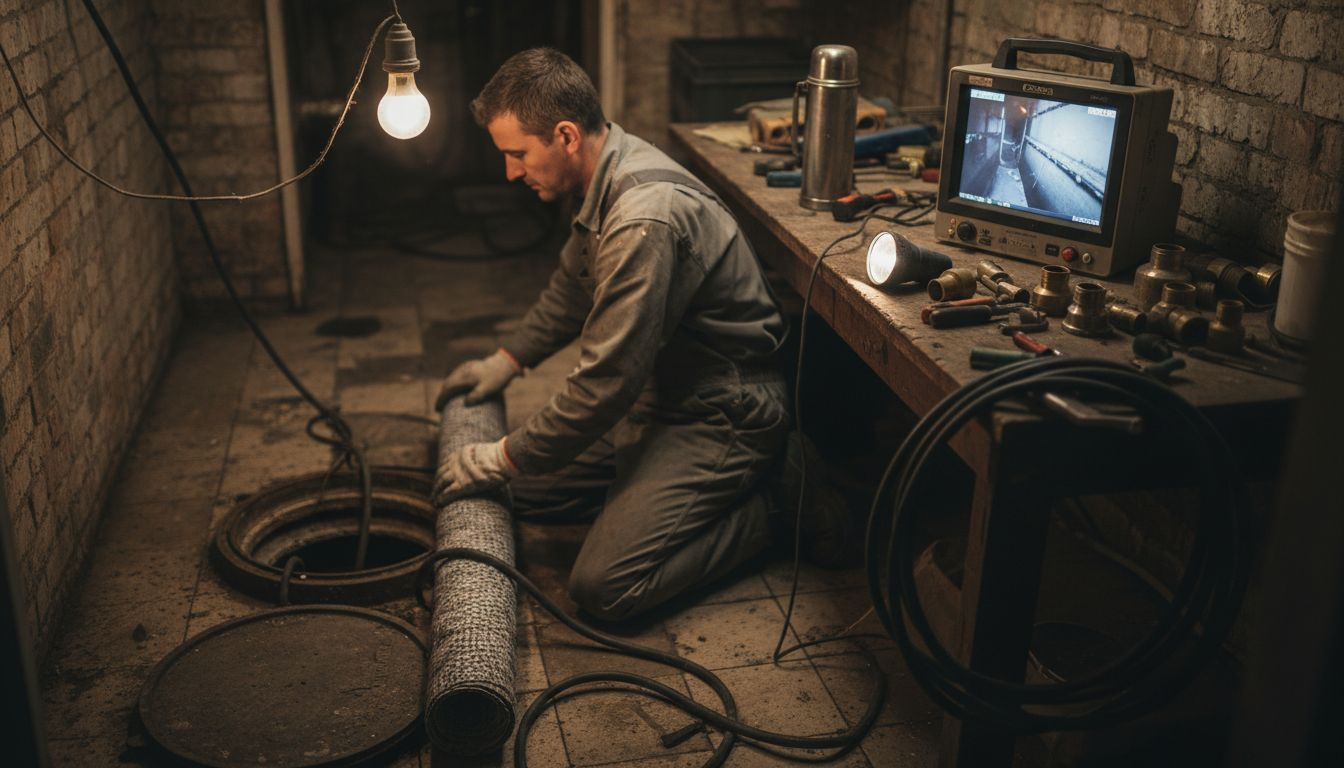
Professional inspection and CCTV surveys often precede effective drain repair decisions. Visual assessment through drain inspection services London providers offer reveals damage extent, pipe condition, and root causes that surface symptoms cannot indicate. Never commit to repair methods without thorough diagnosis, as inappropriate techniques waste money and fail to resolve underlying problems.
Assessing urgency shapes your repair timeline and method selection. Emergency situations like sewage backups or complete blockages demand immediate intervention, potentially limiting options to available rapid-response techniques. Planned repairs identified through routine maintenance allow time to evaluate alternatives, obtain competitive quotes, and schedule work during convenient periods. Properties experiencing recurring issues benefit from comprehensive solutions rather than repeated temporary fixes.
Maintenance prevents future drainage failures and extends repair longevity. Regular inspections identify developing problems before they escalate into emergencies. Scheduled jetting removes accumulating debris that might otherwise cause blockages. Understanding your drainage system’s condition through professional monitoring helps you budget for eventual repairs and avoid unexpected costs.
Scheduling credible repair services in Greater London requires researching qualified contractors with proven expertise in your chosen repair method. Verify credentials, request references, and ensure contractors carry appropriate insurance and certifications. Blocked drain repairs North London specialists and other regional providers should demonstrate local knowledge and rapid response capabilities.
Pro Tip: Request detailed written quotes that itemise all costs including inspection, repair, and any necessary restoration work to avoid unexpected expenses during the project.
Steps to select your repair method:
- Arrange professional CCTV drain inspection
- Review inspection findings and damage assessment
- Evaluate repair method options based on damage type
- Consider property constraints and disruption tolerance
- Compare quotes from qualified contractors
- Schedule repair during optimal timing for your property
- Plan preventative maintenance to protect your investment
Explore professional drain repair and maintenance services in London
Protecting your London property from drainage emergencies requires access to expert services that combine advanced diagnostic technology with proven repair techniques. Professional support transforms drainage challenges into manageable solutions.
RSJ Drains offers comprehensive drain repairing services tailored specifically for London properties, from residential homes to commercial premises. Their expertise spans traditional and modern repair methods, ensuring you receive appropriate solutions regardless of drainage complexity.
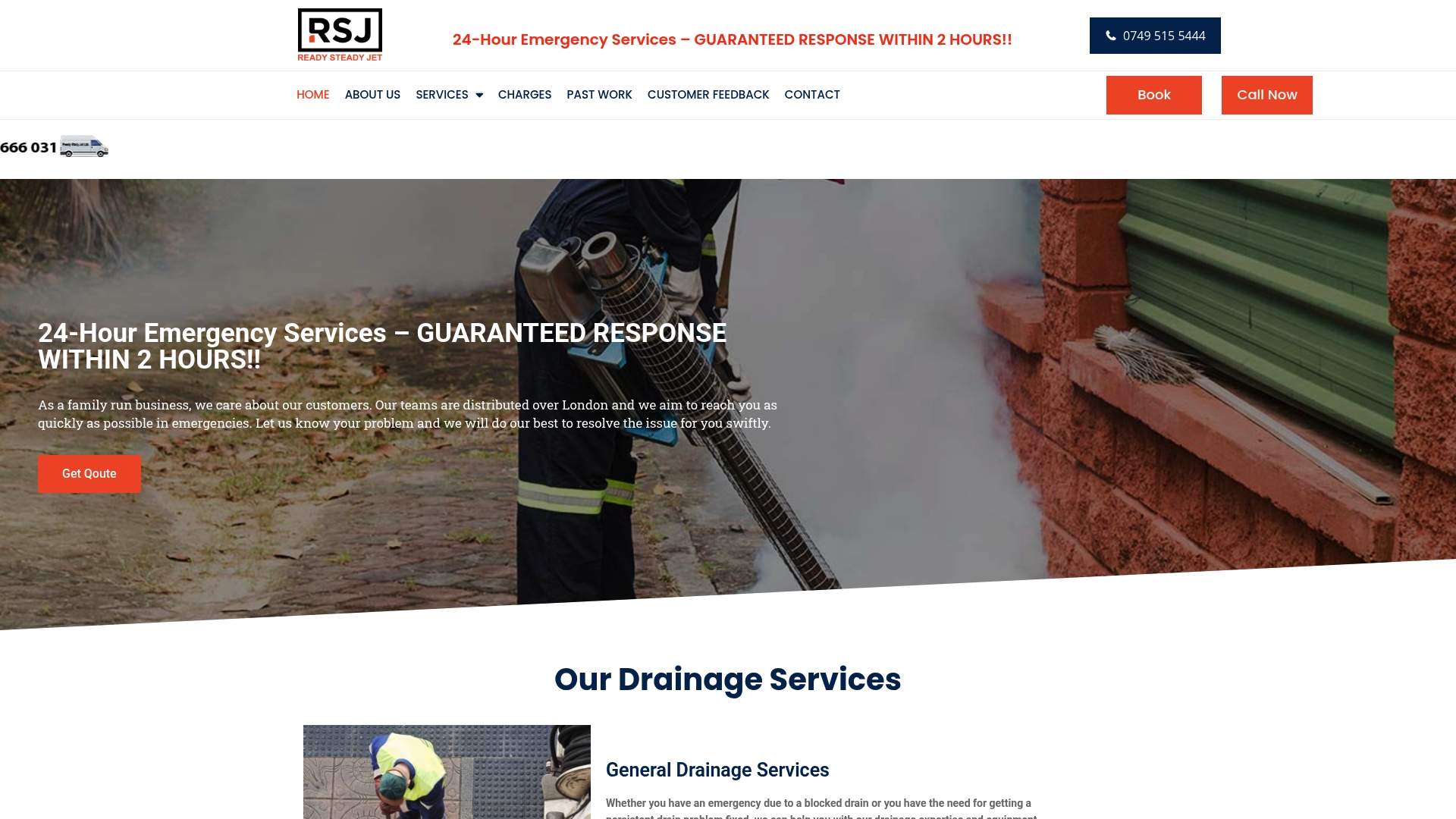
Advanced drain inspection services provide the diagnostic foundation for effective repairs. CCTV surveys reveal hidden damage, identify blockage causes, and assess pipe condition accurately, eliminating guesswork from repair decisions. Detailed inspection reports help you understand your drainage system and make informed choices about maintenance and repairs.
The comprehensive drain maintenance guide London properties need includes preventative strategies that reduce emergency repair frequency. Regular maintenance schedules, combined with prompt attention to early warning signs, protect your property investment and avoid costly emergency interventions.
FAQ
What is the least disruptive drain repair method?
Drain relining represents the least invasive repair option available for London properties. This drain relining guide London 2026 technique requires minimal excavation, typically needing only small access points rather than continuous trenching. The process preserves landscaping, driveways, and structures whilst creating a durable new pipe within the existing damaged one. Relining suits most crack, corrosion, and root intrusion scenarios, completing within one to two days with minimal property disruption.
How long does a typical drain repair take?
Repair duration varies significantly by method and damage complexity. High pressure jetting for blockage clearance often completes within hours, providing rapid relief for urgent situations. Trenchless methods like drain relining typically finish within one to two days, including preparation and curing time. Traditional excavation projects may extend from several days to over a week, depending on trench length, pipe replacement extent, and surface restoration requirements. Professional drain repair duration London estimates following inspection help you plan appropriately for your specific situation.
Will homeowner insurance cover drain repairs?
Insurance coverage for drain repairs depends heavily on your specific policy terms and the damage cause. Sudden, unexpected damage from events like ground movement or accidental breakage often receives coverage under standard policies. Gradual deterioration, wear and tear, or damage from lack of maintenance typically falls outside coverage parameters. Root intrusion and corrosion from age usually count as maintenance issues rather than insured events. Review your policy documents carefully or consult your insurance provider directly to understand your coverage before scheduling repairs.
When should I choose excavation over trenchless repair?
Excavation becomes necessary when pipes have collapsed completely, losing structural integrity beyond what relining can address. Multiple severe damage points across short distances sometimes make excavation more economical than trenchless alternatives. Situations requiring surrounding ground inspection or correction, such as soil settlement issues, benefit from excavation access. Very old pipes with extensive deterioration throughout the system may need full replacement that excavation facilitates. Professional CCTV inspection reveals whether your drainage damage suits trenchless methods or requires traditional excavation approaches.