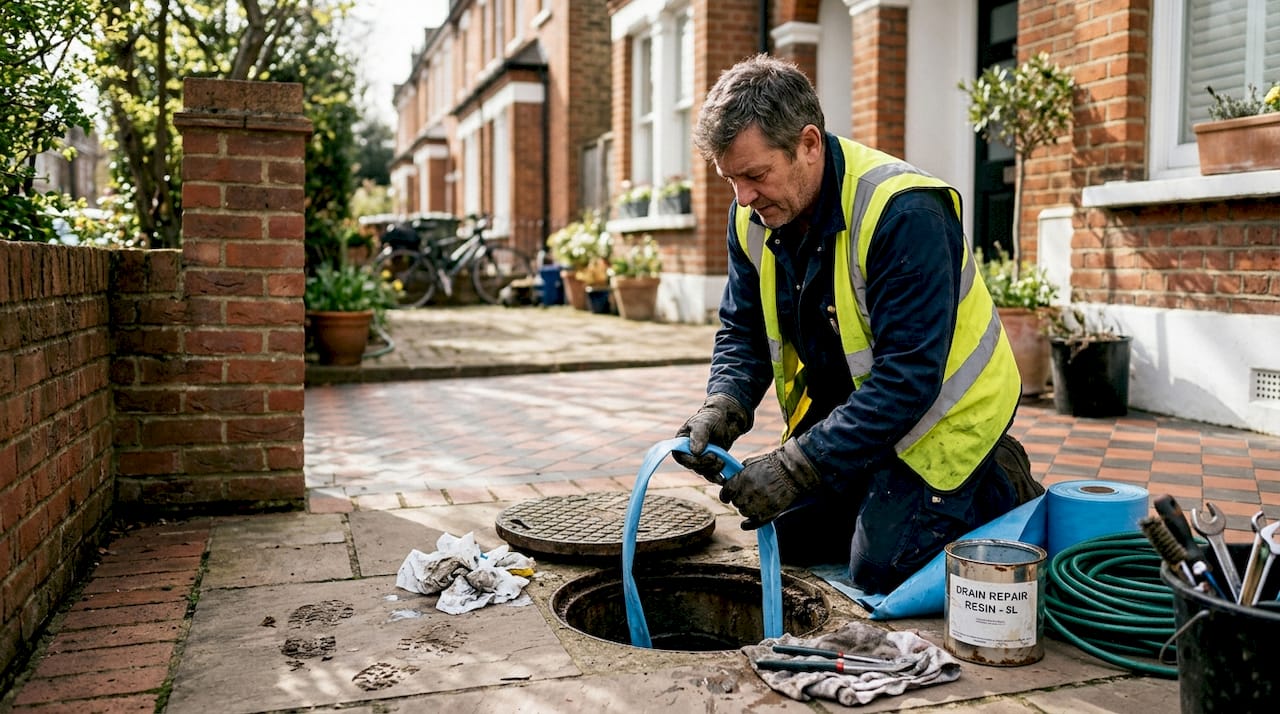
Many London homeowners assume that a cracked or leaking drain means tearing up the garden, lifting paving slabs, and enduring weeks of disruption. That assumption is costing people time and money they do not need to spend. Drain relining is a modern, trenchless method that repairs damaged pipes from the inside, without any major excavation. It is faster, cleaner, and often significantly cheaper than traditional pipe replacement. This guide breaks down exactly what relining is, how the process works, when it is the right choice, and how to keep your drains in excellent condition long after the work is done.
Table of Contents
- What is drain relining?
- How the drain relining process works
- When is drain relining suitable and when not?
- Drain relining vs. pipe replacement: a cost and disruption comparison
- Caring for relined drains: maintenance tips for London homes
- Professional drain relining and support in London
- Frequently asked questions
Key Takeaways
| Point | Details |
|---|---|
| Trenchless technology | Drain relining repairs pipes internally without messy excavation. |
| Suitable scenarios | Best for cracked, leaking, or root-infiltrated drains with intact host structure. |
| Standard process | Involves inspection, cleaning, resin liner installation, and curing. |
| Maintenance matters | Annual CCTV checks and good drain habits extend relined life. |
| Professional value | Expert help ensures the right diagnosis and lasting repairs for London properties. |
What is drain relining?
Drain relining is a trenchless repair technique that restores damaged pipes internally using a resin liner. Rather than digging up the ground to access a broken pipe, engineers insert a flexible, resin-soaked liner into the existing pipe. Once in position, the liner is inflated and left to cure, forming a smooth, hard new pipe wall inside the old one. The result is a structurally sound pipe that functions as well as a brand-new installation.
For London properties, where gardens are small, driveways are shared, and underground infrastructure is dense, this approach is a genuine game-changer. Relining is a quick, reliable repair option for a wide range of common drainage problems, including:
- Hairline cracks and fractures caused by ground movement or age
- Root ingress, where tree roots have forced their way into the pipe
- Leaking joints between pipe sections
- Corrosion and general deterioration in older clay or cast iron pipes
- Minor misalignments that allow groundwater infiltration
Pro Tip: Relining can usually be completed within a single day, whereas a full pipe replacement often takes several days and involves significant groundwork.
With the basics outlined, it is important to understand why relining has become so popular for London properties.
How the drain relining process works
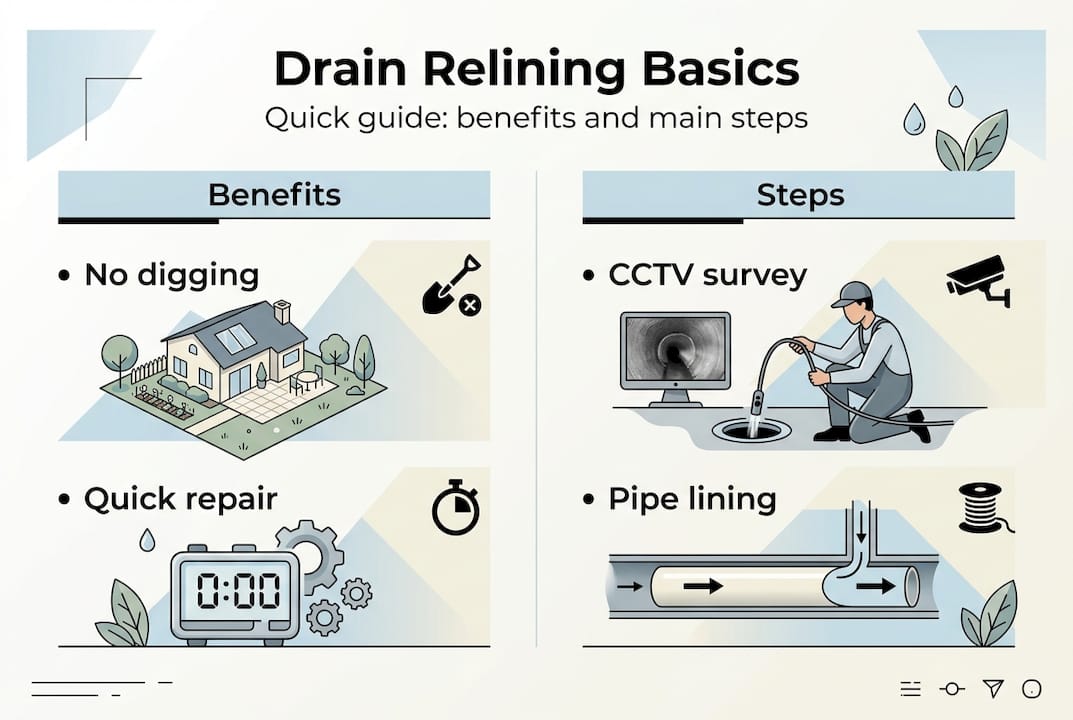
Understanding the sequence of relining work helps you evaluate what to expect when a professional team arrives at your property. The step-by-step relining process follows a clear and logical order, and each stage plays a critical role in the quality of the finished repair.
The full relining procedure involves five key stages:
- CCTV inspection and cleaning. Engineers run a camera through the pipe to identify the exact location and nature of the damage. High-pressure water jetting (hydro jetting) then clears any blockages, grease, or debris.
- Liner preparation. A custom-cut liner is saturated with epoxy resin, matched to the diameter and length of the affected pipe section.
- Liner insertion. The liner is fed into the pipe either by inversion (turning it inside out as it enters) or by pulling it through from one end.
- Inflation and curing. An inflatable bladder expands the liner against the pipe wall. The resin cures over several hours, hardening into a solid new pipe surface.
- Final CCTV inspection. A second camera run confirms the liner has bonded correctly and the pipe is fully sealed and flowing freely.
CCTV drain surveys are essential both before and after relining. They remove all guesswork and give you documented proof that the repair has been completed to a high standard.
“Annual CCTV maintenance extends the life of relined pipes significantly, catching minor issues before they develop into costly failures.”
Pro Tip: Before work begins, ask your contractor which resin they are using and whether it is compatible with your pipe material. Epoxy resins perform differently in clay, PVC, and cast iron pipes, and the wrong choice can affect long-term durability. Always ask about the relining techniques being used for your specific situation.
When is drain relining suitable and when not?
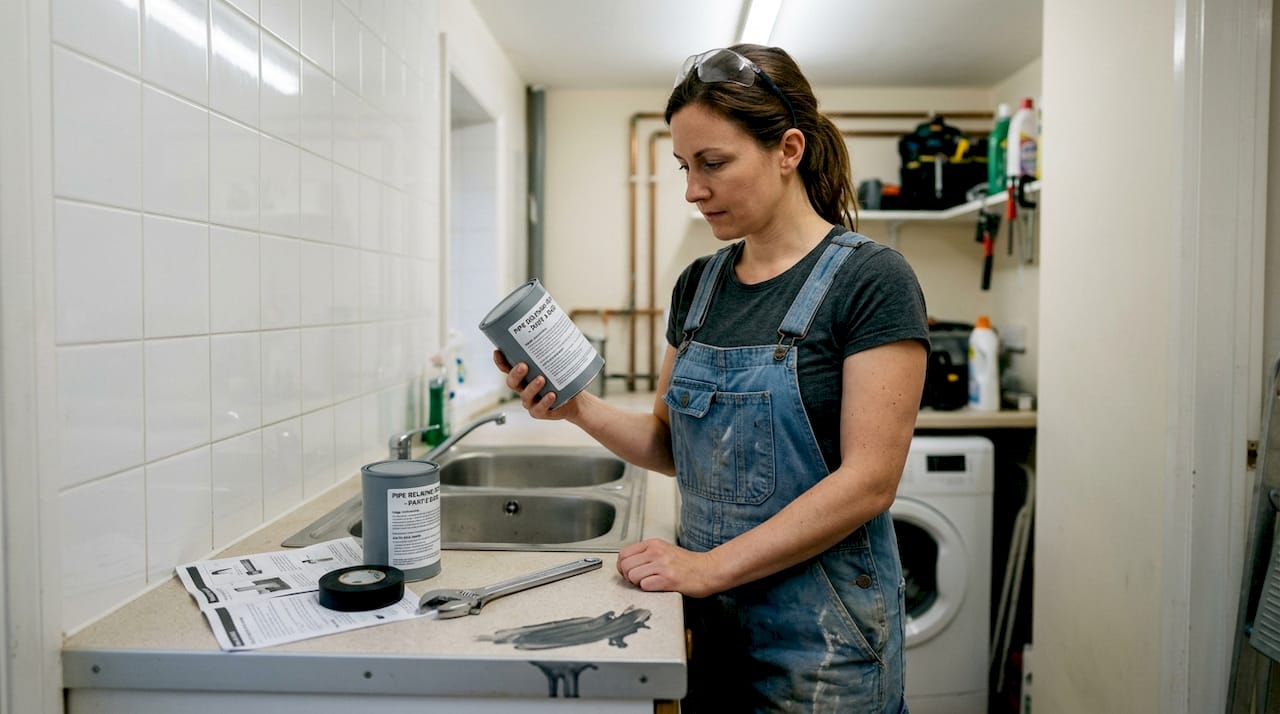
Relining is not a universal fix. Knowing when it works and when it does not saves you from paying for an assessment only to be told a different approach is needed.
Where relining works well:
- Pipes with partial cracks, fractures, or surface deterioration
- Root ingress where the pipe structure is still largely intact
- Leaking joints or minor misalignments
- Pipes that have lost flow efficiency due to internal corrosion
- Sections beneath driveways, patios, or landscaped areas where excavation would be extremely costly
Where relining is not suitable:
Relining cannot treat severely collapsed pipes, pipes with major offsets, or sections where more than 50% of the pipe material is missing. The host pipe must retain enough of its original shape for the liner to press against and bond to. If the pipe has completely failed, excavation and replacement remain the only viable option.
| Condition | Relining suitable? | Replacement needed? |
|---|---|---|
| Hairline cracks | Yes | No |
| Root ingress (pipe intact) | Yes | No |
| Leaking joints | Yes | No |
| Partial collapse | Sometimes | Often |
| Full collapse | No | Yes |
| More than 50% pipe missing | No | Yes |
| Major pipe offset | No | Yes |
For a thorough assessment of your specific situation, the comprehensive relining guide covers the full range of scenarios London property owners encounter.
Drain relining vs. pipe replacement: a cost and disruption comparison
Cost is often the deciding factor, but disruption matters just as much for occupied London homes and commercial properties. Relining is completed with less mess and in shorter timescales than traditional replacement, which is a significant advantage in densely built urban areas.
| Factor | Drain relining | Pipe replacement |
|---|---|---|
| Typical duration | 1 day | 3 to 7 days |
| Excavation required | None or minimal | Extensive |
| Garden or driveway damage | Negligible | Significant |
| Cost (relative) | Lower to moderate | Higher |
| Disruption to household | Minimal | High |
| Structural guarantee | 20 to 50 years | 25 to 50 years |
When relining is the better choice:
- The pipe is structurally present but internally damaged
- The drain runs beneath a finished surface such as a patio or driveway
- You need the repair completed quickly with minimal disruption
- Budget is a priority and the damage does not require full replacement
When replacement is unavoidable:
- The pipe has collapsed or is severely displaced
- Large sections of the pipe are missing entirely
- The pipe material is incompatible with available liner resins
Understanding the role of relining in repairs helps you have a more informed conversation with your drainage contractor before committing to any work.
Caring for relined drains: maintenance tips for London homes
A relined drain is not maintenance-free. With the right care, however, it should perform reliably for decades. Annual CCTV maintenance extends liner life by identifying minor issues before they escalate into serious problems.
Here are the key steps to protect your investment:
- Schedule annual CCTV inspections. A yearly camera check catches root regrowth, joint movement, or any early signs of liner deterioration before they become expensive problems.
- Avoid pouring fats, oils, and grease down the drain. These solidify inside pipes and create blockages that put pressure on the liner over time.
- Use drain-safe cleaning products. Harsh chemical drain cleaners can degrade certain resin liners. Stick to enzyme-based or mild products.
- Keep surface water drainage clear. Blocked gullies and surface drains increase pressure on underground pipes, particularly during heavy London rainfall.
- Verify your warranty. Most professional installers offer a guarantee on their relining work. Confirm the terms in writing and understand what maintenance is required to keep the warranty valid.
Pro Tip: Set a calendar reminder for your annual drain check. It takes less than an hour and can add years to the life of your drainage system. The drain maintenance guide for London properties offers further detail on keeping your system in top condition, and protecting London drains from seasonal wear is easier than most homeowners expect.
Professional drain relining and support in London
If your drains are showing signs of damage, getting a professional assessment is the smartest first step. At RSJ Drains, we carry out thorough CCTV inspections before recommending any repair, so you only pay for what your drains actually need. Our team works across Greater London, responding to both emergency callouts and planned maintenance visits.
Whether you need a full relining guide for London properties or are ready to book a survey, we are here to help. Our drain repair services cover everything from initial diagnosis through to completed relining and aftercare. Explore our full range of London drainage services or call us today to speak with a local expert who understands the specific challenges of London’s ageing drainage infrastructure.
Frequently asked questions
How long does drain relining last?
A properly installed liner can often last 20 to 50 years. Annual CCTV maintenance extends liner life by catching minor deterioration early before it becomes a structural issue.
Can all types of pipes be relined?
Most pipes can be relined, but severely collapsed pipes or those with major offsets and more than 50% of the pipe section missing cannot be treated this way and will require replacement.
What are the main steps in the drain relining process?
The relining process includes CCTV inspection, high-pressure cleaning, liner preparation, insertion, resin curing, and a final camera inspection to confirm the repair.
How soon can drains be used after relining?
Most household drains can be used the same day once the liner has fully cured, which typically takes just a few hours depending on the resin and pipe conditions.
Is drain relining messy or disruptive?
Relining is a trenchless method and causes minimal disruption compared to traditional excavation, making it particularly well-suited to occupied homes and properties with finished outdoor surfaces.