Damaged drains disrupt daily life and threaten property value across Greater London. Cracked pipes, persistent blockages, and root intrusion create headaches for homeowners and property managers alike. Drain relining offers a minimally invasive solution that restores drainage function without the chaos of excavation. This guide walks you through each stage of the drain relining process, from initial inspection to final verification, helping you understand what professionals do and why it works. You’ll learn how modern techniques deliver durable repairs quickly, protecting your investment whilst minimising disruption to gardens, driveways, and daily routines.
Table of Contents
- Understanding The Problem: Why Drain Relining Is Needed
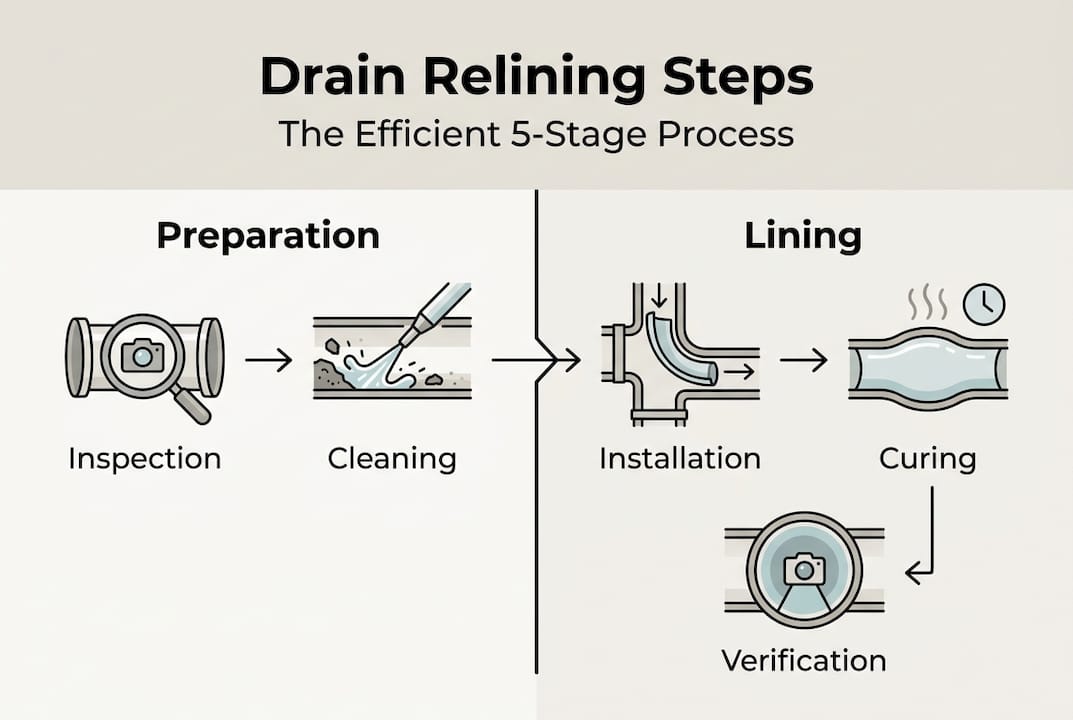
- Preparing For Drain Relining: Inspection And Cleaning
- The Drain Relining Process: Step By Step
- Post-Relining Inspection And Maintenance Tips
- Professional Drain Relining Services In Greater London
- FAQ
Key takeaways
| Point | Details |
|---|---|
| Minimally invasive repair | Drain relining fixes damaged pipes without excavation, preserving landscaping and reducing costs |
| Thorough preparation essential | CCTV surveys and high-pressure cleaning ensure proper liner adhesion and long-term success |
| Professional expertise required | Specialised equipment and materials demand trained technicians for safe, effective application |
| Durable long-term solution | Properly installed resin liners can last over 25 years with appropriate maintenance |
| Quick completion times | Most residential projects finish within 1-2 days, restoring normal drainage rapidly |
Understanding the problem: why drain relining is needed
London properties face unique drainage challenges. Victorian-era clay pipes crack under ground movement, tree roots penetrate joints seeking moisture, and decades of use create wear patterns that compromise structural integrity. Traditional repair methods involve digging trenches across gardens and driveways, removing damaged sections, and installing new pipes. This approach disrupts property use for weeks, destroys landscaping, and costs significantly more than modern alternatives.
Drain relining is less disruptive and more cost-effective than traditional pipe replacement. The technique creates a new pipe inside the existing one using resin-saturated materials that cure into a hard, seamless lining. This innovation addresses common drainage problems whilst preserving property aesthetics and function.
Several factors make relining the preferred choice for London drainage specialists:
- Eliminates excavation needs, protecting gardens, patios, and driveways from destruction
- Completes repairs in days rather than weeks, minimising inconvenience
- Costs 30-50% less than full pipe replacement in most scenarios
- Extends drain lifespan by 25+ years when properly maintained
- Suitable for pipes ranging from 50mm to 300mm diameter
The method proves particularly valuable for properties with limited access or heritage restrictions. Conservation areas often prohibit extensive groundwork, making trenchless repairs the only viable option. Understanding drain relining advantages helps property owners make informed decisions about drainage maintenance strategies.
Pro Tip: Schedule drainage inspections every 3-5 years to catch problems early, when relining remains straightforward and affordable rather than waiting until complete pipe failure forces emergency intervention.
Preparing for drain relining: inspection and cleaning
Successful relining begins with thorough preparation. Rushing this stage compromises liner adhesion and reduces repair longevity. Professional teams follow systematic protocols to ensure optimal conditions before inserting materials.
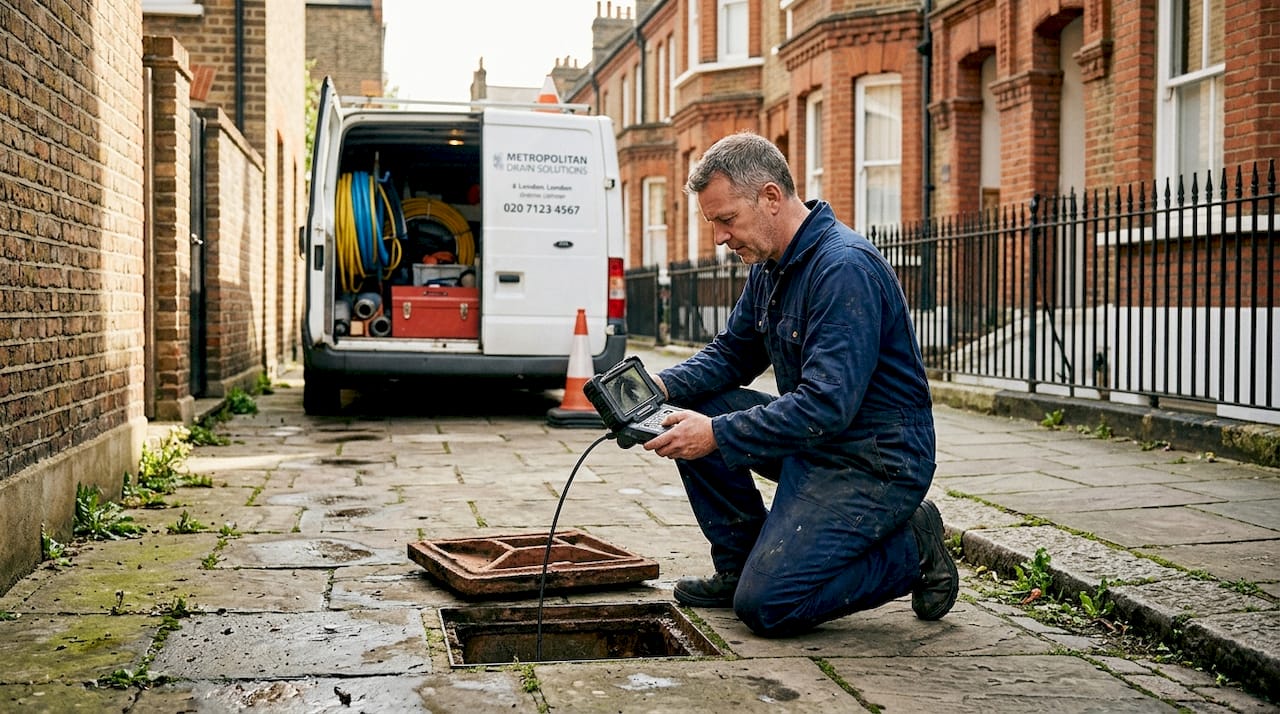
A CCTV drain survey is essential to assess damage and plan effective relining repairs. Technicians insert waterproof cameras into access points, recording video footage as they navigate the entire pipe length. This inspection reveals crack locations, root intrusion extent, pipe diameter changes, and structural weaknesses that influence material selection.
The preparation sequence follows these critical steps:
- Conduct comprehensive CCTV survey to map damage and measure pipe dimensions accurately
- Clear blockages using high-pressure water jetting cleaning that removes debris, scale, and root material
- Inspect pipe interior again post-cleaning to verify complete debris removal
- Dry pipe walls using compressed air or specialised drying equipment
- Select appropriate liner material based on pipe size, damage type, and expected flow conditions
Moisture presence prevents proper resin bonding. Even small amounts of water create weak spots where liners may delaminate over time. Professional teams use moisture metres to confirm dryness before proceeding. This attention to detail separates lasting repairs from premature failures.
North London CCTV drain surveys typically take 1-2 hours for residential properties. Technicians provide detailed reports with timestamped video, annotated images, and repair recommendations. This documentation proves invaluable for insurance claims and property transactions.
Pro Tip: Request copies of all survey footage and reports. These records establish drainage condition baselines, helping you track system health and justify future maintenance decisions to insurers or buyers.
The drain relining process: step by step
Once preparation completes, professionals execute the relining procedure with precision. The process transforms damaged pipes into structurally sound drainage systems without disturbing surrounding property.
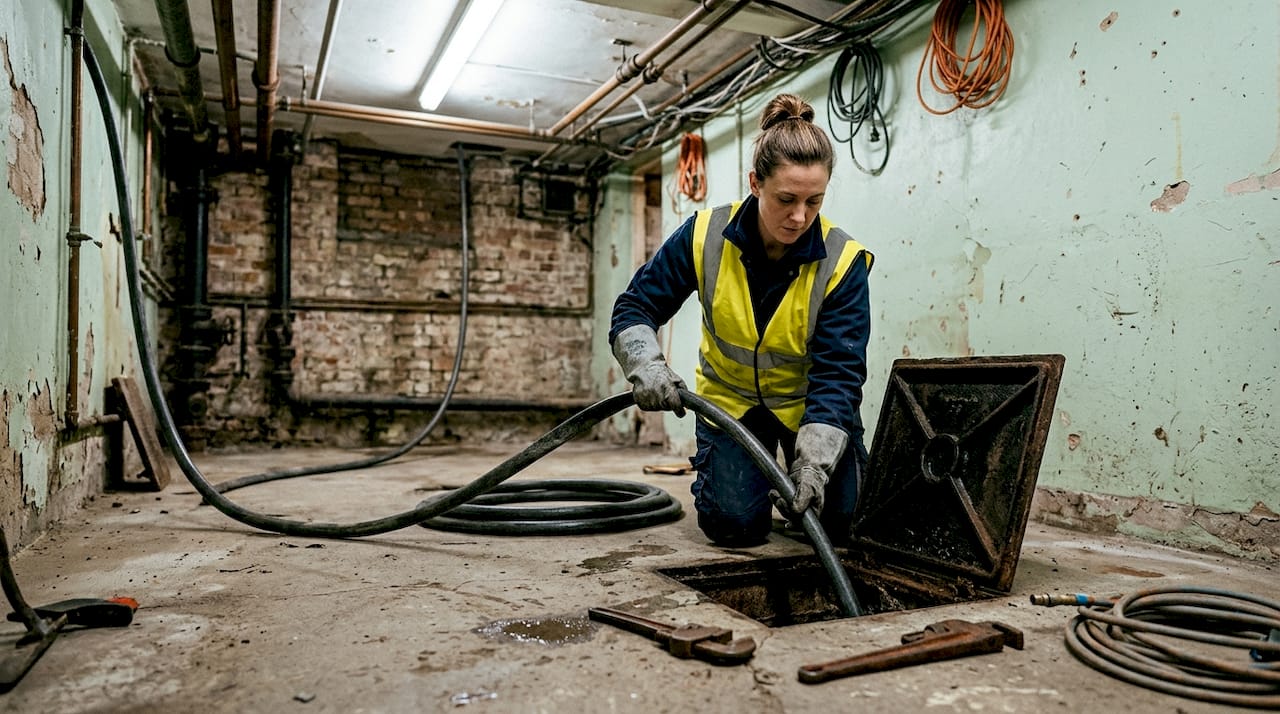
Resin and liner materials must be chosen based on drain condition and pipe size for effective results. Technicians select from several liner types, each suited to specific scenarios. Felt liners work well for most residential applications, whilst fibreglass options handle higher pressures in commercial settings.
The installation sequence proceeds methodically:
- Saturate liner material with two-part epoxy resin mixed to manufacturer specifications
- Insert liner into drain via existing access point using inversion or pull-through methods
- Inflate liner with air or water pressure, forcing it against pipe walls uniformly
- Cure resin using hot water circulation, steam injection, or UV light exposure
- Remove inflation equipment and trim excess liner at access points
- Conduct post-installation CCTV inspection to verify complete coverage and proper adhesion
| Curing Method | Duration | Best For | Temperature |
|---|---|---|---|
| Hot water | 2-4 hours | Residential pipes | 80-90°C |
| Steam | 1-3 hours | Commercial drains | 100-110°C |
| UV light | 30-90 minutes | Short pipe runs | Ambient |
| Ambient cure | 12-24 hours | Low-pressure systems | 15-25°C |
Inversion techniques suit longer pipe runs and situations where multiple bends complicate liner insertion. The liner turns inside out as it travels through the pipe, pulled by water or air pressure. This method ensures smooth installation without wrinkles or gaps that compromise structural integrity.
Pull-through methods work better for shorter sections or pipes with restricted access. Technicians attach the liner to a cable or rod, pulling it through the damaged area before inflation. This approach offers greater control in complex pipe configurations.
The detailed drain relining guide explains how curing transforms flexible resin-saturated material into rigid pipe. Heat or UV light triggers chemical reactions that harden the epoxy, creating a smooth interior surface that resists corrosion and root penetration for decades.
Pro Tip: Avoid using drains for 2-3 hours post-installation even if technicians say curing completes faster. This buffer ensures complete hardening and prevents premature stress on new liners.
Post-relining inspection and maintenance tips
Verification ensures repairs meet quality standards. Professional teams never consider jobs complete until thorough inspection confirms liner integrity and proper sealing.
Follow-up CCTV surveys capture detailed footage of the cured liner, checking for gaps, wrinkles, or weak spots. Technicians compare post-installation images with pre-repair documentation, confirming complete coverage of damaged areas. This verification protects your investment and provides documentation for warranty claims if issues emerge later.
Comparing relining against traditional replacement reveals significant advantages:
| Factor | Drain Relining | Pipe Replacement |
|---|---|---|
| Duration | 1-2 days | 1-2 weeks |
| Excavation | None required | Extensive trenching |
| Cost | £80-150 per metre | £150-300 per metre |
| Disruption | Minimal | Severe |
| Landscaping impact | None | Complete restoration needed |
Regular inspection and maintenance significantly extend the lifespan of relined drains. Implementing smart maintenance practices protects your investment and prevents premature failures.
Maintenance recommendations include:
- Schedule annual CCTV inspections to catch problems before they escalate
- Avoid pouring fats, oils, or harsh chemicals down drains that could degrade resin
- Clear outdoor gullies and inspection chambers quarterly to prevent debris accumulation
- Address tree root growth near drainage lines before roots penetrate relined sections
- Keep detailed records of all inspections and maintenance activities
Drain maintenance for London homes emphasises preventive care over reactive repairs. Property managers who invest in routine inspections spend less on emergency callouts and extend system lifespans significantly.
Chemical drain cleaners pose particular risks to relined pipes. Caustic substances can soften or degrade epoxy resins, creating weak spots that fail prematurely. Mechanical cleaning methods like water jetting remain safe when performed by trained professionals who understand pressure limits for relined systems.
Blocked drain repair services offer ongoing support beyond initial installation. Establishing relationships with drainage specialists ensures rapid response when issues arise and access to expert advice about system care.
Professional drain relining services in greater London
When drainage problems threaten your property, professional expertise makes the difference between lasting repairs and recurring headaches. Experienced teams combine advanced diagnostic tools with proven techniques, delivering solutions that protect your investment for decades.
Specialist drainage contractors provide comprehensive services from initial assessment through post-repair verification. Their London drainage services include emergency response, routine maintenance, and complex repair projects across residential and commercial properties. Choosing established providers ensures access to proper equipment, quality materials, and trained technicians who understand local drainage challenges. Drain maintenance advice for London homes helps you develop proactive strategies that prevent costly emergencies. Professional drain repairing services deliver peace of mind through guaranteed workmanship and ongoing support that keeps your drainage system functioning optimally year after year.
FAQ
How long does drain relining take?
Most residential drain relining projects in London complete within 1-2 days depending on pipe length and damage extent. Preparation including CCTV surveys and cleaning typically takes 2-4 hours, whilst liner installation and curing requires 4-8 hours. Quick-cure methods using UV light or hot water circulation accelerate the process without compromising quality, allowing same-day completion for straightforward repairs.
Is drain relining a permanent fix?
Properly done drain relining can last 25 years or more with correct maintenance. The cured epoxy liner creates a seamless pipe-within-a-pipe that resists corrosion, root intrusion, and structural degradation. Longevity depends on proper installation, appropriate material selection, and ongoing maintenance including regular inspections and careful use. Many manufacturers offer 10-year warranties, reflecting confidence in the technique’s durability.
Can I perform drain relining myself?
Drain relining requires specialised equipment including CCTV cameras, high-pressure jetters, liner inversion systems, and curing apparatus not available to homeowners. Incorrect resin mixing, improper liner positioning, or inadequate curing creates failed repairs that cost more to remedy than professional installation. Insurance policies may not cover damage from DIY drainage work, leaving you liable for property damage and neighbour impacts.
What are the costs involved in drain relining in London?
Drain relining costs in London typically range from £80-150 per metre for residential properties, influenced by pipe diameter, access difficulty, and damage severity. Complete projects including inspection, cleaning, and relining average £1,200-3,000 for typical homes. This represents 30-50% savings compared to excavation and pipe replacement costing £150-300 per metre plus landscaping restoration. Professional quotes based on CCTV surveys provide accurate cost estimates before work begins.