TL;DR:
- Neglected drains in the UK cause significant financial and environmental damage, especially in London’s aging infrastructure.
- Implementing routine maintenance, ensuring accessibility, and coordinating responsibilities are vital for resilient and compliant drainage systems.
Blocked and neglected drains cost UK property owners hundreds of millions of pounds every year in emergency callouts, structural repairs, and environmental penalties. In Greater London, ageing Victorian infrastructure, dense urban development, and increasing rainfall intensity from climate change make the stakes even higher. National SuDS standards now require drainage systems to allow safe, easy access for maintenance and emergency response, including for features that routinely become clogged. This guide cuts through the complexity and gives you practical, evidence-backed steps to protect your property and stay compliant.
Table of Contents
- The criteria: what makes a drainage system safe?
- Routine prevention: proven ways to keep drains safe
- Diagnosing issues: safe approaches to identifying drain hazards
- Emergency response and resilient design
- Our view: what most guides miss about drain safety
- Get professional support for drain safety in London
- Frequently asked questions
Key Takeaways
| Point | Details |
|---|---|
| Accessibility is key | Safe drains need easy access for maintenance and emergency repairs. |
| Routine prevention works | Filtration and regular checks prevent most blockages and costly damage. |
| Diagnosis-first saves trouble | CCTV and specialist inspections address recurring issues without repeated fixes. |
| Emergency readiness | Resilient design and protocols ensure drains handle unexpected events safely. |
| Collaboration ensures compliance | Aligning with system operators and DWMPs keeps properties safe and legal. |
The criteria: what makes a drainage system safe?
Before you can act, you need to know what you are actually aiming for. “Safe drainage” is not simply about keeping water flowing. It covers a cluster of distinct qualities that work together to protect your property, your neighbours, and the wider environment.
Here is what genuinely matters:
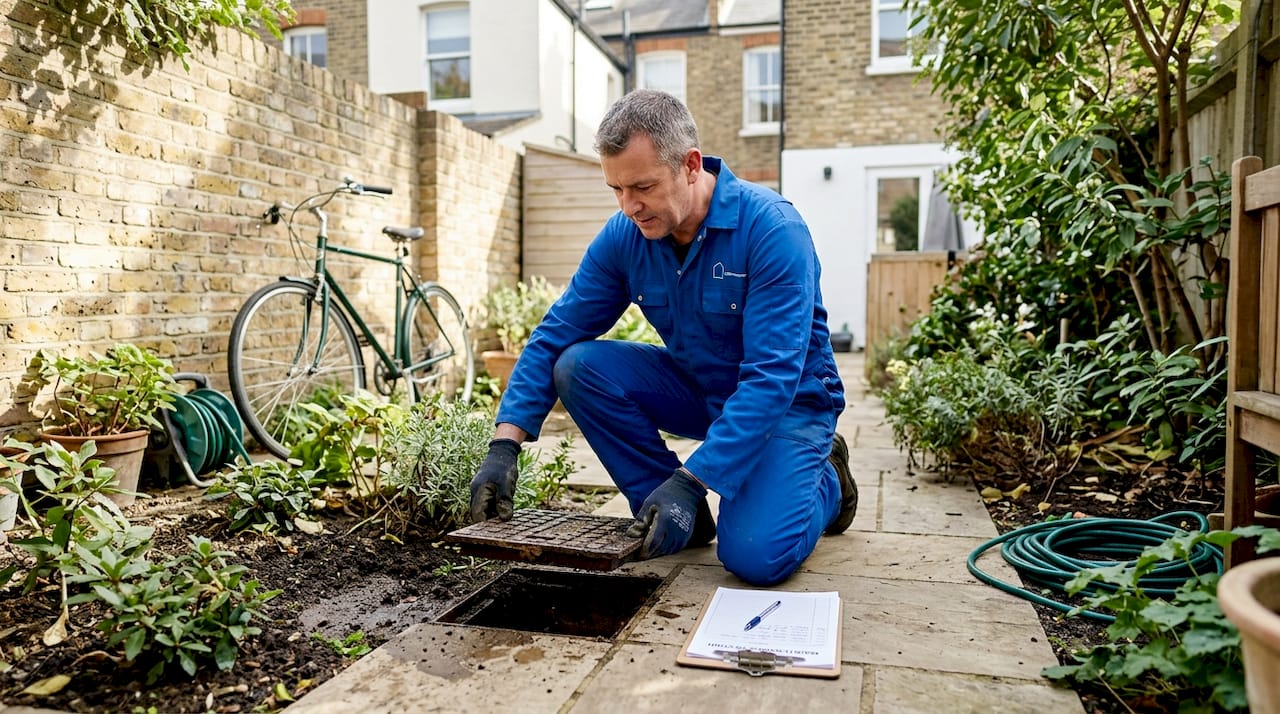
- Accessibility: Maintenance personnel and specialist vehicles must be able to reach inspection chambers, manholes, and access points without obstruction. As national standards specify, surface water drainage design must allow free, safe, and easy access for personnel, vehicles, and machinery for both routine maintenance and emergency response. This is not optional guidance. It is a design and management requirement.
- Pollution control: Drains must contain and direct waste and surface water without leaking pollutants into soil, groundwater, or public sewers in ways that breach consent limits.
- Blockage prevention: A safe system actively resists blockage through good design, correct use, and regular maintenance. It does not rely on reactive clearing after problems arise.
- Compliance with London and national standards: Greater London properties face a layered regulatory environment, covering Thames Water’s sewer network, local authority planning requirements, and national SuDS standards for new or altered drainage.
- Resilience: A safe drain system is designed to cope when things go wrong. That means having risk-based measures in place, not just hoping for the best during heavy rain or a sudden blockage.
Understanding these five criteria transforms how you approach drain maintenance examples. Instead of reacting to emergencies, you can build a routine that addresses each criterion systematically.
“Safe drainage is not a single action. It is a property-wide culture of access, cleanliness, compliance, and preparedness.”
The most overlooked criterion among London homeowners is resilience. Many properties have perfectly functioning drains until a heavy storm or a single blocked gully causes a cascade of failures. Planning for that scenario before it happens is what separates genuinely safe drainage from a system that merely looks fine on a dry day.
Routine prevention: proven ways to keep drains safe
Knowing the criteria is one thing. Acting on them consistently is another. Routine prevention is where most of the real safety gains happen, and the evidence strongly supports simple, disciplined habits over expensive reactive repairs.
Follow these core prevention steps:
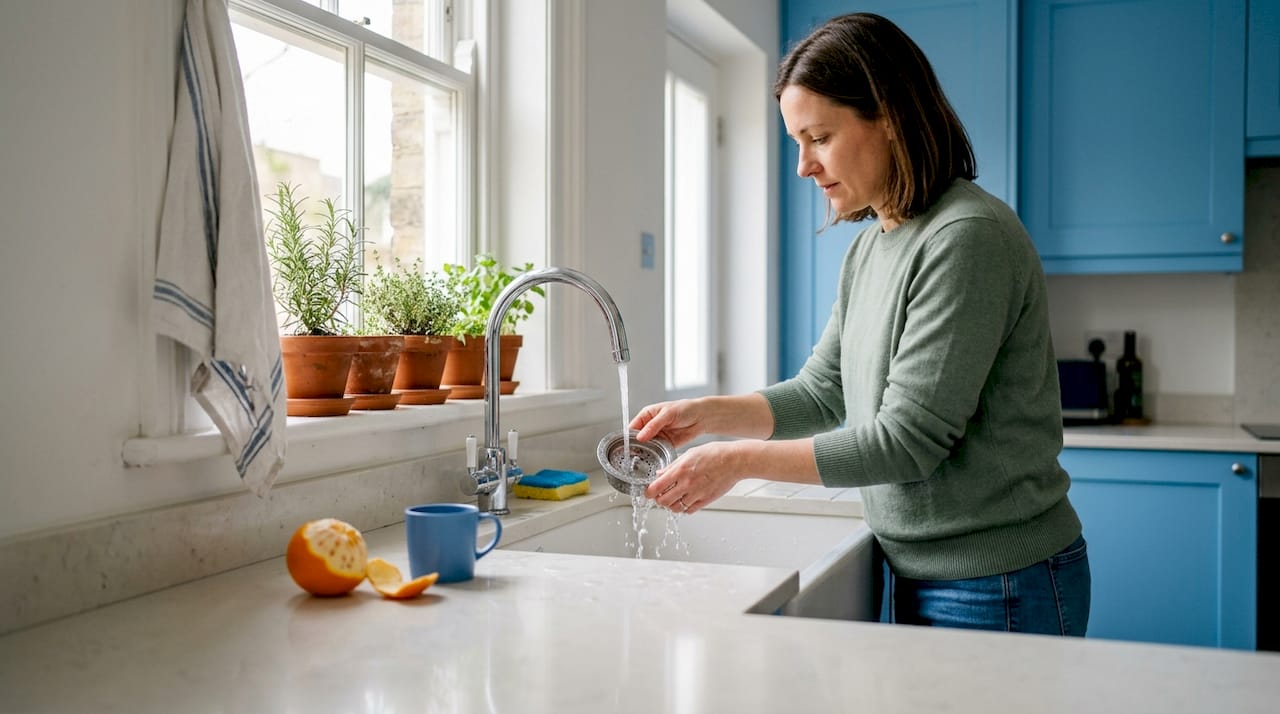
- Fit strainers and hair traps on every drain. Kitchen sinks, bathroom basins, shower trays, and bath outlets should all have physical filtration. Routine filtration using strainers and hair traps is one of the most effective ways to prevent blockages before they form. Replace or clean these monthly without fail.
- Practise disciplined waste disposal. Never pour cooking fat, grease, or oil down the sink. These are the primary cause of fatbergs in London’s sewer network, and your domestic drain is the entry point. Coffee grounds, wet wipes labelled “flushable,” and food waste should go in the bin, not the drain. This is non-negotiable.
- Schedule periodic inspections. Visual checks of external gullies, downpipes, and inspection chambers should happen at least twice a year, ideally before and after winter. Clear leaves, moss, and debris from gully covers. Check that chamber lids are intact and secure.
- Align with system operator expectations. Property owners and managers should align maintenance responsibilities and reporting with the drainage and wastewater management plan expectations of their relevant system operator. In Greater London, that primarily means Thames Water, but it can also involve the local authority for surface water features.
- Use enzyme-based drain cleaners periodically. These are far safer for your pipework than chemical caustic cleaners, which can degrade older clay or cast-iron pipes common in Victorian London properties. Enzyme treatments break down organic matter gradually without corroding joints or seals.
The routine maintenance benefits of following these steps consistently are substantial. Properties with scheduled maintenance programmes experience significantly fewer emergency callouts and avoid the kind of structural degradation that leads to drain relining or full excavation.
Pro Tip: Set a calendar reminder every six months to inspect external gullies and clean strainers throughout the property. Pairing this with seasonal tasks like clearing gutters means it becomes a habit rather than a chore you keep putting off.
One point often missed in generic advice: tenant behaviour in managed properties is a major variable. If you manage flats or HMOs in London, providing clear written guidance on what can and cannot go down the drain is just as important as any physical maintenance step you take. A single tenant routinely disposing of cooking oil incorrectly will undo months of careful upkeep.
The link between disciplined daily habits and expensive repair bills is direct. Understanding the full value of drain maintenance examples makes it much easier to justify the time investment to co-owners, tenants, or leaseholders.
Diagnosing issues: safe approaches to identifying drain hazards
Routine prevention catches most problems. But what happens when blockages keep coming back, or when you suspect something is structurally wrong beneath the surface? This is where safe diagnosis becomes critical.
The key distinction is between surface-level inspection (you can see the problem directly) and hidden defects (the issue is within the pipe run, underground, or behind a wall). For hidden defects, guesswork is expensive and often makes things worse.
| Method | Best used when | Limitations |
|---|---|---|
| Manual rodding | Soft blockage close to access point | Cannot identify structural defects |
| High-pressure jetting | Grease or organic build-up in accessible pipes | Does not reveal root ingress or pipe collapse |
| CCTV drain survey | Recurring blockages, suspected structural damage, pre-purchase checks | Requires clear, accessible pipe for accurate movement |
| Drain camera inspection | Pinpointing specific fault locations | Not suitable when pipe is fully blocked |
When should you go straight to CCTV? A diagnosis-first CCTV approach is recommended when blockages are recurring or the cause is unclear, to avoid repeated partial fixes and to identify structural defects or root ingress. This matters because clearing a blockage without understanding its cause is like treating a symptom without a diagnosis. You will be back in the same situation within weeks.
Key safety criteria for any diagnostic procedure:
- Access must be safe and unobstructed. Working around live sewage or in confined spaces requires proper equipment and training.
- Contamination must be controlled. Any inspection involving open drainage in proximity to water features or gardens needs to follow safe working practices to prevent cross-contamination.
- Results must be accurate. A CCTV survey that is rushed or conducted in suboptimal conditions produces unreliable footage and may miss critical defects.
Critically, CCTV inspection should not be attempted when access points are obstructed or when pipes are blocked in a way that prevents accurate camera movement. Forcing a camera through a partially blocked or collapsed section risks damaging the equipment and, more importantly, dislodging debris in a way that worsens the blockage.
A professional drain camera inspection carried out by an experienced technician will include a written or video report of findings, giving you a clear record for insurance, compliance, and future maintenance planning. Understanding the difference between inspection methods helps you ask the right questions and commission the right service for your situation. For a detailed assessment of the entire pipe network, a CCTV drain survey provides the most thorough picture available without excavation.
Emergency response and resilient design
Even with excellent prevention and sound diagnostics, emergencies happen. How you respond in those first hours determines whether a manageable problem becomes a serious one.
Here are the most common drainage emergencies and the priority actions for each:
| Emergency type | Immediate action | Professional follow-up needed |
|---|---|---|
| Blocked sewer causing internal flooding | Stop using all water-using appliances, call emergency drainage service | Full drain clearance and CCTV to assess cause |
| Contaminated water backing up | Avoid contact, ventilate affected area, call specialist immediately | Drain clearance, sanitisation, and root cause inspection |
| Collapsed or cracked pipe | Do not attempt DIY repair, isolate area if safe | CCTV survey, drain relining or excavation repair |
| Surface water flooding from blocked gully | Clear visible debris if safe, monitor level, call if worsening | Gully emptying, inspection of downstream network |
The national SuDS standards are clear that access for high-risk components, such as soakaways, outfalls, trash screens, and flow controls, must be prioritised in drainage design. If your property has any of these features and the access routes are overgrown, paved over, or obstructed by parked vehicles, that is a safety risk that needs correcting before the next emergency, not during it.
Pro Tip: Keep a written note of your drainage layout, including the location of inspection chambers and the contact details for your system operator and emergency drainage service. In a flooding event at 2am, you will not have time to search for this information.
Long-term resilience is increasingly important for London properties. Climate projections consistently show more intense rainfall events in the South East, meaning drainage systems designed for historical rainfall patterns may be undersized for future demands. Drainage and wastewater management plans must address capacity, current and future demands, resilience measures, sequencing, and environmental risks. As a property owner, engaging with your local operator’s DWMP process gives you advance notice of infrastructure upgrades and shared responsibilities.
Understanding the full emergency drainage process before you need it reduces panic and speeds up resolution when problems do occur. Bookmark it. Share it with your estate manager or building supervisor. Treat it the way you would treat a fire evacuation plan: something you hope never to need, but something you absolutely want in place.
Building resilience also means reviewing your drainage layout periodically. Are inspection chambers accessible? Are surface water features like soakaways clear and functional? Have you checked that drain maintenance examples from similar properties flag any risks that apply to yours? Resilient design is not just about materials. It is about ongoing stewardship.
“Access to drainage components is not a luxury. It is the foundation of every other safety measure you can take.”
Our view: what most guides miss about drain safety
Most drain safety guides focus almost entirely on what you do to your own drains. Fit a strainer. Do not pour fat down the sink. Call a plumber when it blocks. That advice is not wrong, but it misses something important: your drains do not operate in isolation.
In Greater London, your drainage connects to a network managed by multiple parties. Thames Water, your local authority, neighbouring properties, and in some cases highway drainage all interact with your system. The alignment of maintenance responsibilities with the system operator’s expectations is a critical step that most homeowners and even some property managers never take.
We have attended emergencies in London where a property owner had done everything right on their side of the boundary, only to suffer flooding because a shared sewer was blocked upstream and nobody had a clear picture of who was responsible for it. The solution in every one of those cases was better communication and documentation before the crisis, not more aggressive rodding during it.
The other thing most guides miss is the compounding effect of deferred maintenance. A minor crack in a pipe, a slightly misaligned joint, or a slow-draining gully seem trivial individually. Left unaddressed over two or three years, they become structural failures, root ingress events, or collapse scenarios that require excavation rather than a simple CCTV survey and relining. The economics of routine maintenance benefits are decisive. Regular, modest investment in maintenance costs a fraction of the emergency and structural repair bills it prevents.
Our honest view: the most dangerous drain safety mistake in London is assuming that because nothing has gone visibly wrong, nothing is wrong. Underground drainage is invisible by design. The only way to know what condition it is in is to look, using CCTV, scheduled inspections, and informed professional advice.
Get professional support for drain safety in London
RSJ Drains has spent years working across Greater London, responding to emergencies at all hours and carrying out routine maintenance that keeps properties out of trouble long term. The guidance in this article reflects what we see repeatedly on the ground.
If you need support with drain safety, whether that is a scheduled CCTV survey to check for hidden defects, a high-pressure jet clean to restore flow, or an emergency callout when something goes wrong, our team responds within two hours, 24 hours a day. We provide transparent written reports, comply with London and national drainage standards, and give you clear, jargon-free advice about what your drains actually need. Visit RSJ Drains to learn more about our services or to arrange an inspection at a time that suits you.
Frequently asked questions
What is the safest way to unblock a drain at home?
Fit strainers to prevent blockages forming in the first place, and use gentle manual methods for minor obstructions. For recurring or unclear blockages, routine filtration and prevention should be followed by a professional CCTV survey to avoid causing further damage.
How can property managers ensure drains are safe and compliant?
Property managers should formally align their maintenance schedules and reporting with the expectations of the relevant system operator. DWMP guidance sets out the risk and resilience measures required, and ignoring these creates both compliance and liability exposure.
When should CCTV drain inspections be avoided?
Avoid CCTV inspection when access points are obstructed or the pipe is blocked in a way that prevents clear camera movement, as forcing equipment into these conditions risks inaccurate results and potential pipe damage.
What are the key elements of resilient drain design?
Resilient drainage prioritises safe access to high-risk components and incorporates controls for blockage and pollution risks. Components such as soakaways and outfalls must remain accessible so that emergency response and maintenance can be carried out quickly and effectively.