TL;DR:
- Most drain problems in London are caused by FOG, inappropriate flushing, and tree roots.
- Early warning signs include slow draining, gurgling sounds, and unpleasant odours.
- Regular inspections and prompt professional help prevent costly repairs and property value loss.
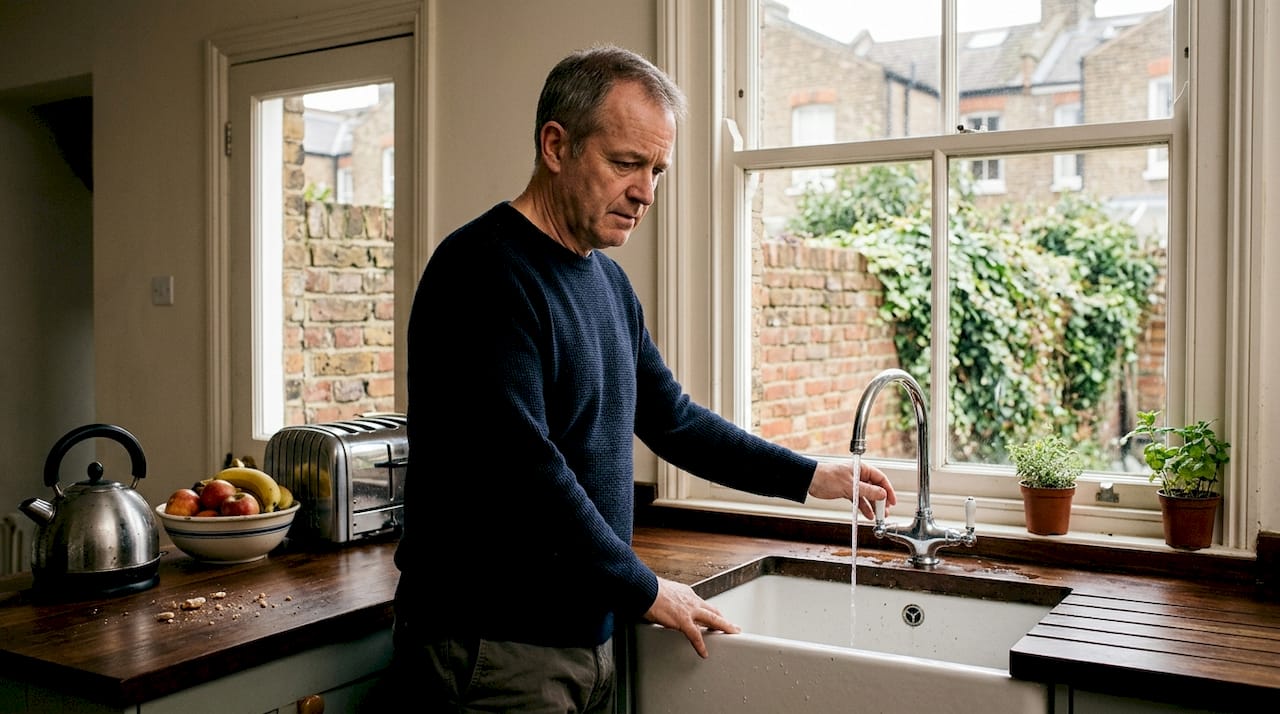
That slow-draining sink you’ve been ignoring? It could be costing you far more than you realise. 300,000 sewer blockages occur across UK households every year, racking up £100 million in repair bills, and London properties face some of the steepest call-out charges in the country. The encouraging truth is that most serious drain emergencies don’t appear from nowhere. They follow a trail of early clues that any homeowner or property manager can learn to spot. This guide walks you through the causes, the warning signs, and the practical steps to check your drains before a minor inconvenience becomes a major, wallet-draining crisis.
Table of Contents
- Common causes of drain problems in London properties
- Early warning signs your drains need attention
- Step-by-step: How to check your drains for problems
- When to act: Preventing damage and costly repairs
- A local expert’s take: Why most drain problems are preventable
- Get help with drain inspections and repairs
- Frequently asked questions
Key Takeaways
| Point | Details |
|---|---|
| Spot problems early | Identifying slow drains, odours, or pooling water can prevent expensive emergencies. |
| Prevention saves money | Regular checks and maintenance help avoid London’s high plumbing bills. |
| Know when to seek help | Persistent symptoms or uncertain causes mean it’s wise to call a drain expert. |
| Understand common causes | Most blockages are caused by FOG, flushed items, or roots—knowing the source informs solutions. |
Common causes of drain problems in London properties
Before you can diagnose a problem, it helps to understand what’s most likely causing it. London properties face a particular set of drainage challenges that combine ageing Victorian infrastructure, dense urban living, and mature street trees whose roots have had decades to spread.
The five most common culprits behind drain problems are:
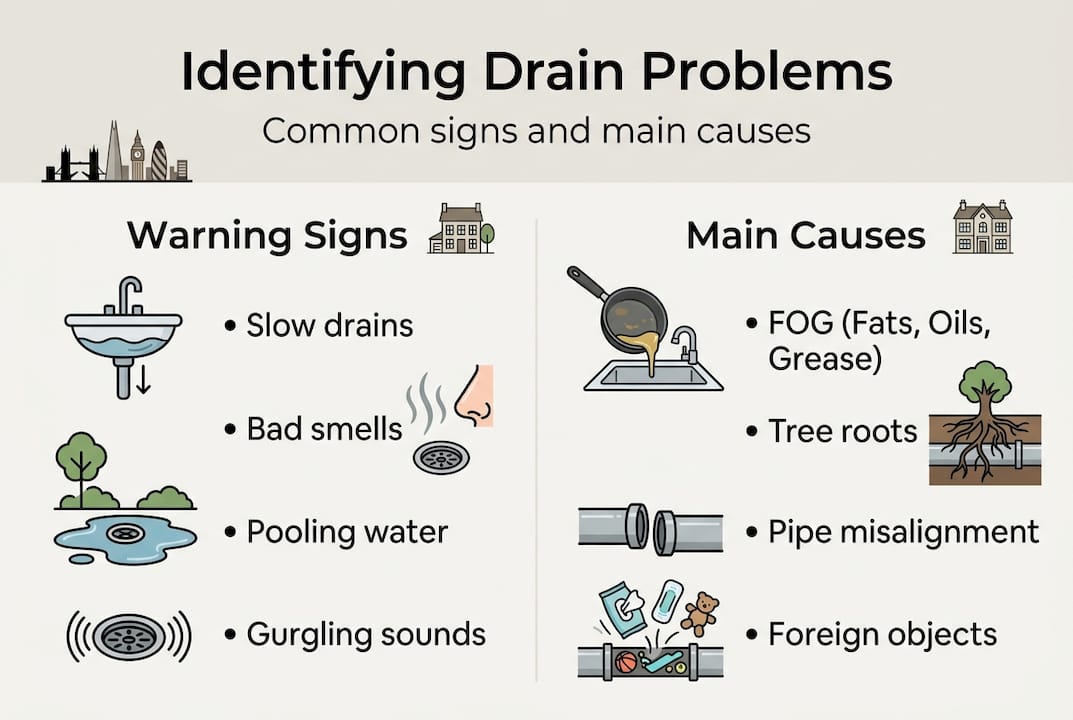
- Fats, oils, and grease (FOG): Poured down kitchen sinks, these solidify inside pipes and trap other debris. FOG causes 37.5% of all drain blockages in the UK, making it the single biggest offender.
- Inappropriate flushing: Wet wipes, cotton pads, and sanitary products are frequently flushed despite not being designed to break down in water.
- Misaligned or collapsed pipes: Older London properties often have clay or cast-iron pipework that shifts, cracks, or collapses over time, restricting flow.
- Tree root intrusion: Mature gardens and tree-lined streets are part of London’s charm, but roots actively seek moisture and can crack or block pipes.
- Sewer backups: High-density living means shared sewer lines carry heavy loads, and blockages upstream can push waste back into your property.
Understanding why blocked drains occur in your specific area gives you a head start on prevention. A Victorian terrace in Islington is far more likely to suffer pipe misalignment than a 1990s build in Bromley, for instance.
| Cause | Estimated share of blockages |
|---|---|
| Fats, oils, and grease (FOG) | 37.5% |
| Inappropriate flushing | 25% |
| Tree root intrusion | 15% |
| Misaligned or collapsed pipes | 13% |
| Sewer backups and external causes | 9.5% |
Unresolved drainage issues don’t just cause inconvenience. They can directly affect what your property is worth, making blocked drain prevention a genuine financial priority.
Pro Tip: If your property was built before 1970 and has a mature garden, tree root intrusion and pipe misalignment should be your first suspicion. Newer builds with open-plan kitchens are more likely suffering from FOG buildup.
Early warning signs your drains need attention
Knowing the causes means you can now tune into the signals your drainage system sends before things get serious. Many London homeowners miss these signs simply because they seem minor at first.
Here are the key warning signs to watch for:
- Slow draining: Water pooling in your sink, bath, or shower and taking longer than usual to clear is the most common early indicator.
- Gurgling sounds: A gurgling noise from plug holes or toilets suggests air is being trapped by a partial blockage somewhere in the system.
- Persistent unpleasant smells: A sulphurous or sewage-like odour, particularly from kitchen drains, often points to a FOG buildup decomposing inside the pipe.
- Recurring blockages: If you’re clearing the same drain repeatedly, the underlying cause hasn’t been fixed.
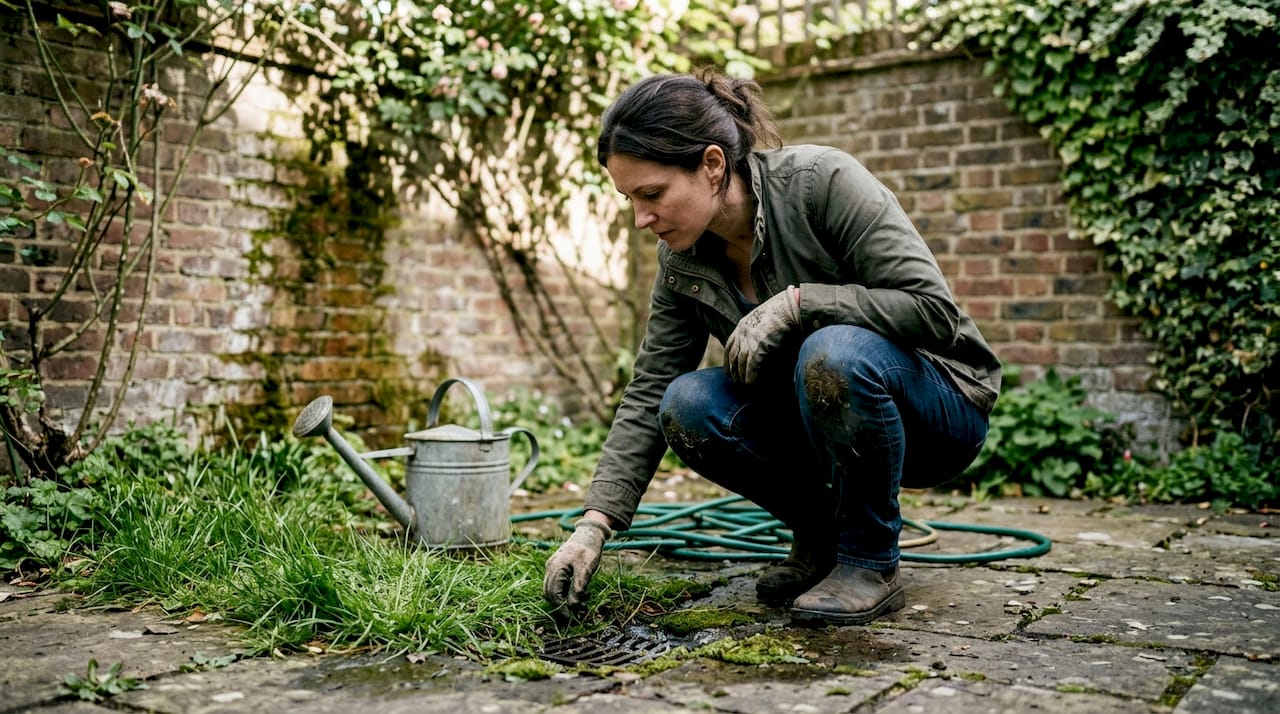
- Damp patches or sinkholes near external drains: Soggy ground, unexplained wet patches, or small depressions in your garden can signal a cracked or leaking underground pipe.
- Water backing up in unusual places: Flushing the toilet and seeing water rise in the bath is a classic sign of a shared drain blockage.
Each symptom tends to point toward a specific cause. Smells usually mean FOG. Outdoor pooling or lush, unexpectedly green patches in your garden often suggest root intrusion or a pipe leak underground. Gurgling across multiple fixtures at once points toward a blockage deeper in the shared system.
Left unaddressed, these symptoms escalate quickly. A slow drain becomes a full blockage. A minor pipe crack widens under pressure. The benefits of regular drain maintenance become very clear when you consider that properties lose 10 to 15% of their value when drainage issues go unresolved.
Pro Tip: Never dismiss a slow drain as a minor nuisance. It is almost always the first visible clue that a more significant blockage is forming further down the pipe. Catching it early saves both time and money.
Step-by-step: How to check your drains for problems
With the warning signs in mind, you can now carry out a systematic check of your drainage system. You don’t need specialist equipment for most of these steps, just a bit of time and attention.
- Visual inspection indoors: Check around the base of toilets, under sinks, and around bath seals for water staining, damp, or mould. These can indicate slow leaks from loose connections.
- Listen and smell: Run water in each sink, bath, and shower. Listen for gurgling and note any odours. Gurgling from one fixture alone suggests a localised blockage; gurgling across multiple fixtures suggests a deeper issue.
- DIY water test: Pour a bucket of water quickly into a drain and watch how fast it clears. Slow clearance confirms restricted flow.
- Check external inspection covers: Locate your external drain inspection covers (usually in the garden or driveway). Lift them carefully using gloves and a flat tool. Look for signs of standing water, debris, or unusual odours.
- Assess the garden: Walk the perimeter of your property and look for soggy patches, sunken ground, or unusually lush grass, all of which can indicate underground leaks.
- Book a CCTV survey if in doubt: When self-checks reveal a problem you can’t pinpoint, a CCTV drain survey is the most reliable next step, particularly for older London properties or before purchasing a home.
| Check type | What it reveals | Tools needed |
|---|---|---|
| Visual and smell check | Surface leaks, FOG odours | None |
| Water flow test | Partial blockages | Bucket of water |
| Inspection cover check | Standing water, debris | Gloves, flat tool |
| Garden assessment | Underground leaks, root damage | None |
| CCTV drain survey | Cracks, root intrusion, collapse | Professional equipment |
Using a drain maintenance checklist can help you stay organised across multiple checks. For a structured approach to identifying specific faults, a drainage problem checklist is equally useful.
Important: Never remove covers on shared or public drains. These are the responsibility of Thames Water or your local authority, and tampering with them carries both safety and legal risks. Always wear gloves when handling private inspection covers and wash hands thoroughly afterwards.
When to act: Preventing damage and costly repairs
Identifying a problem is only half the battle. Knowing when to act urgently and when to schedule routine maintenance is what separates minor inconvenience from serious structural damage.
Call a professional immediately if you notice any of the following:
- Multiple drains slowing down or backing up at the same time
- Sewage smells indoors that persist after cleaning
- Toilets backing up or overflowing without an obvious cause
- Sudden soggy patches or sinkholes appearing in your garden
- Water staining on walls or ceilings near pipework
These scenarios suggest the problem has moved beyond a simple surface blockage. London plumber charges are among the highest in the UK, and property values can drop by up to 15% when drainage problems are left unresolved. Acting quickly is always the cheaper option.
For situations that aren’t yet emergencies, these preventative measures make a real difference:
- Fit a sink strainer to catch food debris and hair before it enters the pipe
- Dispose of cooking fats in a sealed container in the bin, never down the sink
- Avoid flushing anything other than toilet paper
- Run hot water for 30 seconds after washing dishes to help clear residual grease
- Schedule a professional inspection every 12 to 18 months, particularly for older properties
Adopting habits around preventing costly repairs doesn’t require much effort, but the payoff is significant. Understanding the benefits of timely repair is especially relevant for property managers overseeing multiple London sites.
Pro Tip: Keep a simple maintenance log noting any drain issues, when they occurred, and what action was taken. This record is invaluable when making insurance claims or demonstrating due diligence to a buyer during a property sale.
A local expert’s take: Why most drain problems are preventable
After years of responding to drainage emergencies across Greater London, one pattern stands out clearly. The vast majority of call-outs were entirely avoidable. Not because homeowners were negligent, but because they had normalised the early signs.
A slow drain becomes background noise. A faint smell gets blamed on something else. These small dismissals compound over months until the system fails at the worst possible moment, often on a weekend or during a family gathering.
London properties are especially vulnerable because of the combination of high kitchen usage, ageing clay pipework, and mature tree cover. That combination means problems develop faster and run deeper than in newer builds elsewhere in the country.
The practical wisdom we share with every client is this: set a monthly calendar reminder to run the simple water test and check your inspection cover. It takes ten minutes. Learning more about drain maintenance for London homes can help you build that habit into your routine. Most disasters we attend could have been caught at that stage, months earlier, at a fraction of the eventual cost.
Get help with drain inspections and repairs
Spotting the signs early is a great first step, but some problems need professional eyes and specialist equipment to resolve properly.
At RSJ Drains, we provide expert drain inspection services across Greater London, using CCTV technology to pinpoint exactly what’s happening inside your pipes without guesswork. Whether you’ve noticed a warning sign from this guide or simply want peace of mind before a property purchase, our team responds fast and works cleanly. Explore our full range of drainage services or book a CCTV drain survey today. Early intervention is always the smarter, more affordable choice.
Frequently asked questions
What is the most common cause of drain blockage in London homes?
Fats, oils, and grease (FOG) are the leading cause, responsible for over 37% of all blockages in the UK. Avoiding pouring cooking fat down the sink is the single most effective prevention step.
How do I know if tree roots are affecting my drains?
Sudden outdoor pooling, recurring blockages, and unusually lush patches of grass can all signal root intrusion near your pipes. A CCTV survey will confirm it definitively.
When should I call a professional for a drain problem?
If you’re experiencing recurring slow drains, sewage smells, or external wet patches, call a professional promptly. Delaying risks property value loss of up to 15%.
Are CCTV drain surveys necessary for all homes?
Not always, but they are most essential for older London properties, before purchasing a home, or after repeated unexplained blockages. They remove all guesswork from the diagnosis.