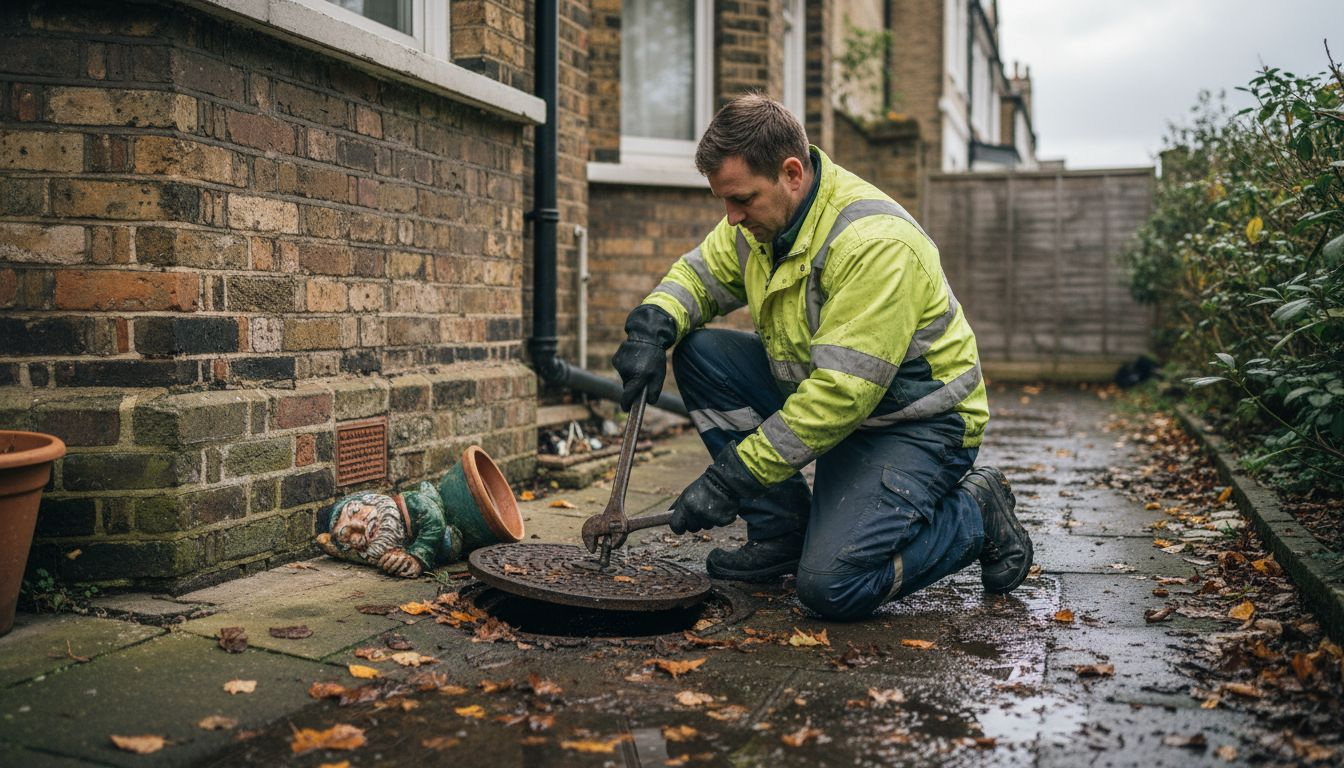
A sudden drain blockage can bring life in your North London property to a standstill, whether it is water refusing to drain from your sink or unpleasant smells drifting from your outside gullies. Issues like these not only cause stress and inconvenience but also threaten your home’s safety and hygiene. With local expertise and rapid response, a family-run drainage service delivers clear answers and swift action so you can get back to normal without delay.
Table of Contents
- Blocked Drains Explained for Homeowners
- Common Household Causes in London
- Outdoor and Structural Drainage Issues
- Warning Signs and Prevention Strategies
- Role of Professional Drainage Services
Key Takeaways
| Point | Details |
|---|---|
| Understanding Blocked Drains | Blocked drains occur when wastewater flow is obstructed, leading to potential health hazards and property damage. Regular maintenance and early detection of warning signs are crucial to prevent emergencies. |
| Common Causes of Blockages | Kitchen grease, hair accumulation in bathrooms, and improper waste disposal are primary causes of blockages in London homes, often requiring professional intervention. |
| Importance of Professional Services | Engaging professionals for drainage issues ensures accurate diagnosis and effective solutions, such as CCTV surveys and high-pressure water jetting, which are superior to DIY methods. |
| Preventive Maintenance Strategies | Routine drain cleaning and installation of drain guards can significantly reduce blockage occurrences, making awareness of maintenance schedules essential for homeowners. |
Blocked Drains Explained for Homeowners
A blocked drain is simply a drainage system that’s stopped working properly, preventing water from flowing away as it should. In your London home, this might mean water pooling in your sink, shower backing up, or worse—sewage odours coming from outside gullies.
Understanding what causes blockages helps you spot problems early and know when to call in professionals like RSJ Drains.
What Exactly Is a Blocked Drain?
Your home’s drainage system is a network of pipes designed to carry wastewater away from your property safely and quickly. When something restricts this flow, water gets trapped and builds up, leading to the problems you’ve probably experienced.
Blockages form gradually in most cases. Hair, grease, soap, and debris accumulate inside pipes over months or years. Sometimes a single large object causes immediate trouble—a toy, food waste, or foreign material lodged in the line.
Roadside drains and highway gullies that feed into your property’s system can also become problematic. These keep roads safe by channelling water away through metal grates, but leaves, dirt, and rubbish easily restrict water flow, potentially affecting your home’s drainage performance.
Common Places Blockages Occur
Blockages don’t happen randomly—they usually cluster in specific locations where debris naturally collects:
- Kitchen sink and pipes (grease and food waste accumulation)
- Bathroom drains (hair combined with soap residue)
- Main soil stack (the central pipe serving multiple fixtures)
- Underground pipework (tree roots or debris shifting soil)
- External inspection chambers (where multiple pipes meet)
- Storm drains and gullies (leaves and dirt buildup)
You might be dealing with common examples of blocked drains that many London homeowners face regularly.
Why This Matters for Your Home
A blocked drain isn’t just inconvenient—it poses real risks to your property and health.
Structural damage develops when water sits against pipes and foundations. Pressure builds as water seeks alternative routes, sometimes penetrating walls or causing subsidence in extreme cases.
Health hazards emerge quickly. Stagnant water breeds bacteria and mould. Sewage backups introduce harmful pathogens into your home’s surfaces and can affect groundwater quality.
Property damage accelerates when blockages go untreated. What starts as a slow drain becomes a burst pipe, causing thousands of pounds in repairs.
Ignoring early warning signs—slow drains, gurgling sounds, or foul smells—typically means expensive emergency repairs later.
Emergency drainage calls outside working hours cost significantly more. Acting quickly saves money and prevents health risks.
Why Professional Help Matters
While some minor blockages can be cleared temporarily, professional drainage engineers like RSJ Drains solve the root cause.
We use CCTV drainage surveys to identify exactly where blockages sit and what caused them. High-pressure water jetting safely clears debris without damaging pipes. For serious issues, drain relining repairs pipes from inside without excavation.
Attempting DIY solutions with plungers or chemical drain cleaners often pushes blockages deeper or damages pipes further.
Pro tip: Ring RSJ Drains as soon as you notice drainage problems—our two-hour emergency response means you won’t wait long for expert assessment and rapid resolution.
Common Household Causes in London
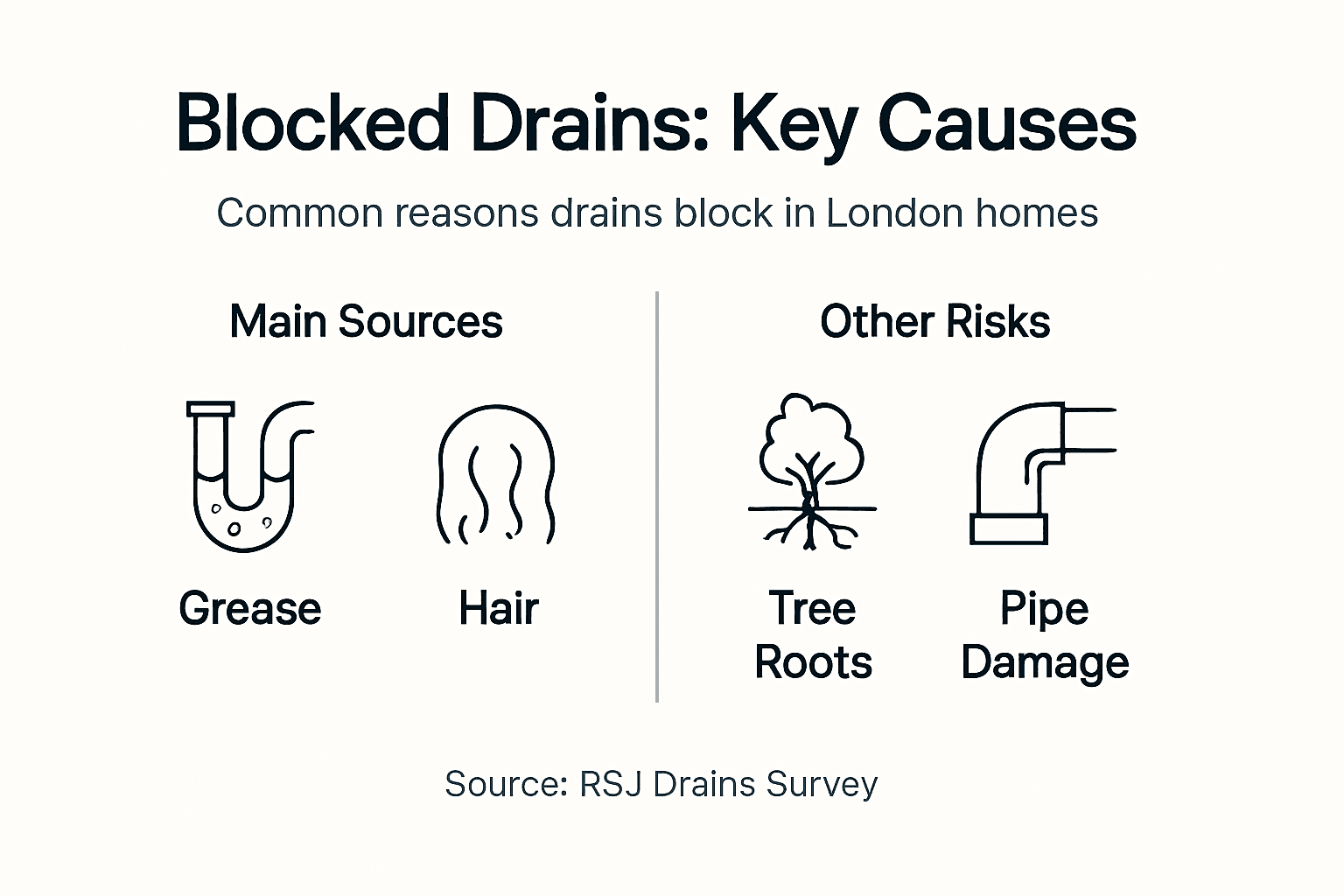
Most blocked drains don’t happen by accident. They result from everyday habits and accumulated debris that builds up over weeks or months. Understanding what causes blockages in London homes helps you prevent them before they become expensive problems.
Kitchen Drains and Grease Buildup
Grease is the primary culprit in kitchen blockages. When you pour hot fat down the sink, it flows easily at first, then solidifies as it cools inside your pipes, trapping other debris around it.
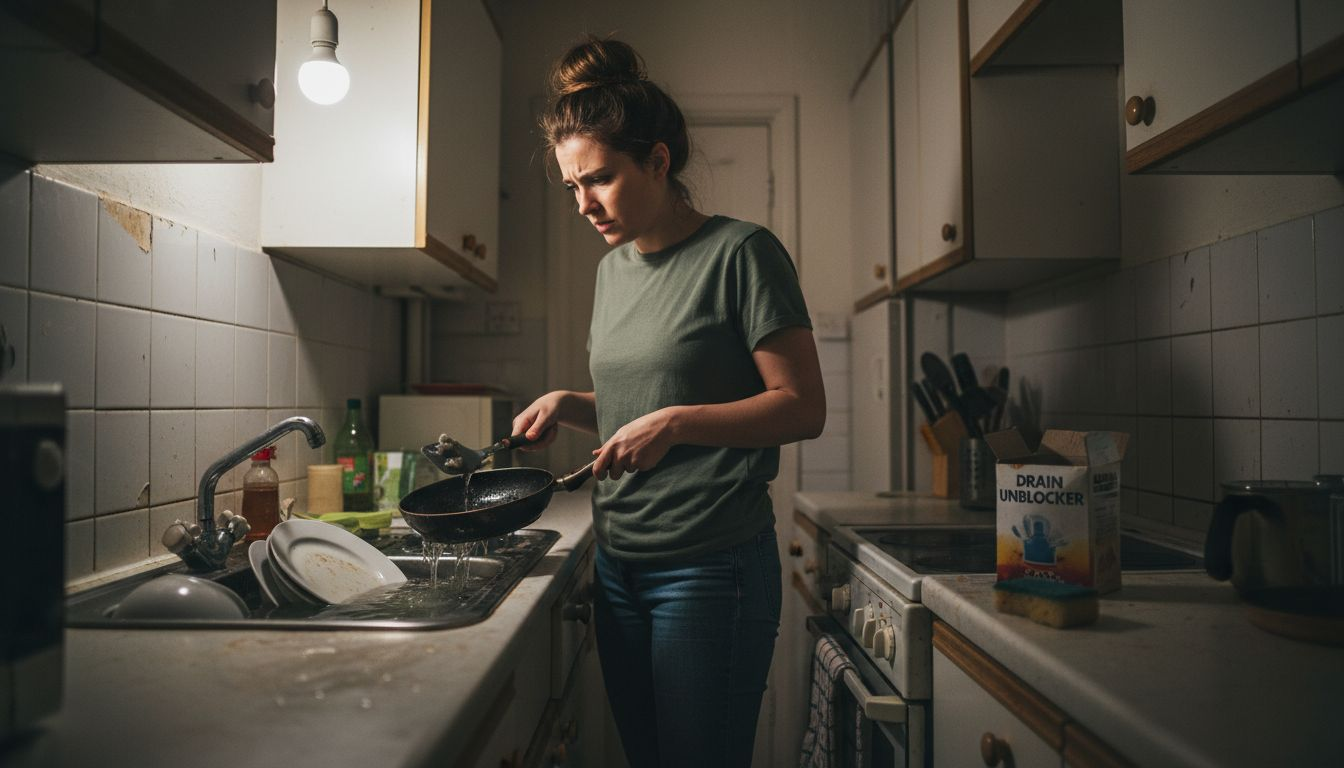
Cooking oil, butter, and meat fat accumulate gradually, creating thick deposits that restrict water flow. Combined with food scraps and soap residue, this mixture hardens into stubborn blockages that simple plunging won’t shift.
Common kitchen drain offenders include:
- Cooking oils and butter
- Food waste and vegetable peels
- Bread and pasta (expands when wet)
- Rice and rice water
- Coffee grounds
- Dairy products (curdles in pipes)
The problem worsens over time as layers build up, and many London homeowners don’t notice until water drains noticeably slowly.
Bathroom Drains and Hair Accumulation
Bathroom blockages typically involve hair combined with soap and shampoo residue. Hair doesn’t break down in water—it wraps around pipe fittings and collects debris, creating dense clogs.
Daily showers and baths deposit significant amounts of hair into drainage systems. Over months, this accumulates into blockages that prevent water from draining properly.
Bathroom blockage sources include:
- Hair from showers and baths
- Soap buildup and scum
- Shampoo and conditioner residue
- Toothpaste and mouthwash
- Skin cells and body oils
- Dental floss and cotton buds
Poor Waste Disposal and Environmental Factors
Household waste management practices significantly affect drainage. People living in areas where inadequate waste disposal and food waste accumulation occur face heightened blockage risks from poor upkeep and environmental conditions.
London’s older properties with Victorian-era drainage systems are particularly vulnerable. These pipes have tighter tolerances, making blockages more likely when debris enters.
Other waste-related causes include:
- Throwing non-degradable items down toilets
- Flushing wet wipes and sanitary products
- Disposing of paint or chemicals incorrectly
- Allowing outdoor leaves and dirt to enter gullies
Tree Roots and Structural Issues
London gardens often contain mature trees whose roots seek moisture from underground pipes. Roots penetrate small cracks and holes, then expand, eventually blocking the entire pipe.
Older properties with clay pipes are especially susceptible. Tree root intrusion causes not just blockages but also pipe damage requiring relining or replacement.
Grease-related blockages are preventable through proper disposal habits, but tree root blockages require professional intervention to avoid property damage.
Regular drain maintenance prevents most common blockages before they cause emergencies.
To help you understand the impact of different blockage causes, here’s a concise comparison:
| Blockage Cause | Typical Location | Detection Challenge | Professional Solution |
|---|---|---|---|
| Grease/oil build-up | Kitchen sinks and pipes | Slow drains, hard to remove | Water jetting and CCTV survey |
| Hair and soap residue | Bathroom drains | Foul smells, gurgling sounds | Mechanical clearance, drain guarding |
| Tree root intrusion | Underground pipework | Hidden below ground, subsidence | Pipe relining, excavating roots |
| Waste mismanagement | Toilets, external gullies | Sudden blockages, overflows | CCTV survey, waste removal |
| Structural movement | Main soil stack, inspection | Multiple backups, cracks | Drain realignment, pipe repairs |
Pro tip: Never pour grease down kitchen sinks—let it cool and solidify in a container, then bin it; install drain guards in bathrooms to catch hair before it enters pipes.
Outdoor and Structural Drainage Issues
Outdoor drainage problems often go unnoticed until they cause serious property damage. Unlike kitchen or bathroom blockages, external drainage failures affect your entire home’s foundation and structural integrity. London properties face particular challenges due to ageing infrastructure and surface water management issues.
Surface Water Flooding and Runoff
Surface water flooding occurs when rainfall overwhelms drainage systems, particularly during heavy downpours. London’s dense urban landscape with extensive paved surfaces accelerates water runoff, creating pressure on outdated drainage networks.
Water pools around foundations, seeps into basements, and damages structural elements. Modern properties require sustainable drainage systems that reduce surface water runoff and mitigate increased flooding risk throughout their lifetime.
Common surface water problems include:
- Pooling water around property perimeter
- Water entering basements or crawl spaces
- Saturated garden soil and subsidence risk
- Overwhelmed gully and inspection chamber systems
- Blocked external drains causing backup
Underground Pipe Deterioration
London’s older properties often contain clay or cast iron pipes installed decades ago. These materials degrade over time, developing cracks and sections that collapse inward, creating blockages and leaks.
Victorian-era drainage systems weren’t designed for modern water usage. Combined with tree root penetration and soil movement, pipes fail gradually, sometimes silently until serious problems emerge.
Signs of underground pipe failure include:
- Persistent wet patches in garden
- Foul odours near external gullies
- Multiple simultaneous drains backing up
- Cracks appearing in interior walls or floors
- Lush grass patches indicating sewage irrigation
Structural Movement and Ground Subsidence
Ground movement damages drainage systems irreparably. When foundations shift due to clay soil shrinkage, tree roots, or inadequate support, pipes break or disconnect at joints.
London’s clay geology expands and contracts seasonally, particularly during drought periods. This movement stresses rigid pipes, causing fractures that allow debris and root intrusion.
Inspection chambers (the concrete or plastic boxes accessing your drains) crack or become misaligned, preventing proper maintenance access and water flow.
Outdoor drainage problems worsen exponentially when left untreated—what starts as a slow leak becomes a burst pipe requiring excavation and expensive relining or replacement.
Why Professional Assessment Matters
You cannot diagnose underground drainage issues visually. CCTV drain surveys are essential for identifying pipe condition, location, and severity of problems.
Drainage engineers use specialist equipment to map your system, spot blockages, cracks, and misalignments precisely. This information determines whether you need common drainage repairs or extensive relining work.
Without professional assessment, you risk making expensive guesses about what’s wrong.
Pro tip: Request a CCTV survey if your property is over 30 years old, you notice garden subsidence, or multiple drains back up simultaneously—early detection prevents costly emergency repairs.
Warning Signs and Prevention Strategies
Catching drainage problems early saves thousands of pounds in repairs. Most homeowners miss obvious warning signs until emergencies force expensive emergency callouts. Learning to spot these signals and taking preventative action keeps your drains flowing smoothly for years.
Recognising Early Warning Signs
Slow drains are your first alert that something’s restricting water flow. Water takes noticeably longer to disappear from your sink, shower, or bath—this means debris is building up.
Gurgling sounds from drains indicate air pockets forming where blockages trap water. Foul smells emerge when stagnant water sits in pipes, breeding bacteria and creating the distinctive sewage odour many homeowners notice too late.
Common early warning signs include:
- Water draining slowly from multiple fixtures
- Gurgling noises when taps run or toilets flush
- Foul odours from kitchen sinks or bathroom drains
- Pooling water around external gullies
- Wet patches appearing in gardens or near foundations
- Backing up water in showers or baths
What to Do When You Notice Problems
Act immediately when you spot warning signs. Delaying a quick phone call means blockages worsen, water damage spreads, and emergency rates apply.
You can check for current flooding warnings in your area to understand whether drainage issues pose immediate flood risk. Contact RSJ Drains the moment you notice problems—our two-hour emergency response means professional assessment happens quickly.
Don’t attempt DIY solutions with chemical drain cleaners or aggressive plunging. These often push blockages deeper or damage pipes irreparably.
Prevention Through Regular Maintenance
Regular drain cleaning prevents most blockages entirely. Annual or bi-annual professional cleaning keeps debris from accumulating to problematic levels.
Simple habits make a massive difference in your home:
- Never pour grease or cooking oil down kitchen drains
- Install drain guards in bathroom sinks and showers
- Use drain screens to catch hair before it enters pipes
- Avoid flushing non-degradable items (wet wipes, cotton buds, sanitary products)
- Clear gutters and external gullies seasonally
- Keep trees trimmed away from underground pipes
- Fix leaking taps promptly to avoid foundation damage
Creating a Prevention Schedule
Seasonal maintenance prevents seasonal problems. Autumn leaves clog external gullies, winter rain overwhelms systems, and summer drought stresses pipes through ground movement.
Schedule professional drain inspections annually, ideally before winter. Clear gutters and downpipes in autumn. Have external gullies cleaned before heavy rainfall seasons arrive.
Older properties should receive CCTV surveys every two to three years to monitor pipe condition before failures occur.
Early intervention costs a fraction of emergency repairs—investing in prevention transforms expensive drainage disasters into routine maintenance.
Pro tip: Keep a drain maintenance log noting when cleaning occurs and any issues identified; this history helps engineers understand your system’s patterns and predict future problems before emergencies strike.
Here’s a quick summary of the most effective drain maintenance strategies for London homes:
| Maintenance Action | Frequency | Benefits | Common Mistake to Avoid |
|---|---|---|---|
| Professional cleaning | Once a year | Removes deep blockages | Waiting until emergencies |
| Drain guard installation | Continuous | Prevents hair clogs | Using inappropriate covers |
| CCTV drain survey | Every 2-3 years | Detects hidden problems | Skipping for older properties |
| Seasonal gully clearing | Autumn/Spring | Stops leaf build-up | Neglecting external drains |
| Waste disposal improvements | Daily | Minimises grease issue | Pouring fats down sink |
Role of Professional Drainage Services
Professional drainage engineers solve problems homeowners cannot fix themselves. They bring specialised equipment, technical expertise, and legal responsibility that DIY approaches simply cannot match. Understanding what professional services offer helps you make informed decisions about your drainage system’s health.
Diagnostic Expertise and Technology
CCTV drain surveys reveal exactly what’s happening inside your pipes. Engineers insert a high-definition camera into your drainage system, mapping blockages, cracks, tree root intrusion, and pipe deterioration with precision.
You receive detailed footage showing the problem’s exact location, severity, and cause. This information determines whether you need simple cleaning, drain relining, or excavation and replacement. Without this diagnostic clarity, expensive repairs target the wrong issues.
Professional services utilise:
- High-definition CCTV camera systems with real-time monitoring
- Thermal imaging to detect temperature changes indicating leaks
- Electrolocation equipment to find pipes underground
- Pressure testing to identify weak points
- Specialised software mapping your entire drainage network
Effective Blockage Removal
High-pressure water jetting clears blockages safely without damaging pipes. Professional equipment delivers pressures up to 400 bar, dislodging stubborn debris that plungers and chemical cleaners cannot budge.
Engineers control water pressure carefully, protecting your pipes whilst thoroughly clearing blockages. This method works on grease, hair, soap, mineral deposits, and even some tree roots.
Chemical drain cleaners damage pipes and harm the environment. Professional water jetting is safe, effective, and environmentally responsible.
Sustainable Drainage Solutions
Modern professional drainage services design and maintain sustainable drainage systems that mimic natural water flow, reducing blockages and flooding risk. These systems manage water sustainably whilst meeting national environmental standards.
Professionals assess your property’s soil conditions, ground stability, and local flooding risk to optimise drainage infrastructure. This prevents future blockages before they occur.
Pipe Repair and Relining
Drain relining repairs pipes from inside without excavation, saving thousands of pounds in garden and driveway damage. An epoxy resin liner is inserted into damaged pipes, creating a new pipe within the old one.
This technology eliminates the need for destructive digging. Your garden remains intact whilst pipes are permanently repaired. Relining typically lasts 50 years or longer, providing a genuine long-term solution.
Why Speed and Professionalism Matter
Two-hour emergency response means your property receives immediate professional assessment. Rapid intervention prevents water damage spreading, protects your home’s structure, and avoids inflated emergency rates.
Professional drainage engineers carry full insurance, guarantee their work, and provide documented evidence of completed repairs. This protection safeguards your investment and gives peace of mind.
Professional drainage services transform emergencies into manageable situations—rapid assessment, effective solutions, and lasting repairs restore your home’s drainage system completely.
Services typically include:
- Emergency callouts within two hours
- Full system assessment and mapping
- Detailed written reports with recommendations
- Guaranteed workmanship and warranty coverage
- Follow-up inspections and maintenance scheduling
Pro tip: Book annual professional drain inspections rather than waiting for emergencies; preventative assessment costs far less than emergency repairs and identifies problems when they’re easiest to solve.
Protect Your London Home with Trusted Blocked Drain Solutions
Blocked drains cause more than just inconvenience in London homes—they threaten your property’s structure, health, and value. If you recognise warning signs such as slow drainage, gurgling sounds, or foul smells your home could be facing serious risks from grease buildup, hair clogs, tree root intrusion, or pipe damage. Acting quickly is essential to avoid costly emergency repairs and ongoing water damage.
RSJ Drains offers expert drainage services across Greater London with guaranteed rapid response times including a two-hour emergency callout. Our professional solutions include CCTV drainage surveys that pinpoint exact blockage causes, high-pressure water jetting to clear stubborn debris safely, and innovative drain relining that repairs damaged pipes without excavation. Whether your home suffers from internal blockages or outdoor drainage issues we provide family-run professionalism combined with cutting-edge technology to safeguard your property reliably and affordably. Don’t wait for a drainage emergency—visit RSJ Drains now and schedule your inspection or emergency service before problems escalate. Early intervention protects your home and peace of mind.
Frequently Asked Questions
What causes blocked drains in homes?
Blocked drains are often caused by a build-up of grease, hair, soap residue, food waste, and debris that accumulates over time. Larger items can also block drains suddenly, while tree roots can infiltrate underground pipes, exacerbating the issue.
How can I prevent blocked drains from occurring?
Preventing blocked drains involves adopting proper waste disposal habits, such as not pouring grease down the sink, using drain guards to catch hair in bathrooms, and avoiding flushing non-degradable items like wet wipes and sanitary products.
What are the signs of a blocked drain?
Early signs of a blocked drain include slow water drainage, gurgling noises from drains, foul smells, pooling water around fixtures, and backups in sinks or toilets. Noticing these early can prevent major plumbing issues.
When should I call a professional for blocked drains?
You should call a professional as soon as you notice persistent issues like slow drains or foul odours. Waiting too long can lead to more serious problems, such as structural damage or expensive emergency repairs.