TL;DR:
- Regular drain inspections prevent costly water damage, structural issues, and emergencies.
- Modern CCTV surveys identify internal pipe defects accurately, saving time and disruption.
- Annual inspections are especially vital for London properties with aging infrastructure and root ingress.
Why regular drain inspections matter for your property
Most property owners in Greater London only think about their drains when something goes wrong. A slow-draining sink, a gurgling toilet, or a distinctly unpleasant smell from outside. By that point, the damage is often already underway. Routine drain inspections are one of the most overlooked elements of property maintenance, yet they protect you from water damage, structural deterioration, and emergency bills that can run into thousands of pounds. This article explains what regular inspections involve, why they matter so much for London properties, and how making them a habit can save you serious money.
Table of Contents
- The hidden dangers of neglected drains
- What is involved in a typical drain inspection?
- How regular inspections save money and hassle
- Why regular drain checks are essential for Greater London properties
- Our take: What most guides miss about regular drain inspections
- How to schedule your next inspection with trusted experts
- Frequently asked questions
Key Takeaways
| Point | Details |
|---|---|
| Early problem detection | Regular drain inspections catch issues before they become costly disasters. |
| Financial savings | Preventative checks save you significant money compared to emergency repairs. |
| Greater London benefits | Older pipes and heavy use in London make frequent inspections especially important. |
| Cutting risks | Routine inspections reduce blockage and leak risks by up to 70%. |
The hidden dangers of neglected drains
Drains do an invisible job. Because they work underground and out of sight, it is easy to assume everything is fine as long as water disappears when you pull the plug. The reality is rather different. Problems can develop slowly over months or even years before any visible sign appears, and by the time you notice something wrong, the repair bill is already climbing.
The most serious risks associated with neglected drains include:
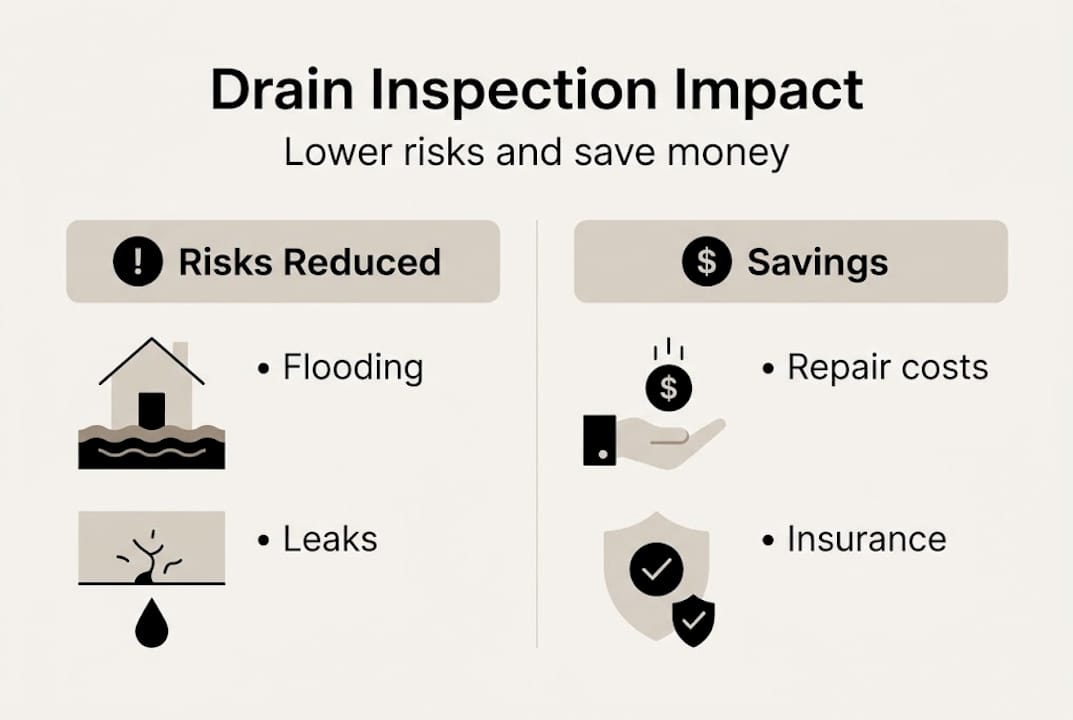
- Water ingress and damp: Cracked or broken pipes can leak consistently into surrounding soil and eventually into foundations or walls, causing damp patches, mould growth, and long-term structural weakening.
- Subsidence: Sustained leaking beneath a property erodes the soil that supports your foundations, which can trigger costly and complex structural repairs.
- Drain collapses: A partially blocked or damaged drain, left unaddressed, can collapse entirely, requiring full excavation and pipe replacement.
- Rodent access: Cracked drains provide entry points for rats, which can move from drainage systems into properties. This is a known issue across Greater London’s dense urban landscape.
- Health hazards: Raw sewage backing up into properties poses serious hygiene and health risks for occupants.
Emergency call-outs, drainage repairs, and property remediation consistently cost far more than prevention. A straightforward professional inspection typically costs a fraction of what even a minor emergency repair demands, let alone a full pipe replacement or mould remediation project.
“Consistent drain checks protect homes from leaks and water-related disasters,” with reducing drainage risks by up to 60% when inspections are carried out on a regular schedule.
That figure is not a small margin. Cutting property risk by 60% through an annual check is one of the most cost-effective decisions any homeowner or property manager can make. Yet a surprising number of people only call a drainage professional when the problem has already surfaced. Research consistently shows that cutting blockage risk by 70% is achievable simply by scheduling regular inspections rather than waiting for visible signs of trouble.
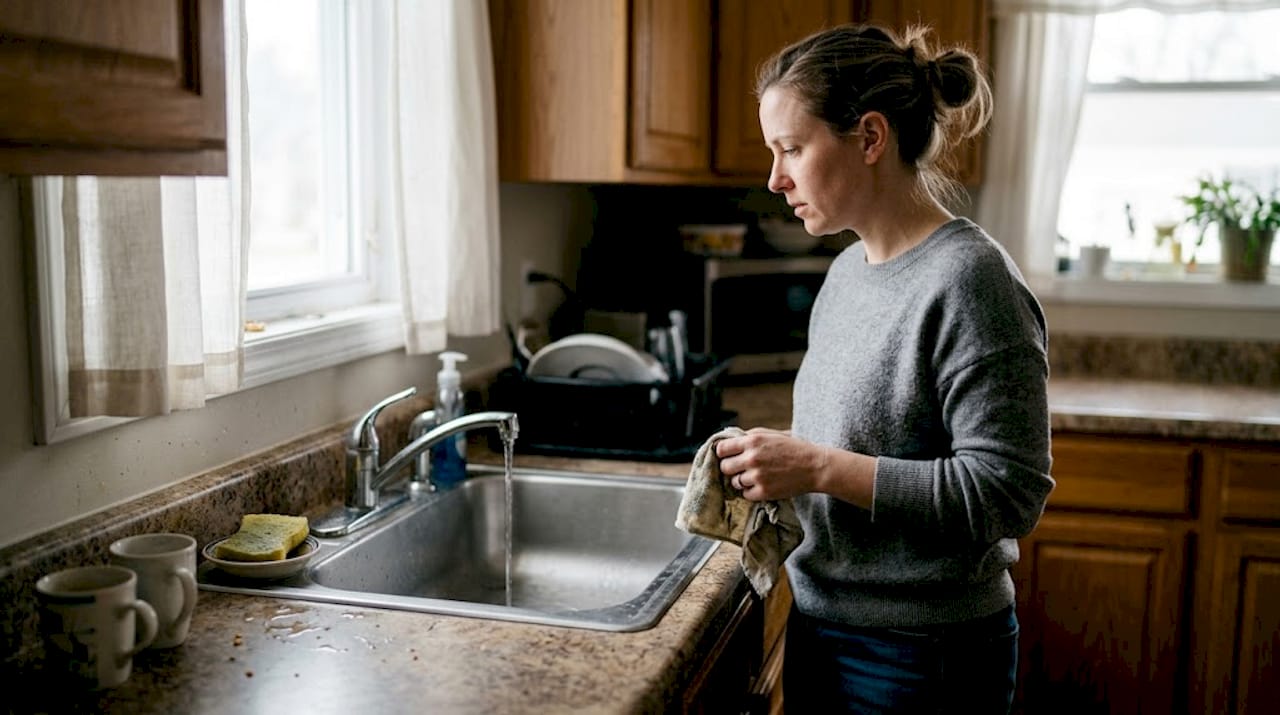
The uncomfortable truth is that a drain can be 80% blocked and still appear to function normally. Water moves slowly, you adapt without noticing, and the blockage continues to build. Regular inspections catch this before your kitchen floods on a Sunday evening when emergency call-out rates are at their highest.
What is involved in a typical drain inspection?
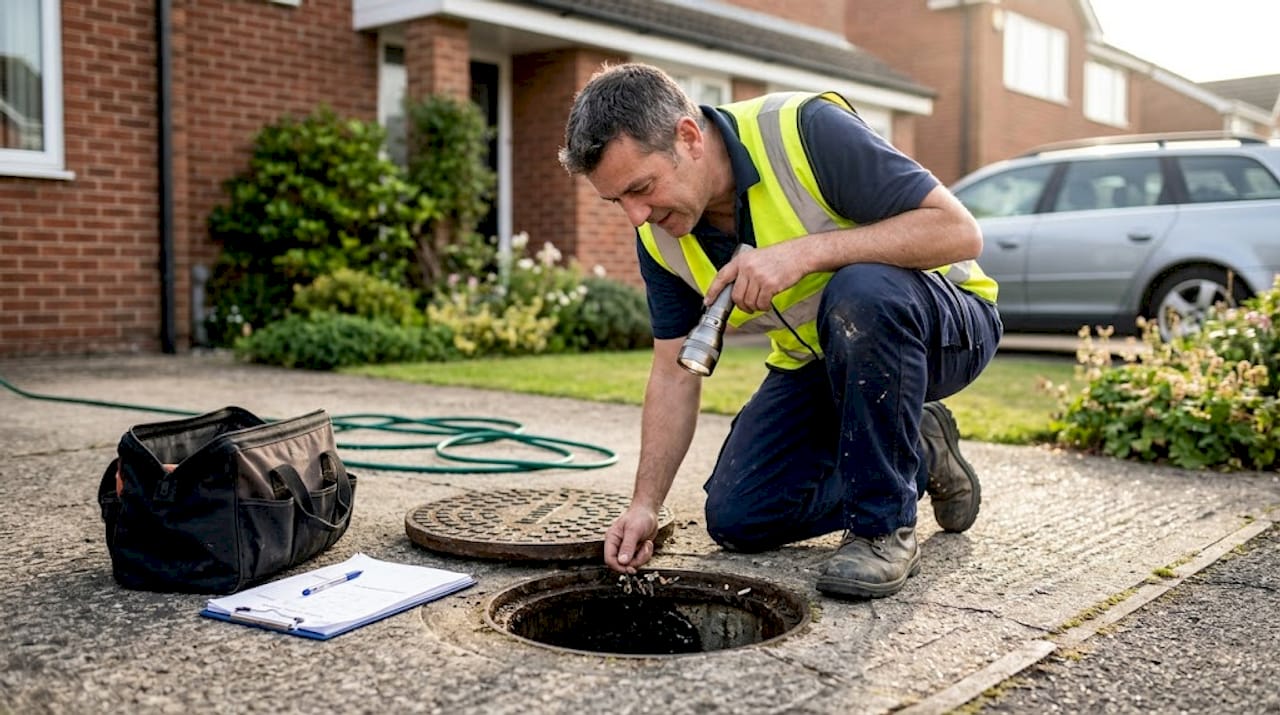
Understanding what actually happens during a professional drain inspection helps you appreciate its value. This is not a case of someone peering into a manhole and shrugging. Modern drain inspections are precise, methodical, and technology-driven.
Here is what a professional inspection typically involves:
- Initial site assessment: The engineer visits the property, identifies all relevant drainage access points, and discusses any symptoms or concerns you have noticed. This step establishes a baseline understanding of the system’s layout and history.
- CCTV camera survey: A small, waterproof camera is fed through the drain on a flexible rod. It transmits a live feed showing the internal condition of your pipework in real time, capturing footage for later analysis.
- Identification of defects: The engineer looks for cracks, fractures, root ingress, grease build-up, misaligned joints, collapsed sections, and foreign objects. Even hairline cracks that would never be visible from the surface are clearly identifiable.
- Condition report: After the survey, you receive a written report with footage stills or video evidence, a summary of findings, and recommendations for any remedial work required.
- Follow-up advice: A good drainage professional will advise on timelines for any repairs, preventive steps you can take between inspections, and when your next inspection should be scheduled.
| Stage | Technology used | What it reveals |
|---|---|---|
| Visual assessment | Naked eye, torch | Surface-level access issues |
| CCTV survey | Push-rod camera | Cracks, blockages, root ingress |
| Condition report | Written and video | Full internal pipe condition |
| Follow-up | Engineer consultation | Repair priority and scheduling |
The CCTV element is particularly valuable. Rather than guessing where a problem might be or digging speculatively, the camera shows exactly what is happening inside the pipe, at precisely which point. This saves time, reduces disruption, and ensures that any repairs are targeted accurately. You can read more about the drain inspection methods available for residential and commercial properties.
Pro Tip: Always choose fully accredited drainage specialists who provide a written report with video evidence. Verbal assessments without documentation give you nothing to refer back to if issues develop later, and offer no basis for insurance claims if things escalate.
Professional drain inspection services are tailored to meet the specific needs of homeowners across Greater London, from Victorian terraces with ageing clay pipes to modern flats with shared drainage systems. Getting the right specialist matters enormously.
How regular inspections save money and hassle
Let us talk numbers, because this is where the argument for routine inspections becomes impossible to ignore. Property owners often hesitate at the cost of an inspection, viewing it as an unnecessary expense when nothing appears to be wrong. This thinking gets expensive very quickly.
Consider a straightforward comparison:
| Situation | Typical cost range |
|---|---|
| Annual professional drain inspection | £100 to £300 |
| High-pressure jetting to clear a blockage | £150 to £400 |
| Emergency call-out (evenings or weekends) | £200 to £600 |
| Partial pipe repair or relining | £500 to £2,500 |
| Full drain excavation and replacement | £2,000 to £10,000 |
| Property mould remediation | £500 to £5,000+ |
The pattern is clear. An annual inspection at the lower end of the cost scale is genuinely one of the best investments you can make in your property. As the guidance on money-saving maintenance explains, preventive care on drains saves homeowners money by avoiding the far larger costs associated with emergency repairs and structural damage.
Beyond direct repair costs, routine inspections deliver a range of broader financial benefits:
- Property value protection: A drainage system in documented good health supports your property’s value and makes surveys smoother when you come to sell. Buyers and their solicitors increasingly ask about drainage history.
- Lower insurance risk: Properties with documented maintenance records present a lower risk profile. Some insurers view consistent preventive maintenance favourably when assessing claims.
- Fewer unplanned disruptions: Emergency drainage situations disrupt daily life significantly, from inaccessible bathrooms to water damage affecting multiple rooms. Routine checks keep these events rare.
- Tenant satisfaction for landlords: Property managers with rental portfolios know that drainage emergencies upset tenants, can trigger complaints to local authorities, and damage landlord reputations quickly.
- Early intervention on small issues: A minor crack identified during an inspection costs a fraction of what a collapse or flood would demand. Catching things early is always cheaper.
As highlighted in advice on how to protect property value, regular drain cleaning and inspection is directly linked to long-term asset protection.
Pro Tip: Add your drain inspection to your annual home maintenance calendar alongside boiler servicing and guttering checks. Treating it as a routine task rather than an emergency response completely changes the cost profile over a decade of ownership.
Why regular drain checks are essential for Greater London properties
Greater London presents a particularly demanding environment for drainage systems. The combination of dense urban development, ageing infrastructure, heavy population, and the specific geology of the Thames Basin creates conditions where drains are under constant pressure.
Many properties across London, particularly in inner boroughs, sit above Victorian-era drainage systems built from clay. These pipes are now well over 100 years old in many cases. Clay pipes are susceptible to cracking, joint separation, and root ingress as tree roots seek moisture underground. London’s abundant street trees, while beautiful, are a persistent source of drain damage. As scheduled inspections are crucial for maintaining residential plumbing systems in Greater London, they are particularly valuable in areas where the underlying infrastructure has simply not been replaced.
Did you know? Properties in Greater London that undergo yearly drain inspections can avoid the majority of the estimated £1,800 average cost of an unplanned drainage emergency, according to industry data.
The challenges specific to London properties include:
- Ageing clay and pitch fibre pipes that crack, collapse, and deform over decades of use
- Tree root ingress from London’s extensive street tree canopy, particularly prevalent in residential streets in areas like Islington, Hackney, and Wandsworth
- Shared drainage systems in converted properties and purpose-built flats, where responsibility boundaries are often unclear and blockages affect multiple residents
- High usage rates in densely occupied properties and HMOs (houses in multiple occupation), which accelerate wear on pipework
- Fatberg formation in older sewers linked to properties where cooking fat and wet wipes are incorrectly disposed of
The advantages of scheduling routine prevention strategies for London properties are significant:
- Staying compliant with local authority requirements for drainage maintenance
- Maintaining higher property values in a competitive market
- Gaining peace of mind that shared drainage responsibilities are being actively managed
- Avoiding disputes with neighbours or freeholders over drainage damage attribution
- Identifying issues before they affect adjacent properties and trigger liability claims
For property managers overseeing multiple London sites, routine inspections across the portfolio are not just good practice. They are essential risk management in a regulatory environment that increasingly expects landlords and managers to demonstrate proactive maintenance.
Our take: What most guides miss about regular drain inspections
Here is something we have observed consistently: most homeowners wait until they can see or smell a problem before calling anyone. The logic seems reasonable, but it is fundamentally flawed when it comes to drainage. The “no smell, no problem” assumption is one of the most expensive beliefs a property owner can hold.
The drainage issues that cost the most money are almost never the ones you can detect with your senses. They are the slow cracks, the gradual root ingress, the partial collapse developing quietly in a lateral drain beneath your garden. By the time your drains smell, water is backing up, or your lawn is suspiciously green above a pipe run, the situation has already progressed well beyond simple intervention.
What the best property managers we work with do differently is treat drain inspections like any other professional service contract. They schedule them annually without debate, keep the reports, and act on recommendations promptly. Their drain-related emergency call-out rate is dramatically lower, and this is directly connected to reducing blockage rates through consistent professional oversight.
The shift in mindset from reactive to proactive is small. The financial and practical difference over five or ten years of property ownership is enormous. We would always rather tell a client that everything looks fine after an inspection than respond to a collapsed drain on a Saturday night.
How to schedule your next inspection with trusted experts
If this article has made one thing clear, it is that regular drain inspections are not a luxury. They are a straightforward, cost-effective way to protect your property, manage your maintenance budget, and avoid the disruption of drainage emergencies.
At RSJ Drains, we provide professional drain inspection services across Greater London, with fast response times and thorough written reports you can rely on. Whether you need a routine annual check or a more detailed assessment of an older system, our team is ready to help. We also offer a full range of drainage solutions including high-pressure jetting, drain relining, and CCTV surveys that give you a clear picture of exactly what is happening inside your pipes. Book your inspection today and take the first step towards proactive property care.
Frequently asked questions
How often should drains be inspected in Greater London homes?
Drains should be professionally inspected at least once a year, with more frequent checks recommended for older properties or those with high occupancy. For homes above Victorian-era pipework, biannual inspections offer even better protection.
What happens during a CCTV drain survey?
A small waterproof camera is inserted into the drain to record the internal condition of your pipework, identifying blockages, cracks, and root ingress without any excavation. Thorough drain checks are tailored to the specific layout of your property.
Can routine drain inspections really prevent emergencies?
Yes, consistently. Regular inspections catch developing issues before they escalate, and drain checks protect homes from leaks and water-related disasters, cutting blockages by 70% compared to reactive-only maintenance.
Are inspections disruptive to the property?
Modern drain inspections are designed to be non-invasive. CCTV surveys require access only to existing manholes or drain openings, meaning there is no digging, no mess, and minimal time needed at your property. Thorough inspections are completed efficiently with full documentation provided afterwards.