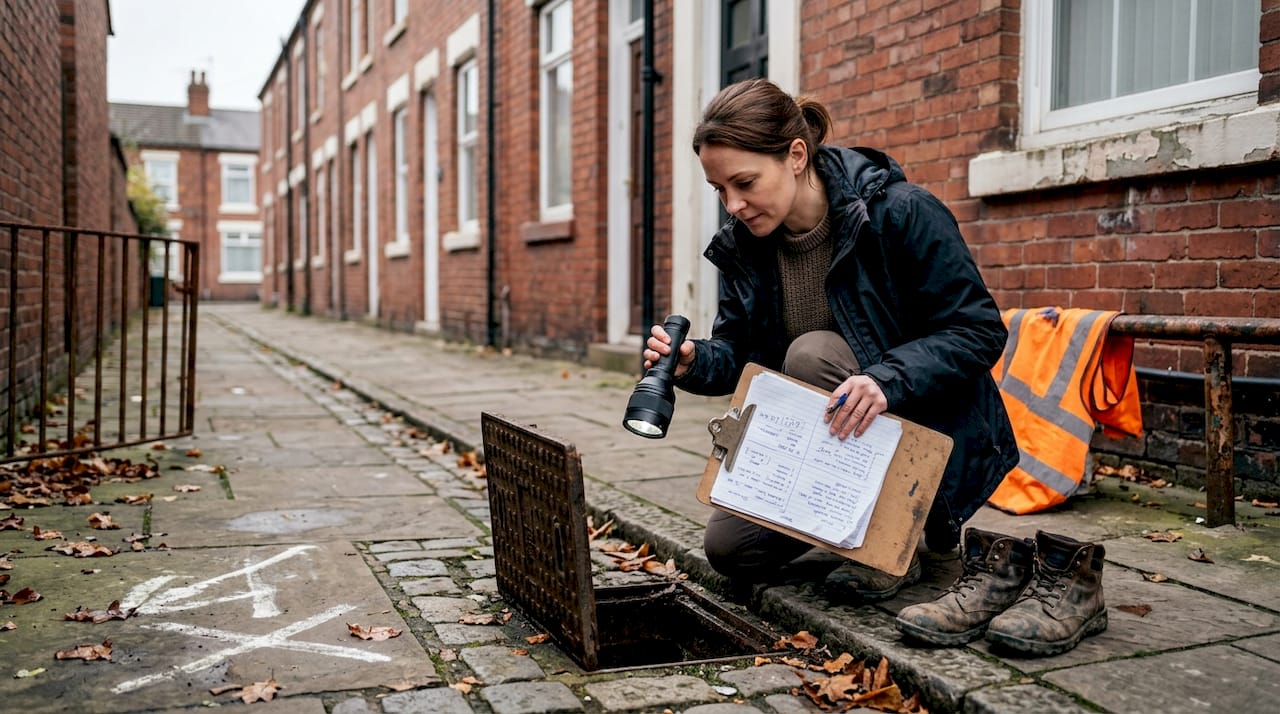
Many property owners underestimate the true cost of delayed drain repairs. A slow drain or faint odour might seem trivial, but ignoring these early warnings often leads to emergency call-outs that cost 40 to 60 percent more than routine inspections cut emergency repair costs by 40-60% preventative action. Routine maintenance dramatically reduces emergency situations and property damage. This article covers why speed matters, what goes wrong if you wait, and how early repairs save money, compliance headaches, and the property itself.
Table of Contents
- The true cost of delayed drain repairs
- How early intervention protects your property
- Legal obligations and compliance for property owners
- Routine inspections: your strongest tool against emergencies
- Types of drain repairs: patching vs full relining
- Reliable drain repair solutions for Greater London
- Frequently asked questions
Key Takeaways
| Point | Details |
|---|---|
| Delays cost more | Emergency drain repairs are far more expensive than catching issues early. |
| Routine checks work | Biannual inspections can reduce emergencies and major damage by 60 percent. |
| Protect compliance | Addressing issues quickly is a legal duty for property managers in Greater London. |
| Early fixes are simpler | Catching defects early usually means faster, less disruptive repairs. |
The true cost of delayed drain repairs
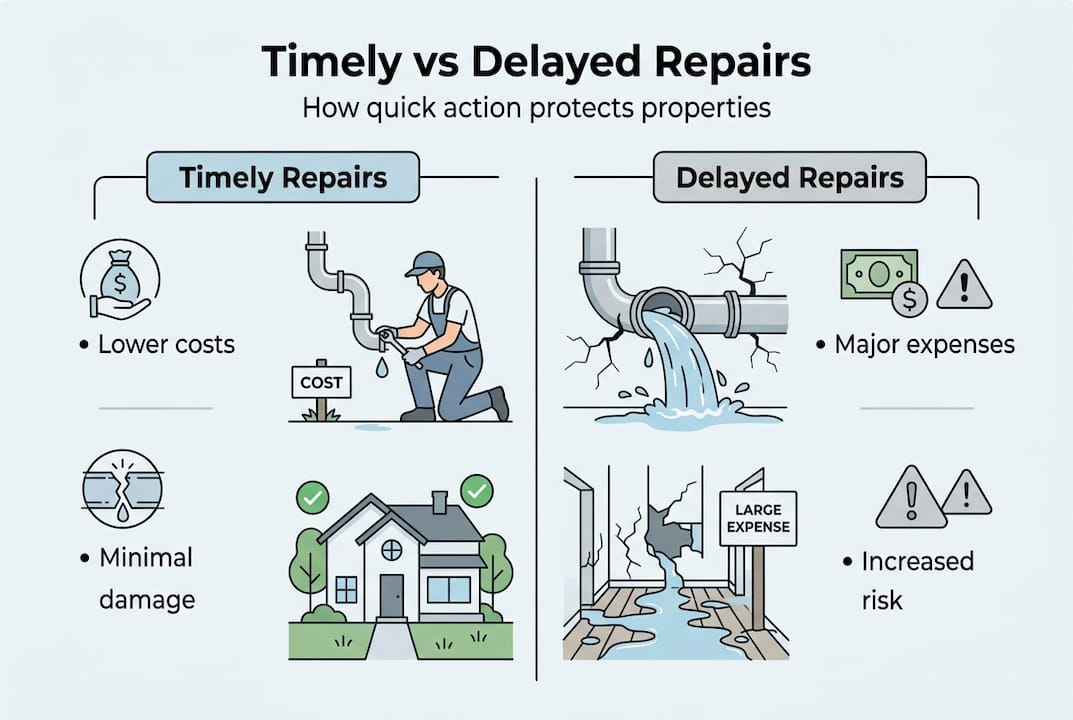
Having previewed the scale of the problem, let’s get specific about the financial impact of ignoring small warning signs. Emergency repairs consistently cost 40 to 60 percent more than planned maintenance because they require immediate mobilisation, out-of-hours labour, and often more extensive fixes once problems have spread. When you factor in the indirect costs, water damage repairs, increased insurance premiums, and tenant disruption, the total financial burden becomes staggering.
Consider this comparison:
| Repair type | Average cost | Timeframe | Property disruption |
|---|---|---|---|
| Planned patch repair | £300-£600 | 2-4 hours | Minimal |
| Emergency patch repair | £500-£1,000 | Same day | Moderate |
| Planned full relining | £1,200-£2,500 | 1-2 days | Low |
| Emergency full relining | £2,000-£4,000 | 2-3 days | High |
Beyond the immediate repair bill, delayed action triggers a cascade of secondary expenses. Water damage from a burst pipe can ruin flooring, walls, and electrical systems, adding thousands to your costs. Insurance companies often increase premiums after claims, and some policies explicitly exclude coverage for damage resulting from poor maintenance. Tenants may demand rent reductions or compensation for disruption, and in severe cases, you might face void periods whilst repairs are completed.
Legal risks compound these financial pressures. Building regulation breaches can result in enforcement notices, fines, or even prosecution in extreme cases. If your insurance discovers you neglected routine maintenance, they may invalidate your claim entirely, leaving you to shoulder the full cost of repairs and any consequential damage.
The main risks of delay include:
- Emergency repair costs 40 to 60 percent higher than preventative maintenance
- Water damage spreading to structural elements, electrics, and interior finishes
- Insurance premium increases or claim rejection due to poor maintenance records
- Legal action from tenants or enforcement notices from local authorities
- Extended property downtime affecting rental income or business operations
- Reputational damage affecting future lettings or property values
Property managers who implement blockage reduction from timely inspections report significantly lower annual maintenance budgets and fewer tenant complaints. The numbers speak clearly: proactive maintenance isn’t just good practice, it’s sound financial management.
How early intervention protects your property
With costs and risks in mind, next explore exactly how early repairs can shield your premises from these threats. Modern CCTV technology allows drainage specialists to detect 95% of defects before failure, transforming drain maintenance from reactive crisis management to strategic asset protection.
Most drainage problems announce themselves through subtle warning signs long before catastrophic failure occurs. Slow drainage suggests partial blockages or pipe misalignment. Persistent odours indicate trapped debris or damaged seals allowing sewer gases to escape. Damp patches on walls or floors often reveal hidden leaks that have been active for weeks or months. Ground subsidence near drainage runs points to collapsed pipes undermining foundations.
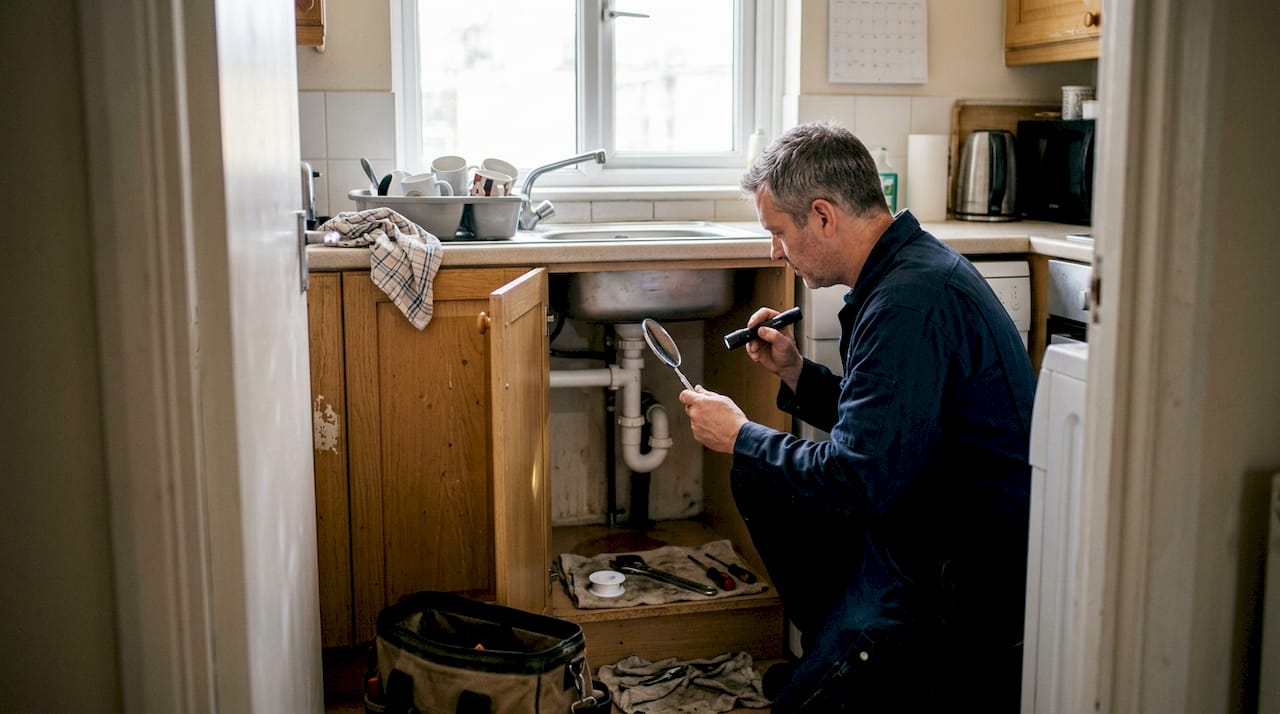
Pro Tip: Schedule drain inspections immediately after severe storms or periods of heavy use, such as after major events in commercial properties. These high-stress periods often reveal weaknesses that might otherwise remain hidden until they cause serious damage.
Early repairs prevent a remarkable range of physical and operational damage:
- Structural damage from water ingress undermining foundations or saturating walls
- Mould growth creating health hazards and requiring specialist remediation
- Pest infestations attracted to standing water or damaged pipes
- Contamination of surrounding soil or groundwater from sewage leaks
- Business interruption or tenant displacement during emergency repairs
- Damage to neighbouring properties triggering liability claims
As one experienced property surveyor notes:
“The difference between a £400 patch repair and a £15,000 structural remediation project often comes down to a single inspection. Property owners who schedule regular CCTV drain survey benefits catch problems whilst they’re still manageable, avoiding the nightmare scenarios I see too often in neglected buildings.”
The technology behind early detection has advanced dramatically. High-resolution cameras navigate the entire drainage system, identifying cracks, root intrusion, corrosion, and misaligned joints with precision. Specialists can pinpoint exact locations and assess severity, allowing you to prioritise repairs based on genuine risk rather than guesswork. This targeted approach means you invest maintenance budgets where they deliver maximum protection, rather than waiting for problems to announce themselves through flooding or sewage backup.
Legal obligations and compliance for property owners
Beyond damage and cost, legal responsibilities add another reason to act swiftly. Here’s what you need to know. Building Regulations Part H establishes clear duties for property owners and managers regarding drainage systems, requiring prompt maintenance to avoid legal and flooding issues.
Landlords and property managers must address drainage defects promptly under Part H. The regulations don’t specify exact timeframes, but they establish a principle of reasonable action. What qualifies as a necessary repair? Any defect that could cause flooding, contamination, or health hazards demands immediate attention. This includes blocked drains preventing proper waste removal, cracked pipes allowing sewage to escape, and damaged inspection chambers that could collapse.
The practical implications extend beyond regulatory compliance. Tenants have legal rights to habitable premises, and drainage failures often breach these fundamental obligations. A blocked toilet or backed-up sink isn’t merely inconvenient; it renders a property uninhabitable under housing legislation. Delays in addressing such issues can trigger formal complaints, rent withholding, or compensation claims.
Risks of non-compliance include:
- Enforcement notices from local authorities requiring immediate remedial action
- Prosecution under environmental health legislation for persistent problems
- Insurance policies invalidated due to failure to maintain drainage systems properly
- Tenant compensation claims for uninhabitable conditions or damaged possessions
- Liability for damage to neighbouring properties caused by drainage failures
- Reduced property values if poor maintenance history becomes known
Regulatory guidance emphasises prevention:
“Property owners must maintain drainage systems in good working order. Regular inspection and prompt repair of defects aren’t optional extras; they’re fundamental obligations that protect public health, prevent environmental damage, and ensure buildings remain fit for purpose.”
Understanding these obligations transforms how you approach drain maintenance and regulation info. Rather than viewing inspections as discretionary expenses, savvy property managers recognise them as essential compliance activities that protect against legal exposure whilst simultaneously reducing operational costs.
Routine inspections: your strongest tool against emergencies
To put prevention into practice, here’s how inspections form the backbone of a sensible property protection plan. Biannual inspections reduce emergency call-outs by 60%, transforming drainage from a source of anxiety into a manageable aspect of property maintenance.
The relationship between inspection frequency and emergency rates is striking:
| Inspection frequency | Annual emergency rate | Average annual drain costs | Tenant complaints |
|---|---|---|---|
| No routine inspections | 45% of properties | £2,800-£4,200 | High |
| Annual inspections | 25% of properties | £1,600-£2,400 | Moderate |
| Biannual inspections | 18% of properties | £1,200-£1,800 | Low |
| Quarterly inspections | 12% of properties | £1,400-£2,000 | Very low |
Notice how biannual inspections deliver the optimal balance between cost and protection. Quarterly inspections reduce emergencies further but increase total costs due to inspection fees. Annual inspections save on inspection costs but allow more problems to develop into emergencies.
How the inspection process works:
- Initial assessment identifies drainage layout, access points, and any visible concerns
- CCTV survey navigates the entire system, recording high-resolution footage of pipe interiors
- Analysis and reporting pinpoints defects, assesses severity, and recommends prioritised actions
- Maintenance planning schedules repairs based on urgency and budget considerations
- Follow-up verification confirms repairs have resolved issues and system is functioning properly
Pro Tip: Integrate scheduling CCTV drain surveys into tenancy changeovers to catch new issues early. This timing allows you to address problems between occupancies, avoiding disruption to tenants and ensuring each new tenancy begins with fully functional drainage.
The data reveals something counterintuitive: properties with the most frequent inspections don’t always have the lowest total costs. The sweet spot sits at biannual inspections, where you catch problems early enough to prevent emergencies without over-investing in inspection fees. This frequency aligns with seasonal stress on drainage systems, with inspections timed for spring and autumn capturing issues from winter freezes and summer growth cycles.
Property managers following this approach report remarkable consistency in maintenance budgets, fewer tenant complaints, and virtually eliminated emergency situations. The London drain maintenance guide provides detailed scheduling frameworks tailored to different property types, helping you establish inspection routines that match your specific risk profile.
Types of drain repairs: patching vs full relining
Understanding inspection value leads to the next logical question: what’s actually involved when repairs are needed, and why does speed matter? The answer depends largely on how far problems have progressed. Patch vs. full lining depends on defect spread, with early repairs often meaning simpler, cheaper fixes.
Patch repairs suit minor, localised issues caught early. A single cracked joint, small root intrusion, or isolated corrosion spot can be addressed without replacing entire pipe sections. Specialists insert a localised liner or seal that bonds to the existing pipe, restoring integrity without excavation. These repairs typically complete within hours, cause minimal disruption, and cost a fraction of full relining.
Full relining becomes necessary when problems have spread due to delay. Multiple defects, extensive root damage, or widespread corrosion require comprehensive solutions. The process involves inserting a new liner throughout the affected pipe section, essentially creating a new pipe within the old one. Whilst more expensive and time-consuming than patches, relining still avoids the massive costs and disruption of excavation and replacement.
| Factor | Patch repair | Full relining |
|---|---|---|
| Best for | Single defects under 1 metre | Multiple defects or extensive damage |
| Typical cost | £300-£800 | £1,200-£3,500 |
| Completion time | 2-6 hours | 1-2 days |
| Property disruption | Minimal | Moderate |
| Lifespan | 10-15 years | 30-50 years |
| Excavation required | None | None |
The benefits of acting before major repairs are needed include:
- Repair costs 60 to 75 percent lower when addressing single defects versus multiple failures
- Completion timeframes measured in hours rather than days
- Tenants or occupants experience minimal disruption to normal activities
- Drainage system remains partially functional during most repair work
- Smaller repairs preserve more of the original pipe structure
- Maintenance records show proactive management, supporting property values
Speed determines which repair method you’ll need. A crack detected during routine inspection might require a £400 patch repair. The same crack left unaddressed allows water to escape, undermining surrounding pipes and creating multiple failure points. Six months later, you’re facing a £2,500 relining project or worse, excavation and replacement costing £8,000 or more.
The step-by-step drain relining process demonstrates how modern techniques minimise disruption even for major repairs. However, the smartest property managers rarely need full relining because their inspection schedules catch problems whilst patch repairs still suffice. This proactive approach keeps drainage systems functioning reliably whilst controlling maintenance budgets.
Reliable drain repair solutions for Greater London
With knowledge in hand, acting fast is only as good as your support network. Here’s how to get expert help locally. RSJ Drains provides fast, expert repairs and preventive maintenance tailored to London properties, combining the responsiveness you need for emergencies with the structured approach that prevents them.
Our on-call service ensures you’re never left managing a drainage crisis alone. We guarantee response within two hours for emergencies, arriving with the diagnostic equipment and repair materials needed to resolve issues quickly. Whether you’re dealing with a blocked drain disrupting business operations or a suspected leak threatening property damage, our team mobilises immediately to protect your premises.
Equally important, we partner with property managers to establish preventive maintenance programmes that dramatically reduce emergency situations. Our comprehensive drainage services include scheduled CCTV surveys, routine cleaning, and condition monitoring that catches problems early. This dual approach means you have expert support for both urgent repairs and the planned maintenance that minimises them.
Property owners across Greater London trust our local drain repair specialists because we understand the unique challenges of managing drainage in the capital. From Victorian-era systems requiring sensitive handling to modern developments needing compliance documentation, we deliver solutions matched to your specific situation. Our detailed CCTV drain surveys provide the evidence-based insights you need for informed maintenance decisions, whilst our transparent pricing ensures you can budget confidently.
Frequently asked questions
How often should I inspect my drains to prevent emergencies?
Biannual inspections reduce emergency call-outs by 60%, making twice-yearly surveys the optimal frequency for most properties. Schedule inspections in spring and autumn to catch seasonal issues early.
Can CCTV surveys really spot problems before they get serious?
Yes, CCTV surveys detect 95% of defects before they cause system failure. High-resolution cameras identify cracks, blockages, and structural issues whilst they’re still manageable, allowing targeted repairs that prevent emergencies.
What happens if I ignore a small drain issue?
Small problems quickly escalate into expensive emergencies. Routine inspections cut emergency repair costs by 40 to 60 percent compared to reactive maintenance, and delayed action often triggers water damage, legal issues, and tenant complaints.
Are landlords legally required to fix blocked drains quickly?
Yes, Building Regulations Part H mandates prompt maintenance to prevent flooding and health hazards. Delays can result in enforcement action, insurance complications, and tenant compensation claims for uninhabitable conditions.