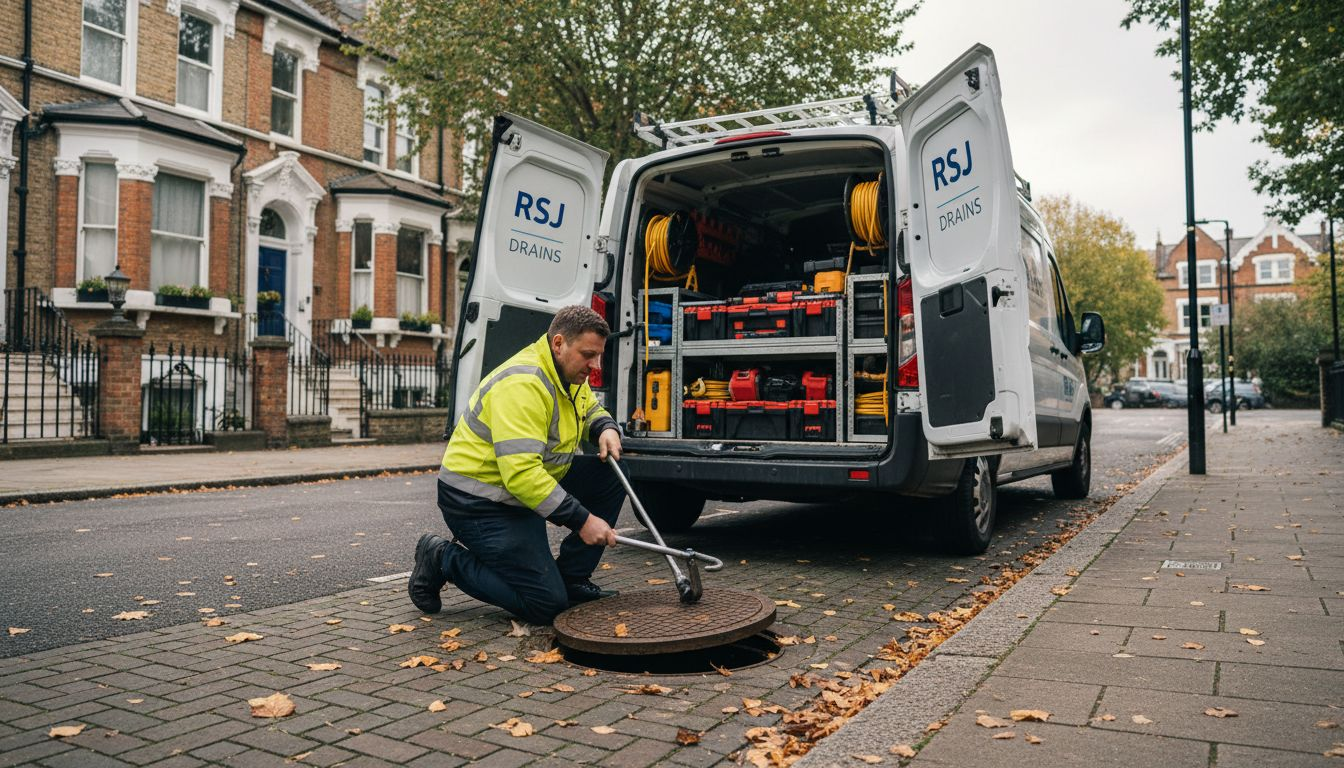
Unexpected drain blockages cost London property owners thousands annually in emergency repairs and flood damage. Biannual inspections reduce emergency call-outs by approximately 60%, yet many homeowners overlook this simple preventive measure until disaster strikes. Understanding your legal responsibilities, common drainage problems, and modern inspection technologies empowers you to protect your property investment. This guide covers everything Greater London property owners and managers need to know about drain inspection basics and effective drain maintenance in London.
Table of Contents
- Introduction: Why Drainage Inspections Matter
- Legal and Regulatory Framework for Drainage in the UK
- Common Drainage Problems Detected During Inspections
- Inspection Technologies and Methods
- Emergency Drainage Inspections and Rapid Response Services
- Preventive Maintenance: Routine Inspections and Long-Term Care
- Choosing Professional Drainage Services in Greater London
- Conclusion: Securing Your Property with Effective Drainage Inspections
- Protect Your Property with Expert Drainage Inspection Services
Key Takeaways
| Point | Details |
|---|---|
| Prevention saves money | Routine inspections cut emergency repair costs by 40-60% through early problem detection. |
| Legal compliance matters | Property owners must maintain private drains per Building Regulations Part H standards. |
| Technology enables accuracy | CCTV surveys and pressure tests identify 95% of defects before catastrophic failure. |
| Emergency response limits damage | Rapid professional inspections within two hours reduce flood damage risk by 70%. |
| Proactive maintenance pays | Biannual inspections extend drainage system life and preserve property value. |
Introduction: Why Drainage Inspections Matter
Drain blockages rank among the most common and costly property emergencies in Greater London. Tree roots, accumulated debris, and deteriorating pipes create hidden risks that escalate without warning. Regular inspections help prevent these emergencies by detecting issues early, saving you from expensive repairs and property damage.
In the UK, property owners in England are generally responsible for maintaining and repairing drains within their property boundaries. Water companies handle lateral drains and public sewers outside your property line. Understanding this division prevents confusion and ensures you schedule timely inspections and maintenance. Knowing the importance of drain inspections helps you avoid legal complications and expensive emergency callouts.
Pro Tip: Scheduling biannual inspections significantly lowers emergency drain issues and extends your drainage system’s operational life by catching small problems before they become major failures.
Key benefits of routine drainage inspections include:
- Early detection of blockages, cracks, and root intrusion before they cause flooding
- Compliance with UK Building Regulations and local authority requirements
- Lower long-term maintenance costs through planned repairs versus reactive emergencies
- Protection of property value and prevention of structural damage from water infiltration
- Peace of mind knowing your drainage system functions properly year-round
Understanding drain maintenance importance and having access to reliable emergency drainage services creates a comprehensive protection strategy. Professional inspections use advanced technology to assess your entire drainage network without excavation, providing detailed reports that guide maintenance decisions.
Legal and Regulatory Framework for Drainage in the UK
Private property owners must comply with Building Regulations Part H specifying drainage requirements for pipe size, gradients, and inspection chambers to prevent flooding. These standards ensure your drainage system handles expected water flow and remains accessible for maintenance. Part H mandates minimum pipe diameters of 100mm for foul drains and proper gradients of at least 1:40 to maintain flow velocity.
Inspection chambers must be positioned correctly to allow access for cleaning and repairs at critical junctions. Unapproved changes and neglected inspections can lead to legal enforcement and fines from local Building Control authorities. Understanding UK drainage regulations helps you avoid costly legal issues while protecting your property.
Key legal responsibilities for property owners include:
- Maintaining all private drains within property boundaries to regulatory standards
- Obtaining Building Control approval before modifying or extending drainage systems
- Scheduling regular inspections to verify compliance and identify maintenance needs
- Correcting drainage faults promptly to prevent environmental contamination or flooding
Non-compliance with Building Regulations can result in enforcement notices requiring immediate remedial work at your expense. Local authorities have powers to inspect drainage systems and mandate upgrades if they pose health or safety risks. Following a comprehensive drain maintenance checklist helps you stay compliant and avoid penalties.
Property sales can be delayed or complicated by drainage issues discovered during surveys. Buyers increasingly request drainage reports as part of due diligence, making inspection records valuable documentation. Maintaining detailed inspection and maintenance logs demonstrates responsible property stewardship and can expedite transactions.
Common Drainage Problems Detected During Inspections
Blockages caused by debris buildup, grease accumulation, and invasive tree roots represent the most frequent drainage problems. These obstructions escalate rapidly without intervention, leading to complete pipe blockage and sewage backups. Delaying inspections and misunderstanding responsibilities can increase repair costs by 40-60% compared to early detection and planned maintenance.
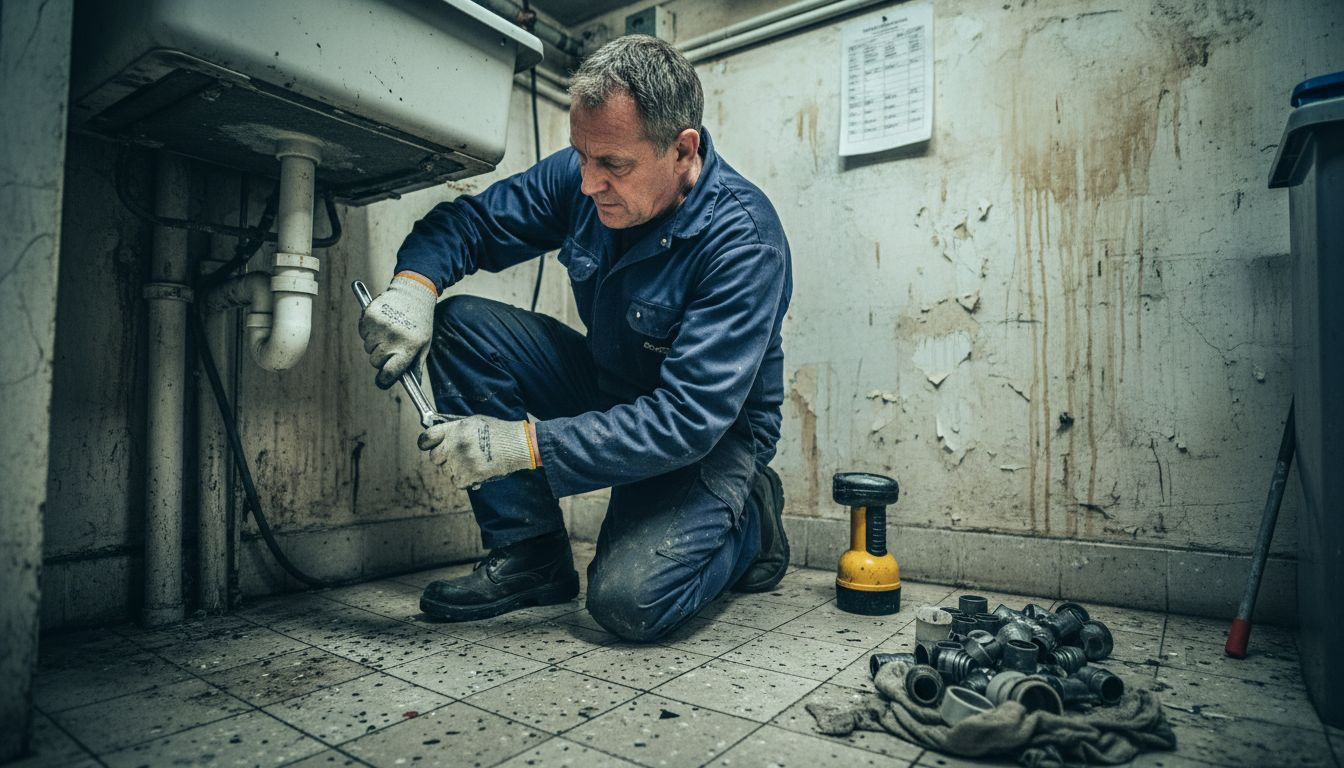
Pipe cracks, leaks, and displaced joints compromise drainage integrity and create contamination risks. Ground movement, age-related deterioration, and improper installations all contribute to structural failures. Understanding common drainage problems helps you recognize warning signs early.
| Problem Type | Common Causes | Consequences |
|---|---|---|
| Blockages | Tree roots, debris, grease buildup | Slow drainage, backups, flooding |
| Pipe cracks | Age, ground movement, frost damage | Leaks, contamination, structural issues |
| Misaligned joints | Settlement, poor installation | Restricted flow, recurring blockages |
| Gradient issues | Incorrect installation | Standing water, bacterial growth |
| Collapsed sections | Severe deterioration, traffic loads | Complete system failure, excavation needed |
Improper pipe gradients or faulty connections hinder flow efficiency and create conditions for repeated blockages. Flat or reverse-grade sections allow solids to settle rather than flush through the system. These design flaws often go unnoticed until they cause persistent problems.
Pro Tip: Early CCTV inspections benefits include detecting 95% of defects before catastrophic failure, potentially saving you up to 60% on emergency repair costs through planned maintenance.
Root intrusion from nearby trees and shrubs represents a progressive threat that worsens over time. Roots seek moisture and nutrients, penetrating even small pipe cracks and expanding to cause complete blockages. Regular inspections identify root problems early when clearing is straightforward, before extensive pipe replacement becomes necessary.
Inspection Technologies and Methods
CCTV drainage surveys provide clear visuals and identify defects early by sending robotic cameras through your drainage system. These high-resolution cameras capture video footage showing blockages, cracks, root ingress, and structural issues with minimal disruption to your property. The technology allows inspectors to assess pipe condition without excavation, saving time and money.
British Standards require air and water tightness tests during installations or repairs. Drain air tests pressurize pipes to 110mm water head for five minutes to verify airtightness. If air tests fail, water tightness tests confirm leaks by filling the system with water and monitoring for pressure drops.
Advantages of regular scheduled inspections versus reactive emergency inspections include controlled timing, lower costs, and prevention of property damage. Planned maintenance fits your schedule and budget, while emergency responses often occur at inconvenient times with premium pricing.
Typical professional inspection process:
- Schedule appointment and discuss specific concerns or symptoms you’ve noticed
- Inspector arrives with CCTV equipment and pressure testing apparatus
- Camera inserted through access points to survey entire drainage network
- Video footage recorded and reviewed to identify all defects and concerns
- Pressure tests conducted if required to verify system integrity
- Detailed report prepared with findings, footage, and repair recommendations
- Follow-up consultation to discuss options and prioritize necessary work
Comprehensive CCTV drainage surveys provide permanent video records documenting your drainage system’s condition. These records prove valuable for insurance claims, property sales, and tracking deterioration over time. Modern inspection equipment includes distance measuring devices that pinpoint defect locations precisely, enabling targeted repairs.
Following an established inspection methods guide ensures thorough assessment of your entire drainage network. Professional inspectors check main drains, lateral connections, inspection chambers, and connection points systematically. This comprehensive approach identifies problems missed by partial inspections.
Emergency Drainage Inspections and Rapid Response Services
Emergency drainage inspections within two hours reduce flood damage risk by up to 70% by identifying blockages or leaks quickly before they worsen. Rapid professional response prevents contamination risks and structural damage that escalate when drainage failures go unaddressed. Every hour of delay allows water damage to spread and repair costs to multiply.
Professional emergency drainage inspection contractors offer 24/7 availability with guaranteed response within two hours across Greater London. These services provide immediate assessment using portable CCTV equipment and pressure testing tools. Prompt diagnosis guides effective interventions that stop damage progression.
“Emergency drainage inspections within two hours reduce flood damage risk by up to 70% compared to delayed responses, according to drainage industry data.”
Minimizing structural damage and costly repairs depends on immediate professional intervention when drainage failures occur. Water infiltration weakens foundations, damages finishes, and creates health hazards from sewage contamination. Quick inspections identify the failure cause and enable targeted repairs.
Signs requiring emergency drainage inspection:
- Sudden complete blockages preventing all drainage from sinks, toilets, or showers
- Sewage or wastewater overflow from drains, toilets, or external gullies
- Persistent foul odors indicating sewage leaks or trapped waste
- Visible water pooling around drains or unexplained damp patches
- Gurgling sounds from multiple fixtures suggesting system-wide blockage
Emergency services typically combine immediate temporary solutions with comprehensive follow-up inspections. Initial response focuses on clearing blockages and stopping active flooding. Once the immediate crisis is controlled, detailed CCTV surveys identify underlying causes requiring permanent repairs.
Preventive Maintenance: Routine Inspections and Long-Term Care
Recommended inspection frequency is biannual for most residential properties, with adjustments based on tree proximity, property age, and usage patterns. Properties with mature trees nearby benefit from annual inspections due to root intrusion risks. New sustainable drainage systems (SuDS) installations require annual verification during the first few years.
| Inspection Type | Frequency | Average Cost | Risk Level | Outcome |
|---|---|---|---|---|
| Routine Scheduled | Biannual | £150-300 | Low | Planned repairs, extended system life |
| Emergency Reactive | As needed | £400-800+ | High | Urgent repairs, potential property damage |
Routine inspections lower long-term costs and prevent emergencies compared to reactive emergency-only inspections. Planned maintenance spreads costs predictably while emergency responses concentrate expenses unpredictably. The financial and stress advantages of prevention far exceed reactive approaches.
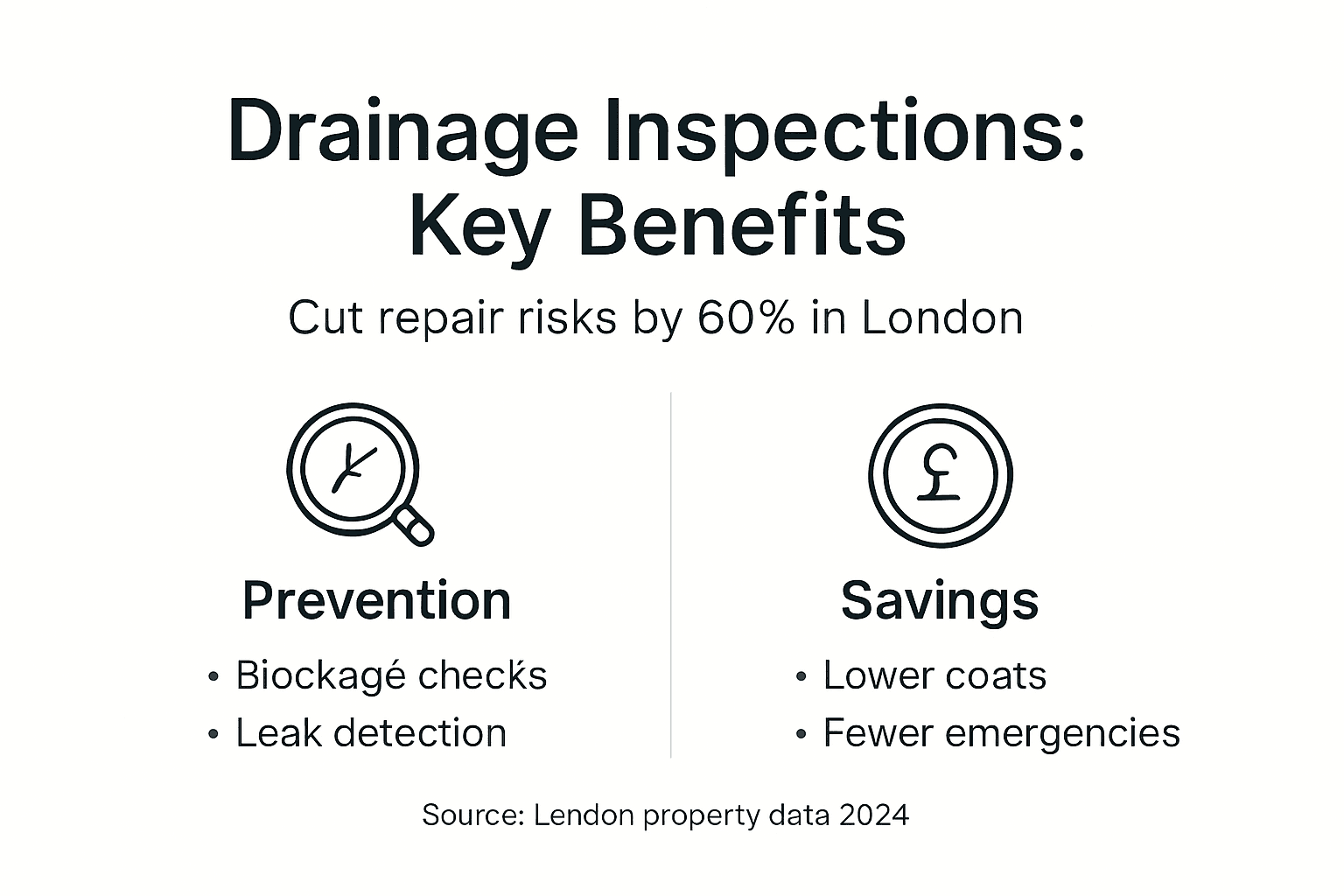
Regular maintenance preserves drainage system function and prevents secondary problems like rodent ingress through damaged pipes. Well-maintained drainage protects property value and provides documentation attractive to buyers. Insurance companies may offer premium discounts for properties with documented regular maintenance.
Key preventive steps include:
- Scheduled CCTV surveys every six to twelve months depending on risk factors
- Regular clearing of debris from external gullies, channels, and inspection chambers
- Verification of pipe integrity through pressure testing during inspections
- Timely repairs of minor defects before they escalate into major failures
- Documentation of all inspections and maintenance for compliance and resale value
Pro Tip: Tailoring inspection intervals to your specific property type, age, and environmental conditions provides optimal protection while managing costs efficiently.
Seasonal considerations affect inspection timing and maintenance needs. Autumn leaf fall increases blockage risks, making pre-winter inspections valuable. Spring inspections after freeze-thaw cycles identify frost damage early. Understanding routine drain maintenance benefits helps you time inspections strategically.
Choosing Professional Drainage Services in Greater London
Check for certifications complying with UK drainage standards and possession of valid public liability insurance protecting you from service-related damage claims. Reputable contractors display credentials prominently and provide insurance documentation upon request. These qualifications indicate professional competence and financial responsibility.
Evaluate availability of 24-hour rapid response emergency drainage providers offering guaranteed two-hour response times. True emergency services maintain on-call teams and equipment ready for immediate deployment. Verify response guarantees apply across Greater London, not just limited areas.
Assess technology usage including modern CCTV drain surveys equipment and calibrated pressure testing apparatus. Advanced inspection technology provides clearer diagnostics and more accurate defect location. Ask to see sample inspection reports showing video quality and detail level.
Consider reputation through customer reviews, references from recent clients, and demonstrated local experience in Greater London. Established contractors have track records you can verify. Local expertise means familiarity with regional drainage challenges and building patterns.
Selection criteria checklist:
- Certification and insurance: Verified credentials and comprehensive liability coverage
- Technology and tools: Modern CCTV cameras, pressure testing equipment, and jetting apparatus
- Emergency responsiveness: Genuine 24/7 availability with guaranteed rapid response times
- Customer satisfaction: Positive reviews, references, and complaint resolution records
- Transparent pricing: Clear quotes, no hidden fees, and itemized service costs
Professional drain inspection services provide detailed written reports with photographic or video evidence, defect locations, and prioritized repair recommendations. Comprehensive documentation helps you make informed maintenance decisions and budget appropriately. Reports should explain findings in plain language accessible to property owners without technical expertise.
Conclusion: Securing Your Property with Effective Drainage Inspections
Routine drainage inspections prevent costly damage, ensure legal compliance, and protect both health and property value for Greater London homeowners and property managers. Early problem detection through professional inspections reduces repair costs dramatically and prevents emergency situations. The modest investment in biannual inspections returns multiples in avoided emergency expenses.
Homeowners and property managers must proactively manage drainage responsibilities rather than waiting for problems to surface. Understanding your legal obligations under Building Regulations, recognizing common drainage issues, and selecting qualified professionals creates comprehensive protection. Modern inspection technologies enable accurate diagnostics without disruptive excavation.
Taking action now by scheduling regular inspections with qualified professionals safeguards your property investment for years ahead. Schedule a drain inspection today to establish baseline documentation and identify any existing issues requiring attention.
Protect Your Property with Expert Drainage Inspection Services
RSJ Drains offers comprehensive CCTV and pressure testing inspections specifically for Greater London homes and commercial properties, helping you prevent costly emergencies before they occur.
Our certified professionals use cutting-edge technology to detect issues early and recommend cost-effective solutions tailored to your property’s needs. With 24-hour emergency drainage services and guaranteed two-hour response times, we’re ready when urgent blockages or leaks threaten your property. Regular inspections through our CCTV drain surveys extend your drainage system’s life and minimize expensive repairs. Contact us today through our website to protect your property with Greater London’s trusted drainage experts. Our family-run business combines local knowledge with professional standards, delivering reliable drain inspection services that give you peace of mind.
Frequently Asked Questions
How often should I schedule drainage inspections for my London property?
Biannual inspections are standard for most residential properties, providing adequate monitoring without excessive cost. Increase frequency to annual inspections if your property has mature trees nearby or experiences high drainage usage. New sustainable drainage system (SuDS) installations benefit from annual checks during the first few years to verify proper function. Following a drain maintenance checklist helps you determine the optimal schedule.
Who is responsible for maintaining drains on my property?
Property owners maintain all private drains located within their property boundaries, including connections to the public sewer. Water companies handle public lateral drains and sewers outside your property line, typically beyond your boundary wall or fence. This division means you’re responsible for inspection and repair of drainage systems serving only your property, while shared drains serving multiple properties may fall under water company jurisdiction.
What technologies are used during professional drainage inspections?
Professional inspections employ CCTV cameras that travel through pipes providing real-time video of internal conditions, revealing blockages, cracks, and root intrusion. Air tightness tests pressurize sealed pipe sections to detect leaks through pressure drop measurement. Water tightness tests fill systems with water and monitor for level changes confirming leak locations. These methods enable comprehensive assessment with minimal property disruption.
When should I call for emergency drainage inspection services?
Call emergency services immediately when you experience sudden complete blockages, sewage overflow, or visible flooding from drainage systems. Persistent foul odors indicating sewage leaks or unexplained damp patches near drainage routes also warrant urgent professional assessment. Rapid response within two hours significantly reduces property damage and contamination risks, making prompt action crucial when drainage failures occur.