TL;DR:
- Over 70% of London drain emergencies are caused by preventable items like FOG and non-flushables.
- Immediate actions include stopping water use, shutting off the water, and calling professionals.
- Routine household habits and inspections can significantly reduce drain emergencies in London.
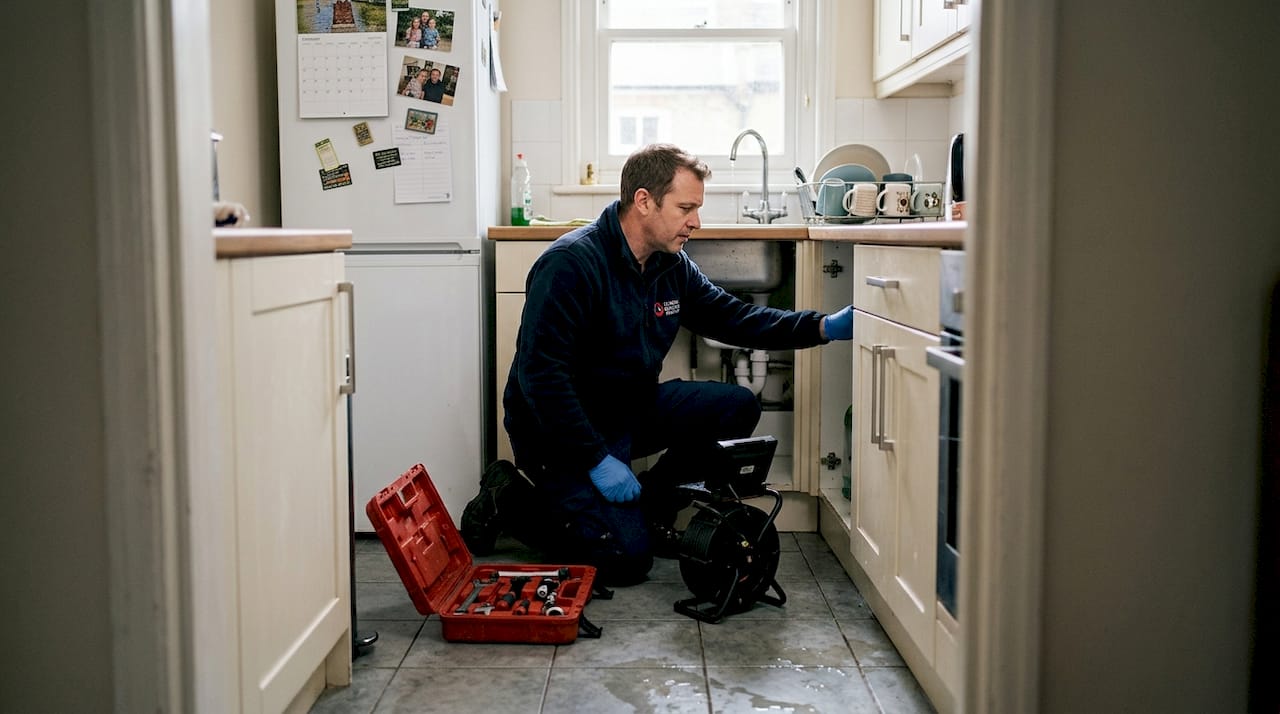
Drainage emergencies strike without warning, and in Greater London, they strike often. Ageing infrastructure, dense housing, and the habits of millions of residents create the perfect conditions for blocked drains, burst pipes, and sewage backups. Over 70% of drain emergencies in London stem from preventable causes such as fats, oils, grease, and items that should never enter a drain. The cost of ignoring early warning signs can be enormous, from ruined flooring and structural damage to serious health risks. This guide walks you through the most common emergency drainage scenarios, how professionals diagnose them, and exactly what you should do when one strikes your property.
Table of Contents
- What qualifies as an emergency drainage issue?
- Top examples of emergency drainage issues in London homes
- How these emergencies are identified and diagnosed
- Immediate steps to take during a drainage emergency
- The uncomfortable truth about drainage emergencies in London
- Get rapid, reliable drainage help in Greater London
- Frequently asked questions
Key Takeaways
| Point | Details |
|---|---|
| Know the warning signs | Sewage backup, rapid flooding, and strange odours signal true drainage emergencies. |
| FOG and wipes top the list | Most London blockages are caused by fats, oils, grease, and non-flushables in drains. |
| Act fast to limit damage | Immediate shut-off and rapid action minimise costly repairs and disruption. |
| Professional inspections matter | CCTV drain surveys and prompt repairs resolve emergencies and prevent recurrences. |
| Prevention is key | Simple household habits prevent over half of drainage emergencies in London. |
What qualifies as an emergency drainage issue?
Not every slow drain is a crisis. But some drainage problems demand immediate action, and knowing the difference can save you thousands of pounds in repair bills.
A drainage emergency is any situation where a fault in your drainage system poses an immediate risk to your property, your health, or the safety of people nearby. The key word is immediate. A slightly gurgling drain on a Tuesday morning is annoying. Sewage bubbling up through your kitchen sink at midnight is an emergency.
The clearest red flags include:
- Sewage backing up into sinks, baths, or toilets inside your home
- Rapid indoor flooding from an overflowing drain or burst pipe
- Strong sewage odours spreading through multiple rooms
- Visible structural damage to pipework, such as cracks or collapses
- Complete blockage with no drainage at all across multiple fixtures
Sewage backups, burst pipes, flooding, and persistent blockages can all lead to rapid property damage if left unaddressed even for a few hours. Raw sewage contains harmful bacteria, and standing water weakens floors, walls, and foundations quickly.
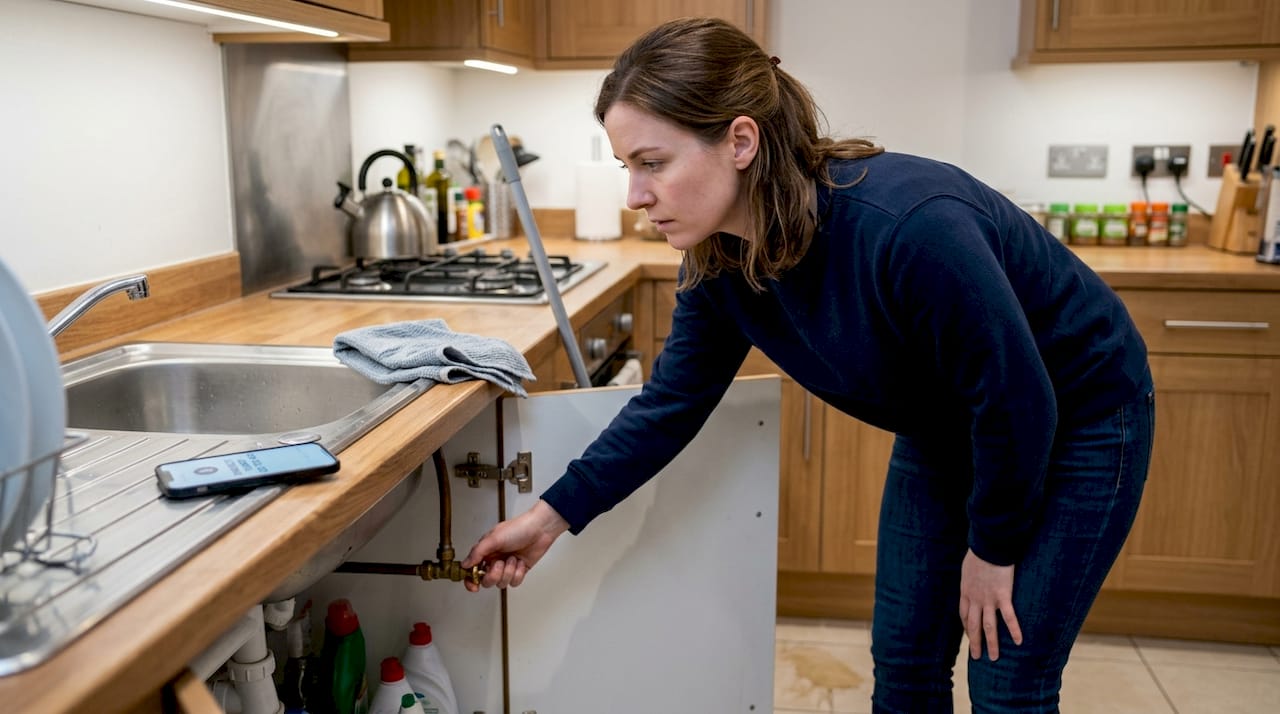
When you spot any of these signs, your first move is to stop using water-dependent appliances and fixtures immediately. If flooding is active, locate your internal stop valve, usually found under the kitchen sink or near the water meter, and shut it off. Do not attempt to unblock a drain yourself if sewage is already backing up; this can force contaminated water further into your property.
For London emergency drainage services, professional help should be your next call, not your last resort.
Pro Tip: Take photos and short videos of every visible sign of the problem before any work begins. Your insurer will thank you, and it gives the drainage engineer a clearer picture of what they are walking into.
Top examples of emergency drainage issues in London homes
London properties face a specific set of drainage challenges. Victorian-era pipework, dense urban drainage networks, and the sheer volume of people sharing sewer infrastructure all contribute to a higher-than-average rate of emergencies. Here are the most common scenarios you are likely to encounter.
-
Blocked drains from FOG and non-flushables. Fats, oils, and grease (FOG) are the single biggest culprit. When hot cooking fat is poured down a sink, it cools and solidifies inside the pipe, narrowing the channel over weeks and months until flow stops entirely. FOG causes 37.5% of drain blockages in London, while non-flushable items such as wet wipes, cotton buds, and sanitary products account for a further 33.3%. Together, these two categories make up the overwhelming majority of emergency callouts.
-
Collapsed or cracked pipes. Many London homes, particularly in areas like Islington, Hackney, and Lewisham, still rely on original clay pipework laid over a century ago. Clay pipes are brittle and susceptible to ground movement, tree root intrusion, and the gradual pressure of soil settlement. When they crack or collapse, drainage can fail entirely and suddenly. You can explore London drain issue examples to understand how these failures typically present.
-
Sewage backups. When the main sewer line becomes blocked or overwhelmed, sewage has nowhere to go but backwards. It re-enters your property through the lowest fixtures first, typically ground-floor toilets and baths. This is both a health emergency and a property emergency simultaneously.
-
Burst pipes. Sudden pressure changes, freezing temperatures, or physical damage can cause pipes to rupture. Water escapes rapidly, flooding rooms and saturating walls. If the burst is underground or behind a wall, you may not see the water at all until structural damage is already underway.
-
Garden and surface flooding. Heavy rain events overwhelm surface water drains in many London postcodes. When garden drains or gullies block, water pools against the property and can seep into basements or ground floors. If you are in North London, blocked drain help in North London is available around the clock.
Worth knowing: London’s sewer network handles both surface water and foul water in many older areas. During heavy storms, this combined system can reach capacity, pushing sewage back into homes even when your own drains are perfectly clear.
How these emergencies are identified and diagnosed
Spotting an emergency is one thing. Pinpointing its exact cause and location is another. Before any repair can begin, a professional needs to confirm what is actually wrong and where.
The early warning signs that something serious is developing include persistent slow drainage across multiple fixtures (not just one sink), gurgling sounds from pipes when water drains elsewhere in the property, and unexplained damp patches on walls or floors. A foul smell that does not go away after cleaning is particularly telling.
Here is how professionals confirm the source and severity:
| Diagnostic method | Speed | Cost level | Best used for |
|---|---|---|---|
| CCTV drain survey | Fast (same day) | Medium | Locating blockages, cracks, collapses |
| Dye testing | Fast | Low | Tracing drainage routes and connections |
| High-pressure water jetting | Immediate | Medium | Clearing blockages and flushing pipes |
| Manual rodding | Immediate | Low | Surface-level or accessible blockages |
| Ground microphone survey | Moderate | Higher | Detecting underground leaks |
CCTV and water jetting are the standard combination for rapid diagnosis and unblocking in London homes. A camera is fed through the drain to transmit live footage, showing exactly where a blockage or structural fault sits and how severe it is. This removes guesswork entirely and prevents unnecessary excavation.
For properties with recurring issues, CCTV drain inspections provide a recorded baseline that makes future comparisons straightforward. If you need 24-hour drain diagnostics or want to understand your drain repair options in London, acting before a minor issue becomes a major one is always the better path.
Pro Tip: Before the engineer arrives, note down when you first noticed the problem, which fixtures are affected, and whether any unusual events preceded it (heavy rain, a recent DIY job, a change in what goes down the drain). This information cuts diagnosis time significantly.
Immediate steps to take during a drainage emergency
After identifying the issue, rapid response becomes your top priority. Every minute of delay during an active drainage emergency increases the potential for damage, so a clear action plan matters enormously.
Here is what to do, in order:
- Stop using water. Turn off taps, dishwashers, washing machines, and toilets. Adding more water to a blocked or compromised system makes everything worse.
- Shut off the water supply. Find your stop valve and turn it off if there is active flooding or a burst pipe. This is usually located under the kitchen sink or in an airing cupboard.
- Isolate electrical circuits. If water is near sockets, fuse boxes, or appliances, switch off the relevant circuits at your consumer unit. Water and electricity together are life-threatening.
- Contain the spread. Use towels, sandbags, or waterproof barriers to slow water movement. Protect furniture and valuables by moving them away from the affected area.
- Call a professional drainage engineer. Do not attempt to dismantle pipework yourself. Call a qualified emergency drainage service immediately.
- Document everything. Photograph and video all visible damage before any clean-up begins. This is essential for insurance claims.
Prompt isolation and professional repair are the two actions most likely to limit the overall damage from a drainage emergency.
| Emergency type | Best first response |
|---|---|
| Sewage backup | Stop all water use; call emergency drainage immediately |
| Burst pipe | Shut stop valve; isolate electrics; call engineer |
| Surface flooding | Deploy sandbags; clear visible gully blockages if safe |
| Blocked drain (no backup) | Stop using fixtures; call for same-day inspection |
| Collapsed pipe | Avoid all water use; arrange urgent CCTV survey |
For a broader overview, the London drainage emergency guide covers additional scenarios and preventive steps. You can also find practical advice on maintaining drains in London homes to reduce the likelihood of emergencies recurring.
Pro Tip: While waiting for the engineer, keep the affected area well-ventilated if sewage is involved. Open windows and doors, and keep children and pets well away. Sewage gases can be harmful in enclosed spaces.
The uncomfortable truth about drainage emergencies in London
Here is something the industry rarely says plainly: the majority of drainage emergencies we attend are entirely avoidable. Not just theoretically, but practically, with habits that take seconds to change.
FOG and wet wipes remain the top causes of drain blockages despite years of public awareness campaigns. Water companies, councils, and drainage professionals have all run education drives. The information is widely available. Yet the callout rate has not dropped meaningfully.
The honest reason is that convenience wins over caution almost every time. Pouring leftover cooking oil down the sink is faster than finding a container. Flushing a wet wipe is easier than walking to a bin. These micro-decisions, repeated across millions of London households daily, create a crisis that costs the city enormous sums every year.
From our experience attending emergencies across Greater London, a simple shift in household habits combined with an annual drain maintenance guidance check could cut emergency callouts by half. The technology to prevent and catch these problems early already exists. What is missing is the cultural expectation that drain care is a routine part of home ownership, not something you think about only when water is coming through the ceiling.
Get rapid, reliable drainage help in Greater London
When a drainage emergency strikes, the speed of your response determines how much damage you face. RSJ Drains provides 24-hour emergency coverage across Greater London, with a guaranteed two-hour response time for urgent callouts.
Whether you need a CCTV drain survey to identify a hidden fault, fast London drain repairs to restore normal function, or a longer-term plan through our full drainage solutions, we are equipped to handle it all. Our family-run team brings local knowledge, professional-grade equipment, and a commitment to getting your property back to normal as quickly as possible. Do not wait for a small problem to become an expensive one. Get in touch today and let us assess your drainage before it becomes a crisis.
Frequently asked questions
What is the most common cause of blocked drains in London?
In Greater London, the main cause of blocked drains is fats, oils, and grease (FOG). FOG causes 37.5% of blockages in London drains, making it the single largest category of drain emergencies.
How can you quickly spot a serious drainage emergency?
Look for sudden sewage backups, water pooling indoors, unpleasant odours spreading through the property, or multiple fixtures draining slowly at once. Sewage backups and flooding are clear indicators that professional help is needed immediately.
Are collapsed pipes a frequent emergency in older London properties?
Yes. Many London homes still rely on original clay pipework that is over a century old. Collapsed pipes are common in these older properties, particularly after heavy rain or ground movement shifts the surrounding soil.
What immediate action should I take during a drain emergency?
Shut off the water supply at the stop valve, isolate any nearby electrical circuits, and call a professional drainage engineer without delay. Prompt professional intervention can prevent further damage and reduce health hazards significantly.
How can I prevent emergency drainage issues in future?
Avoid pouring cooking oil or grease down any drain, never flush wet wipes or sanitary products, and fit strainers to plug holes. Scheduling an annual inspection is one of the most effective ways to catch developing faults before they become emergencies, as prevention and no-grease policies are especially critical in London’s high-density housing.