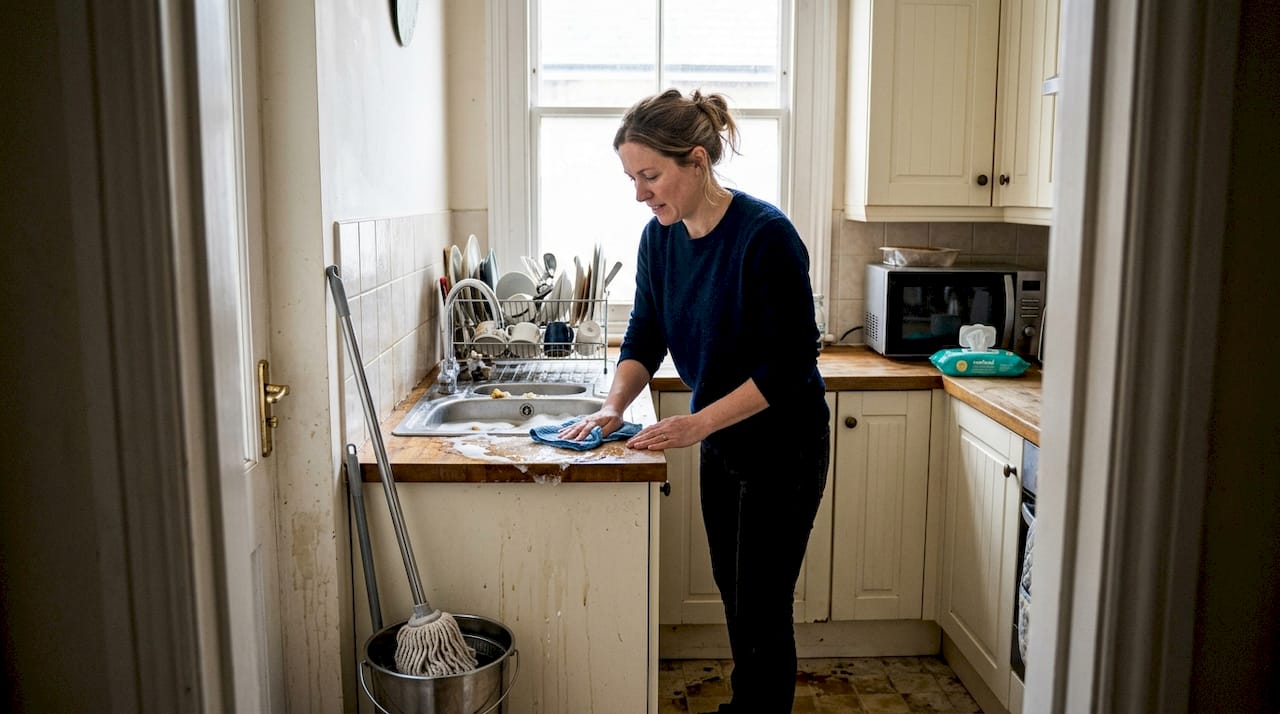
Unexpected drainage failures can strike any London property without warning, leaving you scrambling to understand whether you face a simple blockage or a serious structural problem. Recognising the difference between minor inconveniences and genuine emergencies determines how quickly you act and how much damage you prevent. This guide walks you through practical examples of the most common emergency drain issues affecting London homes, from fatberg blockages to collapsed pipes, and explains exactly what each situation demands. You’ll learn to spot warning signs early, understand your repair options, and make informed decisions when drainage disasters threaten your property.
Table of Contents
- Key takeaways
- Criteria for identifying emergency drain issues
- Examples of common emergency drain issues
- Comparison of emergency drain repair options
- Deciding on the right emergency drainage solution for your property
- Emergency drainage services to protect your London property
- FAQ
Key Takeaways
| Point | Details |
|---|---|
| Recognise emergencies early | Distinguishing between routine faults and genuine drainage emergencies early helps limit damage and speeds up professional intervention. |
| Urgent symptoms | Water backing up through several fixtures, persistent odours and sudden indoor flooding signal a serious blockage or structural fault requiring swift professional assessment. |
| Assessment factors | Blockage location, structural damage and the severity of backing up determine the immediacy of the response. |
| Preventive maintenance | Regular maintenance reduces the likelihood of emergencies and costly repairs by keeping drains clear and monitoring signs of faults. |
Criteria for identifying emergency drain issues
Recognising genuine drainage emergencies requires you to distinguish between annoying problems and situations demanding immediate professional attention. Drain emergencies must be accurately identified early for effective response. Several clear symptoms signal urgent issues: water backing up through multiple fixtures simultaneously, persistent sewage odours permeating your property, or sudden flooding in areas that normally remain dry. These signs indicate blockages or failures requiring prompt intervention.
Severity assessment depends on three critical factors. First, blockage location matters enormously because main sewer line obstructions affect your entire property whilst branch line issues may isolate to single rooms. Second, structural damage like cracked or collapsed pipes creates immediate health hazards through contamination risks. Third, water backup severity determines flooding potential and property damage scope.
Pro Tip: Walk your property’s perimeter checking for soggy patches, unusual odours, or visible pipe damage before problems escalate indoors.
Prompt identification involves systematic checks you can perform yourself. Listen for gurgling sounds from drains when fixtures empty, indicating trapped air from partial blockages. Check external inspection chambers for standing water or debris accumulation. Monitor drainage speed across multiple fixtures because simultaneous slow drainage suggests main line problems rather than isolated clogs. Notice whether problems worsen during heavy rainfall, pointing to overwhelmed or damaged drainage systems. These observations provide crucial information when you contact drainage emergency specialists for assessment.
Examples of common emergency drain issues
London homeowners encounter several recurring emergency drainage scenarios, each with distinct causes and consequences. Typical emergencies include blockages from waste, root ingress, and collapsed pipes, requiring different intervention approaches. Understanding these examples helps you recognise what you’re facing and communicate effectively with professionals.
Blockages represent the most frequent emergency category. Fatbergs form when cooking fats combine with wet wipes, sanitary products, and other non-biodegradable materials, creating concrete-like masses that completely obstruct pipes. Foreign objects accidentally flushed or washed down drains lodge in bends and junctions. Heavy debris accumulation from storms overwhelms outdoor drains and gullies. Each blockage type demands specific clearing techniques, from mechanical rodding to high-pressure water jetting.
| Emergency type | Primary cause | Typical impact | Response urgency |
|---|---|---|---|
| Fatberg blockage | Grease and non-flushables | Complete flow stoppage | Immediate |
| Pipe collapse | Ground movement or age | Structural failure | Critical |
| Root intrusion | Tree roots seeking moisture | Leaks and blockages | High |
| Storm overwhelm | Excessive rainfall | Temporary flooding | Moderate |
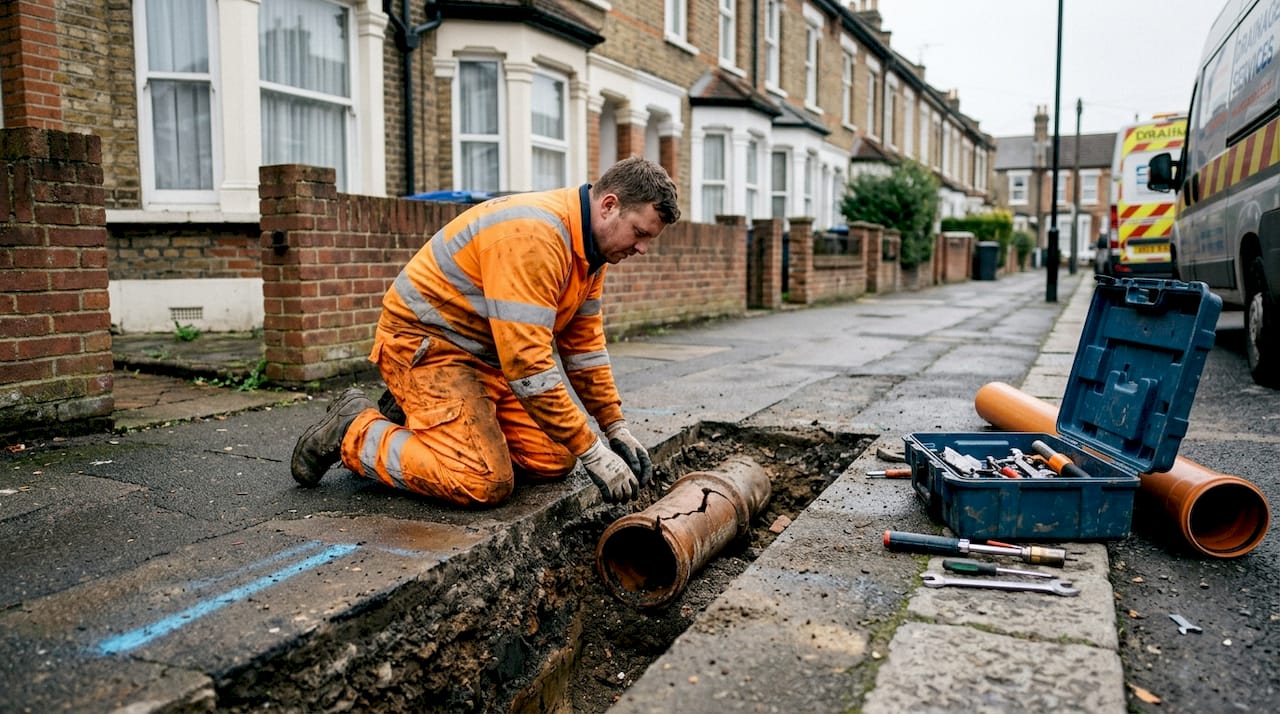
Pipe collapses create severe emergencies because they compromise your drainage system’s structural integrity. London’s aging Victorian-era clay pipes become brittle over decades, cracking under ground movement from construction, heavy vehicles, or natural settling. Collapsed sections prevent waste flow entirely whilst allowing soil infiltration that worsens the problem. These situations require excavation and replacement rather than simple clearing.
Root intrusion occurs when tree roots penetrate pipes through tiny cracks or joints, seeking moisture and nutrients. Once inside, roots expand rapidly, creating both blockages and widening structural damage. Rapid professional response for these issues limits property damage. Left unaddressed, root masses completely fill pipes whilst the expanding growth fractures surrounding pipe material. The resulting leaks contaminate surrounding soil and potentially undermine foundations.
Pro Tip: Map your property’s drainage layout and nearby trees to anticipate potential root intrusion points before emergencies develop.
Impact severity varies but commonly includes indoor flooding that damages flooring, furnishings, and electrical systems. Sewage backup creates immediate health hazards through bacterial contamination. Prolonged exposure to moisture encourages mould growth within wall cavities and under floors. External flooding erodes landscaping and can destabilise paving or outbuildings. Repair costs escalate rapidly when initial problems receive delayed attention, making early intervention financially prudent beyond the obvious convenience factors.
Comparison of emergency drain repair options
Once you’ve identified your emergency drain issue, selecting the appropriate repair method determines both immediate resolution success and long-term system reliability. Repair options vary by damage type and urgency, with CCTV surveys guiding decisions. Each technique offers distinct advantages for specific situations.
CCTV drain surveys provide the diagnostic foundation for all effective repairs. Technicians insert waterproof cameras through access points, capturing real-time footage of your pipe interiors. This reveals exact blockage locations, structural damage extent, root intrusion severity, and pipe material condition. Survey findings eliminate guesswork, preventing unnecessary excavation whilst ensuring chosen repairs address actual problems rather than symptoms. For emergency situations, surveys identify the quickest effective intervention path.
Mechanical clearing methods address blockages without structural repairs. High-pressure water jetting is effective for many blockages, using focused water streams at up to 4000 PSI to obliterate fatbergs, root masses, and debris accumulations. Electro-mechanical rodding employs rotating cutting heads on flexible cables to physically break through obstructions. Manual rodding with drain rods suits accessible blockages in inspection chambers. Each method works best for specific blockage types and pipe materials.
| Repair method | Best for | Duration | Disruption level | Typical cost range |
|---|---|---|---|---|
| Water jetting | Fatbergs, debris | 2-4 hours | Minimal | £150-£300 |
| Drain relining | Cracked pipes | 1-2 days | Low | £800-£2000 |
| Pipe replacement | Collapsed sections | 3-5 days | High | £2000-£5000 |
| Root cutting | Tree intrusion | 2-3 hours | Minimal | £200-£400 |
Structural repairs become necessary when pipes suffer physical damage beyond simple blockages. Drain relining inserts resin-impregnated liners into damaged pipes, creating new pipe walls within existing structures without excavation. This suits cracks, joint failures, and minor collapses whilst preserving landscaping and avoiding disruptive digging. Pipe replacement remains essential for severely collapsed sections or pipes deteriorated beyond relining viability, requiring excavation to install new pipe runs.
Suitability considerations extend beyond technical capability to practical factors. Cost varies dramatically, with simple jetting costing hundreds whilst extensive replacements reach thousands. Time urgency matters because some methods provide immediate relief whilst others require curing periods. Property access affects feasibility since confined spaces may prevent certain equipment use. Long-term durability influences value because quality repairs prevent recurring emergencies whilst cheap fixes often fail prematurely. Your specific situation, budget constraints, and property characteristics determine which option makes most sense.
Deciding on the right emergency drainage solution for your property
Choosing appropriate emergency drainage services requires balancing immediate needs against long-term property protection. Quick decision-making and professional help prevent further damage during drainage emergencies. Several decision factors guide you towards optimal solutions for your specific circumstances.
Assess emergency extent before committing to any repair approach. Determine whether problems affect single fixtures or entire systems because scope influences both urgency and cost. Evaluate immediate risks like flooding potential, contamination hazards, or structural threats to prioritise response speed. Consider whether temporary measures like sandbags or alternative facilities suffice whilst arranging permanent repairs, or whether situations demand instant professional intervention. Contact licensed drainage specialists immediately for assessment rather than attempting complex repairs yourself, as improper interventions often worsen problems.
Time, cost, disruption, and durability form your primary decision framework. Time constraints matter when you need functioning drainage for daily activities, making faster methods attractive despite potentially higher costs. Budget realities require honest assessment of what you can afford immediately versus financed over time, though remember that delaying necessary repairs typically increases eventual costs. Disruption tolerance depends on your household situation because extensive excavation proves challenging with young children, elderly residents, or home-based businesses. Durability considerations balance upfront investment against long-term value, as premium repairs lasting decades often cost less over time than repeated cheap fixes.
Pro Tip: Request detailed written quotes covering diagnosis, repair work, materials, labour, and guarantees before authorising any emergency drainage work to avoid surprise charges.
Prioritise licensed services offering genuine emergency response capabilities. Verify that contractors maintain proper insurance, relevant certifications, and proven track records through reviews or recommendations. Confirm availability for urgent callouts because true emergency services respond within hours, not days. Discuss guarantees covering both workmanship and materials to protect your investment. Ask about follow-up inspections ensuring repairs perform as intended. Established local specialists understand London’s specific drainage challenges, from Victorian-era infrastructure to modern building regulations.
Plan regular maintenance programmes post-repair to prevent emergency recurrence. Schedule annual CCTV inspections identifying developing problems before they escalate. Arrange periodic high-pressure jetting to clear accumulating debris. Monitor known trouble spots like areas with nearby trees or aging pipe sections. Implement preventive measures such as drain guards, proper waste disposal practices, and prompt attention to minor issues. This proactive approach dramatically reduces emergency frequency whilst extending your drainage system’s functional lifespan.
Emergency drainage services to protect your London property
When drainage emergencies threaten your property, professional intervention makes the difference between quick resolution and escalating disaster. Specialist emergency drainage services provide rapid response across Greater London, with expert technicians reaching your property within two hours of contact. Comprehensive solutions address every emergency type, from blockage clearing and CCTV surveys to structural repairs and preventive maintenance.
Experienced professionals employ advanced techniques including high-pressure water jetting, drain relining, and precision excavation to resolve issues permanently rather than applying temporary fixes. Modern diagnostic equipment pinpoints exact problem locations, eliminating guesswork and unnecessary work. Whether you face sudden blockages, collapsed pipes, or root intrusion, dedicated drain repairing services restore full functionality whilst minimising disruption to your household. Regular drain inspection services help you avoid future emergencies through early problem detection and planned maintenance.
FAQ
What causes most emergency blocked drains in London homes?
Fatberg formation from cooking fats mixed with wet wipes and sanitary products causes the majority of severe blockages, whilst root intrusion and foreign objects create frequent secondary problems. Storm debris and aging pipe collapses account for remaining emergencies.
How much do emergency drain repairs typically cost in London?
Simple blockage clearing through jetting costs £150-£400, whilst structural repairs like relining range £800-£2000 and full pipe replacement reaches £2000-£5000 depending on extent and access difficulty. CCTV surveys add £100-£200 to diagnostic costs.
Can regular maintenance prevent most drainage emergencies?
Annual drain maintenance programmes reduce emergency frequency by up to 80% through early problem detection and preventive clearing. Scheduled inspections identify developing issues before they cause failures, whilst periodic jetting removes accumulating debris that would otherwise create blockages.
What signs indicate I should call a drainage professional immediately?
Multiple fixtures backing up simultaneously, persistent sewage odours, visible flooding, gurgling sounds from drains, or water pooling around external inspection chambers all demand immediate professional assessment. Waiting risks property damage and health hazards.
Are DIY methods ever appropriate for emergency drain issues?
Minor single-fixture slow drainage may respond to plungers or drain snakes, but genuine emergencies affecting main lines or showing structural symptoms require professional equipment and expertise. Improper DIY attempts often worsen problems, increasing eventual repair costs substantially. Prevention strategies work better than emergency DIY fixes.