Blocked drains are a frequent headache for London homeowners and property managers, often resulting in unpleasant smells, slow drainage, and costly emergency call-outs. Prevention is far more effective and economical than waiting for a crisis. This article provides practical, expert-backed tips to keep your drains clear and healthy, helping you avoid disruption and maintain a smoothly running property.
Table of Contents
- Understanding Common Causes Of Blocked Drains
- Top Practical Ways To Prevent Blocked Drains
- Comparing Maintenance Methods And Recognising When To Seek Professional Help
- Keep Your Drains Clear With Professional Services
- Frequently Asked Questions
Key takeaways
| Point | Details |
|---|---|
| Prevention saves money and hassle | Keeping drains clear avoids expensive emergency repairs and property damage. |
| Avoid fats, oils, grease, and wipes | These substances are primary culprits behind kitchen and bathroom blockages. |
| Use hair catchers and regular cleaning | Simple habits like strainers and hot water flushes maintain drain health. |
| Recurring blockages need professional diagnosis | Persistent issues signal hidden damage requiring expert CCTV surveys. |
Understanding common causes of blocked drains
Knowing what clogs your drains is the first step towards effective prevention. Different areas of your home face distinct challenges, and understanding these helps you tailor your maintenance routine.
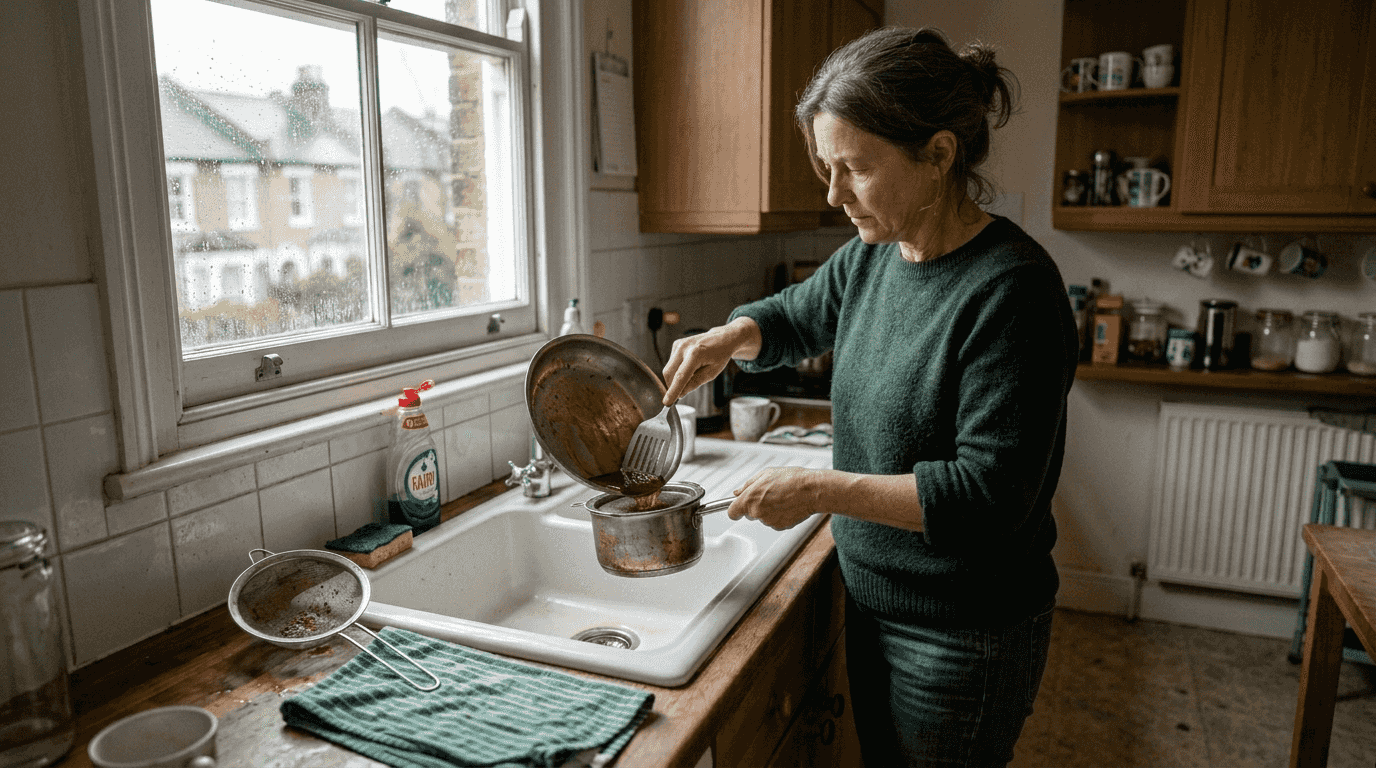
Grease solidifies in pipes, trapping other debris and causing stubborn blockages. When you pour fats or oils down the kitchen sink, they cool and harden, gradually narrowing the pipe diameter. Over time, this creates a sticky layer that catches food particles, coffee grounds, and other waste, building up until water struggles to pass through.
Bathroom drains face a different enemy. Hair and soap scum combine to form solid clumps that catch on pipe walls and fixtures. Minerals in London’s hard water add to this mixture, creating tough deposits that restrict flow. Showers and baths are particularly vulnerable because hair sheds naturally during washing.

Toilet blockages often stem from inappropriate items being flushed. Flushable wipes do not break down like toilet paper and cause persistent blockages. Despite misleading labels, these products remain largely intact as they travel through pipes, catching on rough surfaces and accumulating into dense masses.
Small debris presents a gradual threat. Consider these common culprits:
- Coffee grounds settle in pipe bends, slowly building up layers
- Food scraps from rinsing plates accumulate over weeks
- Cotton buds and dental floss wrap around existing deposits
- Children’s toys or hygiene products create immediate blockages
- Tree roots infiltrate older pipes through tiny cracks
Understanding why blocked drains occur in London helps you spot risk factors in your property. Older Victorian and Edwardian homes often have narrower pipes with rougher interiors, making them more susceptible to build-up.
Top practical ways to prevent blocked drains
Prevention is straightforward when you establish smart habits. These steps require minimal effort but deliver significant long-term benefits.
-
Never pour fats, oils, or grease down kitchen drains. Avoid pouring fats or oils into the sink. Instead, collect them in a container, let them solidify, and dispose of them in your regular waste bin. Even small amounts accumulate over time.
-
Install and maintain hair catchers in all bathroom drains. Use hair catchers in showers and tubs to prevent bathroom blockages. Clean these devices weekly, removing trapped hair and soap residue before they can enter pipes. This simple tool stops most bathroom clogs before they start.
-
Dispose of food scraps and coffee grounds properly. Scrape plates into the bin before rinsing, and never wash coffee grounds down the sink. These materials don’t dissolve and settle in pipe bends, creating layers that trap other debris.
-
Flush only toilet paper, nothing else. Even products labelled flushable should go in the bin. Toilet paper is specifically designed to break down rapidly in water, whilst wipes, cotton products, and sanitary items remain intact and cause sink blockages.
-
Perform regular hot water flushes. Once weekly, pour a kettle of boiling water down each drain to dissolve grease deposits and soap scum before they harden. This is particularly effective in kitchen sinks where small amounts of fat inevitably enter the drain.
-
Use strainers in all sinks. Fit mesh strainers over plug holes in kitchen and bathroom sinks to catch debris before it enters pipes. Empty these daily as part of your cleaning routine.
-
Schedule periodic professional maintenance. Annual inspections catch minor issues before they escalate into emergencies. Regular drain maintenance extends pipe lifespan and prevents costly repairs.
Pro Tip: Keep a dedicated container under your kitchen sink for collecting used cooking oil and fat. Once full, seal it and dispose of it with household waste. This habit alone eliminates the primary cause of kitchen drain blockages.
Comparing maintenance methods and recognising when to seek professional help
Choosing between DIY maintenance and professional services depends on your situation. Understanding the strengths and limitations of each approach helps you make informed decisions.
DIY maintenance works well for routine prevention. Regular cleaning keeps drains flowing freely when you catch problems early. Hot water flushes dissolve minor grease build-up, whilst strainers and catchers prevent debris from entering pipes in the first place. These methods cost very little and take just minutes each week.
Professional services become necessary when prevention fails or underlying issues emerge. High-pressure water jetting removes stubborn blockages that household methods cannot touch. CCTV surveys reveal hidden problems like pipe damage, root infiltration, or structural defects. Expert diagnosis identifies the real cause rather than just treating symptoms.
Recurring blockages in the same location indicate a need for a CCTV drain survey to diagnose hidden issues. If you find yourself repeatedly clearing the same drain, something deeper is wrong. Tree roots may have infiltrated pipes, or structural damage could be creating a persistent catch point.
| Approach | Best For | Limitations | Cost |
|---|---|---|---|
| DIY Prevention | Weekly maintenance, catching debris, dissolving minor grease | Cannot fix structural issues or remove established blockages | Very low |
| Chemical Cleaners | Emergency temporary relief | Damage pipes over time, don’t address root causes, environmental harm | Low to moderate |
| High-Pressure Jetting | Stubborn blockages, grease removal, descaling | Requires professional equipment and expertise | Moderate |
| CCTV Survey | Diagnosing recurring issues, locating damage, pre-purchase inspections | Requires specialist equipment | Moderate to high |
| Pipe Repair/Relining | Fixing cracks, root damage, collapsed sections | Most expensive option but permanent solution | High |
Several warning signs indicate you need professional help:
- Multiple fixtures backing up simultaneously suggests a main drain blockage
- Gurgling sounds from drains or toilets signal air trapped by blockages
- Persistent slow drainage despite regular maintenance
- Foul smells coming from drains indicate organic matter decomposing in pipes
- Water pooling in unexpected areas suggests pipe damage
CCTV drain survey services provide definitive answers when symptoms persist. A camera inspection reveals exactly what’s happening inside your pipes, allowing targeted repairs rather than guesswork. For London properties with older drainage systems, this technology is invaluable.
Pro Tip: Schedule an annual professional inspection before winter. Cold weather exacerbates existing drainage problems, and catching issues in autumn prevents emergency call-outs during Christmas or New Year.
Regular drain inspection services create a maintenance record for your property. This documentation proves valuable when selling or if insurance claims become necessary. Professional reports also highlight areas needing attention before they fail completely.
Keep your drains clear with professional services
Preventing blocked drains starts with good habits, but professional expertise ensures long-term drainage health for London properties.
RSJ Drains offers comprehensive drain inspection services and CCTV drain surveys tailored specifically for Greater London homes and commercial properties. Our detailed assessments identify potential problems before they escalate into costly emergencies. With 24-hour guaranteed emergency response within two hours, we’re here when you need us most. Regular professional care maintains your drainage system’s efficiency, prevents unexpected failures, and protects your property from water damage. Discover our complete drain maintenance guide for London properties to understand how proactive care saves money and hassle.
Frequently asked questions
What are common causes of blocked drains?
The primary culprits include fats, oils, and grease that solidify in pipes, hair combined with soap scum forming solid masses, and inappropriate items like wipes that don’t break down. Food scraps, coffee grounds, and mineral deposits from hard water also accumulate gradually. In older London properties, tree roots infiltrating cracked pipes present a significant challenge. Understanding common blocked drain causes helps you implement targeted prevention strategies.
How can I prevent blockages in kitchen drains?
Avoid pouring any fats, oils, or grease down the sink, collecting them instead in a container for bin disposal. Use sink strainers to catch food debris and clean them daily. Scrape plates thoroughly before rinsing and never wash coffee grounds down drains. Perform weekly hot water flushes to dissolve minor grease build-up. These simple habits prevent most kitchen sink blockage issues.
Are flushable wipes really safe for drains?
No, despite labels claiming otherwise, flushable wipes cause significant drainage problems. They break down much slower than toilet paper, often remaining largely intact throughout their journey through pipes. These wipes catch on rough pipe surfaces and accumulate into dense masses that block flow. Always dispose of wipes, cotton products, and sanitary items in the bin, flushing only toilet paper.
When should I call a professional for blocked drains?
Contact professionals when blockages recur in the same location, as this signals underlying structural issues requiring diagnosis. Recurring blockages indicate a need for a CCTV drain survey to identify hidden problems. Also call experts if multiple fixtures back up simultaneously, if you notice persistent foul odours, or if DIY methods fail to restore normal drainage. CCTV drain survey services provide definitive answers and enable targeted repairs.