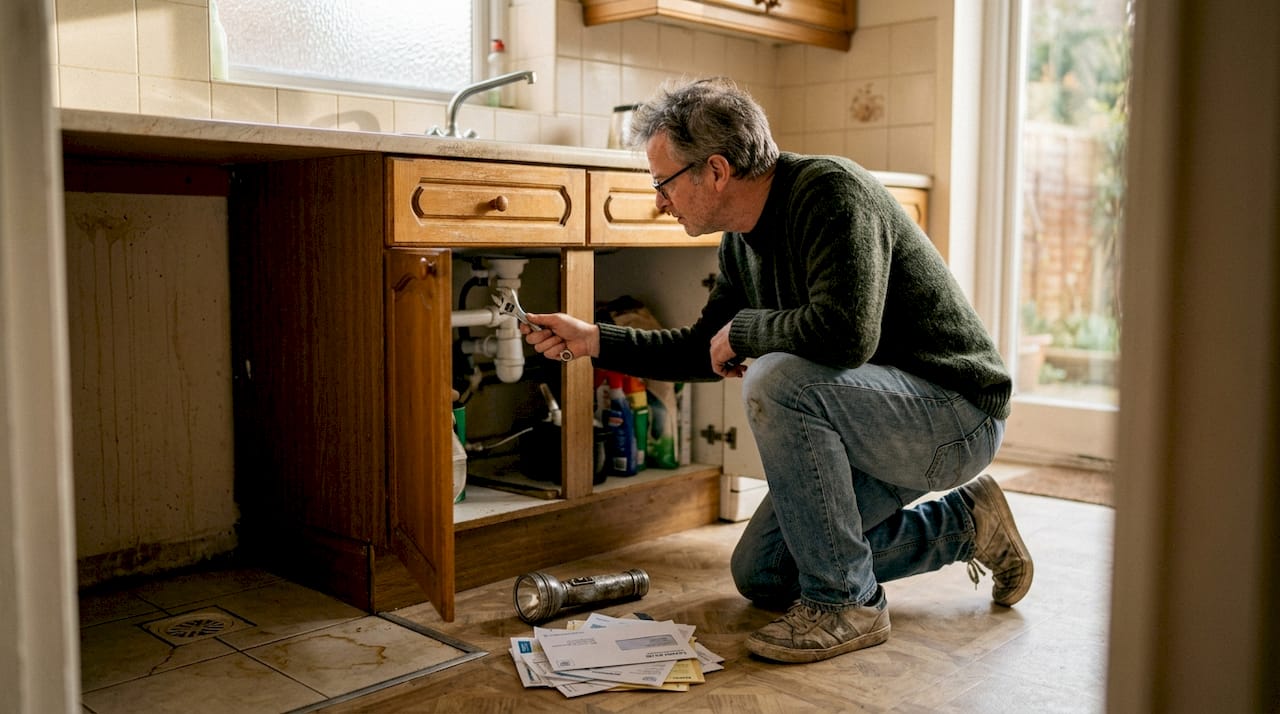
Drainage problems in Greater London properties often begin silently, gradually escalating into expensive emergencies that disrupt daily life and damage structural integrity. A systematic approach to identifying early warning signs can save thousands of pounds in repair costs whilst protecting your home from water damage, unpleasant odours, and health hazards. This comprehensive checklist empowers homeowners and property managers with practical inspection techniques, clear problem identification criteria, and actionable solutions to maintain healthy drainage systems throughout 2026 and beyond.
Table of Contents
- Drainage Problem Criteria: Signs To Watch For
- Comprehensive Drainage Problem Checklist For Homeowners
- Common Drainage Problems And Their Solutions
- Deciding The Right Action: Maintenance Vs Repair
- Expert Drainage Services For London Homeowners
- FAQ
Key takeaways
| Point | Details |
|---|---|
| Early detection saves money | Spotting drainage issues before they escalate prevents costly emergency repairs and structural damage |
| Warning signs are identifiable | Slow drainage, foul smells, pooling water, and damp patches indicate problems requiring attention |
| Regular inspections work | Using a systematic checklist quarterly helps monitor drainage health and catch issues early |
| Professional help matters | Expert drain inspections reveal hidden problems that DIY checks might miss |
Drainage problem criteria: signs to watch for
Recognising drainage problems early requires understanding specific symptoms that signal underlying issues. Common symptoms of drainage problems include slow draining water, foul odours, water pooling, and damp patches. These warning signs often appear gradually, making them easy to dismiss until they worsen significantly.
Slow drainage in sinks, baths, or toilets typically indicates partial blockages forming within your pipes. You might notice water taking longer to disappear or gurgling sounds as air struggles past obstructions. Foul smells emanating from drains suggest organic matter decomposing within pipes or sewer gases escaping through damaged seals. Outside your property, pooling water after rainfall or persistent damp patches on walls point to blocked external drains or underground pipe damage.
Pro Tip: Document each symptom with photos and dates to track progression and provide valuable information to drainage professionals if problems persist.
Monitoring these criteria systematically prevents minor inconveniences from becoming major disasters. Create a simple log noting when symptoms appear, their severity, and any patterns you observe. This approach helps distinguish between temporary issues and chronic problems requiring professional intervention.
Key warning signs requiring immediate attention:
- Multiple fixtures draining slowly simultaneously
- Sewage backing up into property
- Visible cracks in external drainage covers
- Persistent foul odours despite cleaning efforts
- Water pooling in unexpected outdoor areas
- Damp patches appearing on internal walls near drainage routes
Comprehensive drainage problem checklist for homeowners
A structured inspection routine transforms vague concerns into actionable insights about your drainage system’s health. Routine inspections can be structured through a checklist to ensure effective monitoring and timely repairs. This systematic approach covers both internal fixtures and external drainage points, providing comprehensive coverage of potential problem areas.
Monthly drainage inspection checklist:
- Test all internal fixtures by running water for 30 seconds, observing drainage speed and listening for unusual sounds
- Check beneath sinks and around toilets for moisture, staining, or musty odours indicating hidden leaks
- Inspect external drain covers for cracks, displacement, or debris accumulation blocking grates
- Examine gutters and downpipes for blockages, ensuring rainwater flows freely to drainage points
- Walk your property perimeter after rainfall, noting any pooling water or soggy ground near drainage routes
- Flush toilets and observe whether water levels drop normally or rise unexpectedly
- Run kitchen and bathroom taps simultaneously to test system capacity under normal usage loads
Pro Tip: Schedule inspections on the first day of each month, linking them to an existing routine like paying bills to ensure consistency.
| Inspection step | Tools needed | Frequency | Warning signs |
|---|---|---|---|
| Internal fixture testing | None | Monthly | Slow drainage, gurgling sounds |
| Under-sink inspection | Torch, gloves | Monthly | Moisture, staining, odours |
| External drain covers | Gloves, small mirror | Monthly | Cracks, blockages, standing water |
| Gutter clearance | Ladder, gloves, bucket | Quarterly | Overflowing, plant growth |
| Property perimeter walk | Notepad, camera | After heavy rain | Pooling, soggy ground |
| Capacity stress test | None | Quarterly | Backing up, overflow |
Documenting findings creates a valuable maintenance history that helps identify deteriorating conditions before they cause failures. Note the date, location, and severity of any issues discovered, comparing results across inspections to spot worsening trends.
Common drainage problems and their solutions
Understanding typical drainage issues and their corresponding remedies helps property owners make informed decisions about maintenance and repairs. Different drainage issues like blockages, cracks, or collapsed pipes require varied repair methods including cleaning, relining, or replacement. Each problem type presents distinct symptoms and demands specific solutions for effective resolution.
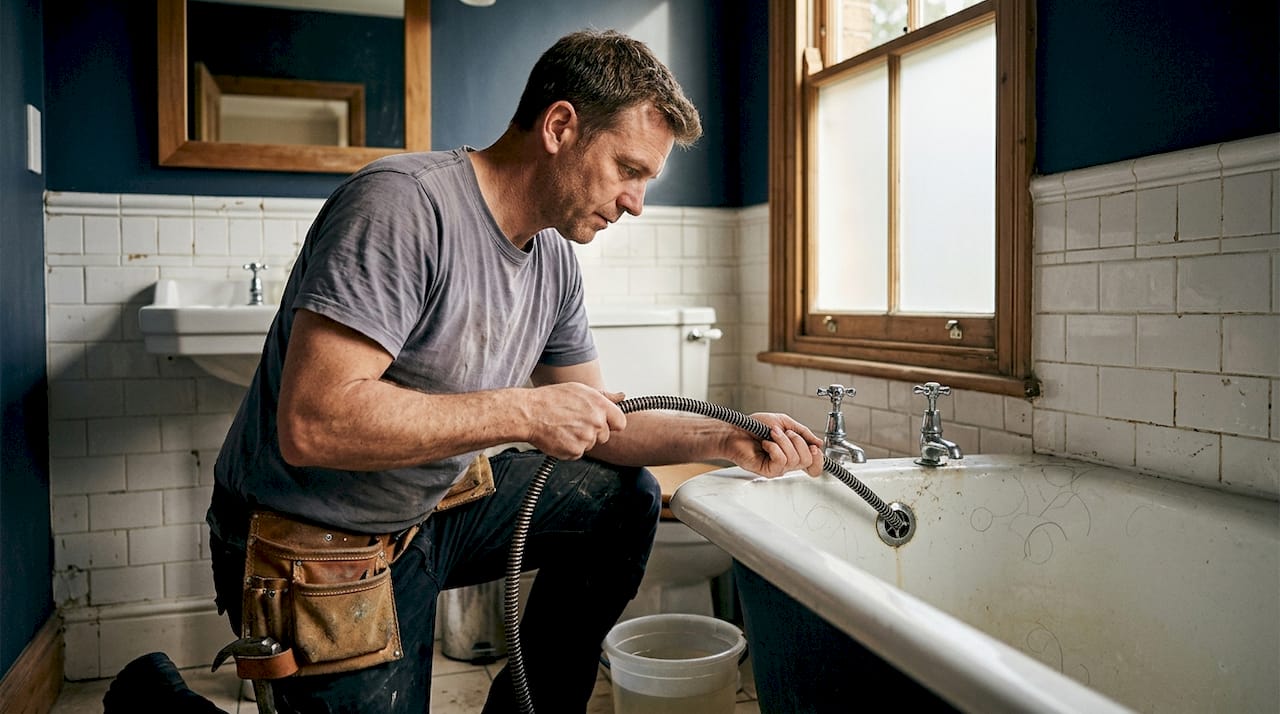
Blockages represent the most frequent drainage complaint, caused by accumulated debris, grease, hair, or foreign objects restricting water flow. High pressure water jetting effectively clears most blockages without damaging pipes, using powerful streams to dislodge obstructions and flush systems clean. This method works particularly well for organic build-up and minor root intrusions.
Structural damage including cracks, fractures, or collapsed pipe sections requires more substantial intervention. Modern drain relining technology offers a minimally invasive solution, inserting a resin-coated liner into damaged pipes that hardens to create a new, durable interior surface. This approach avoids extensive excavation whilst providing long-lasting repairs comparable to full pipe replacement.
| Problem type | Common causes | Typical symptoms | Recommended solution | Approximate cost range |
|---|---|---|---|---|
| Partial blockage | Grease, hair, debris | Slow drainage, gurgling | High pressure jetting | £80-£200 |
| Complete blockage | Foreign objects, root intrusion | No drainage, backing up | Emergency clearance, CCTV survey | £150-£400 |
| Pipe cracks | Age, ground movement, tree roots | Damp patches, reduced flow | Drain relining | £400-£1,200 per section |
| Collapsed pipe | Severe ground movement, corrosion | Complete failure, subsidence | Excavation and replacement | £1,500-£5,000+ |
| Broken seals | Age, poor installation | Odours, minor leaks | Seal replacement | £100-£300 |
Signs requiring immediate professional intervention:
- Sewage backing up into your property
- Multiple drains failing simultaneously
- Visible subsidence or ground movement near drainage routes
- Persistent problems despite attempted DIY clearance
- Foul odours intensifying rather than improving
- Water pooling increasing in size or frequency
Deciding the right action: maintenance vs repair
Distinguishing between situations suitable for routine maintenance and those demanding professional repair prevents wasted effort whilst avoiding damage from inappropriate DIY attempts. Understanding when to schedule maintenance or professional repairs protects property value and avoids emergency situations. Clear decision criteria help property owners allocate resources effectively and respond appropriately to drainage concerns.
Routine maintenance suits straightforward tasks like clearing visible debris from drain covers, pouring biological drain cleaners monthly, and removing hair traps from shower drains. These preventive actions keep systems flowing freely without requiring specialist knowledge or equipment. However, attempting repairs beyond your capability risks worsening problems and creating more expensive solutions.
Suitable for DIY maintenance:
- Clearing leaves and debris from external drain grates
- Using drain plungers for minor sink blockages
- Cleaning hair traps and pop-up waste mechanisms
- Pouring biological enzyme cleaners monthly
- Removing accessible blockages in u-bends
- Flushing drains with hot water regularly
Requiring professional repair services:
- Persistent blockages returning after clearance attempts
- Foul odours suggesting sewer gas leaks or pipe damage
- Visible cracks in pipes or drain covers
- Multiple fixtures affected simultaneously
- Suspected root intrusion or structural damage
- Any situation involving main sewer connections
Pro Tip: Annual professional drain inspections using CCTV cameras identify developing issues invisible to surface observations, allowing planned maintenance rather than emergency repairs.
Severity assessment guides appropriate responses. Minor inconveniences like slightly slow drainage might improve with simple maintenance, whilst urgent problems like sewage backing up demand immediate professional attention. Consider your drainage system’s age too; older installations benefit from more frequent professional monitoring as materials deteriorate and joints weaken over decades of service.
London property case studies demonstrate this principle clearly. A Wandsworth homeowner’s quarterly gutter clearance prevented blockages that previously caused annual flooding, whilst a Hackney landlord’s ignored slow drainage warnings culminated in a £4,000 emergency pipe replacement that preventive inspection would have identified months earlier at fraction of the cost.
Expert drainage services for London homeowners
Applying your drainage problem checklist becomes more effective when combined with professional expertise tailored to Greater London properties. RSJ Drains connects homeowners with comprehensive solutions addressing inspection findings systematically and effectively.
Professional drain inspection services utilise advanced CCTV technology to examine your entire drainage system, revealing hidden damage, developing blockages, and structural weaknesses before they cause failures. These detailed surveys provide clear evidence guiding repair decisions and preventing unnecessary work. When problems are identified, expert drain repairing services tackle everything from simple blockage clearance through high pressure jetting to complex pipe relining and replacement, ensuring lasting solutions rather than temporary fixes. Following repairs, the comprehensive drain maintenance guide for London homes helps property owners implement preventive routines protecting their investment and avoiding future emergencies through systematic care and early intervention strategies.
FAQ
How often should I inspect my drainage system?
Inspect your drainage system at least twice yearly, ideally during spring and autumn when seasonal changes stress systems differently. Spring inspections catch winter damage from freezing and ground movement, whilst autumn checks prepare drains for increased rainfall and leaf fall. Monthly quick checks of internal fixtures and external drain covers supplement these thorough inspections. Properties with mature trees nearby or older drainage infrastructure benefit from quarterly professional monitoring using 7-step drain maintenance checklist protocols.
What are common causes of blocked drains?
Common blockage causes include grease and cooking oil solidifying within pipes, hair accumulating in bathroom drains, food waste particles building up despite sink strainers, and tree roots infiltrating underground pipes seeking moisture. Inappropriate items flushed down toilets, such as wet wipes marketed as flushable, create stubborn obstructions requiring professional clearance. Understanding these causes helps implement prevention strategies that stop blockages forming rather than repeatedly clearing symptoms.
Can I fix drainage problems myself or should I call a professional?
Minor issues like clearing visible debris from drain covers or using plungers on simple sink blockages are safe DIY tasks requiring no specialist skills. However, persistent blockages returning after clearance attempts, foul odours suggesting pipe damage, multiple affected fixtures, or any situation involving main sewer connections require professional intervention. Attempting complex repairs without proper equipment risks damaging pipes further and creating more expensive problems. Learn how to unblock drains safely to understand appropriate DIY limits.
What regular maintenance can prevent drainage problems?
Regular cleaning prevents most drainage problems through simple consistent actions. Pour biological enzyme cleaners monthly to break down organic build-up, avoid pouring grease or oil down sinks, use drain guards catching hair and debris, and flush drains weekly with hot water. Clear external drain covers of leaves and debris, especially during autumn, and ensure gutters direct water properly to drainage points. Annual professional inspections identify developing issues before they cause failures. Implementing examples of drain maintenance creates robust prevention protecting your property year-round.