Spotting blocked drains early can save you from expensive repairs and significant property damage. Many homeowners in Greater London overlook subtle warning signs until water backs up or foul odours become unbearable. This article reveals the most common indicators of drainage problems, explains what causes blockages, and guides you through professional solutions to restore your plumbing system quickly. Understanding these signs empowers you to act confidently and protect your home from escalating drainage issues.
Table of Contents
- Key takeaways
- Common signs your home has blocked drains
- Why drains get blocked: common causes explained
- Comparing professional methods to diagnose and clear blocked drains
- Choosing the right solution for your blocked drain situation
- Expert drainage services to clear your blocked drains in Greater London
- Frequently asked questions
Key Takeaways
| Point | Details |
|---|---|
| Visible warning signs | Slow drainage, bad odours and water pooling are early warning signs that require prompt inspection. |
| Common blockage causes | Blockages arise from hair and grease, inappropriate items and tree roots, each requiring different remedial approaches. |
| Prompt professional help | Prompt professional diagnostics and repairs help prevent escalating damage and higher costs. |
| Costs of ignoring signs | Ignoring warning signs can lead to more extensive and expensive repairs later. |
Common signs your home has blocked drains
Recognising the early symptoms of blocked drains helps you address problems before they escalate into costly emergencies. Blocked drains commonly cause slow draining water, bad odours, and water pooling around fixtures, signalling that immediate attention is necessary.
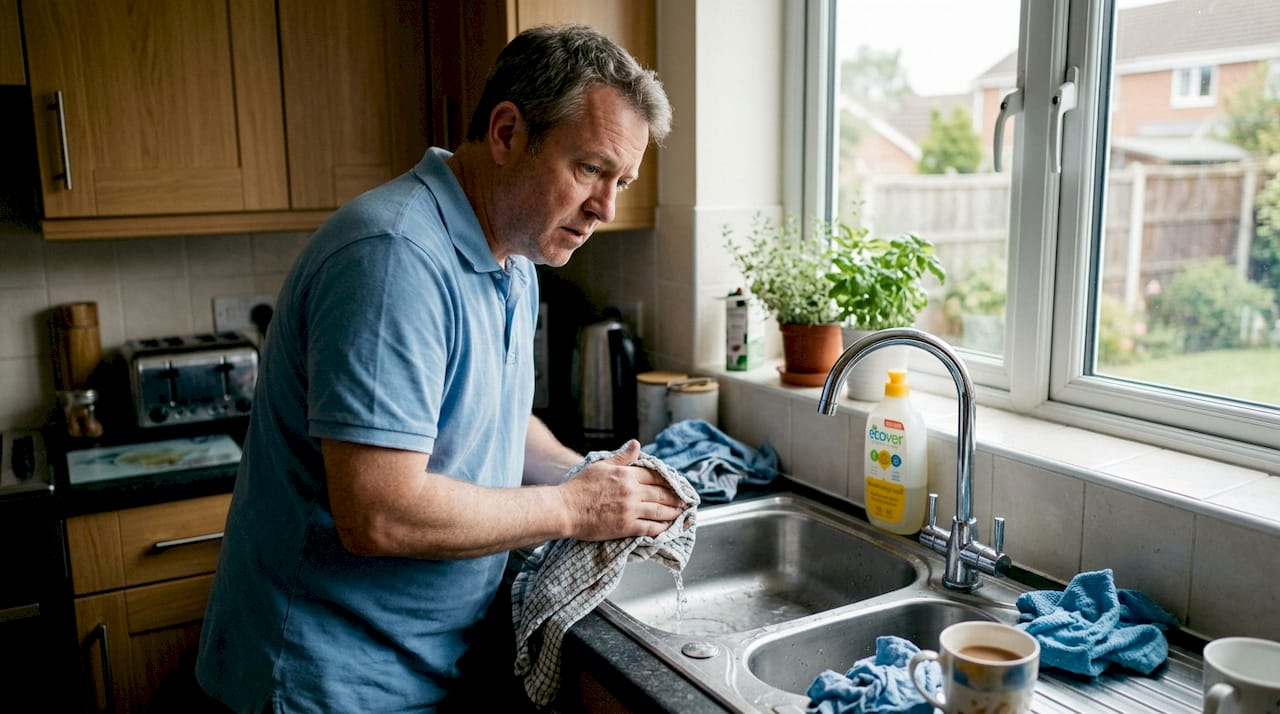
Slow drainage represents the most frequent early warning sign. When water takes longer than usual to disappear from sinks, baths, or showers, a partial blockage is likely restricting flow somewhere in your pipes. You might notice this particularly after washing dishes or bathing, when larger volumes of water need to drain quickly.
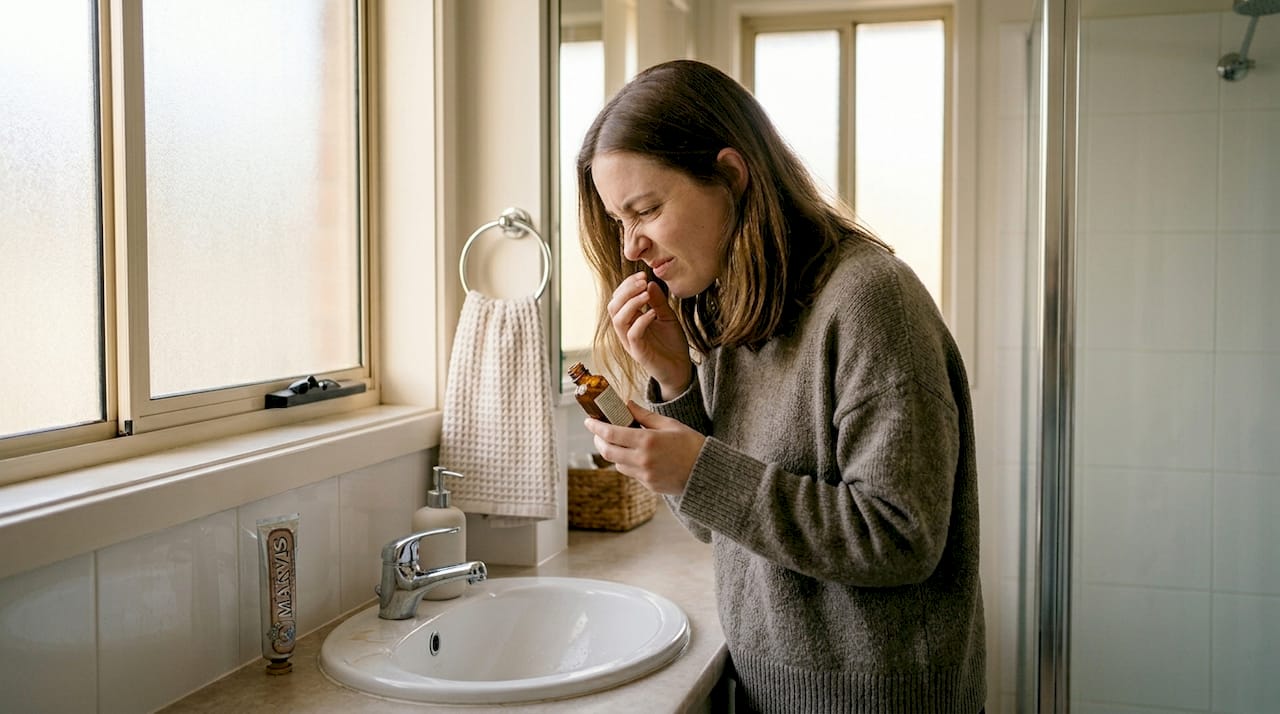
Unpleasant smells emanating from drains indicate trapped debris and bacterial growth within your pipes. These odours often worsen during warm weather when bacteria multiply faster. If you detect persistent foul smells near sinks, toilets, or outdoor drains, organic matter has likely accumulated and begun decomposing inside your drainage system.
Water backing up or pooling visibly around drains signals a more serious blockage. You might see water rising in your toilet when you flush, or notice puddles forming around outdoor gullies after rainfall. This symptom suggests that wastewater cannot flow freely through your pipes and is seeking alternative escape routes.
Gurgling sounds from pipes indicate air trapped within your drainage system due to constricted flow. These noises often accompany slow drainage and suggest that water is struggling to pass through a narrowed section of pipe. The trapped air bubbles create the distinctive gurgling as water finally moves past the obstruction.
Repeated drain blockages despite DIY clearing efforts signal a deeper underlying problem. If you find yourself regularly using drain cleaners or plungers on the same fixture, the root cause likely lies further down your drainage system. Understanding how to unclog a drain effectively can help with minor issues, but persistent problems require professional diagnosis.
Pro Tip: Regularly check drains after heavy use or storms to catch early signs of blockage before they develop into serious problems.
Why drains get blocked: common causes explained
Understanding why blockages occur helps you prevent future drainage problems and choose appropriate solutions. Blockages result mainly from hair, grease, foreign objects, tree roots, and collapsed drains, each requiring different approaches to resolve effectively.
Hair and grease buildup gradually restricts pipe flow over time. Hair binds with soap scum and grease to form dense clumps that catch additional debris. Kitchen sinks particularly suffer from grease accumulation, as fats solidify when they cool inside pipes. These substances coat pipe interiors, progressively narrowing the available space for water flow.
Flushing inappropriate items causes immediate and severe clogs. Wet wipes, sanitary products, cotton buds, and nappies do not break down like toilet paper. These items quickly lodge in pipe bends or narrow sections, creating instant blockages that completely prevent drainage. Many homeowners mistakenly believe products labelled as flushable will safely pass through their drainage system.
Tree roots penetrate pipes seeking water sources, causing severe blockages and structural damage. Roots enter through tiny cracks or joints, then expand inside pipes as they grow. This intrusion not only blocks water flow but also damages pipe integrity, creating additional weak points for further root penetration. Older clay pipes are particularly vulnerable to root intrusion.
Collapsed or damaged pipes trap debris and wastewater, worsening existing blockages. Ground movement, heavy traffic above ground, or simple age can cause pipes to crack, fracture, or collapse entirely. These structural failures create low points where debris accumulates, and water cannot flow freely. Detailed information about understanding drain blockages causes prevention helps identify these underlying issues.
Heavy rainfall overloads drainage systems, revealing existing weaknesses. When storm water exceeds your drainage capacity, it exposes partial blockages that might otherwise go unnoticed during normal conditions. Sudden flooding or backing up during heavy rain often indicates that your drains were already partially compromised. Learning how to unblock drains safely effectively becomes essential during these situations.
Comparing professional methods to diagnose and clear blocked drains
Professional drainage services employ various techniques to diagnose and resolve blockages efficiently. CCTV drain surveys offer precise blockage detection, while high-pressure water jetting clears debris effectively, ensuring comprehensive solutions tailored to your specific drainage problem.
| Method | Best for | Advantages | Typical cost range |
|---|---|---|---|
| CCTV inspection | Diagnosis and location | Non-invasive, accurate assessment | £80-£200 |
| High-pressure jetting | Clearing debris and roots | Thorough cleaning, no excavation | £100-£300 |
| Drain relining | Repairing damaged pipes | Minimal disruption, long-lasting | £400-£1,500 |
| Excavation and replacement | Severe structural damage | Permanent solution | £1,000-£5,000+ |
Visual pipe inspection uses CCTV cameras for accurate condition assessment. Drainage engineers insert small waterproof cameras into your pipes, transmitting live footage to identify blockage locations, pipe damage, and root intrusion. This technology eliminates guesswork and prevents unnecessary excavation, saving both time and money. The detailed footage also helps engineers recommend the most appropriate clearing or repair method.
High-pressure water jetting removes grease, roots, and debris effectively without digging. Specialised equipment propels water at extremely high pressure through your pipes, scouring away accumulated materials and restoring full flow capacity. This method proves particularly effective against stubborn blockages that resist traditional clearing techniques. Jetting also cleans pipe interiors thoroughly, reducing the likelihood of rapid re-blocking.
Drain relining repairs damaged pipes internally, prolonging lifespan without excavation. Drain relining provides a cost-effective repair alternative to full pipe replacement after clearing blockages. Engineers insert a resin-coated liner into damaged pipes, which hardens to form a new pipe within the old one. This technique seals cracks, prevents root intrusion, and restores structural integrity with minimal property disruption.
Each method varies in cost, invasiveness, and suitability depending on blockage severity. Simple blockages near accessible points cost less to clear than deep-seated problems requiring excavation. Your drainage engineer will recommend the most cost-effective solution based on CCTV survey findings and the extent of damage discovered. Comprehensive drain inspection services provide detailed reports explaining recommended treatments.
Pro Tip: Combining CCTV surveys with high-pressure jetting ensures precise diagnosis and efficient clearing, preventing repeat blockages and identifying underlying structural issues.
Professional methods deliver superior results compared to DIY approaches. Whilst chemical cleaners or manual rodding might temporarily relieve symptoms, they rarely address root causes. Engineering drainage solutions requires specialised equipment and expertise to achieve lasting repairs. Investing in professional high pressure water jetting and drain relining prevents recurring problems and protects your property value.
Choosing the right solution for your blocked drain situation
Selecting the appropriate drainage solution depends on several factors including blockage severity, urgency, budget, and long-term property protection. Professional assessment guides appropriate treatment, from simple clearing to complex repairs, ensuring you invest wisely in your drainage system.
Assess blockage frequency and severity before choosing a solution. Occasional slow drainage might respond to professional jetting, whilst recurring problems suggest underlying structural issues requiring repair. Consider how long symptoms have persisted and whether they are worsening over time. Single incidents differ significantly from chronic drainage problems in terms of required intervention.
Emergency drainage services suit urgent, severe blockages to prevent property damage. When water backs up into your home or sewage overflows outside, immediate professional intervention becomes essential. Delaying treatment risks contamination, structural damage to your property, and potential health hazards. Emergency services prioritise rapid response to minimise damage and restore functionality quickly.
Routine inspections prevent costly future repairs through early detection. Annual or biennial CCTV surveys identify developing problems before they cause blockages or failures. This proactive approach proves far more economical than emergency repairs, allowing you to plan maintenance during convenient times rather than responding to crises.
Drain repair and relining cost effectiveness depends on damage extent and pipe accessibility. Minor cracks or localised damage respond well to relining, offering excellent value compared to excavation. Extensive collapse or multiple damaged sections might necessitate partial replacement. Your drainage engineer will explain cost implications and recommend the most economical long-term solution.
Steps to choose a solution:
- Inspect and diagnose using CCTV survey to identify exact problems
- Evaluate repair options based on survey findings and engineer recommendations
- Consider budget and timing, balancing immediate costs against long-term value
- Hire expert services licensed and experienced in local London drainage systems
Always prioritise professional intervention over DIY for long-term reliability. Whilst basic maintenance like clearing hair traps helps prevent blockages, significant drainage problems require specialist equipment and expertise. Professional drain repairing services provide guaranteed solutions backed by experience and proper insurance. Homeowners in North London can access reliable blocked drain repairs from established local contractors who understand regional drainage challenges.
Expert drainage services to clear your blocked drains in Greater London
When drainage problems disrupt your home, you need swift, effective solutions from experienced professionals who understand London’s unique drainage challenges. RSJ Drains offers comprehensive drainage services including inspection, clearing, and repairs, ensuring your plumbing system functions reliably.
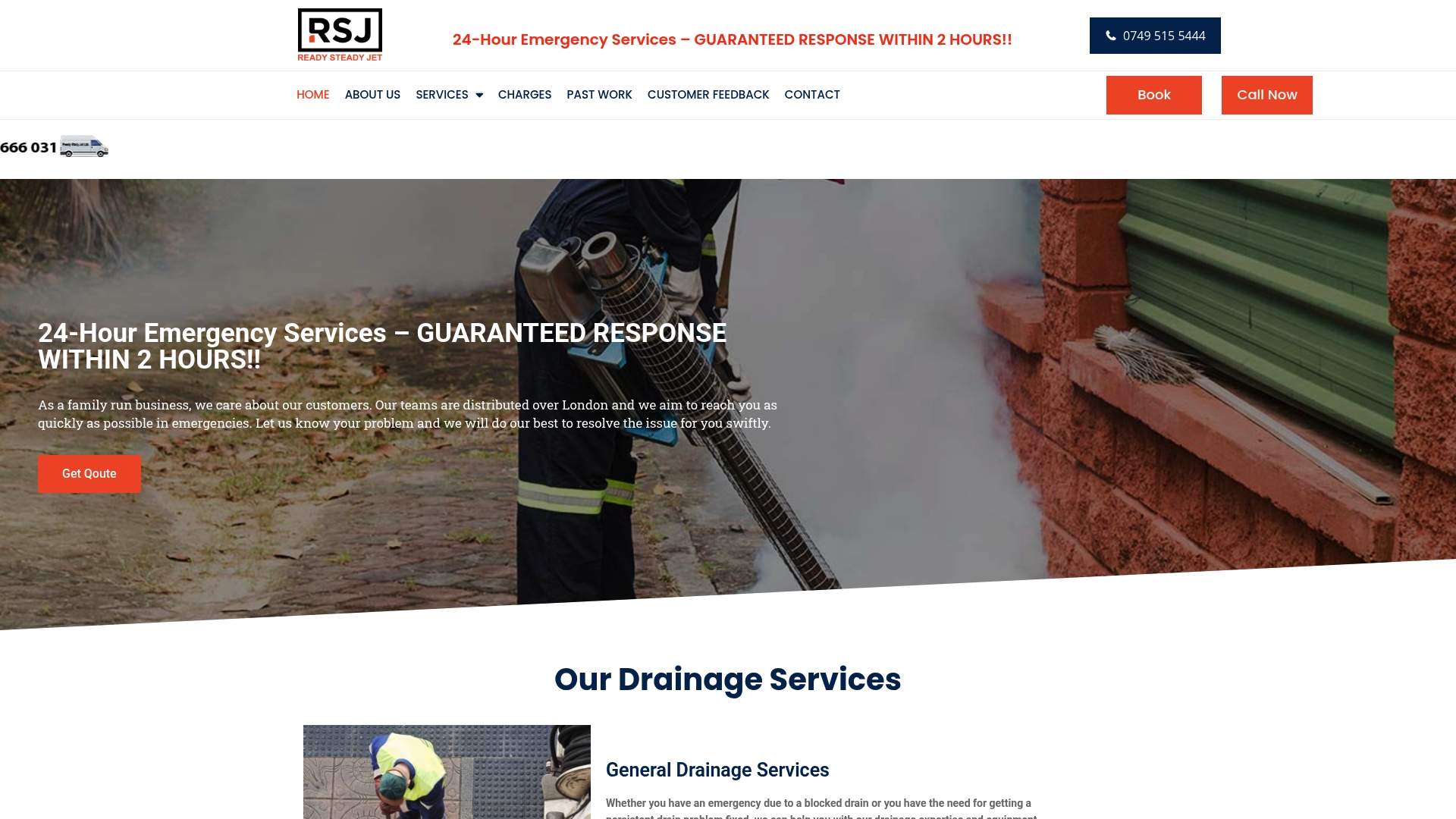
Their CCTV drain surveys quickly identify blockages, saving time and disruption by pinpointing exact problem locations without guesswork. High-pressure water jetting ensures deep, thorough clearing of drains and pipes, removing stubborn debris and restoring full flow capacity. Serving Greater London, RSJ Drains prioritise swift, professional, and reliable solutions for homeowners facing drainage emergencies or planning preventive maintenance. Contact RSJ Drains for expert assessment and restoration of your drainage system, backed by their commitment to quality workmanship and customer satisfaction.
Frequently asked questions
What should I do if I notice signs of a blocked drain?
Stop using the affected drain immediately to prevent overflow or backup. Contact a professional drainage service for assessment rather than attempting DIY fixes that might worsen the problem or damage pipes.
When should I call a professional instead of trying DIY methods?
Call professionals when blockages persist after basic clearing attempts, when multiple drains are affected simultaneously, or when you notice foul smells or water backing up. These symptoms indicate serious blockages requiring specialist equipment.
How quickly can blocked drains cause property damage?
Severe blockages can cause damage within hours if wastewater overflows into your home or garden. Even minor blockages create ongoing problems as pressure builds, potentially cracking pipes or causing damp issues over weeks.
Can I prevent blocked drains from occurring?
Regular maintenance significantly reduces blockage risk. Avoid flushing inappropriate items, install drain guards to catch hair and debris, dispose of grease properly, and schedule annual professional inspections to identify developing problems early.
How much do professional drain clearing services typically cost?
Basic drain clearing costs £100 to £300 depending on blockage severity and location. CCTV surveys add £80 to £200, whilst repairs or relining range from £400 to several thousand pounds for extensive work. Emergency callouts may incur additional charges.
What signs indicate I need emergency drainage services?
Seek emergency help when sewage backs up into your home, multiple drains block simultaneously, you smell strong sewage odours indoors, or notice flooding around your property. These situations require immediate professional intervention to prevent health hazards and structural damage.