TL;DR:
- Drainage problems in London can be caused by blockages, structural faults, pipe misalignment, or external flooding.
- Early signs include slow drains, bad odors, damp patches, and surface water pooling.
- Rapid diagnosis and professional repair are essential to prevent costly property damage.
Drainage problems rarely announce themselves clearly. One week you notice a slow-emptying sink, and the next you’re dealing with foul smells, damp patches on walls, or water pooling in the garden. For homeowners and property managers across Greater London, the real challenge isn’t just fixing the problem — it’s knowing what you’re actually dealing with. Misread the symptoms and you risk patching the wrong issue entirely. This article walks you through the main types of drainage problems, their warning signs, and the most effective actions to take, so you can make fast, confident decisions before small issues turn into expensive repairs.
Table of Contents
- Recognising drainage problems: major types and warning signs
- Blocked drains: causes, impact and immediate actions
- Structural drainage issues: cracks, leaks and pipe misalignment
- External factors: flooding, surface water and poor property grading
- A fresh perspective: why solving drainage problems is about rapid diagnosis
- How RSJ Drains helps solve London drainage problems fast
- Frequently asked questions
Key Takeaways
| Point | Details |
|---|---|
| Spot drainage issues early | Recognising symptoms early prevents costly repairs and property damage. |
| Blocked drains are most common | Kitchen and bathroom blockages caused by grease or wipes are the leading drainage problems in London homes. |
| Structural faults hide | Cracks and leaks often go unnoticed until damp patches or repeated blockages occur. |
| External factors matter | Flooding and poor property grading are growing causes of drainage problems due to climate change. |
| Act fast for lasting solutions | Prompt diagnosis and professional repairs are essential for effective drainage management. |
Recognising drainage problems: major types and warning signs
Not all drainage problems look the same, and that’s what makes them so easy to mishandle. There are four main categories that affect London homes and properties: blockages, structural faults, pipe misalignment, and external flooding. Each one presents differently, and confusing them leads to wasted time and money.
Blockages are the most frequent complaint. They cause slow drainage, gurgling sounds, and unpleasant odours rising from plug holes. Drain blockages are a leading cause of home water issues, and they tend to worsen quickly if left alone.
Structural faults such as cracked or collapsed pipes are harder to spot. You might notice persistent damp patches on walls or ceilings, or unexplained wet patches in the garden even during dry weather. These issues require professional inspection rather than a plunger.
Pipe misalignment is often invisible until it causes a secondary problem. Joints that have shifted due to ground movement or tree root intrusion can restrict flow without fully blocking the pipe, making them notoriously tricky to identify without equipment.
External drainage failure shows up as surface water flooding, pooling near the property boundary, or water backing up through gullies during heavy rain. This is increasingly common in Greater London due to ageing infrastructure and changing weather patterns.
Early warning signs to watch for include:
- Drains emptying more slowly than usual
- Recurring bad smells from sinks, toilets, or outside gullies
- Gurgling noises in pipes after flushing or draining
- Damp patches appearing on internal walls or floors
- Water pooling outside near drainage channels
Pro Tip: Do a quick visual check of your kitchen sink and bathroom plug holes once a month. If water takes more than 30 seconds to drain after you’ve removed any visible debris, you likely have a partial blockage forming. Catching it early is far cheaper than waiting for a full stoppage. For more on identifying drain issues in London properties, it’s worth understanding how symptoms map to specific faults before calling anyone out. Knowing the difference also helps when discussing common drainage repairs with a contractor, so you’re not relying solely on their diagnosis.
Blocked drains: causes, impact and immediate actions
Understanding warning signs leads directly to tackling the number one culprit: blocked drains. They account for the majority of drainage call-outs across Greater London, and the causes are almost always preventable.
The top causes of blockages in London homes include:
- Grease and fat build-up — Fat, oil and grease contribute to 80% of kitchen blockages. Even small amounts poured regularly down the sink will solidify inside pipes and accumulate over time.
- Hair and soap scum — Bathrooms are the second biggest source. Hair binds with soap residue to create dense plugs that gradually restrict flow.
- Wet wipes and sanitary products — Despite being labelled “flushable,” most wipes do not break down in drainage systems and are a leading cause of sewer blockages across London.
- Food debris — Even with a kitchen strainer in place, small particles of food pass through and collect further down the pipe.
- Tree root intrusion — Roots from garden trees or street trees seek out moisture and can penetrate pipe joints, causing partial or complete blockages over time.
When you spot a blockage forming, here are immediate actions to take:
- Use a plunger on sinks and toilets to dislodge minor obstructions
- Pour boiling water down kitchen drains to soften grease deposits
- Use a drain snake or hand auger for deeper blockages you can’t reach manually
- Avoid using excessive chemical cleaners, which can damage older pipes
If the blockage affects more than one fixture at the same time — for example, both your toilet and bath drain slowly — this signals a problem further down the main drain rather than an individual pipe. At that point, professional help is the right call.
For more on why blocked drains in London happen so frequently, local factors like clay soil, ageing Victorian pipework, and high-density housing all play a role. Consistent drain maintenance tips can significantly reduce how often you face this problem.
Pro Tip: Keep a small sink strainer in every plug hole and dispose of cooking fat in a sealed container rather than down the sink. These two habits alone eliminate the most common causes of domestic blockages.
Structural drainage issues: cracks, leaks and pipe misalignment
Blockages are the most obvious, but structural issues pose longer-term risks. A cracked pipe or misaligned joint doesn’t just restrict flow — it can undermine foundations, encourage damp, and attract rats looking for entry points into your property.
Common structural faults include:
- Cracked or fractured pipes caused by ground movement, frost, or age
- Root intrusion that splits joints and deforms pipe walls
- Collapsed sections where old clay or concrete pipes have caved in entirely
- Corroded joints in older metal pipework
- Offset or misaligned joints where sections have shifted out of alignment
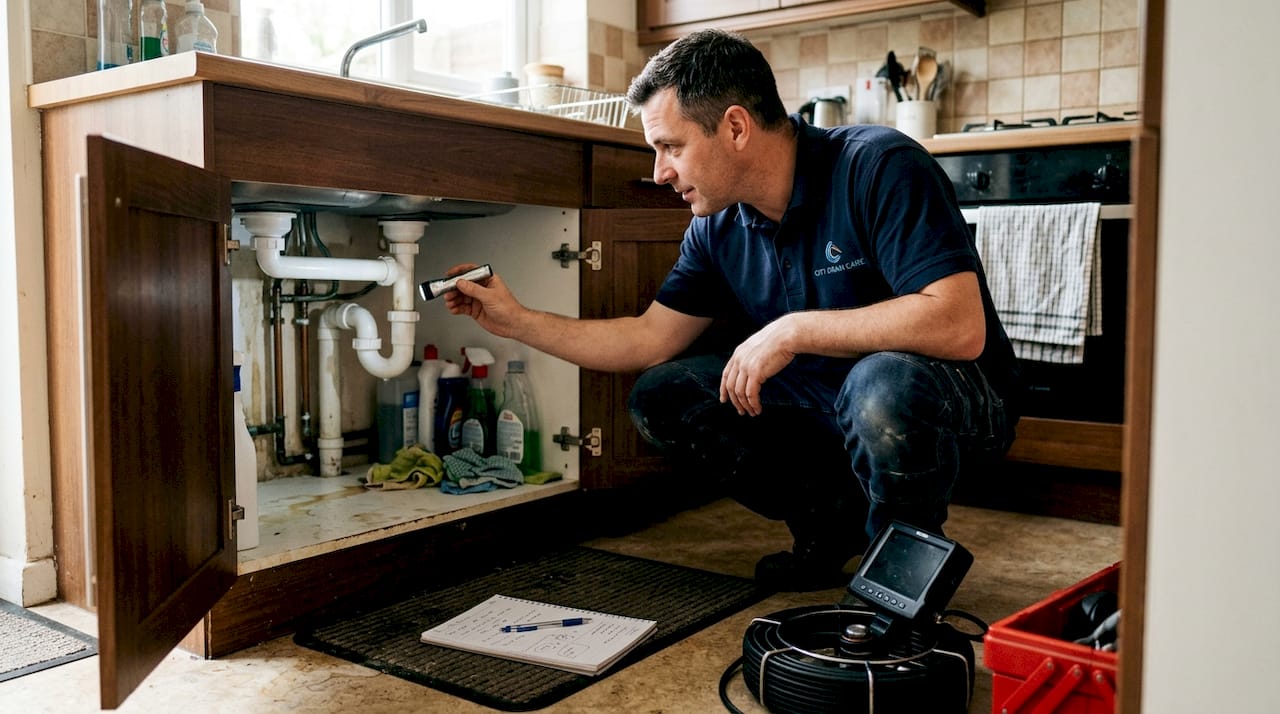
Misaligned pipes often go undetected until visible leaks or damp patches appear, which is why CCTV drain surveys are so valuable for identifying faults before they escalate.
The impact of structural faults goes well beyond drainage. Leaking pipes beneath a property can saturate the surrounding soil, leading to subsidence. Damp entering through cracked underground pipes can affect internal walls, flooring, and even structural timbers if left long enough.
| Symptom | Likely structural cause |
|---|---|
| Damp patches on internal walls | Leaking underground pipe nearby |
| Recurring blockages in the same spot | Partial pipe collapse or root intrusion |
| Foul smell with no visible blockage | Cracked pipe allowing sewer gas to escape |
| Slow drainage across multiple outlets | Offset joint restricting flow |
| Wet patches in garden during dry weather | Fractured pipe leaking below ground |
A proper drainage solutions guide will always recommend a CCTV inspection before any structural repair, because guessing at the location and nature of a fault is expensive. Using the drainage problem checklist to match your symptoms to likely causes is a smart first step before booking any work.
External factors: flooding, surface water and poor property grading
Internal drainage faults are only part of the story; external factors play a growing role. In Greater London, surface water management has become a serious concern as rainfall intensity increases and the city’s drainage infrastructure struggles to keep pace.
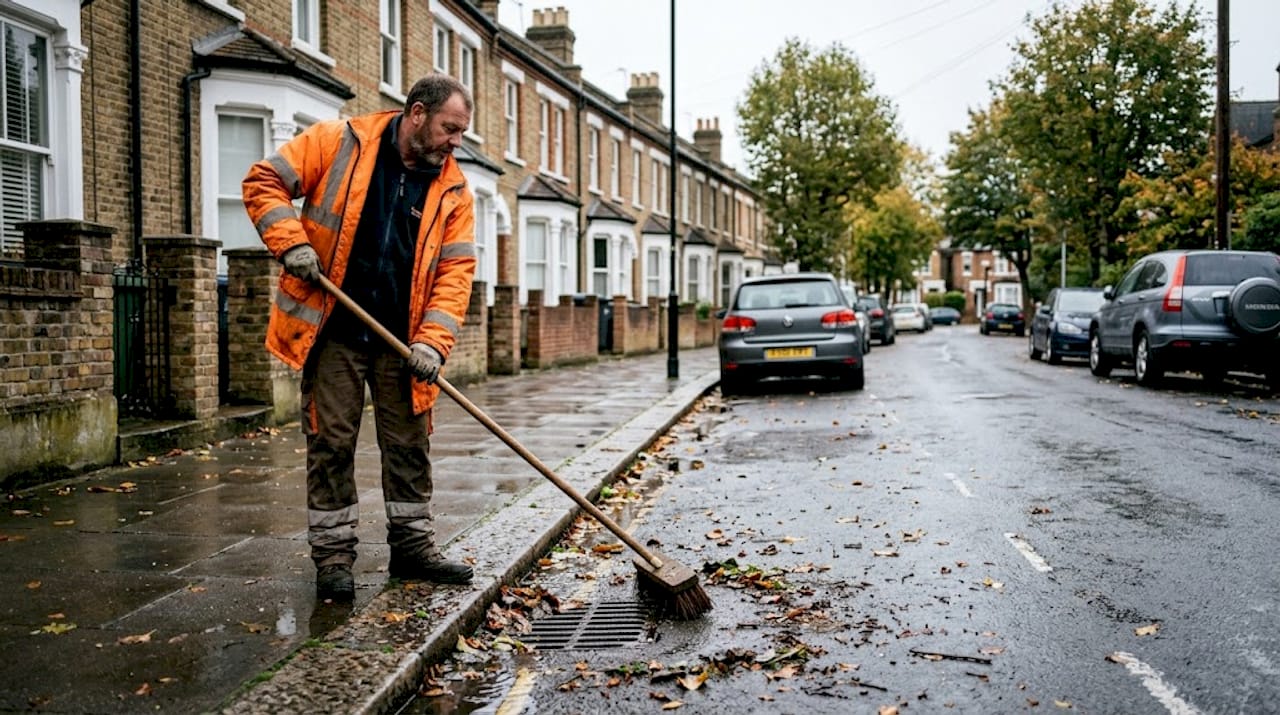
Surface water flooding is becoming more common due to climate change, with more frequent heavy downpours overwhelming drains that were designed for lower volumes. The result is water backing up through gullies, flooding gardens, and in some cases entering properties through ground-floor vents or air bricks.
Property grading — the slope of the land around your home — has a direct impact on where surface water travels. Ideally, the ground should slope away from your property at a gradient that directs water towards drains or soakaways. When grading is poor or has settled over time, water collects against the building, increasing the risk of damp and foundation damage.
| Area type | Flood risk level | Key drainage concern |
|---|---|---|
| Low-lying riverside zones | High | Surface water and sewer overflow |
| Clay soil suburban areas | Medium to high | Poor absorption, slow runoff |
| Elevated suburban properties | Lower | Mainly grading and gully maintenance |
| Properties near tree lines | Variable | Root intrusion and blocked gullies |
Practical steps to manage external drainage:
- Clear gullies and surface drains of leaves and debris regularly, especially in autumn
- Check that paved areas slope away from your property rather than towards it
- Install soakaways or permeable paving where surface water consistently pools
- Ensure downpipes connect properly to drainage channels rather than discharging onto hard surfaces
For London-specific guidance on drain maintenance for London homes, understanding your local soil type and drainage infrastructure helps you plan effectively. If you’ve already experienced flooding, reviewing emergency drainage examples from similar London properties can clarify what to expect and how quickly things can escalate.
A fresh perspective: why solving drainage problems is about rapid diagnosis
After years of attending drainage call-outs across Greater London, the pattern is always the same. The homeowner noticed something weeks earlier — a slow drain, a faint smell, a damp patch — and waited. By the time we arrive, what could have been a straightforward jetting job has become a structural repair.
The uncomfortable truth is that drainage problems don’t plateau. They accelerate. A partial blockage becomes a full one. A hairline crack becomes a collapsed section. The property damage that follows — damp, subsidence, pest ingress — costs far more to fix than the original drainage fault ever would have.
Rapid diagnosis matters more than any DIY fix. Knowing what you’re dealing with in the first hour is worth more than three weekends of trial-and-error patching. That’s why we always recommend getting a professional assessment early, not as a last resort. Understanding the emergency drainage process before you need it means you act faster when it counts. Early signs almost always dictate the solution — and the cost.
How RSJ Drains helps solve London drainage problems fast
When drainage problems strike, speed and accuracy matter most. RSJ Drains covers the full range of drainage issues across Greater London, from blocked drains to structural repairs, with a guaranteed two-hour emergency response available around the clock.
Whether you need a thorough drain inspection services to pinpoint a fault, professional drain repair services to fix cracked or misaligned pipes, or a detailed CCTV drain survey to map your drainage system before problems worsen, RSJ Drains has the equipment and expertise to act fast. As a family-run business with deep roots across London, we prioritise getting you the right fix the first time, not the most expensive one.
Frequently asked questions
How can I tell if my drain is blocked or structurally damaged?
Blocked drains differ in symptoms from structural faults — blockages cause slow emptying and bad smells, while structural damage tends to produce damp patches, visible cracks, or persistent leaks that return after clearing.
Is it safe to use chemical drain cleaners for blockages?
Chemical cleaners can shift minor blockages, but improper chemical use can aggravate pipe conditions, particularly in older clay or cast iron pipework where the lining is already compromised.
What is the fastest way to fix a blocked drain in London?
High-pressure jetting is the fastest and most effective method for clearing blockages, as it removes the obstruction completely rather than simply pushing it further along the pipe.
How does property grading affect drainage around my home?
Poor grading links directly to surface water flooding risk, as land that slopes towards your property channels rainwater against foundations rather than away from them, increasing the likelihood of damp and drainage failure.
Recommended
- Drainage problem checklist: identify and fix issues in 2026
- Step-by-step guide to effective drainage solutions
- 7 Examples of Common Drainage Repairs for Homes
- How to identify drain problems: a guide for London homes
- Dakproblemen door hevige regenval in Breda – Praktische oplossingen voor huiseigenaren
- Ejemplos de filtraciones en muros enterrados y soluciones