Blocked drains and drainage failures disrupt daily life and threaten property across Greater London. Whether you’re facing a sudden blockage or managing routine maintenance, knowing the right steps makes all the difference. This guide delivers practical, step-by-step drainage solutions that homeowners and property managers can follow to tackle urgent blockages, maintain systems effectively, and prevent costly damage. You’ll learn how to prepare properly, clear blockages safely, verify results, and recognise when professional help ensures lasting solutions.
Table of Contents
- Key takeaways
- Preparing for drainage solutions: tools, safety and inspection
- Step-by-step methods to clear blocked drains safely and effectively
- Routine maintenance and verification to prevent future drainage issues
- Enhance your drainage with professional services from RSJ Drains
- Frequently asked questions about drainage solutions
Key Takeaways
| Point | Details |
|---|---|
| Preparation and tools | Assemble the right tools and understand the problem before starting work to guide an effective drainage solution. |
| Safety and inspection | Prioritise safety equipment and a clear inspection plan to identify blockages and plan the clearing method. |
| Regular maintenance practices | Regular cleaning and inspection reduce urgent blockages and prolong the life of drainage systems. |
| Verification after clearance | Verify success by testing the drainage flow and checking for leaks or signs of renewed blockage. |
Preparing for drainage solutions: tools, safety and inspection
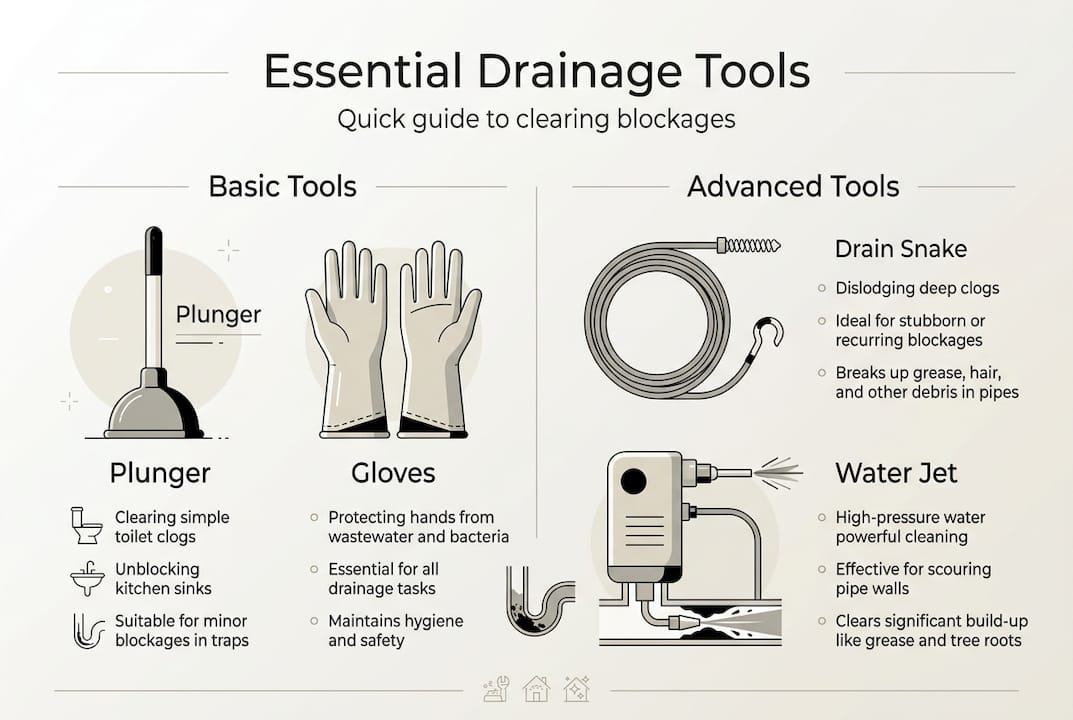
Proper preparation separates successful drainage work from frustrating failures. Before tackling any blockage, assemble the right tools and understand what you’re dealing with. Essential equipment includes heavy-duty rubber gloves, drain rods with various attachments, a high-quality plunger, pipe wrench, bucket, and ideally access to a CCTV inspection camera for complex situations. Each tool serves a specific purpose in your drainage toolkit.
Safety must come first when working with drainage systems. Wear protective gloves and eye protection to avoid contact with contaminated water and debris. Ensure adequate ventilation when working in confined spaces, and never mix cleaning products as chemical reactions can produce dangerous fumes. Keep children and pets away from the work area, and have clean water available for immediate hand washing.
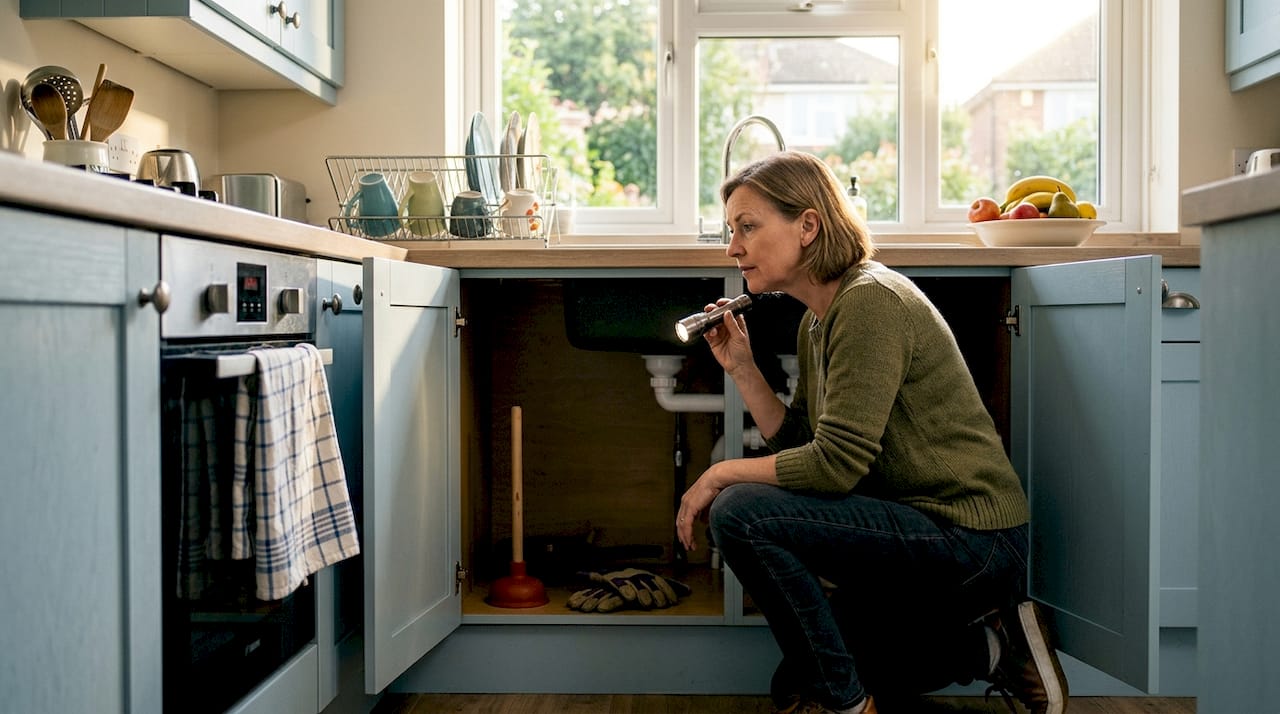
Visual inspection reveals crucial information about your drainage problem. Start by checking accessible gully traps and drain covers for obvious debris or standing water. Remove covers carefully and look for visible blockages, unusual odours, or signs of damage like cracks or misalignment. Inspect manhole covers if accessible, noting water levels and flow direction. Understanding your drainage system basics helps you trace problems to their source.
For hidden or complex blockages, proper inspection identifies blockage types and locations to choose the right clearing method. Professional CCTV surveys provide detailed internal views of pipes, revealing tree root intrusion, collapsed sections, or accumulated grease that visual checks miss. This technology eliminates guesswork and prevents unnecessary excavation.
| Tool | Primary use | When to deploy |
|---|---|---|
| Plunger | Creates pressure to dislodge minor blockages | First response for sink and toilet clogs |
| Drain rods | Manually breaks up and removes obstructions | Accessible outdoor drains with visible blockages |
| CCTV camera | Locates hidden blockages and structural damage | Persistent problems or pre-purchase surveys |
| Pipe wrench | Removes trap sections for direct access | Under-sink blockages requiring trap cleaning |
| High-pressure jetter | Clears stubborn blockages with water force | Grease buildup, tree roots, or failed manual attempts |
Regularly cleaning accessible pipes reduces urgent blockages and extends the time between professional interventions. Make it a habit to inspect drain covers monthly, removing leaves, debris, and sediment before they travel deeper into the system. Understanding drainage pipes explained helps you recognise different pipe materials and their specific maintenance needs.
Inspect every stage of your drainage system to plan an effective unblocking strategy. Trace the flow path from internal fixtures through external drains to the main sewer connection. Note any changes in pipe diameter, junction points, or areas where debris typically accumulates. This systematic approach ensures you address the actual problem rather than symptoms appearing elsewhere in the system.
Step-by-step methods to clear blocked drains safely and effectively
Clearing blockages successfully depends on matching your method to the blockage type. Organic material like food waste, hair, and soap scum responds differently than grease buildup, tree roots, or foreign objects. Start by identifying what’s causing the obstruction through visual inspection or the symptoms you observe, such as slow drainage, gurgling sounds, or complete stoppage.
Step 1: Begin with the simplest solution. For minor blockages in sinks, toilets, or showers, a quality plunger often provides quick results. Create a tight seal around the drain opening and use firm, rhythmic plunging motions to build pressure that dislodges the obstruction. For outdoor drains, insert drain rods carefully and rotate clockwise whilst pushing forward gently. Never force rods as this can damage pipes or push blockages deeper.
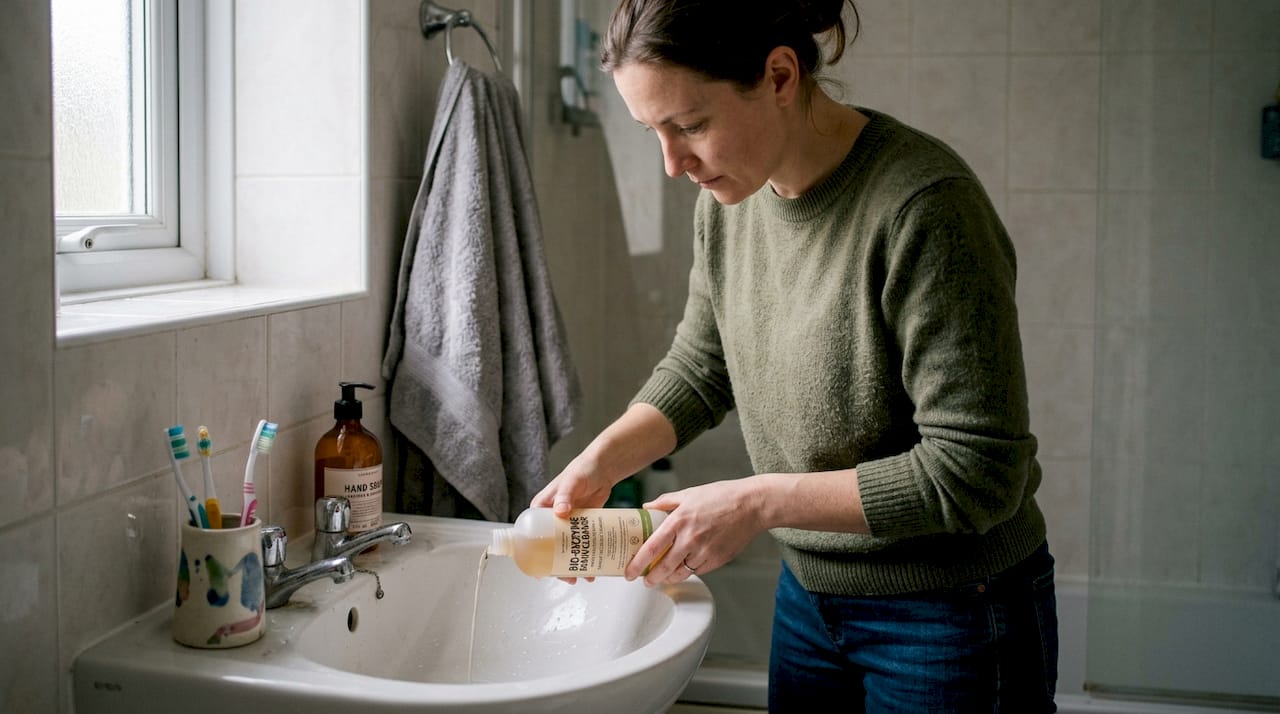
Step 2: Organic clogs and grease accumulation respond well to bio-enzyme treatments. These environmentally friendly products break down organic matter over several hours without harsh chemicals. Pour the recommended amount into the affected drain, allow adequate contact time, then flush with hot water. This method works best for prevention and minor buildup rather than complete blockages. Always follow manufacturer instructions and never combine different products.
Step 3: High-pressure water jetting is an efficient method to clear stubborn blockages fast. This technique uses concentrated water streams at controlled pressure to blast through grease, scale, and even tree roots. If you’re using professional equipment or hiring specialists, the process involves inserting a specialised nozzle into the drain, then releasing high-pressure water that scours pipe walls whilst pushing debris forward. The backward-facing jets propel the hose through the pipe whilst the forward jets clear the obstruction. Understanding drain jetting guide principles helps you appreciate when this powerful method becomes necessary.
Step 4: Recognise when professional intervention protects your property. Persistent blockages that return quickly, multiple blocked drains simultaneously, foul sewage odours, or visible damage to pipes all signal the need for expert assessment. Professionals bring CCTV drain surveys to diagnose accurately, specialised equipment to clear complex blockages, and the expertise to repair underlying structural issues. Attempting DIY solutions beyond your capability risks pipe damage, flooding, or personal injury.
Throughout each step, maintain safety precautions. Work in well-ventilated areas, avoid direct contact with wastewater, and never use excessive force that might crack pipes or fittings. Keep your workspace organised with tools within easy reach and a bucket ready for overflow. If you encounter resistance or unexpected complications, stop and reassess rather than persisting with a failing approach.
Avoid chemical drain cleaners as they may damage pipes over time, particularly older cast iron or PVC systems. These harsh products can corrode pipe walls, harm septic systems, and create dangerous fumes. They also complicate future professional work if residual chemicals remain in the system. Natural and mechanical methods prove safer and often more effective for long-term drainage health.
Common mistakes when clearing drains include:
- Forcing drain rods or tools against resistance, risking pipe damage
- Mixing different chemical products, creating dangerous reactions
- Ignoring safety equipment, leading to contamination or injury
- Attempting complex repairs without proper knowledge or tools
- Delaying professional help until minor problems become major failures
- Using excessive water pressure on fragile or damaged pipes
Learn more about safe techniques through resources on unclog drain safely and follow detailed high-pressure water jetting steps when considering advanced methods.
Routine maintenance and verification to prevent future drainage issues
Prevention delivers better value than emergency repairs. Routine maintenance keeps drainage systems flowing smoothly and catches problems before they escalate. Establish a monthly inspection schedule that includes flushing all drains with hot water, checking external drain covers for debris, and removing visible accumulation from gully traps. After heavy rainfall, inspect outdoor drains for pooling water or slow clearance that indicates developing blockages.
Routine cleaning involves simple but effective tasks. Pour hot water down kitchen sinks weekly to melt grease before it solidifies in pipes. Remove and clean sink traps quarterly to prevent buildup. Clear roof gutters and downpipes regularly as these connect to your drainage system and can introduce leaves and debris. Install drain guards over plug holes to catch hair and food particles before they enter pipes.
Regular drain maintenance reduces the risk of severe blockages and extends system lifespan. Professional maintenance goes beyond what homeowners can achieve, using specialised equipment to clean pipes thoroughly and identify emerging issues through CCTV inspection. Many property managers schedule annual professional maintenance to avoid costly emergency callouts.
Verification confirms your drainage work succeeded completely. After clearing a blockage, run water for several minutes whilst observing flow speed and listening for unusual sounds. Check all connected fixtures to ensure the blockage hasn’t simply moved to another location. Inspect external drains to confirm water exits properly without backing up or pooling. Test multiple fixtures simultaneously to verify the system handles normal load without stress.
| Maintenance task | Recommended frequency | Primary benefit |
|---|---|---|
| Hot water flush | Weekly | Prevents grease solidification |
| Visual inspection | Monthly | Early detection of developing issues |
| Drain guard cleaning | Weekly | Stops debris entering pipes |
| Professional CCTV survey | Annually | Identifies hidden problems early |
| Trap cleaning | Quarterly | Removes accumulated debris |
| High-pressure jetting | Every 2-3 years | Deep cleans pipe interiors |
Recognise early warning signs that indicate emerging drainage issues. Slow draining water suggests partial blockages forming. Gurgling sounds when water drains indicate air trapped by obstructions. Foul odours point to organic matter decomposing in pipes or ventilation problems. Pooling water around external drains shows inadequate flow capacity or blockages downstream. Multiple slow drains simultaneously suggest main line problems requiring immediate attention.
Schedule regular professional inspections using CCTV cameras for early detection of structural issues, root intrusion, or scale buildup that visual checks cannot reveal. This proactive approach prevents emergency situations and allows planned repairs during convenient times rather than urgent callouts. Explore comprehensive drain maintenance examples to understand what professional services offer.
Document your maintenance activities and any problems encountered. Keep records of when drains were cleaned, what methods were used, and any recurring issues. This information helps professionals diagnose patterns and provides valuable history if you sell the property. Photographs of drain conditions over time reveal deterioration that might otherwise go unnoticed.
Consult detailed guidance in the drain maintenance guide for London-specific considerations including clay soil effects, tree root challenges, and older Victorian drainage systems common across the region. Local conditions influence maintenance needs and the frequency of professional interventions required.
Enhance your drainage with professional services from RSJ Drains
Whilst DIY maintenance handles routine tasks effectively, complex drainage issues benefit from professional expertise. RSJ Drains offers comprehensive professional drainage services tailored specifically for London homes and properties, combining rapid response times with thorough solutions.
Advanced CCTV drain surveys pinpoint hidden blockages, structural damage, and root intrusion that visual inspection cannot detect. This technology eliminates guesswork and prevents unnecessary excavation, saving time and money whilst ensuring accurate diagnosis. Professional high-pressure water jetting services clear stubborn clogs efficiently using controlled pressure that removes buildup without damaging pipes.
RSJ Drains provides expert repairs ensuring long-term drainage health and peace of mind. Their family-run team brings local knowledge of Greater London drainage systems, understanding the unique challenges posed by Victorian-era infrastructure, clay soil conditions, and mature tree roots. Whether you’re dealing with persistent blockages, planning property improvements, or maintaining commercial premises, professional support complements your DIY efforts and protects your investment.
Frequently asked questions about drainage solutions
How do I know if my drainage needs professional attention?
Persistent blockages that return within days despite clearing attempts signal underlying problems requiring professional diagnosis. Foul sewage odours, multiple blocked drains simultaneously, or visible cracks in pipes all indicate serious issues beyond DIY capability. If you notice pooling water around foundations or hear gurgling from multiple fixtures, contact professionals immediately to prevent property damage.
What routine maintenance tasks can homeowners safely perform?
Homeowners can safely flush drains with hot water weekly, remove and clean accessible drain covers monthly, and clear visible debris from gully traps. Installing and regularly cleaning drain guards prevents hair and food particles entering pipes. Quarterly trap cleaning under sinks removes accumulated grease and debris. These simple tasks significantly reduce blockage frequency when performed consistently.
Are chemical drain cleaners safe for my pipes?
Chemical drain cleaners generally damage pipes over time, particularly older cast iron, copper, or PVC systems. These harsh products corrode pipe walls, harm septic systems, and create dangerous fumes when mixed with other substances. They also complicate future professional work if residual chemicals remain. Bio-enzyme treatments or mechanical clearing methods prove safer and more effective for long-term drainage health.
What safety equipment should I use for DIY drainage work?
Always wear heavy-duty rubber gloves and eye protection when working with drains to avoid contact with contaminated water and debris. Ensure adequate ventilation in confined spaces and never work alone in enclosed areas. Keep clean water available for immediate hand washing and maintain a first aid kit nearby. If using any cleaning products, read safety instructions carefully and never mix different chemicals.
When should I schedule a professional CCTV drain survey?
Schedule professional CCTV surveys annually for proactive maintenance, before purchasing property to assess drainage condition, or immediately when experiencing persistent blockages that DIY methods cannot resolve. Surveys accurately diagnose hidden issues like tree root intrusion, collapsed pipe sections, or scale buildup that visual inspection misses. Early detection through emergency drainage services prevents minor problems escalating into costly emergency repairs requiring excavation.