TL;DR:
- High-pressure water jetting effectively cleans entire pipe walls and removes stubborn build-up.
- It offers long-term savings by reducing recurrence of blockages and emergency repairs.
- Proper assessment and skilled operators ensure safe, compliant, and damage-free drain maintenance.
Blocked drains are one of the most frustrating and persistent problems facing London homeowners and property managers. Whether it’s a kitchen drain clogged with cooking fat, a bathroom pipe silted up with limescale, or a sewer line infiltrated by tree roots, the same blockage often returns weeks after a quick fix. High-pressure water jetting has become the go-to professional solution for those tired of the revolving door of repeat callouts. This article covers how the technology works, why it outperforms older methods, and the practical criteria you need to decide if it’s right for your property.
Table of Contents
- How high-pressure water jetting works
- Key advantages over traditional drain clearing
- Long-term savings and fewer emergencies
- Safety and compliance: why expertise matters
- Is high-pressure water jetting right for your property?
- A perspective from the experts: what most homeowners overlook
- Upgrade your drains with professional jetting in London
- Frequently asked questions
Key Takeaways
| Point | Details |
|---|---|
| Full-pipe cleaning | High-pressure water jetting scours the entire pipe, preventing blockages more effectively than older methods. |
| Reduces emergencies | By removing deep-seated debris, jetting lowers the chance of future drain crises and costly repairs. |
| Safe with experts | Certified professionals use jetting safely with CCTV checks, making it ideal even for older London properties. |
| Long-term savings | Thorough drain jetting means fewer repeat clearances and better value for homeowners and managers. |
How high-pressure water jetting works
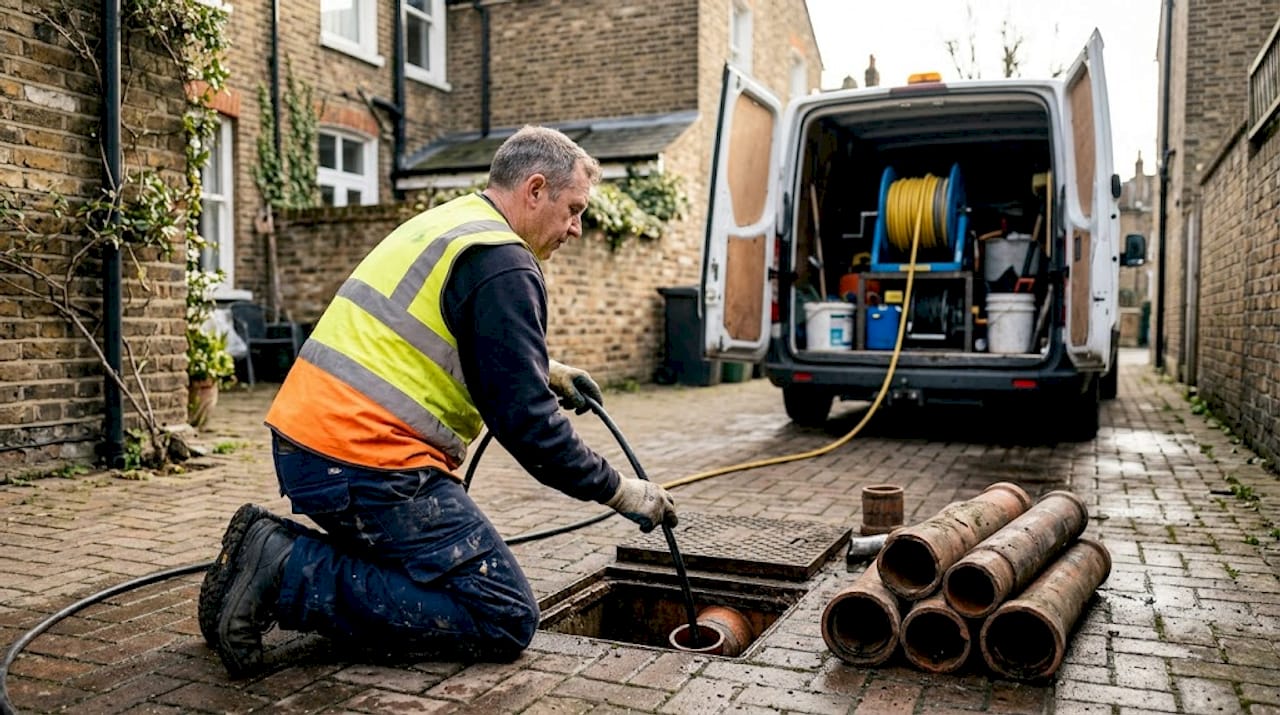
High-pressure water jetting is exactly what it sounds like: water forced through a flexible hose at extraordinary speed and pressure to scour a drain from the inside. The high pressure water jetting process works by pumping water at pressures ranging from 3,000 to 8,000 PSI (pounds per square inch) through specialised rotating nozzles that blast in multiple directions simultaneously. This means every surface of the pipe interior gets cleaned, not just a narrow channel through the middle of the blockage.
The nozzles are the clever part. Different head designs tackle different problems. Some are configured to cut through compacted grease. Others spin to scrub limescale from pipe walls. Root-cutting attachments slice through fine root intrusions that are almost impossible to remove by any other means. Water flow rates during jetting can reach up to 18 gallons per minute, which creates the sustained hydraulic force needed to flush loosened debris all the way out of the system.
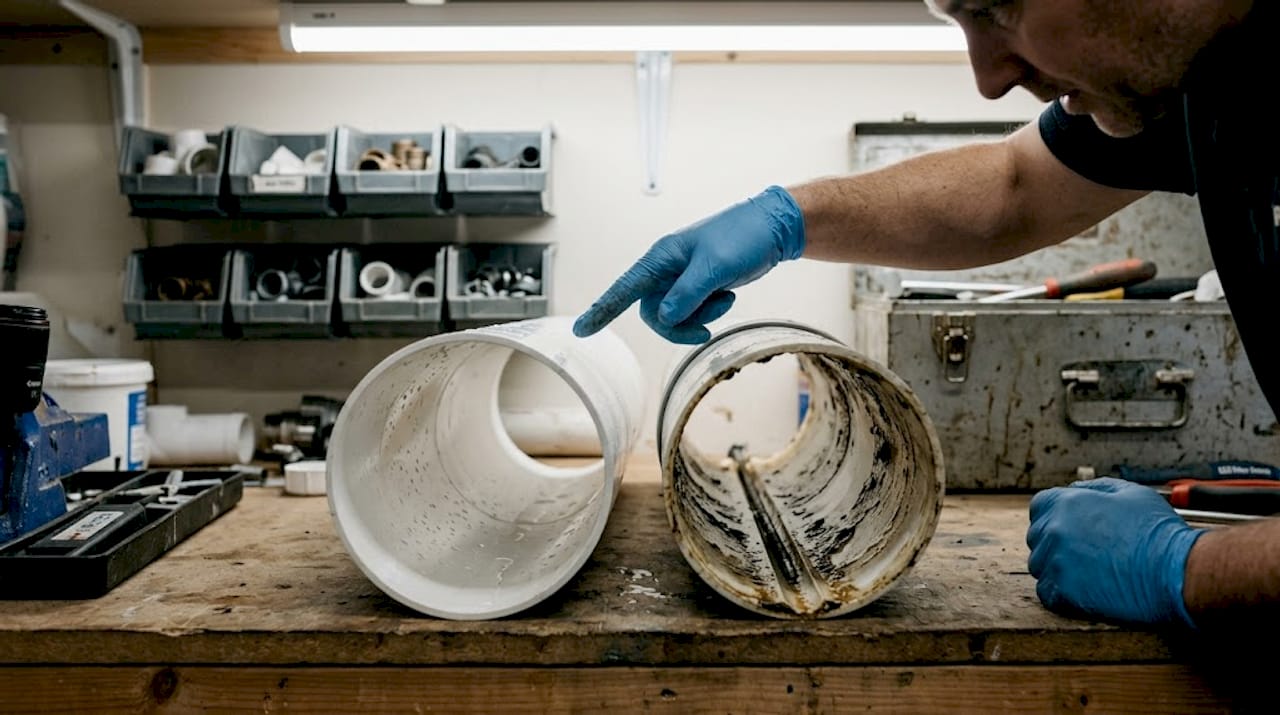
Contrast this with traditional drain snaking or rodding. A snake punches a hole through a blockage, allowing water to pass again, but leaves the bulk of the build-up coating the pipe walls. The blockage reforms, sometimes within weeks. WJA standards confirm that jetting removes build-up along the entire pipe diameter, making it a fundamentally different category of cleaning.
| Method | Pipe diameter covered | Removes wall build-up | Suitable for roots |
|---|---|---|---|
| Water jetting | Full diameter | Yes | Yes |
| Drain snaking | Narrow channel only | No | Partially |
| Chemical treatment | Variable | Partially | No |
Key points about the technology:
- Operates at 3,000–8,000 PSI for effective removal of all common blockage types
- Specialised nozzles address grease, limescale, and root intrusions
- Suitable for pipes ranging from small domestic lines to large 24-inch mains
- A CCTV drain survey is recommended before jetting older or fragile pipe systems
Pro Tip: Always ask your provider whether a CCTV inspection is included before jetting. Pressurising a cracked or corroded pipe without checking its condition first can cause serious damage.
Key advantages over traditional drain clearing
With an understanding of how the technology works, let’s look at why it outperforms older drain clearing techniques. The most significant difference is the depth of clean achieved. Jetting cleans the full pipe diameter, while snaking or rodding only partially clears blockages and cannot tackle severe limescale or root intrusions. This is not a minor distinction. A pipe that has been jetted is genuinely clean. A pipe that has been snaked has been opened, but the material causing the blockage is largely still there.
Here is a direct comparison of the two main approaches:
| Criteria | Water jetting | Snaking or rodding |
|---|---|---|
| Clean quality | Full pipe wall | Partial, central channel |
| Limescale removal | Effective | Ineffective |
| Root removal | Yes (with correct nozzle) | Partial |
| Max pipe size | Up to 24 inches | Up to 4 inches |
| Chemical residue | None | None |
| Repeat visit frequency | Low | High |
For London properties, where hard water accelerates limescale build-up and rental properties often see heavy kitchen use, the water jetting versus old methods comparison is particularly striking. Grease layers that have hardened onto pipe walls over months simply cannot be dislodged by a mechanical snake.
The additional benefits of jetting include:
- No harsh chemicals introduced into the drainage system
- Faster overall process on most blockage types
- No residue left behind after cleaning
- Effective on a wider variety of blockage materials
- Reduced need for follow-up visits
The higher upfront cost compared to a basic rodding job is real. However, the drain jetting benefits in terms of longevity between treatments make it far more economical over a 12-month period for most properties.
Pro Tip: If you are managing a block of flats or a commercial kitchen property, schedule jetting during a low-occupancy period. The process is quick, but access to ground-floor drains is much simpler when the building is quiet.
Long-term savings and fewer emergencies
Now that we have compared cleaning methods, let’s focus on how jetting delivers real savings and peace of mind. The logic is straightforward: a more complete clean means blockages take far longer to reform. Thorough water jetting reduces recurrence of drain blockages and provides long-term savings by preventing emergencies and major repairs.
A single emergency drain callout in London can cost significantly more than a scheduled jetting session. For property managers, preventing even one out-of-hours emergency per year more than covers the cost of preventive maintenance.
London’s water supply is notably hard, particularly across the south and east of the city. This accelerates limescale formation inside pipes in a way that landlords in softer-water regions rarely experience. Routine jetting removes this mineral build-up before it narrows the pipe to the point of complete blockage.
For property managers, the financial case is even clearer:
- Fewer emergency callouts mean fewer unexpected costs
- Reduced risk of overflow damage to flooring, walls, and tenant belongings
- Lower likelihood of insurance claims linked to flooding or sewage backup
- Extended pipe lifespan, reducing the frequency of costly excavation and replacement
- Tenants experience fewer disruptions, which supports tenancy retention
Scheduling regular drain maintenance as part of an annual property inspection programme is one of the most cost-effective decisions a property manager can make. A blocked sewer that backs up into a rental property is not just expensive to fix. It can trigger insurance disputes, tenant complaints, and potential liability issues.
Safety and compliance: why expertise matters
Having seen the cost-effectiveness, it is also vital to consider the safety and compliance dimensions of jetting. High-pressure water is not something to approach casually. At 8,000 PSI, a jetting hose can cause serious injury if mishandled, and the wrong pressure applied to a fragile pipe can split it entirely.
The Water Jetting Association (WJA) is the recognised industry body in the UK setting training and safety standards for operators. WJA training ensures the right pressures and nozzles are used for safe, effective jetting, and recommends a CCTV survey to assess pipe condition before work begins. Operators who hold WJA accreditation have demonstrated they understand how to select the correct nozzle type, pressure setting, and flow rate for the pipe they are working on.
For older London properties, particularly those with Victorian-era clay pipe systems, this expertise is not optional. Clay pipes are brittle, and joints between sections are often already compromised. A pipe CCTV survey before jetting identifies vulnerable sections so the operator can reduce pressure or avoid those areas entirely.
Here is the right order of operations for safe, effective jetting:
- Book a CCTV survey to assess pipe condition and locate the blockage precisely
- Identify pipe material, diameter, and any existing cracks or weaknesses
- Select the appropriate nozzle and pressure setting for the specific situation
- Carry out jetting with a qualified, WJA-accredited operative present
- Conduct a post-jetting CCTV check to confirm the pipe is clear and undamaged
Certified WJA professionals provide documentation of the work completed, which is useful for landlords maintaining property records or demonstrating due diligence to insurers.
Pro Tip: Always request a post-jetting camera inspection report. It confirms the blockage is fully cleared and gives you a visual record of pipe condition, which is invaluable if a drainage dispute arises later.
Is high-pressure water jetting right for your property?
Once you understand jetting’s safety factors, it is time to decide when and where it is the best choice. Jetting is ideal for stubborn build-ups like limescale and grease in London rentals, but not for damaged pipes. Pairing it with a CCTV inspection removes the guesswork entirely.
Properties most likely to benefit from jetting:
- Any home or commercial property with recurring blockages despite previous rodding
- Rental properties where kitchen or bathroom drains block frequently
- Buildings in hard-water London boroughs where limescale accumulates fast
- Properties with mature trees nearby, where root intrusion is an ongoing risk
- Any site where preventive maintenance is part of the property management strategy
Situations where jetting is not the right first step include pipes with confirmed cracks, severe corrosion, or significant joint displacement. In these cases, repair or relining needs to happen before jetting is safe. The snaking vs jetting advice from independent drainage sources consistently recommends CCTV assessment as the deciding factor between methods.
For new landlords managing their first properties, consider jetting for different drains as part of your initial property survey. Knowing the condition of your drainage system before tenants move in gives you a clean baseline and protects you against disputes over pre-existing issues.
A perspective from the experts: what most homeowners overlook
Most homeowners reach for the cheapest, fastest fix when a drain blocks. That instinct is understandable. But conventional wisdom around quick fixes creates a hidden cycle of recurring costs that most people never fully calculate. A £60 rodding callout repeated four times a year costs more than a single professional jetting session, and it never actually solves the problem.
What we see consistently across London properties is that combining CCTV diagnosis with expert jetting changes the nature of the intervention entirely. Instead of reacting to the symptom, you are addressing the root cause with precision. London’s mix of Victorian clay pipes, hard water, and dense urban use creates drainage conditions that genuinely require this targeted approach.
The properties that avoid costly drainage emergencies are almost always those following a London drain maintenance strategy rather than a reactive one. The upfront investment in professional jetting, backed by camera evidence of what is actually inside the pipe, is simply smarter property management. The disruption and cost of a sewer backup or a split pipe far outweigh anything spent on prevention.
Upgrade your drains with professional jetting in London
If recurring blockages or limescale build-up are costing you time and money, professional water jetting could be the most effective upgrade you make to your property maintenance routine this year.
At RSJ Drains, our high-pressure water jetting service is backed by CCTV diagnostics so every job is targeted, safe, and fully compliant with WJA standards. Whether you need a planned maintenance session or an urgent fix, we are available across Greater London with a two-hour emergency response guarantee. You can book a CCTV drain survey to start with a clear picture of your drainage system, or contact us directly for emergency drainage solutions when time is critical. No guesswork, no repeat visits, no surprises.
Frequently asked questions
How does high-pressure water jetting actually remove blockages?
It uses a stream of water at 3,000–8,000 PSI to scour the entire pipe diameter, dislodging and washing away grease, limescale, and other debris in a single pass.
Is jetting suitable for all types of pipes in London homes?
Jetting works on most pipe materials, but older or damaged pipes should always be assessed via a CCTV drain survey before any high-pressure work begins to avoid further damage.
Does water jetting cause any mess or leave residue in the pipes?
No. Jetting leaves no chemical residue and flushes all loosened debris completely out of the drainage system, leaving pipes thoroughly clean.
How often should I use jetting to maintain my property’s drains?
Annual preventive jetting is recommended for most London properties, particularly those with heavy kitchen use or in hard-water areas. Preventive jetting helps avoid costly repeat blockages and emergency callouts across the year.
Recommended
- High-Pressure Water Jetting Guide for Clear Drains
- What Is High Pressure Water Jetting? 90% Faster Clearing
- High pressure water jetting steps to clear blocked drains
- Drain Jetting London 2026: 40% Faster Emergency Clearing
- Drain Jetting Explained: Fast Solutions for Blocked Drains