TL;DR:
- Regular drain inspections every 2-3 years help prevent costly blockages and repairs.
- London’s aging pipes and ground movement increase hidden risks of pipe failure.
- Proactive CCTV surveys save money, reduce emergency repairs, and support insurance claims.
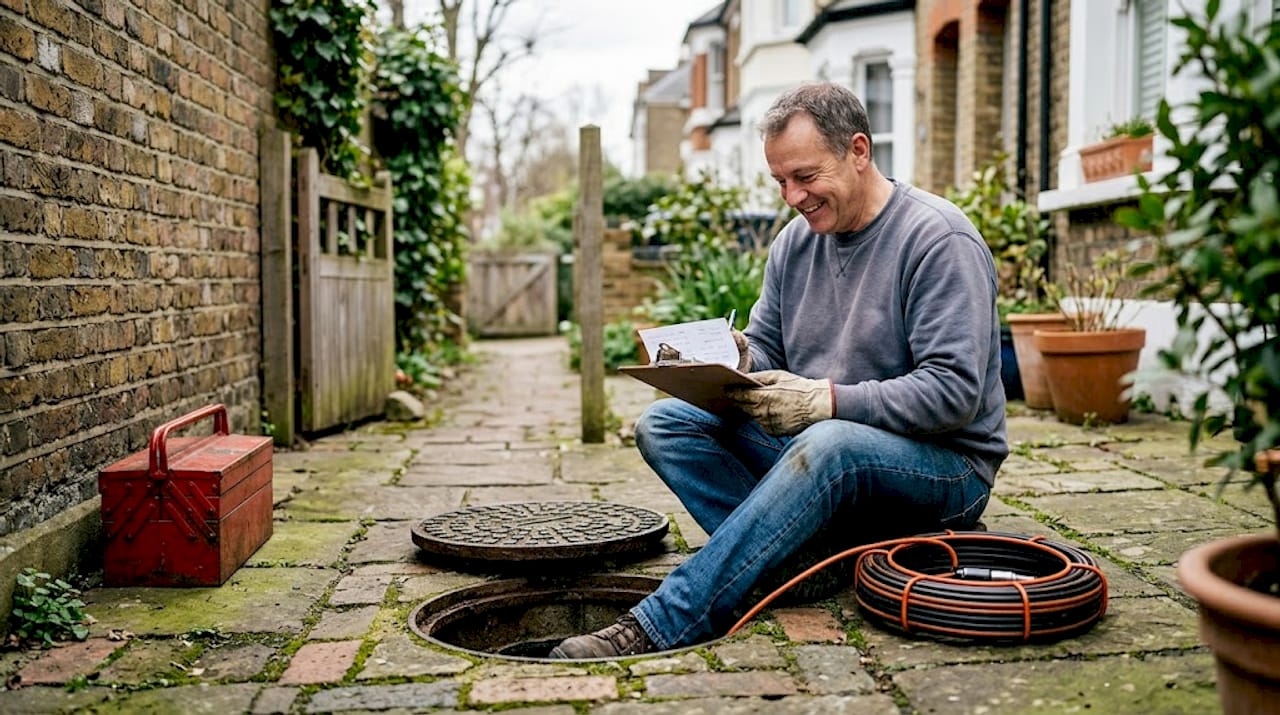
Most property owners in Greater London only think about their drains when something goes wrong. A slow sink, a bad smell, or a backed-up toilet prompts a call, and suddenly you’re facing an emergency that could have been avoided. What many people don’t realise is that regular inspections every 2-3 years for residential properties are one of the most effective ways to prevent costly blockages and repairs. Hidden problems quietly worsen beneath your property for months before they become visible. This article explains the real risks, the true costs, and the practical steps you can take to stay in control of your drainage.
Table of Contents
- The hidden risks in London drainage systems
- Blockages and emergencies: The true costs for homeowners
- Why proactive drain inspections outsmart reactive fixes
- Compliance, insurance, and future-proofing property value
- An expert perspective: What most property owners miss about drains
- Protect your property with professional drain inspections
- Frequently asked questions
Key Takeaways
| Point | Details |
|---|---|
| Proactive maintenance pays off | Regular inspections are far cheaper and less stressful than emergency repairs. |
| Aging pipes hide costly risks | London homes with clay pipes are especially vulnerable to blockages and collapse. |
| CCTV surveys offer peace of mind | Modern inspections spot hidden problems early, supporting successful insurance claims. |
| Compliance protects property value | Documentation from inspections is vital for insurance and resale in Greater London. |
The hidden risks in London drainage systems
London’s drainage infrastructure is ageing in ways that many homeowners simply don’t see. Victorian and post-war properties across the city may have clay pipes that are 80 to 100 years old, long past their intended lifespan. These pipes weren’t built for today’s usage demands, and they deteriorate quietly over time.
The most common failure points we encounter are not dramatic collapses. They are slow, progressive problems that build up until something gives way. Edge cases include tree root intrusion, collapsing clay pipes, and limescale accumulation caused by London’s notoriously hard water. A small crack in a pipe or even a slight reduction in its internal diameter can trap grease and debris over time, creating the perfect conditions for a full blockage.
Ground movement is another factor that affects Greater London properties more than most owners appreciate. The city’s heavy clay soil shrinks in dry summers and expands in wet winters, placing constant stress on underground pipework. This movement causes joints to shift and pipes to misalign, issues that are entirely invisible above ground but easy to spot with the right approach to identifying drain problems.
Common causes of hidden drain failures in Greater London:
- Tree root intrusion from street trees and garden plantings
- Pipe joint displacement caused by seasonal ground movement
- Accumulated limescale from hard water reducing pipe capacity
- Collapsed or cracked clay pipes in older properties
- Fatberg formation in shared or communal drainage runs
| Risk factor | Visibility to owner | Typical consequence |
|---|---|---|
| Tree root intrusion | None until severe | Pipe collapse or blockage |
| Ground movement | None | Joint displacement, leaks |
| Limescale build-up | None | Reduced flow, blockages |
| Clay pipe cracking | None | Structural failure |
| Fatberg accumulation | Slow drains only | Emergency blockage |
Pro Tip: If your drains run slowly after heavy rain, don’t dismiss it as a temporary issue. Slow post-storm drainage is often an early signal that your pipes are partially obstructed and need attention before the problem escalates.
Blockages and emergencies: The true costs for homeowners
Understanding the financial reality of reactive drain care is sobering. Most blockages don’t arrive without warning — they build gradually from avoidable causes. Wet wipes, cooking fat, and food waste are the most common culprits, and regular maintenance catches these accumulations before they become crises.
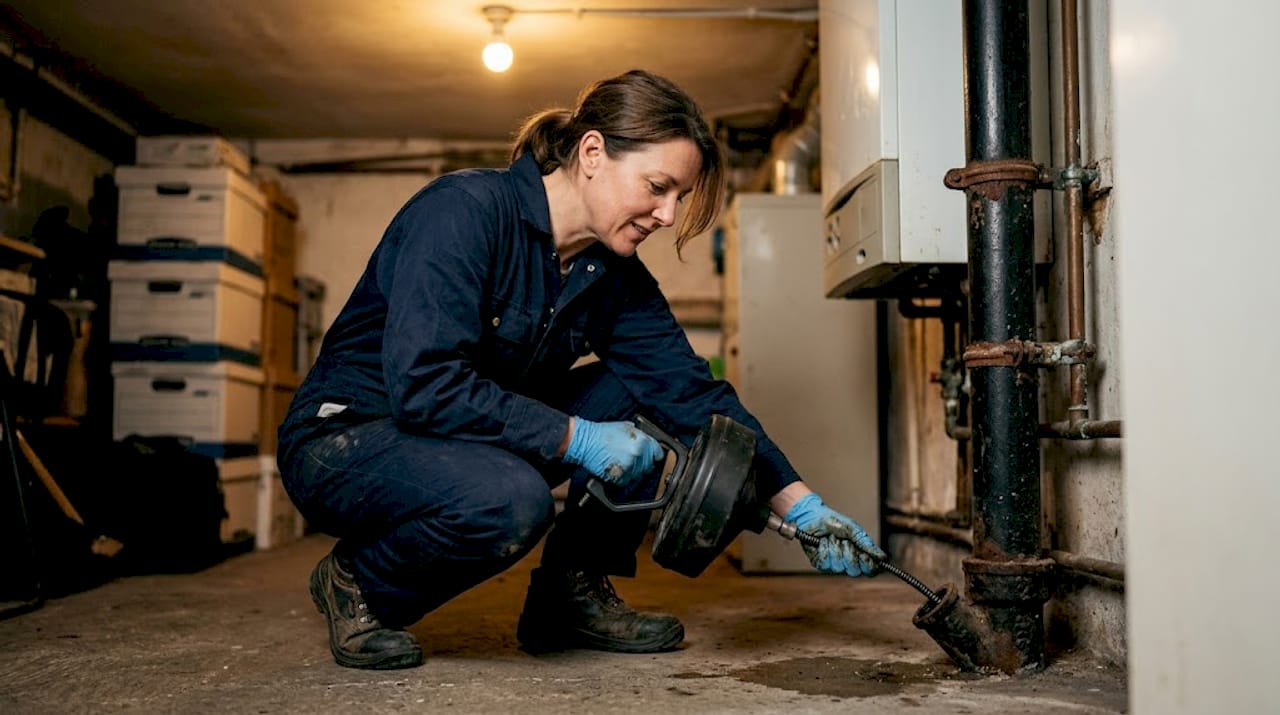
When a blockage does escalate into an emergency, the costs mount quickly. Emergency call-outs typically start at £80, but the repair work that follows frequently exceeds £1,000. When you add in property damage from flooding, the cost of temporary accommodation, or claims on your home insurance, the total can reach several times that figure.
Thames Water clears 75,000 blockages per year across London at a cost of approximately £18 million. That figure represents only public sewer blockages. The cost to private homeowners dealing with their own drainage runs separately and adds significantly to that burden.
The contrast between planned maintenance and emergency response is stark:
| Scenario | Typical cost | Disruption | Stress level |
|---|---|---|---|
| Planned CCTV inspection | £150 to £300 | Minimal, scheduled | Low |
| High-pressure jetting (routine) | £100 to £200 | 1 to 2 hours | Low |
| Emergency call-out | From £80 | Immediate disruption | High |
| Emergency pipe repair | £1,000 or more | Days of works | Very high |
| Property damage restoration | £2,000 or more | Weeks | Severe |
A single missed inspection can also create insurance complications. If a surveyor or loss adjuster finds pre-existing damage that you couldn’t have known about, your claim may be challenged. Annual CCTV inspections and jetting cut emergency costs by 50 to 70%, which is a significant financial advantage that makes a compelling case for regular care.
Here is a straightforward way to think about the priority order for drain maintenance:
- Schedule a baseline CCTV survey to understand your current pipe condition
- Clear any identified blockages or build-up with high-pressure jetting
- Follow up on any structural defects with targeted repair
- Set a reminder for your next inspection in two to three years
- Keep records of all works completed for your insurer and any future sale
A proper drain inspection done proactively costs a fraction of what reactive repair bills look like, and saving money through regular drain maintenance is one of the most practical investments a property owner in Greater London can make.
Why proactive drain inspections outsmart reactive fixes
The shift from reactive to proactive thinking is not complicated, but it does require treating your drainage system as seriously as any other part of your property. Modern CCTV drain inspection technology makes this easier than ever. A camera passed through your pipework gives a live, recorded view of every metre of your drainage run, without any digging, breaking up of surfaces, or guesswork.
With that information in hand, you can make decisions based on evidence rather than urgency. You can plan work at a time that suits you, budget for it properly, and choose the right solution rather than accepting whatever is on offer during a stressful emergency.
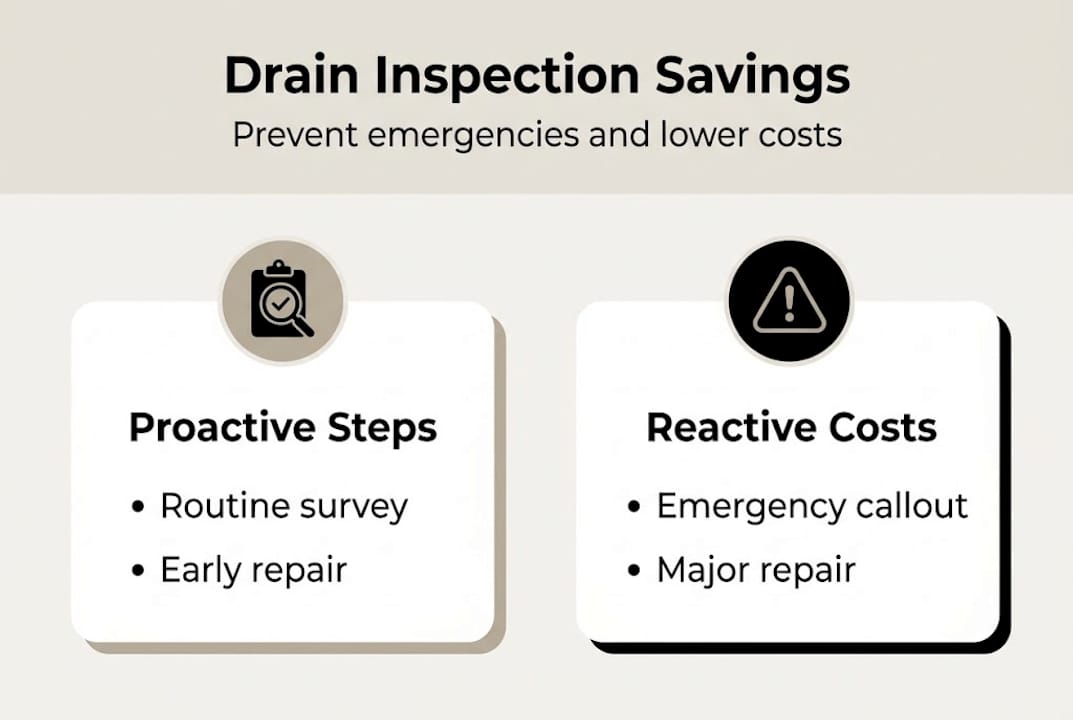
Proactive inspections compared to reactive fixes:
- Proactive: Issues caught early, lower repair costs, no property disruption, insurance compliance maintained
- Reactive: Emergency costs, property damage risk, potential insurance complications, limited time to compare quotes
- Proactive: Full video evidence of pipe condition, detailed report, peace of mind
- Reactive: Works done under pressure, higher likelihood of repeat problems
- Proactive: Ability to cut drainage risks significantly by addressing minor faults before they worsen
“Proactive CCTV inspections transform hidden risks into manageable maintenance; second opinions on identified repairs delivered significant savings for a Central London commercial complex.”
The evidence from real cases across Central London backs this up. Properties where regular drain camera inspections are carried out on schedule consistently avoid the worst outcomes. Owners who have already experienced an emergency rarely need convincing of the value of prevention — but ideally, you shouldn’t have to go through that to understand it.
The practical advantage is also about time. When you find a minor pipe defect during a routine survey, you have weeks or months to plan its repair. When a pipe fails unexpectedly, you have hours.
Compliance, insurance, and future-proofing property value
Drain maintenance isn’t purely about avoiding blockages. For Greater London property owners, it also carries legal and financial responsibilities that aren’t always obvious until a problem arises.
As a homeowner, you are responsible for all drainage within your property boundary up to the point where it connects to the public sewer. Thames Water and other utilities manage the public sewer network, but everything on your side of that boundary is your responsibility. This is worth understanding clearly, as confusion over boundaries often delays repairs at extra cost.
Pre-existing drain damage is frequently excluded from insurance claims where no prior survey exists. This means that if your pipes have been deteriorating for years and you haven’t had them inspected, a claim following a flood or pipe failure may be refused or reduced. A recent inspection report demonstrating the condition of your drains at a specific date is valuable evidence when making a claim.
Key compliance and insurance requirements to keep in mind:
- Understand your boundary responsibility relative to the public sewer
- Check your buildings insurance policy for drain-related exclusions
- Arrange a CCTV survey before purchasing any property in Greater London
- Use inspection reports as part of your pre-sale documentation if selling
- Keep all invoices and reports in a dedicated property file
For sellers and buyers alike, a drainage survey can be decisive. Buyers increasingly request survey reports as part of conveyancing, and a clean inspection result strengthens any sale. A problem flagged at survey gives both parties a chance to negotiate rather than face a post-purchase dispute. Following a clear property maintenance checklist ensures you never overlook the steps that protect both your investment and your obligations.
Pro Tip: Store all drain inspection reports and related invoices in both physical and digital formats. Insurers and solicitors may request them with very little notice, and having them immediately to hand can make a significant difference to how quickly a claim or sale proceeds.
An expert perspective: What most property owners miss about drains
After years of working with Greater London property owners, the pattern is consistent: people wait until there is visible evidence of a problem before acting. By that point, the damage is already significant, and the costs are far higher than they needed to be.
What most guides don’t emphasise is that the true value of a drain inspection isn’t simply avoiding an emergency. It’s converting the unknown into the known. An underground pipe is not something you can see, touch, or monitor without the right equipment. Every year without an inspection is a year where you are, in effect, guessing at the condition of infrastructure that your entire property depends on.
Today’s CCTV and survey technology is sophisticated enough that understanding your drain’s condition is no longer a matter of waiting for symptoms. You can know. And knowing gives you options that reactive repairs never will.
The most overlooked step is getting a second opinion on any repair recommendation that follows an inspection. Not all defects require immediate, expensive intervention. An independent assessment can reveal whether a repair is urgent, preventative, or even unnecessary. Treat an annual or biennial drain survey as your property’s health check. The properties that hold their value and avoid surprises are almost always the ones where the owner stays ahead of maintenance rather than reacting to it.
Protect your property with professional drain inspections
Now that you understand what’s at stake beneath your property, the sensible next step is straightforward. A professional inspection gives you the evidence, the records, and the peace of mind to manage your drainage with confidence rather than hope.
RSJ Drains provides expert drain inspection services across Greater London, from routine surveys through to targeted repairs. Our team uses the latest CCTV equipment to give you a clear picture of your pipe condition, with written reports suitable for insurers, solicitors, and future buyers. Book a CCTV drain survey today and take the proactive step that protects your property and your finances for years ahead. We’re available around the clock for urgent concerns, and our local team responds within two hours for emergencies anywhere in Greater London.
Frequently asked questions
How often should property owners in Greater London get drains inspected?
Every 2-3 years is recommended for residential properties, with annual checks advisable for older homes or systems with a history of problems.
Can inspections prevent all drain emergencies?
Inspections significantly reduce emergency risks by identifying issues early, but sudden ground movement or large root ingress can occasionally escalate between visits in more severe edge cases.
Are professional CCTV drain inspections worth the investment?
Yes. Evidence shows that annual CCTV inspections cut emergency call-out costs by up to 70%, making them one of the most cost-effective forms of property maintenance available.
Does insurance require a drain survey to approve claims?
Many insurers may reduce or refuse claims where pre-existing damage existed prior to the incident and no recent inspection report is available to confirm the pipe’s earlier condition.
Recommended
- Role of Drainage Inspections in London: Cut Risks by 60%
- Drain Inspection Explained: Ensuring Safe London Homes
- Drain Maintenance Explained: Protecting London Homes
- How to identify drain problems: a guide for London homes
- Drain Surveys London | CCTV Drainage Inspections & Reports – Pest Control 24 London